Why the Income Statement Alone Can Mislead
The income statement reports revenue and profit based on accrual accounting, which recognizes transactions when they’re earned rather than when cash actually changes hands. This creates room — sometimes legitimate, sometimes not — for reported earnings to diverge meaningfully from the underlying cash-generating reality of the business, which is why several specific checks are worth running before taking reported numbers at face value.
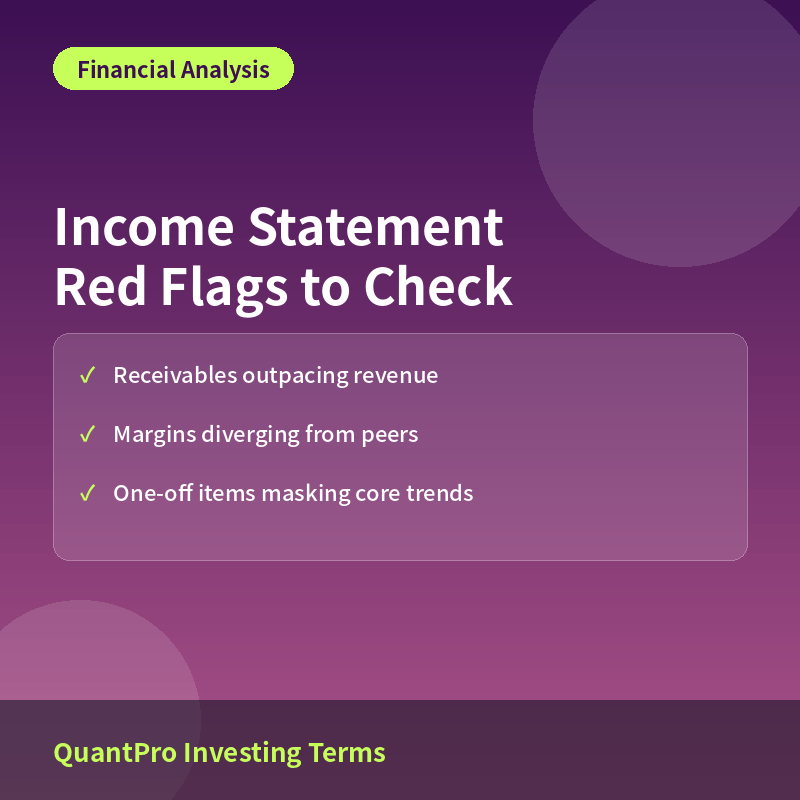
Red Flag 1: Receivables Growing Faster Than Revenue
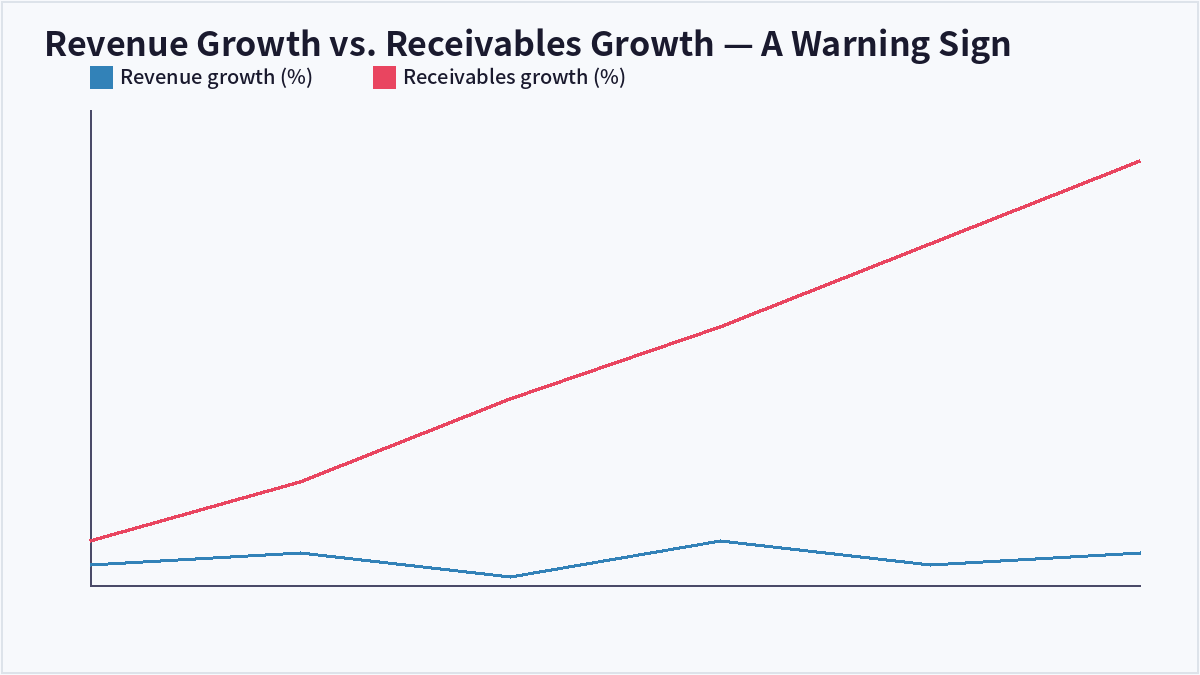
When accounts receivable consistently grows faster than revenue over several quarters, it can indicate the company is recognizing sales that customers haven’t actually paid for yet, sometimes through aggressive channel stuffing to inflate reported figures. Comparing receivables growth to revenue growth over a trailing four-quarter window is a simple but effective screen for this pattern.
Red Flag 2: Margins That Diverge From Industry Peers
A gross margin or operating margin that suddenly jumps well above industry peers without a clear operational explanation — a genuine cost advantage, pricing power, or product mix shift — is worth investigating rather than simply celebrating. Unusual margin expansion can sometimes stem from aggressive expense capitalization or other accounting choices that flatter near-term profitability at the expense of accuracy.
Red Flag 3: Recurring ‘One-Off’ Items
A single one-time charge is normal business activity, but a company that reports ‘non-recurring’ or ‘exceptional’ items in nearly every quarter is effectively using those labels to smooth out an underlying earnings trend that would look considerably worse on a strictly consistent basis. Tracking whether adjusted (non-GAAP) earnings consistently and significantly exceed GAAP earnings over time is a useful cross-check.
| Red Flag | What to Check | Where to Find It |
|---|---|---|
| Receivables outpacing revenue | Trailing 4-quarter growth comparison | Income statement + balance sheet |
| Unusual margin expansion | Compare to 3-5 industry peers | Income statement, peer filings |
| Frequent ‘one-off’ items | Frequency of adjusted vs. GAAP gap | Earnings releases, footnotes |
Frequently Asked Questions
Is a growing receivables balance always a bad sign?
No — a fast-growing business naturally sees receivables grow too, since more sales on credit terms is a normal byproduct of expansion. The specific warning sign is receivables growth persistently and significantly outpacing revenue growth, not simply growing receivables in isolation.
How can I check operating cash flow against reported earnings?
The cash flow statement, filed alongside the income statement in quarterly and annual reports, shows operating cash flow directly — comparing it to net income over several quarters is a straightforward way to see whether reported profit is being backed by actual cash generation.
Are these checks something individual investors can realistically do?
Yes — all the figures needed (revenue, receivables, cash flow, margins) are available in standard quarterly and annual filings, and the comparisons themselves are simple arithmetic, though gathering several years of consistent data does take some time.
Does finding one red flag mean the company is committing fraud?
Not necessarily — a single flag can have an innocent explanation tied to normal business seasonality or a specific one-time event. The concern grows when multiple red flags appear together and persist across several consecutive quarters.
Key Takeaways
Reported earnings can diverge from the underlying cash-generating reality of a business, so checking receivables growth against revenue growth, comparing margins to industry peers, and tracking the frequency of ‘one-off’ adjustments together provides a more reliable read than taking the headline income statement figures at face value. This article is for informational purposes only and does not constitute investment advice.

QuantPro: AI Finds the Trade Before You Do
From AI-powered chart analysis to real-time market intelligence — everything a serious investor needs, in one platform.
- Automated AI chart analysis with precision trend timing
- Bull Radar: real-time visualization of geopolitical & economic shifts
- Live market-moving news and insights, curated for you
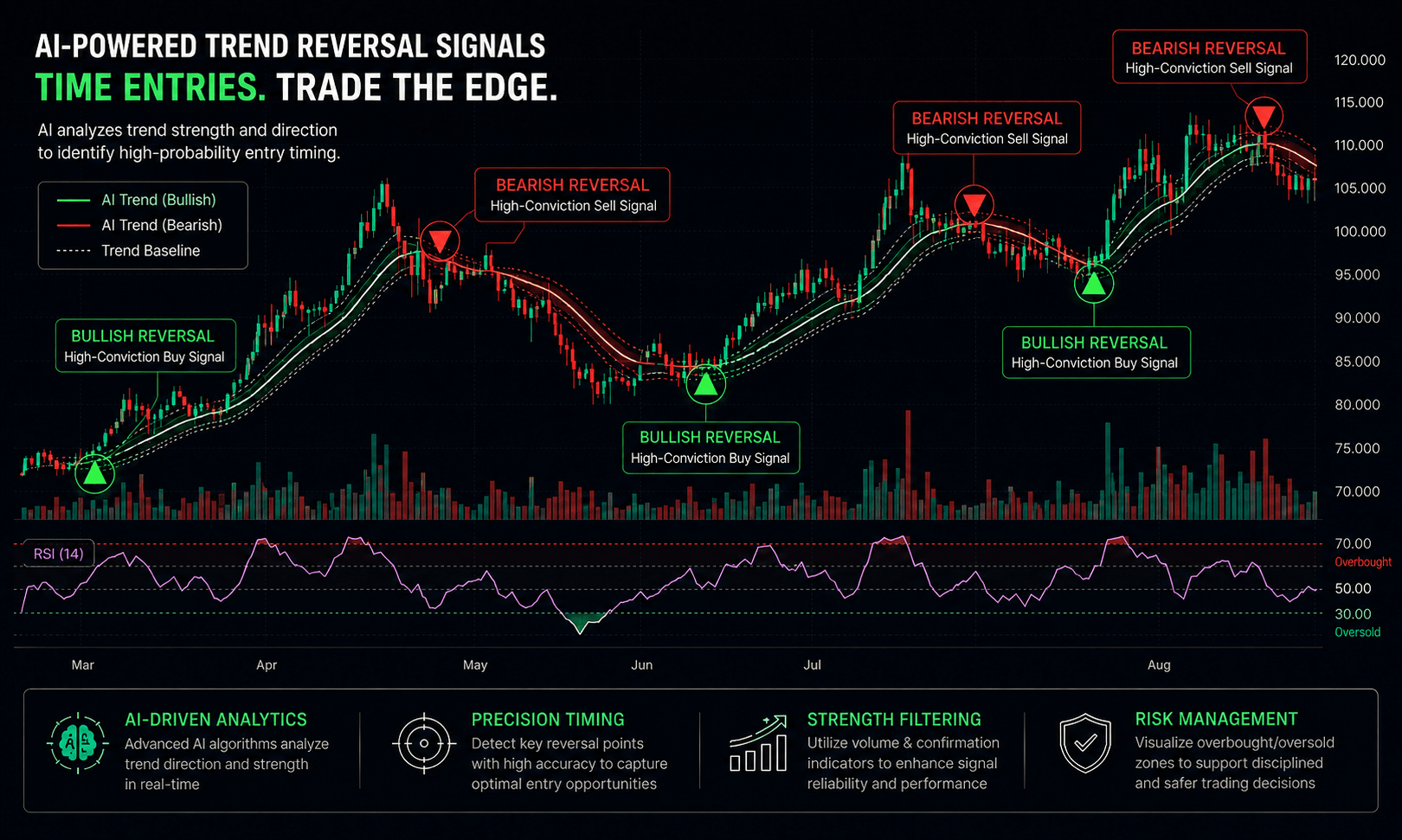
Bull Wave / Bear Wave Forecast Model
Engineered to help you read market direction and momentum faster than the crowd.
- Instantly separate bullish momentum from bearish pressure
- Pinpoint high-probability entry zones with confidence
- Chart signals clear enough for beginners, sharp enough for pros
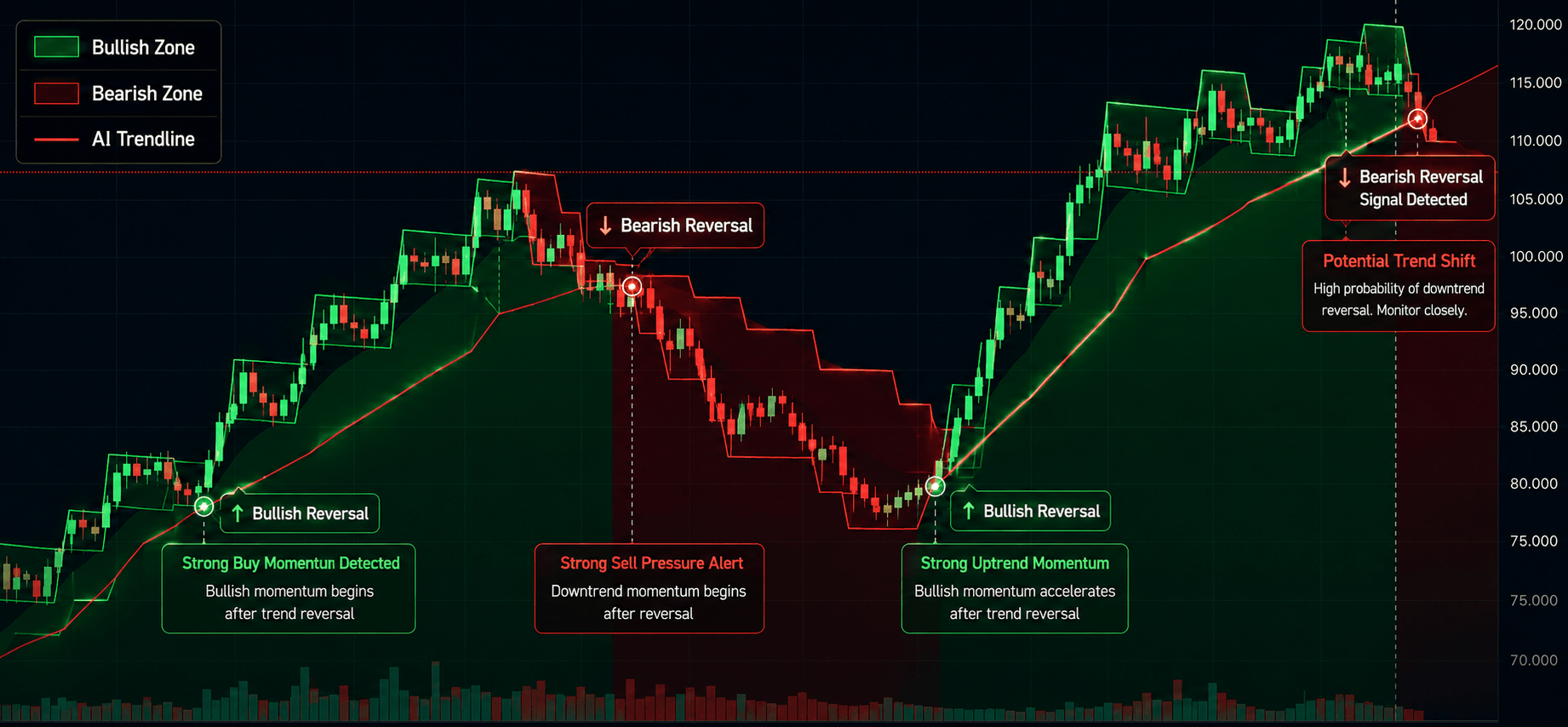
Winning Pattern Detection
Instantly surfaces the high-probability setups that repeat across the charts — a trusted edge for timing your entries and exits.
- Spot momentum building in real time
- Catch trend-reversal points before they break
- Built for active traders who need results, not theory
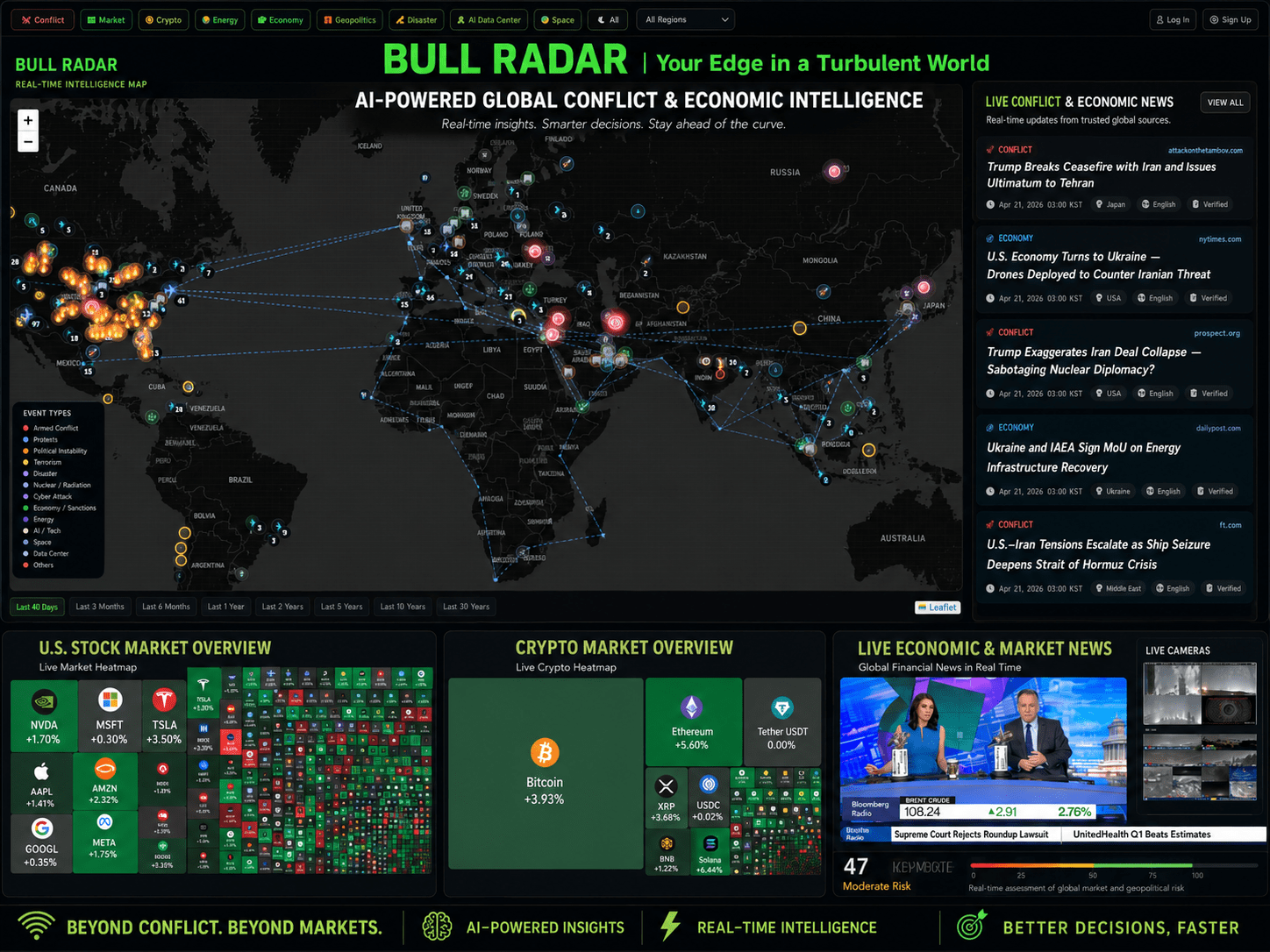
AI Live Economic Dashboard
AI analyzes real-time market data — turning complex, global investment flows into clear insight in seconds.
- Track global stock markets in real time
- See exactly which assets are strong — and which are fading
- Watch how geopolitical events move the markets
About the Author