What Is Preferred Stock
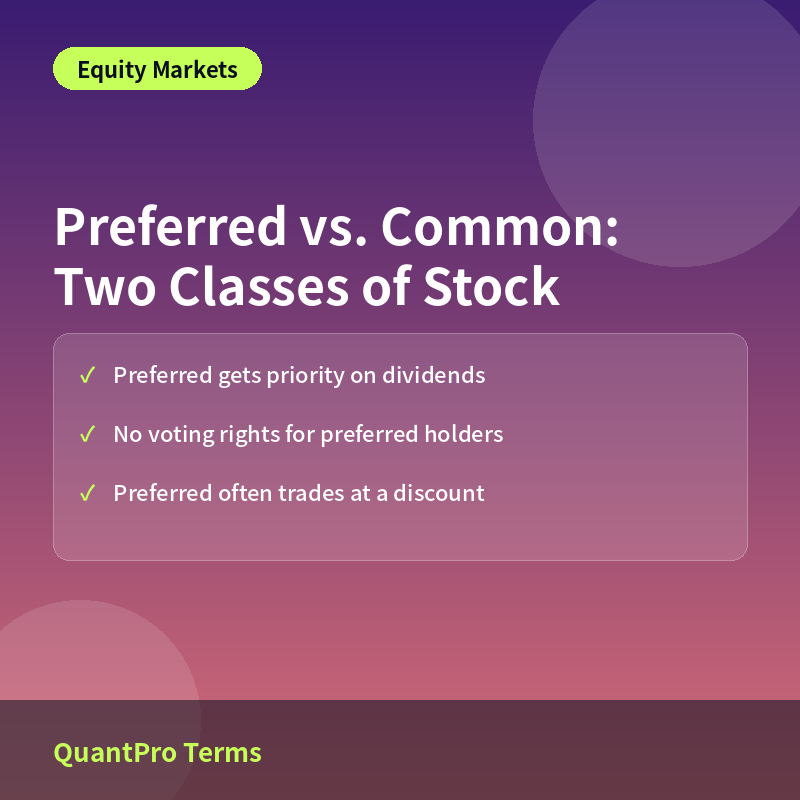
Preferred stock is a class of shares that gets priority over common stock when it comes to dividend payments and asset distribution if a company is liquidated, but in exchange, preferred shareholders typically give up voting rights at annual meetings. It’s designed for investors who prioritize steady income over a say in company decisions.
Preferred shares are often structured to pay a fixed dividend rate set at issuance, which can make them behave somewhat like a bond in terms of predictable income, even though they remain legally classified as equity.
Why Preferred Stock Trades at a Discount
Because preferred shares lack voting rights and typically trade with lower volume than common stock, they often trade at a lower price than the company’s common shares — a gap sometimes called the ‘preferred discount.’ This discount reflects a tradeoff between the appeal of a steady dividend and the drawbacks of reduced control and liquidity.
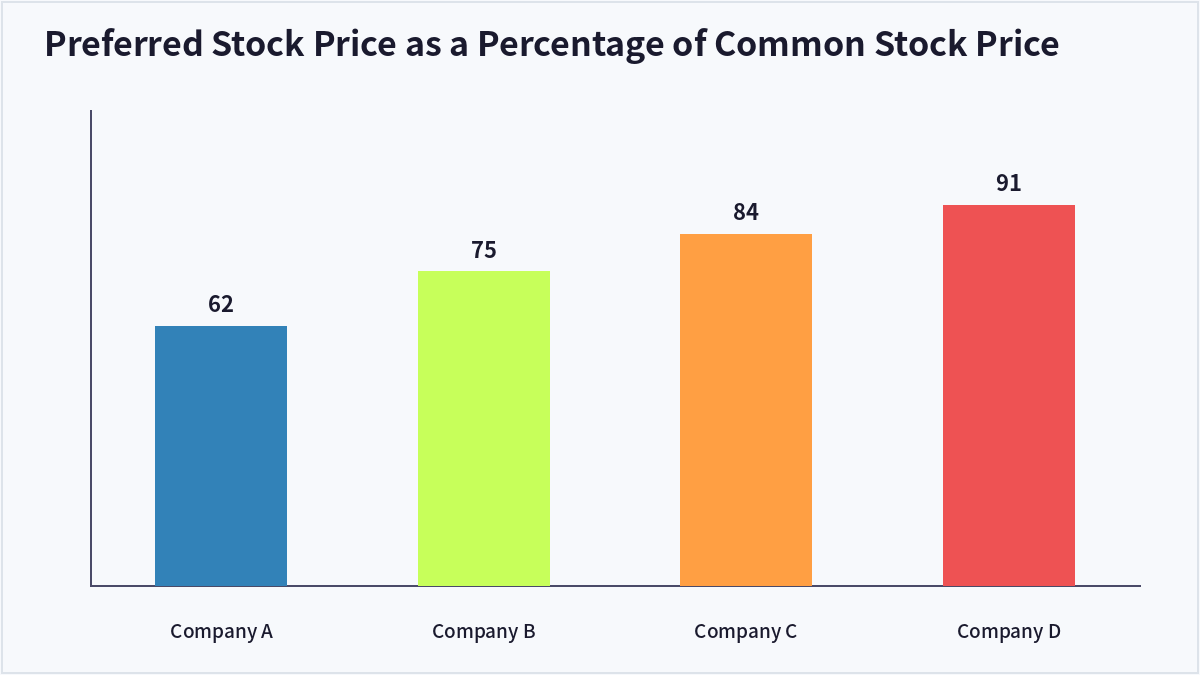
Looking at real examples, preferred-to-common price ratios can range from roughly 60% to 90% depending on the company, with the discount typically narrowing as dividend appeal strengthens.
What to Check Before Investing in Preferred Stock
It’s important to check whether preferred shares are cumulative or non-cumulative. Cumulative preferred stock carries forward any missed dividend payments to be paid later, while non-cumulative preferred stock simply forfeits any dividend that’s skipped in a given year.
Because preferred shares tend to trade with lower liquidity, bid-ask spreads can be wider than for common stock, making them generally better suited to income-focused, longer-term holding rather than active short-term trading.
| Feature | Preferred Stock | Common Stock |
|---|---|---|
| Voting rights | None | Yes |
| Dividend priority | Paid first, often fixed and higher | Paid after preferred |
| Price | Often trades at a discount | Reference price |
| Best suited for | Income-focused investors | Voting power and capital gains |
Frequently Asked Questions
Can preferred stock still gain value?
Yes — preferred shares trade freely on the market and can appreciate in price, though they typically trade with lower volume, which can lead to sharper price swings than common stock.
Does preferred stock always pay a higher dividend?
Typically it’s structured to pay more than common stock under the company’s charter, but dividend policies vary by company, so it’s important to check the specific terms and payment history.
What is convertible preferred stock?
It’s preferred stock that can be converted into common stock under specified conditions, appealing to investors who want steady income now with the option to gain voting rights and upside later.
When does the preferred discount widen?
The discount tends to widen when dividend appeal weakens relative to alternatives, or when overall market liquidity declines and thinly traded preferred shares see even less trading interest.
Key Takeaways
Preferred stock trades priority on dividends for the absence of voting rights, making it appealing to income-focused investors, while common stock offers control and typically greater upside potential. Comparing the price gap and dividend policy between the two is key to evaluating a preferred share investment. This article is for informational purposes only and does not constitute investment advice.

QuantPro: AI Finds the Trade Before You Do
From AI-powered chart analysis to real-time market intelligence — everything a serious investor needs, in one platform.
- Automated AI chart analysis with precision trend timing
- Bull Radar: real-time visualization of geopolitical & economic shifts
- Live market-moving news and insights, curated for you
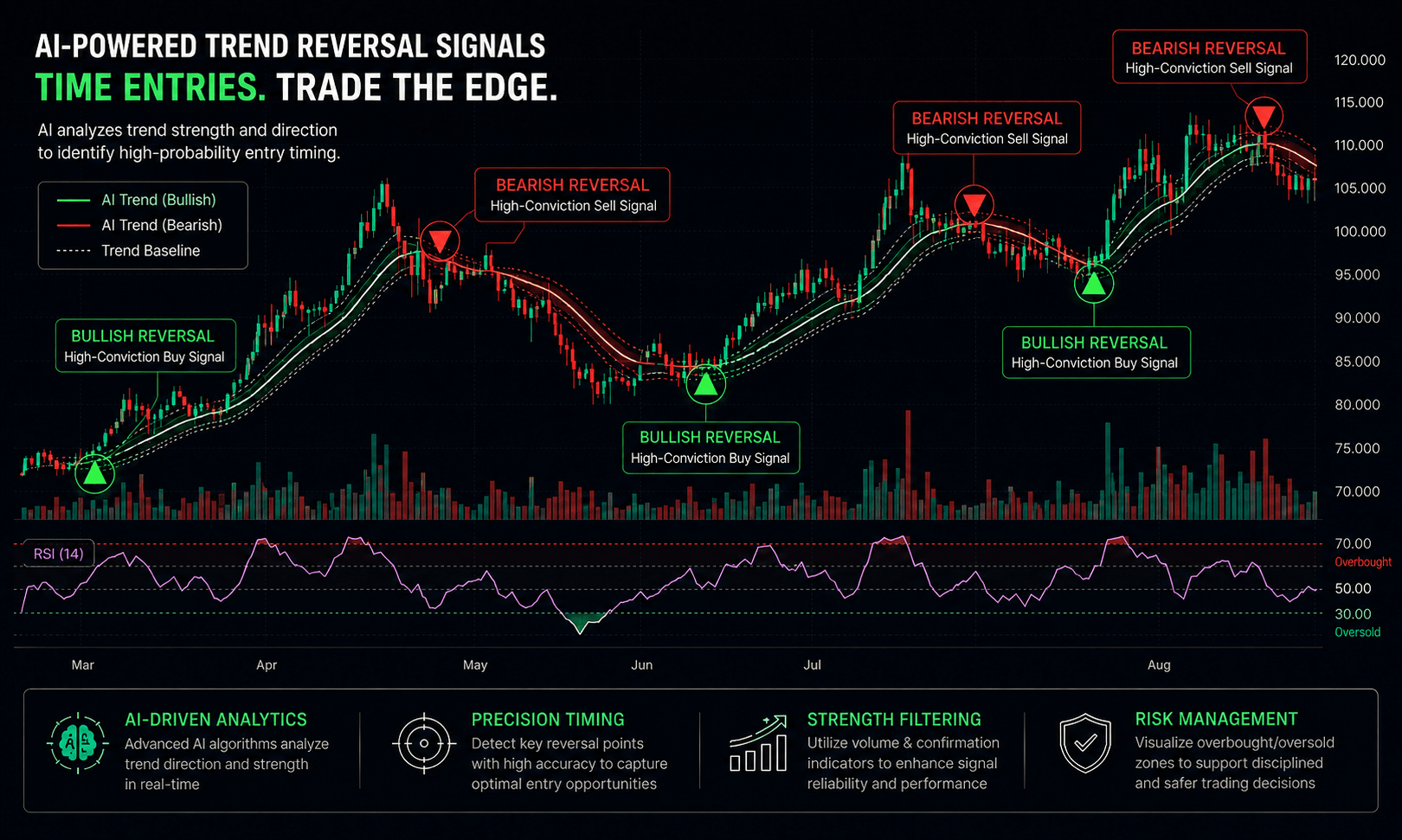
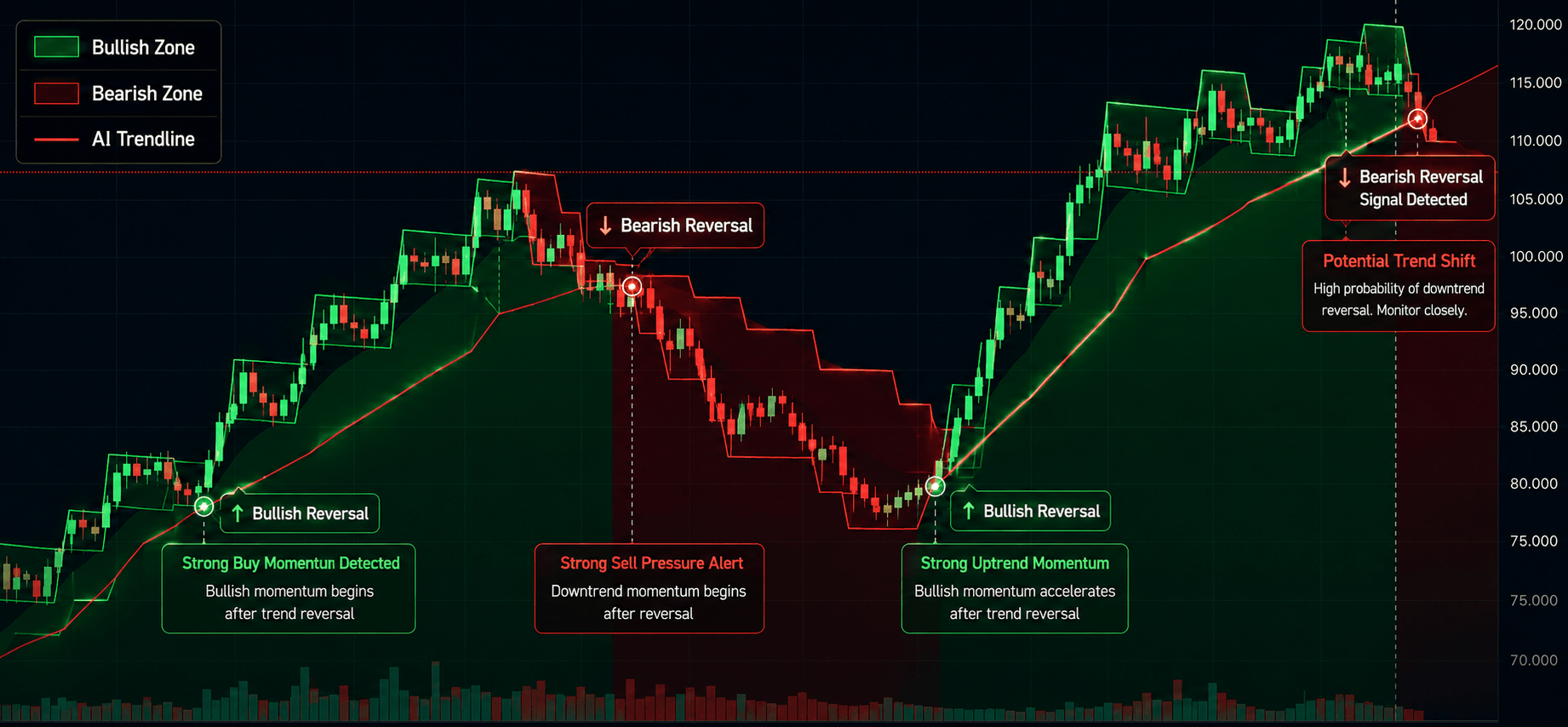
Bull Wave / Bear Wave Forecast Model
Engineered to help you read market direction and momentum faster than the crowd.
- Instantly separate bullish momentum from bearish pressure
- Pinpoint high-probability entry zones with confidence
- Chart signals clear enough for beginners, sharp enough for pros
Winning Pattern Detection
Instantly surfaces the high-probability setups that repeat across the charts — a trusted edge for timing your entries and exits.
- Spot momentum building in real time
- Catch trend-reversal points before they break
- Built for active traders who need results, not theory

AI Live Economic Dashboard
AI analyzes real-time market data — turning complex, global investment flows into clear insight in seconds.
- Track global stock markets in real time
- See exactly which assets are strong — and which are fading
- Watch how geopolitical events move the markets
About the Author