What Are Employee Stock Options
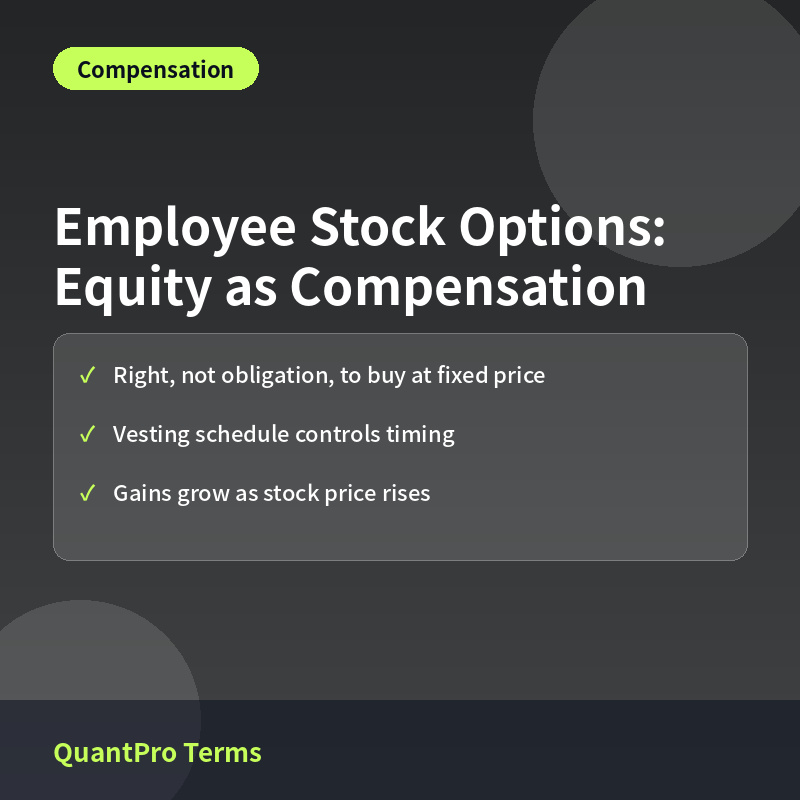
Employee stock options grant staff the right — but not the obligation — to purchase company shares at a fixed price, known as the strike or exercise price, at a future date. If the stock trades below the strike price, employees simply don’t exercise the option; if it trades above, they can buy at the discounted strike price and capture the difference as profit.
For example, an employee holding options with a $10 strike price who exercises when the stock trades at $30 can buy shares at $10 and immediately realize $20 per share in value, before taxes.
How Vesting Schedules Work
Most stock options aren’t immediately exercisable — they vest over time, typically requiring continued employment. A common structure is a four-year vesting schedule with a one-year ‘cliff,’ after which 25% vests and the remainder vests monthly or quarterly over the following three years.
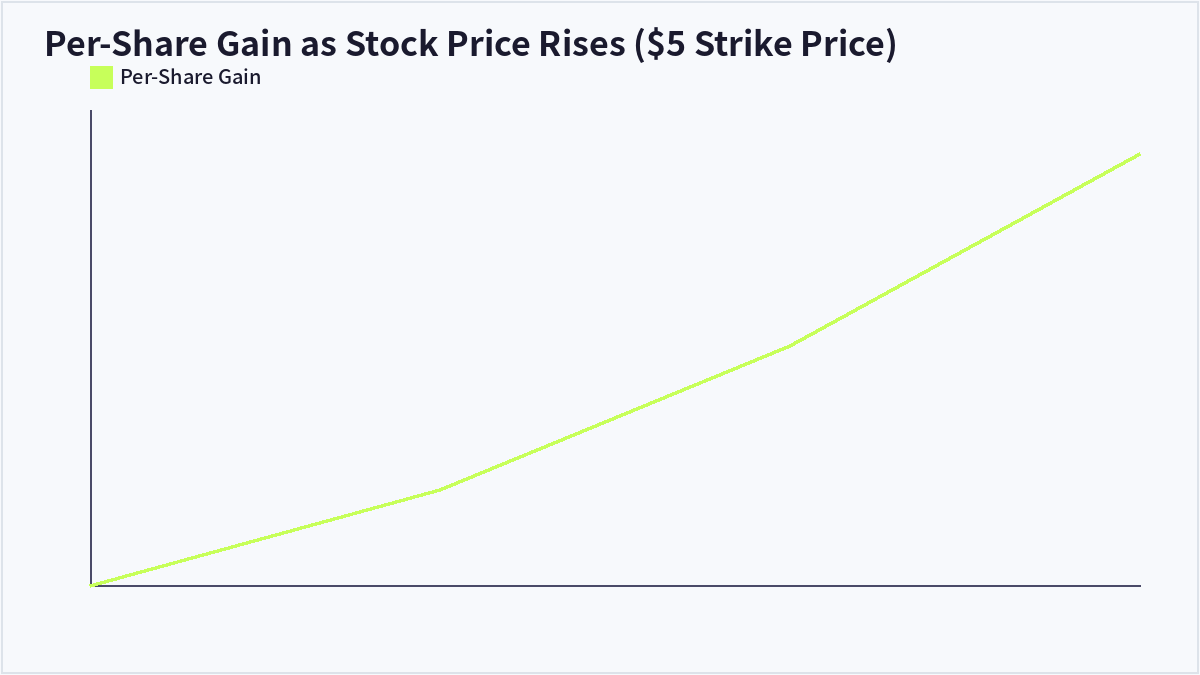
Consider a hypothetical startup employee granted options with a $5 strike price. As the stock rises from $15 to $30 to $50 after various vesting and liquidity milestones, the per-share gain grows correspondingly from $10 to $25 to $45.
Taxes and Practical Considerations
In the U.S., how stock options are taxed depends on whether they’re incentive stock options (ISOs) or non-qualified stock options (NSOs), with different rules for ordinary income tax versus capital gains treatment and, for ISOs, potential alternative minimum tax (AMT) implications. The specific tax treatment can significantly affect the real value of an option grant, so reviewing the details with a tax professional is worthwhile.
For employees, stock options align personal incentives with company growth and offer meaningful upside if the company succeeds; for employers, they conserve cash while helping attract and retain talent, which is why they’re especially common at early-stage startups.
| Stage | Stock Price | Strike Price | Per-Share Gain |
|---|---|---|---|
| Grant date | $5 | $5 | $0 |
| After 1st vest | $15 | $5 | $10 |
| Post-IPO | $30 | $5 | $25 |
| Later rally | $50 | $5 | $45 |
Frequently Asked Questions
How are stock options different from RSUs?
Stock options give the right to buy shares at a fixed strike price, so they’re worthless if the stock falls below that price. Restricted Stock Units (RSUs) are granted outright once vested, guaranteeing some value regardless of price movement.
What happens to my options if I leave the company?
Unvested options are typically forfeited, and vested options usually must be exercised within a limited window (often 90 days) after departure or they expire. Always check your company’s specific plan documents before leaving.
Do I lose money if the stock falls below my strike price?
No direct cash loss occurs since options are a right, not an obligation — you simply choose not to exercise. The opportunity cost is the lost potential value, not an out-of-pocket loss.
Are private company options worth anything before an IPO?
They only become liquid through an IPO, acquisition, or secondary sale, so private company options carry more uncertainty and less liquidity than options in a publicly traded company.
Key Takeaways
Employee stock options give staff the right to buy company shares at a fixed price, tying personal rewards to company growth. Understanding your vesting schedule, strike price, and applicable tax treatment is essential to evaluating what your options are really worth. This article is for informational purposes only and does not constitute investment advice.

QuantPro: AI Finds the Trade Before You Do
From AI-powered chart analysis to real-time market intelligence — everything a serious investor needs, in one platform.
- Automated AI chart analysis with precision trend timing
- Bull Radar: real-time visualization of geopolitical & economic shifts
- Live market-moving news and insights, curated for you
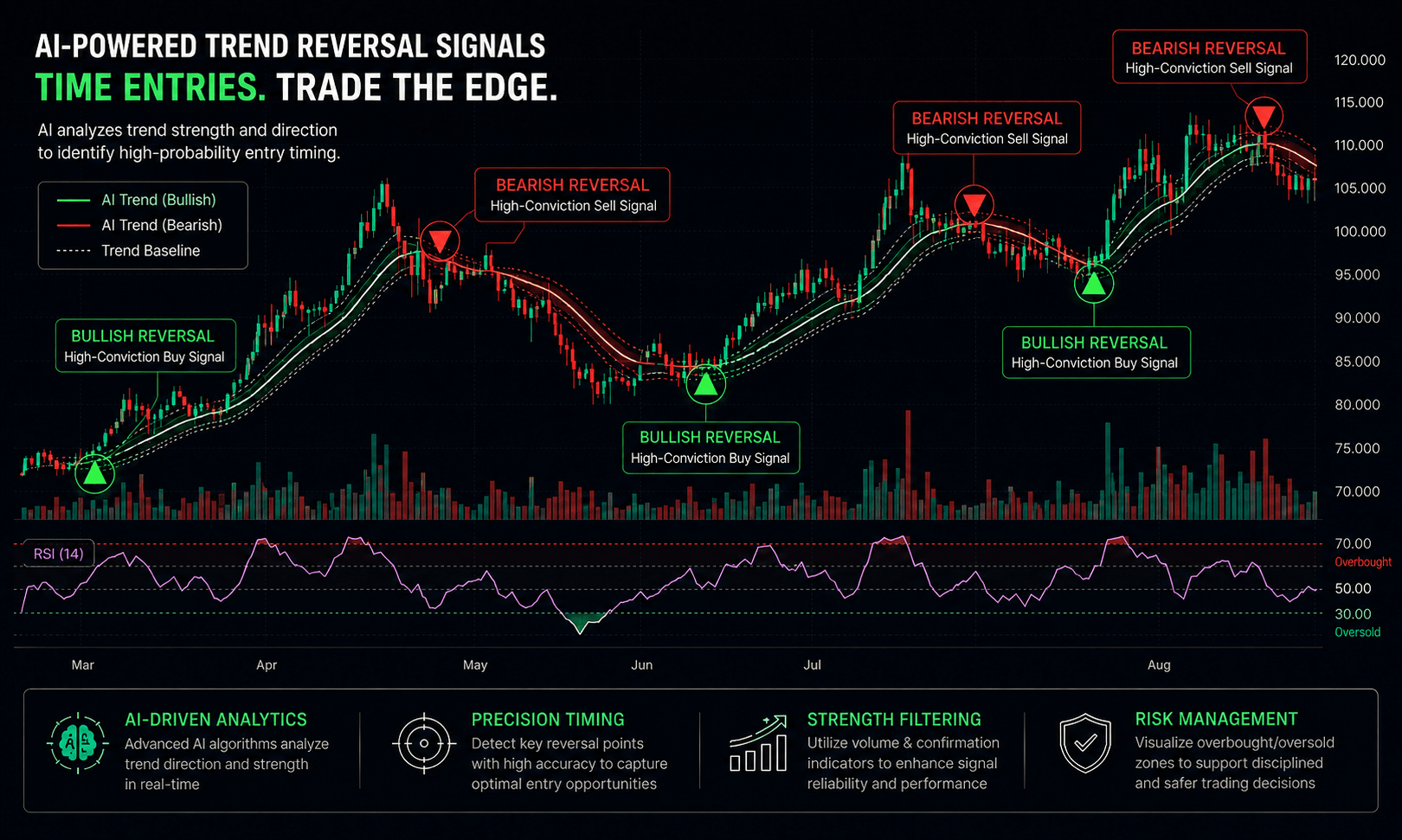
Bull Wave / Bear Wave Forecast Model
Engineered to help you read market direction and momentum faster than the crowd.
- Instantly separate bullish momentum from bearish pressure
- Pinpoint high-probability entry zones with confidence
- Chart signals clear enough for beginners, sharp enough for pros
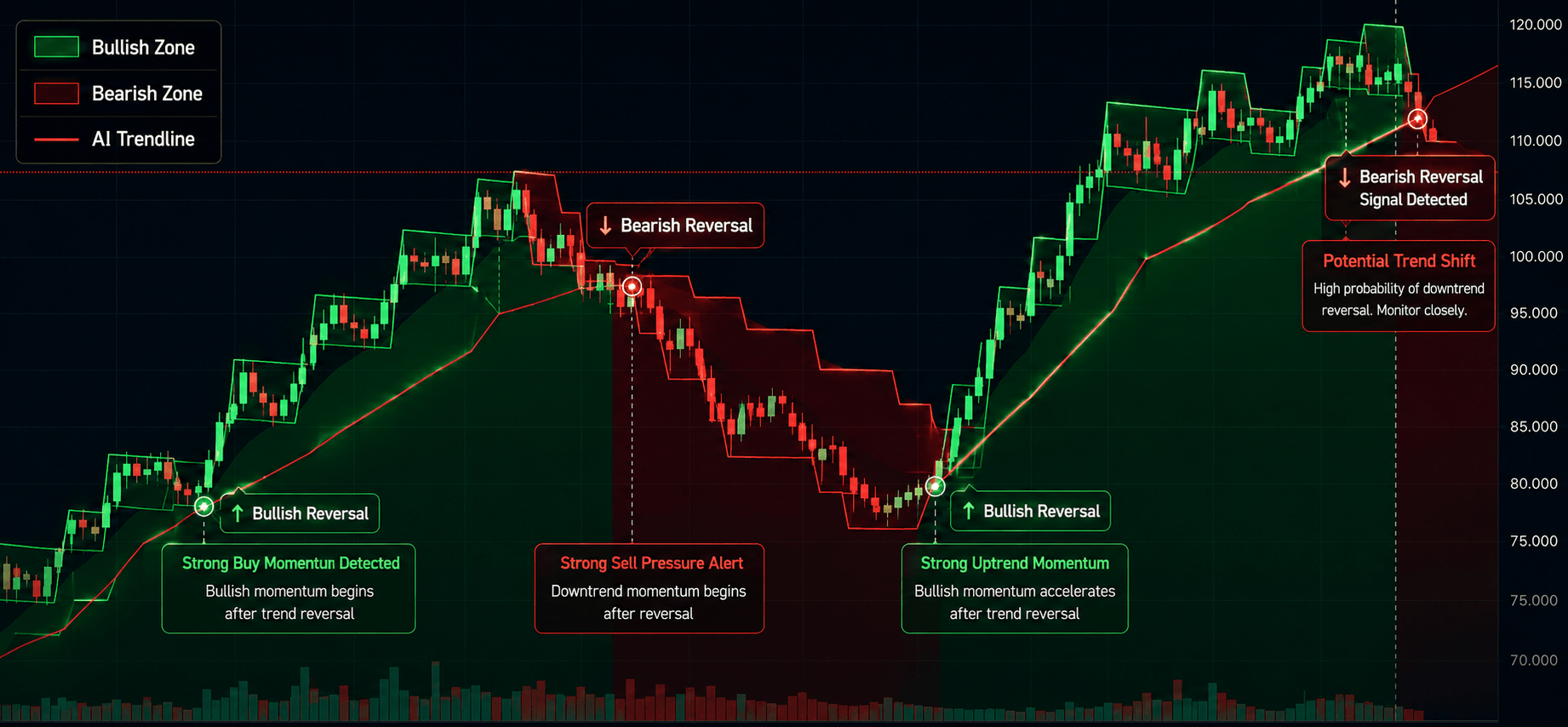
Winning Pattern Detection
Instantly surfaces the high-probability setups that repeat across the charts — a trusted edge for timing your entries and exits.
- Spot momentum building in real time
- Catch trend-reversal points before they break
- Built for active traders who need results, not theory
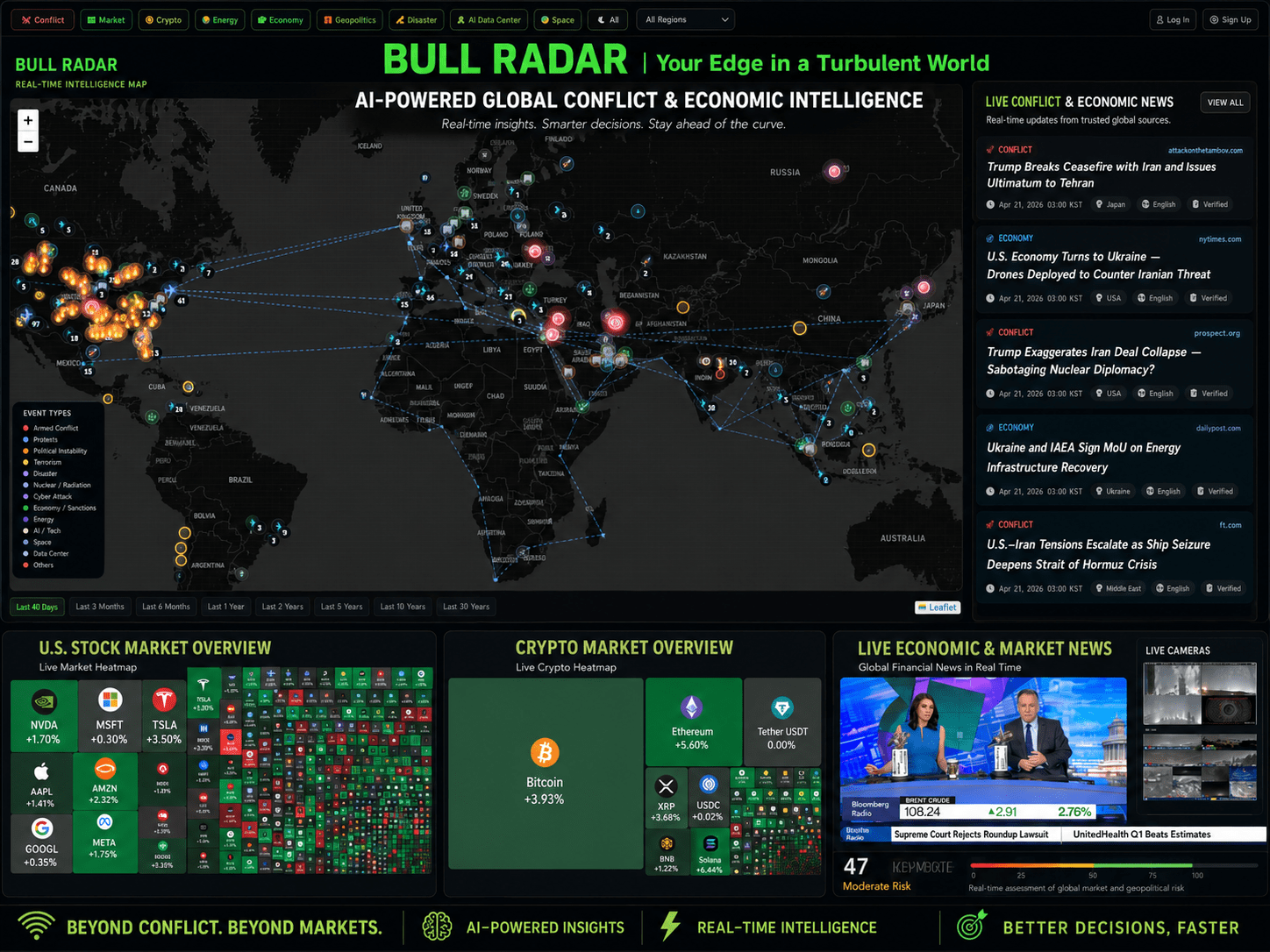
AI Live Economic Dashboard
AI analyzes real-time market data — turning complex, global investment flows into clear insight in seconds.
- Track global stock markets in real time
- See exactly which assets are strong — and which are fading
- Watch how geopolitical events move the markets
About the Author