What Risk Parity Means
Risk parity is a portfolio construction approach that allocates capital so each asset class contributes roughly equally to the portfolio’s total risk (volatility), rather than allocating an equal — or arbitrarily chosen — dollar amount to each asset. Because stocks are historically far more volatile than bonds, a traditional dollar-weighted portfolio ends up with the vast majority of its risk coming from its equity allocation, even if bonds make up a meaningful dollar share.
How It Differs From a Traditional 60/40 Portfolio
A classic 60% stocks / 40% bonds portfolio looks balanced in dollar terms, but in practice, roughly 90% of its volatility often comes from the equity sleeve. Risk parity corrects for that by substantially increasing the dollar allocation to lower-volatility assets like bonds — sometimes to 70% or more — so that stocks and bonds (and, in more diversified versions, commodities and inflation-linked bonds) each contribute a comparable share of overall portfolio risk.

Why All-Weather Portfolios Add Leverage
Bridgewater’s All Weather portfolio, pioneered by Ray Dalio, is the best-known implementation of risk parity. Shifting so much capital into lower-volatility bonds balances risk, but it also drags down the portfolio’s expected return relative to a stock-heavy portfolio. To offset that, All Weather-style strategies typically apply leverage to the lower-risk asset sleeves, aiming to restore the portfolio’s expected return to a competitive level while keeping overall risk balanced across asset classes.
Built to Perform Across Economic Regimes
The ‘all weather’ framing comes from designing the portfolio around four economic regimes — combinations of rising or falling growth and rising or falling inflation — and holding assets (equities, long-duration bonds, inflation-linked bonds, commodities) that are each expected to perform relatively well in at least one of those regimes, so the whole portfolio isn’t dependent on correctly forecasting which regime comes next.
| Feature | Traditional 60/40 | Risk Parity (All Weather-Style) |
|---|---|---|
| Allocation basis | Dollar amount | Risk (volatility) contribution |
| Bond dollar weight | Relatively lower (40%) | Often substantially higher |
| Leverage | Typically none | Often applied to low-risk sleeves |
| Design goal | Simple diversification | Stable performance across regimes |
Frequently Asked Questions
Is risk parity always a safer strategy?
It tends to reduce drawdowns by spreading volatility more evenly across assets, but it isn’t immune to periods when multiple asset classes fall together — such as 2022, when both stocks and bonds declined sharply as interest rates rose, hurting risk parity’s bond-heavy allocation too.
Can individual investors replicate risk parity?
Precisely calculating risk contributions and applying leverage typically requires institutional infrastructure, but investors can approximate the underlying idea with broad diversification across stocks, bonds, commodities, and inflation-linked bonds, and several mutual funds and ETFs are explicitly built around risk parity concepts.
Isn’t leverage inherently risky in this context?
Applying leverage to lower-volatility assets like bonds is generally considered less risky than applying the same leverage to equities, which is the core logic behind the strategy — but leverage of any kind still amplifies losses if rates move sharply or funding costs rise unexpectedly.
Does risk parity outperform the stock market over time?
Not typically in strong equity bull markets, where its lower stock allocation tends to leave it behind a benchmark like the S&P 500. Its case rests more on smoother, more balanced performance across varied economic environments than on consistently beating equities.
Key Takeaways
Risk parity allocates capital based on each asset’s contribution to overall portfolio risk rather than by dollar amount, which in practice means shifting far more capital into bonds to match equities’ outsized volatility contribution. All Weather-style portfolios then apply leverage to the lower-risk sleeves to restore competitive expected returns, aiming for more balanced performance across different economic regimes rather than simply chasing the highest possible upside. This article is for informational purposes only and does not constitute investment advice.

QuantPro: AI Finds the Trade Before You Do
From AI-powered chart analysis to real-time market intelligence — everything a serious investor needs, in one platform.
- Automated AI chart analysis with precision trend timing
- Bull Radar: real-time visualization of geopolitical & economic shifts
- Live market-moving news and insights, curated for you
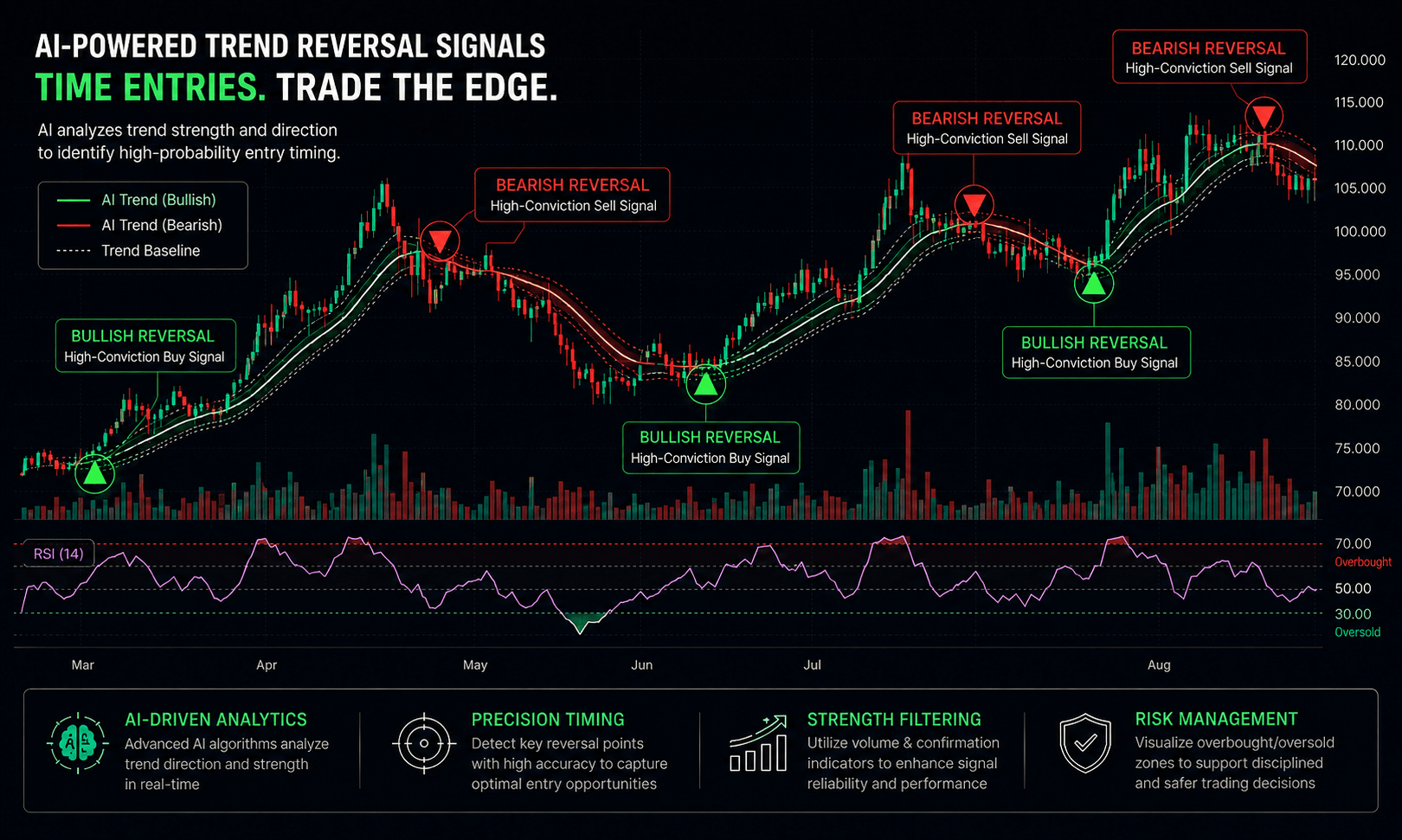
Bull Wave / Bear Wave Forecast Model
Engineered to help you read market direction and momentum faster than the crowd.
- Instantly separate bullish momentum from bearish pressure
- Pinpoint high-probability entry zones with confidence
- Chart signals clear enough for beginners, sharp enough for pros
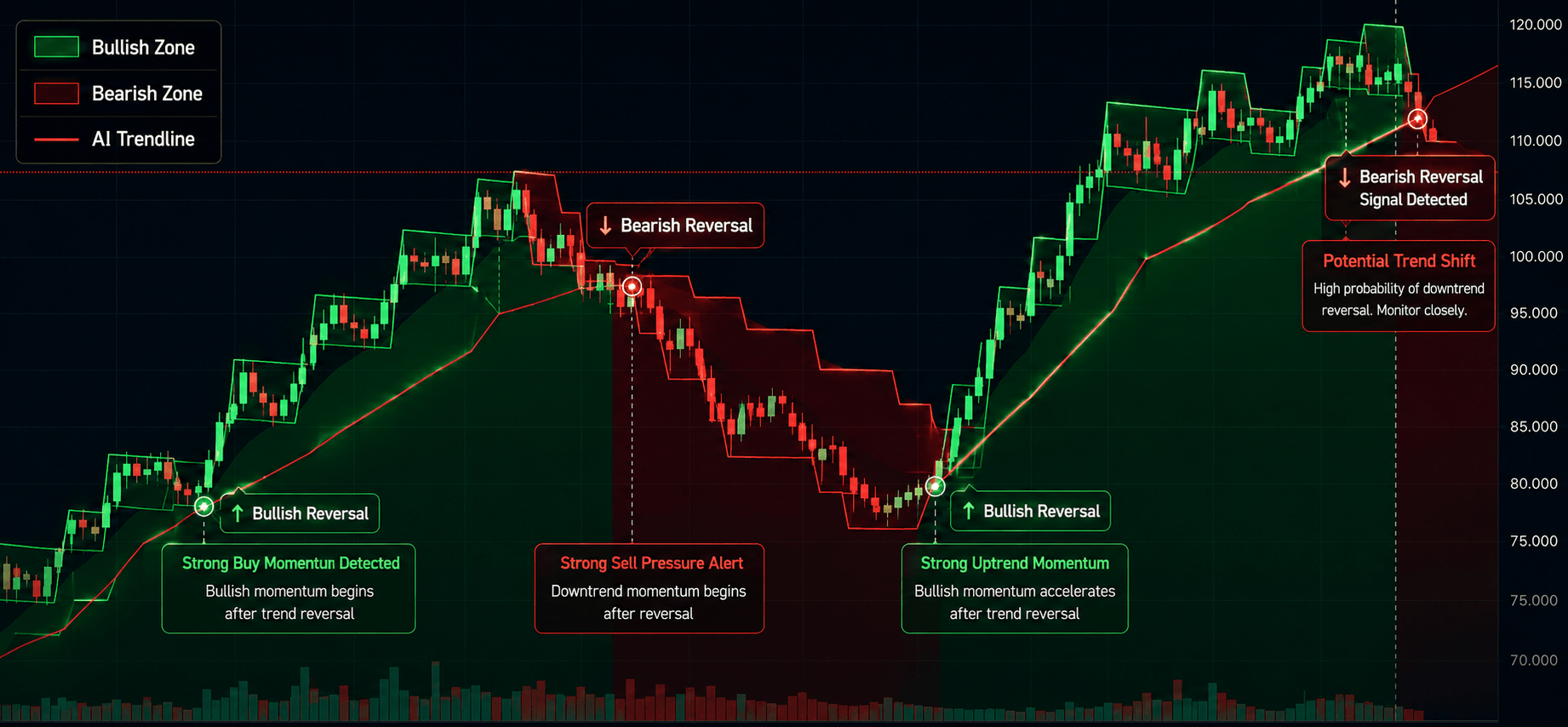
Winning Pattern Detection
Instantly surfaces the high-probability setups that repeat across the charts — a trusted edge for timing your entries and exits.
- Spot momentum building in real time
- Catch trend-reversal points before they break
- Built for active traders who need results, not theory
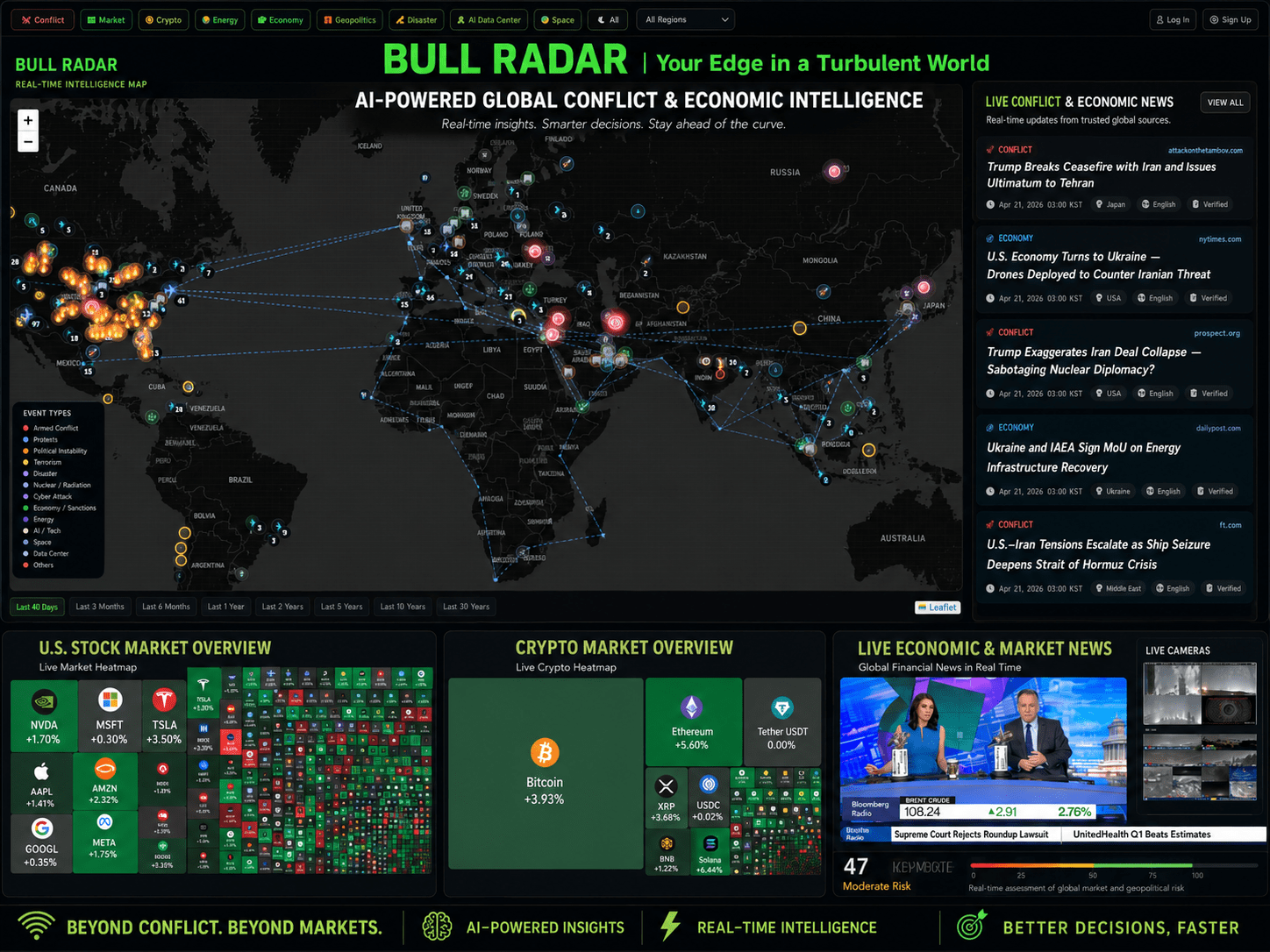
AI Live Economic Dashboard
AI analyzes real-time market data — turning complex, global investment flows into clear insight in seconds.
- Track global stock markets in real time
- See exactly which assets are strong — and which are fading
- Watch how geopolitical events move the markets
About the Author