What the Order Book Shows
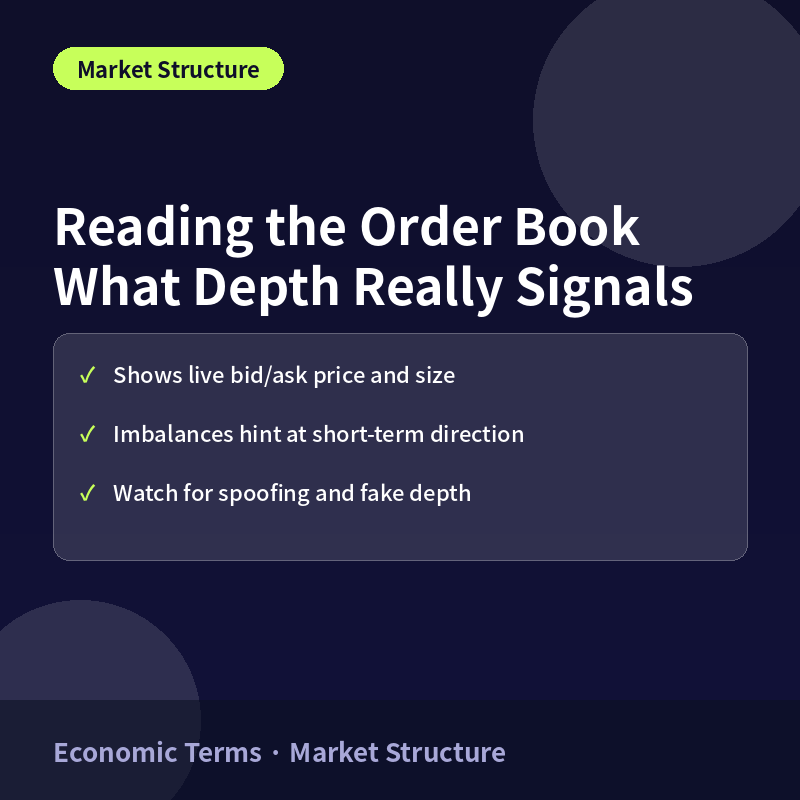
The order book displays, in real time, the prices and quantities at which market participants are currently willing to buy and sell a given security. Most trading screens show the top five to ten levels on each side, letting traders instantly see where volume is stacked and gauge where near-term buying and selling interest sits.
Reading Bid/Ask Imbalances
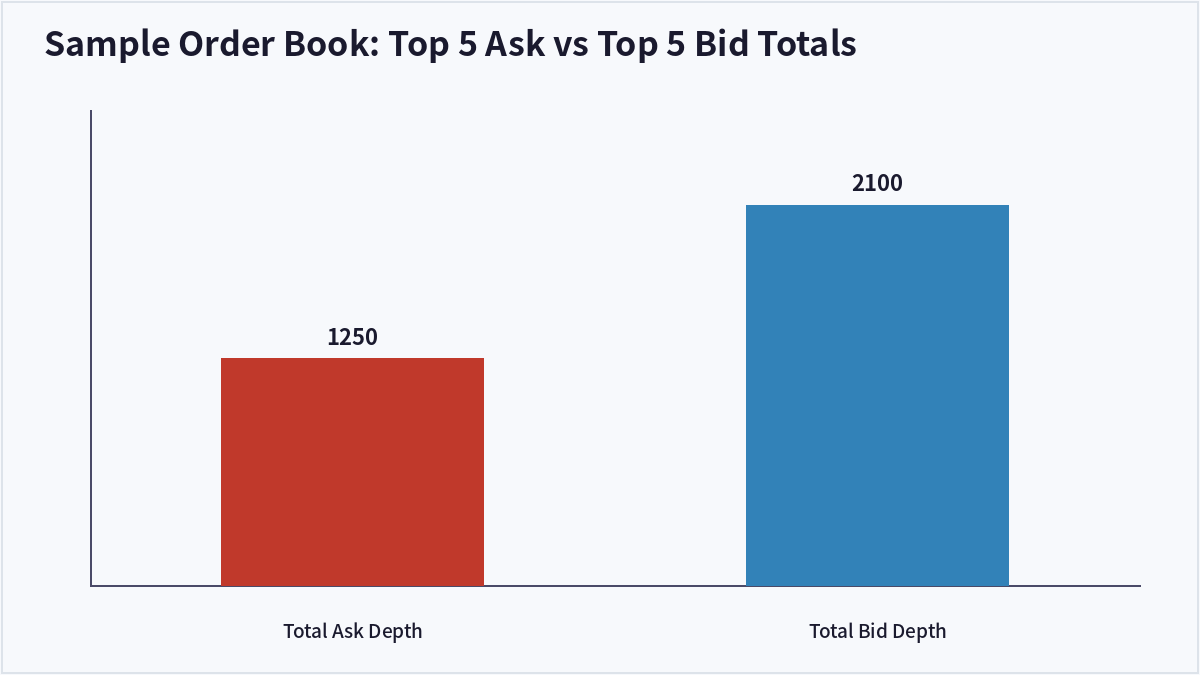
When total bid-side depth significantly exceeds ask-side depth, many traders interpret this as a sign that short-term buying pressure is dominant. The reverse — heavier ask-side depth — is generally read as selling pressure being in control for the moment.
Pitfalls to Watch For
| Pitfall | Explanation |
|---|---|
| Fake liquidity | Large resting orders posted with no real intent to trade, meant to influence perception |
| Spoofing | Cancelling orders right before execution to distort the apparent balance — an illegal practice in most jurisdictions |
| Snapshot limitation | Depth at any single instant can change dramatically within seconds |
Using the Order Book in a Balanced Way
Order book depth is a window into immediate buying and selling sentiment, not a guaranteed predictor of direction on its own. Watching whether large resting orders actually get filled — or vanish the moment price approaches them — adds a layer of confirmation that raw depth numbers alone can’t provide.
Frequently Asked Questions
Does heavy bid depth guarantee the price will rise?
No. Large resting bids can be posted without genuine intent to execute and canceled the moment price approaches, so depth alone shouldn’t be treated as a reliable directional signal.
Is spoofing illegal?
Placing and canceling ordinary orders is routine, but repeatedly posting large orders with the intent to manipulate perceived supply or demand — spoofing — is prohibited as market manipulation under securities law in most major markets.
Who benefits most from reading the order book?
Short-term and intraday traders rely on it most heavily for gauging immediate supply and demand; it matters far less for long-term, buy-and-hold investors.
How does order book depth differ from trading volume?
Depth reflects orders still waiting to be filled, representing potential future activity, while volume reflects trades that have already been executed — one looks forward, the other reports what already happened.
Key Takeaways
The order book shows live bid and ask prices and sizes, and imbalances between the two sides can offer a read on short-term buying or selling pressure. Because fake liquidity and spoofing are real risks, depth is best treated as one input alongside confirmation from actual fills rather than a standalone signal. This article is for informational purposes only and does not constitute investment advice.

QuantPro: AI Finds the Trade Before You Do
From AI-powered chart analysis to real-time market intelligence — everything a serious investor needs, in one platform.
- Automated AI chart analysis with precision trend timing
- Bull Radar: real-time visualization of geopolitical & economic shifts
- Live market-moving news and insights, curated for you
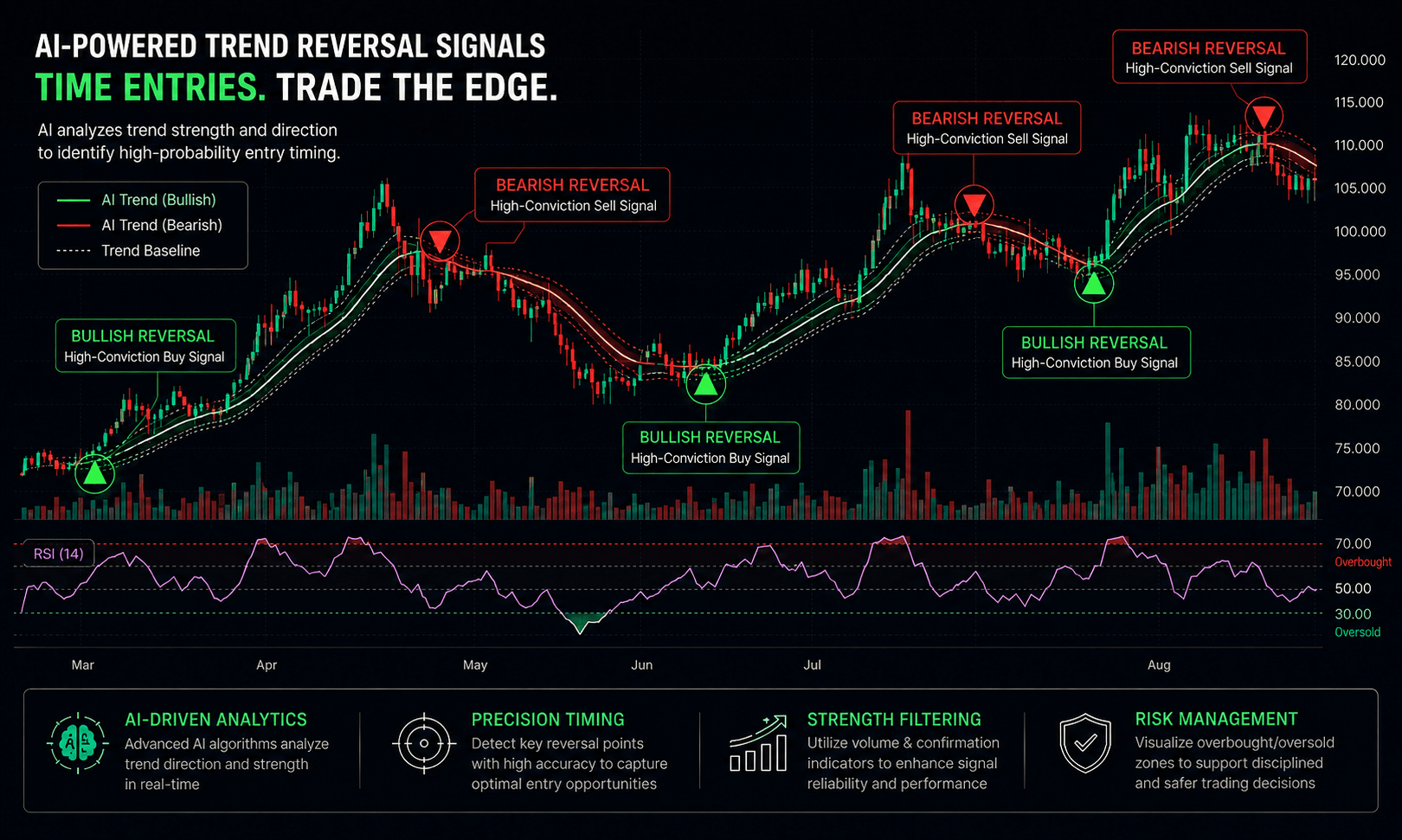
Bull Wave / Bear Wave Forecast Model
Engineered to help you read market direction and momentum faster than the crowd.
- Instantly separate bullish momentum from bearish pressure
- Pinpoint high-probability entry zones with confidence
- Chart signals clear enough for beginners, sharp enough for pros
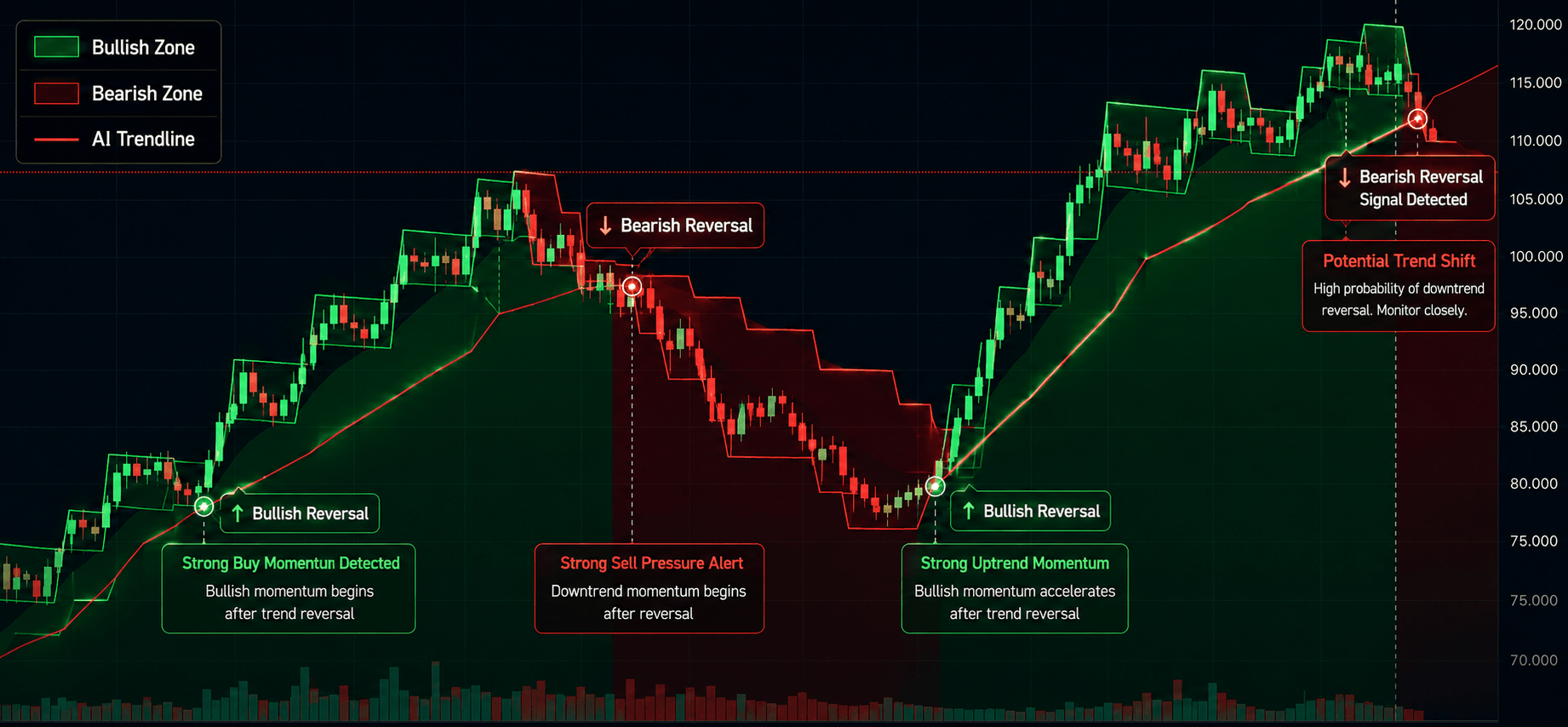
Winning Pattern Detection
Instantly surfaces the high-probability setups that repeat across the charts — a trusted edge for timing your entries and exits.
- Spot momentum building in real time
- Catch trend-reversal points before they break
- Built for active traders who need results, not theory
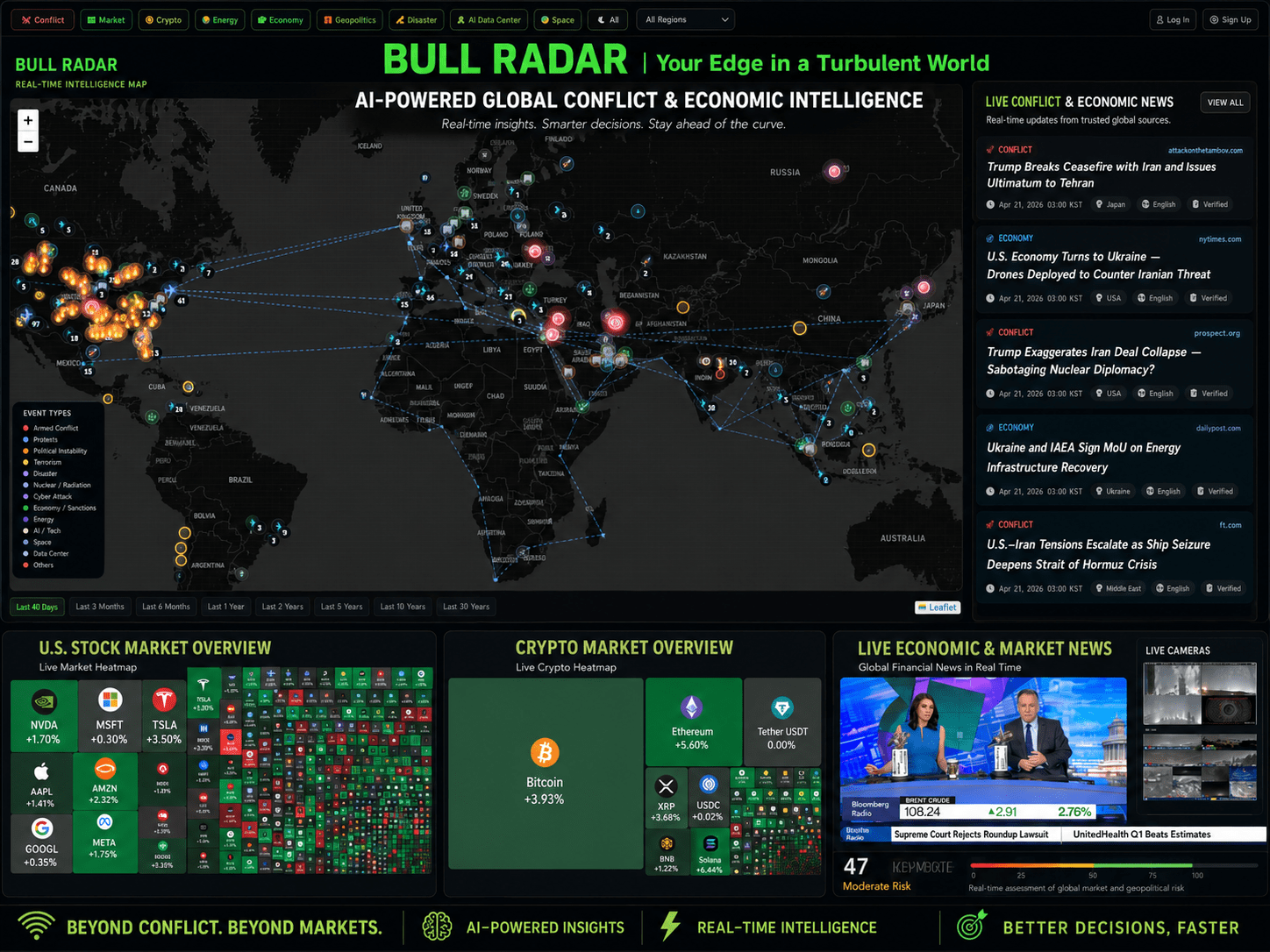
AI Live Economic Dashboard
AI analyzes real-time market data — turning complex, global investment flows into clear insight in seconds.
- Track global stock markets in real time
- See exactly which assets are strong — and which are fading
- Watch how geopolitical events move the markets
About the Author