What Is Portfolio Rebalancing?
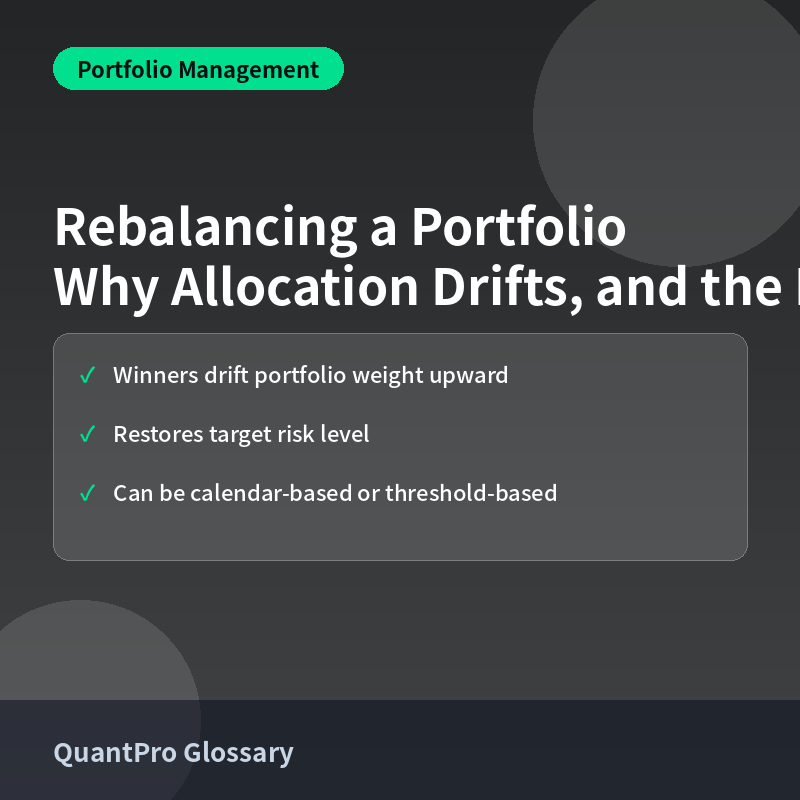
Rebalancing is the process of periodically buying and selling assets within a portfolio to restore its original target asset allocation, which naturally drifts over time as different asset classes grow at different rates. For example, if stocks significantly outperform bonds over a period, a portfolio’s stock allocation will gradually creep above its original target percentage, unintentionally increasing the portfolio’s overall risk level beyond what was originally intended.
Why Portfolios Drift Over Time
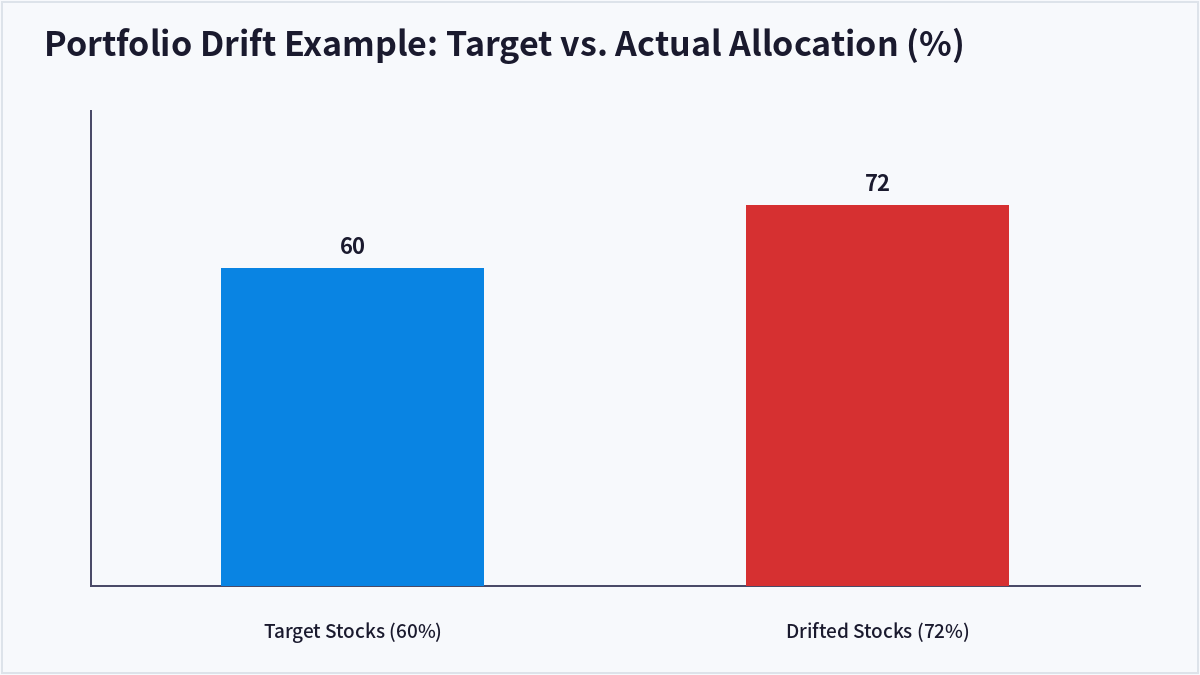
Because different asset classes rarely move in perfect lockstep, a portfolio’s actual composition will naturally diverge from its target allocation as time passes. A strong multi-year bull market in stocks, for instance, can cause a portfolio originally set at 60% stocks and 40% bonds to drift toward 70% stocks or higher, exposing the investor to more risk than their original plan called for.
Common Rebalancing Approaches
Calendar-Based Rebalancing
This approach involves rebalancing on a fixed schedule — such as annually or semi-annually — regardless of how far the portfolio has actually drifted, offering simplicity and predictability at the cost of potentially missing significant drift that occurs between scheduled dates.
Threshold-Based Rebalancing
This approach triggers a rebalance whenever an asset class drifts beyond a predetermined percentage point threshold (such as 5 percentage points) from its target, allowing the portfolio to respond more dynamically to market conditions rather than following a fixed calendar.
| Method | Trigger | Trade-off |
|---|---|---|
| Calendar-Based | Fixed schedule (e.g., annually) | Simple, but may miss interim drift |
| Threshold-Based | Allocation deviates by set amount | Responsive, but requires more monitoring |
Frequently Asked Questions
Does rebalancing guarantee better returns?
Not necessarily in every period — rebalancing is primarily a risk management discipline that keeps a portfolio aligned with its intended risk level, rather than a strategy specifically designed to maximize returns in every market environment.
Are there tax implications to rebalancing?
Yes, selling appreciated assets in a taxable account to rebalance can trigger capital gains taxes, which is why many investors prefer to rebalance within tax-advantaged retirement accounts when possible, or use new contributions to shift allocation without selling.
Can I rebalance without selling any assets?
Yes, directing new contributions toward the underweighted asset class is a common tax-efficient way to gradually rebalance a portfolio over time without needing to sell existing appreciated holdings.
How often do most financial advisors recommend rebalancing?
Many advisors suggest reviewing a portfolio’s allocation at least annually, though the specific frequency can depend on the investor’s account type, market volatility, and personal preference for a hands-on or hands-off approach.
Key Takeaways
Rebalancing restores a portfolio’s original target allocation after market movements cause it to drift, helping maintain an investor’s intended risk level over time. Common approaches include calendar-based and threshold-based methods, each with distinct trade-offs in simplicity versus responsiveness. This article is for informational purposes only and does not constitute investment advice.

QuantPro: AI Finds the Trade Before You Do
From AI-powered chart analysis to real-time market intelligence — everything a serious investor needs, in one platform.
- Automated AI chart analysis with precision trend timing
- Bull Radar: real-time visualization of geopolitical & economic shifts
- Live market-moving news and insights, curated for you
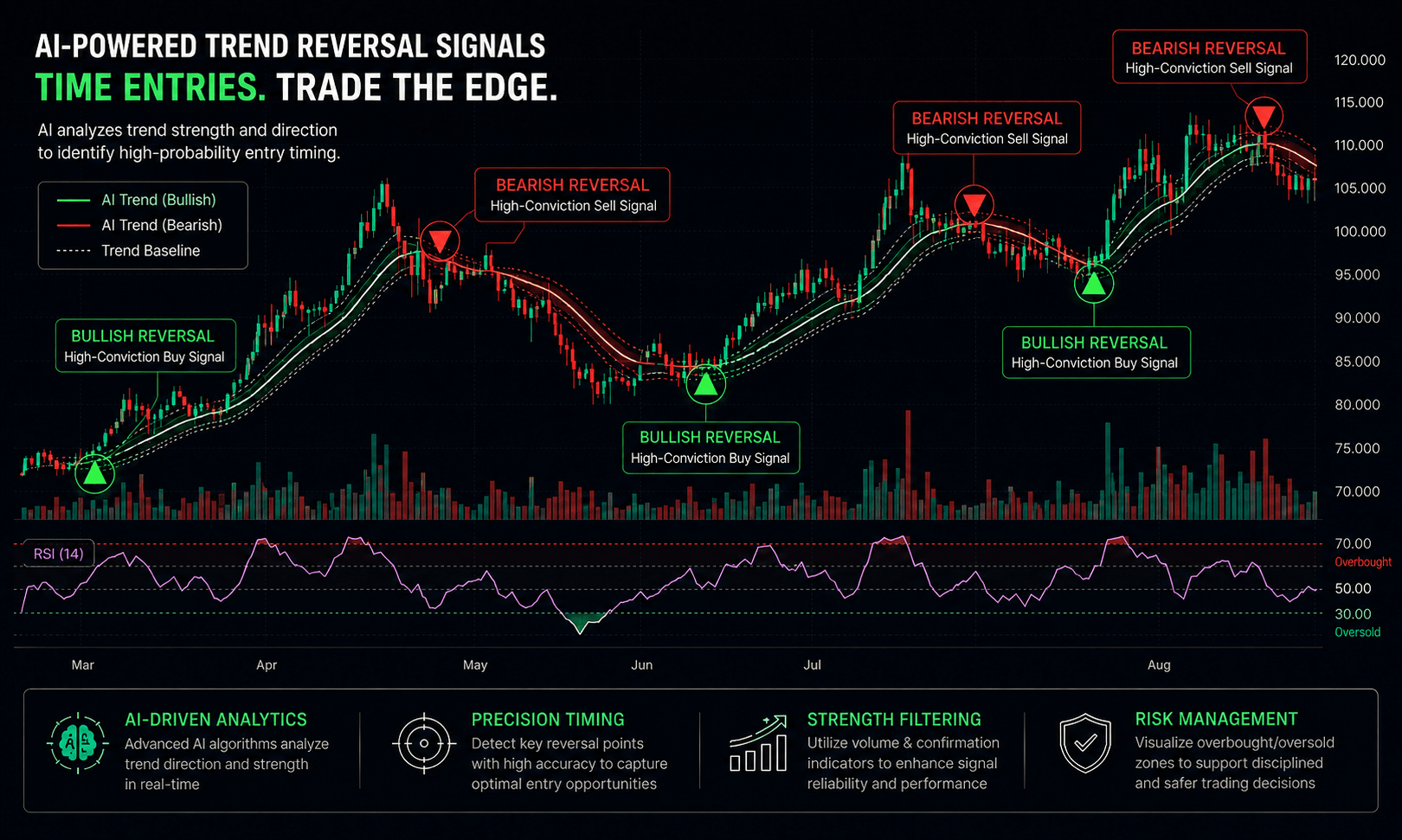
Bull Wave / Bear Wave Forecast Model
Engineered to help you read market direction and momentum faster than the crowd.
- Instantly separate bullish momentum from bearish pressure
- Pinpoint high-probability entry zones with confidence
- Chart signals clear enough for beginners, sharp enough for pros
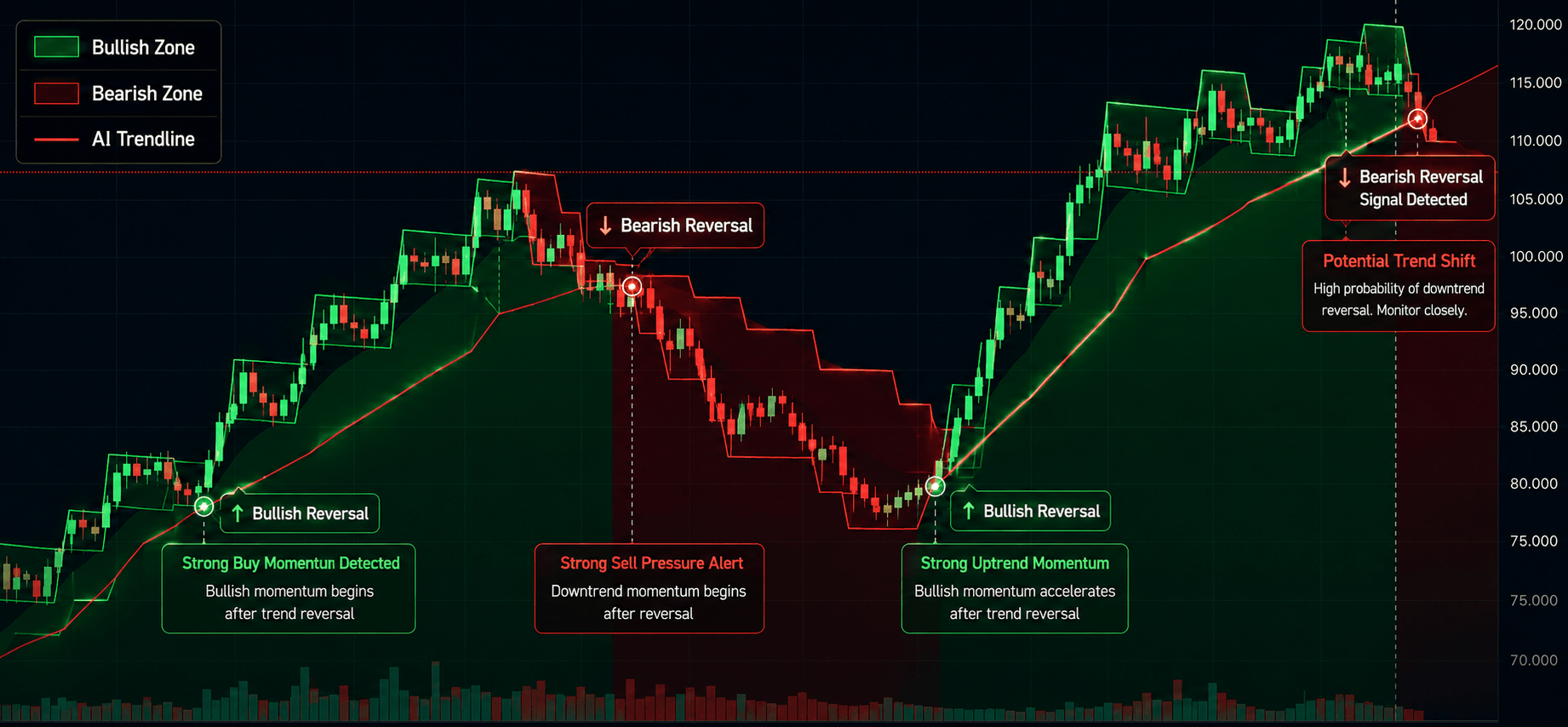
Winning Pattern Detection
Instantly surfaces the high-probability setups that repeat across the charts — a trusted edge for timing your entries and exits.
- Spot momentum building in real time
- Catch trend-reversal points before they break
- Built for active traders who need results, not theory
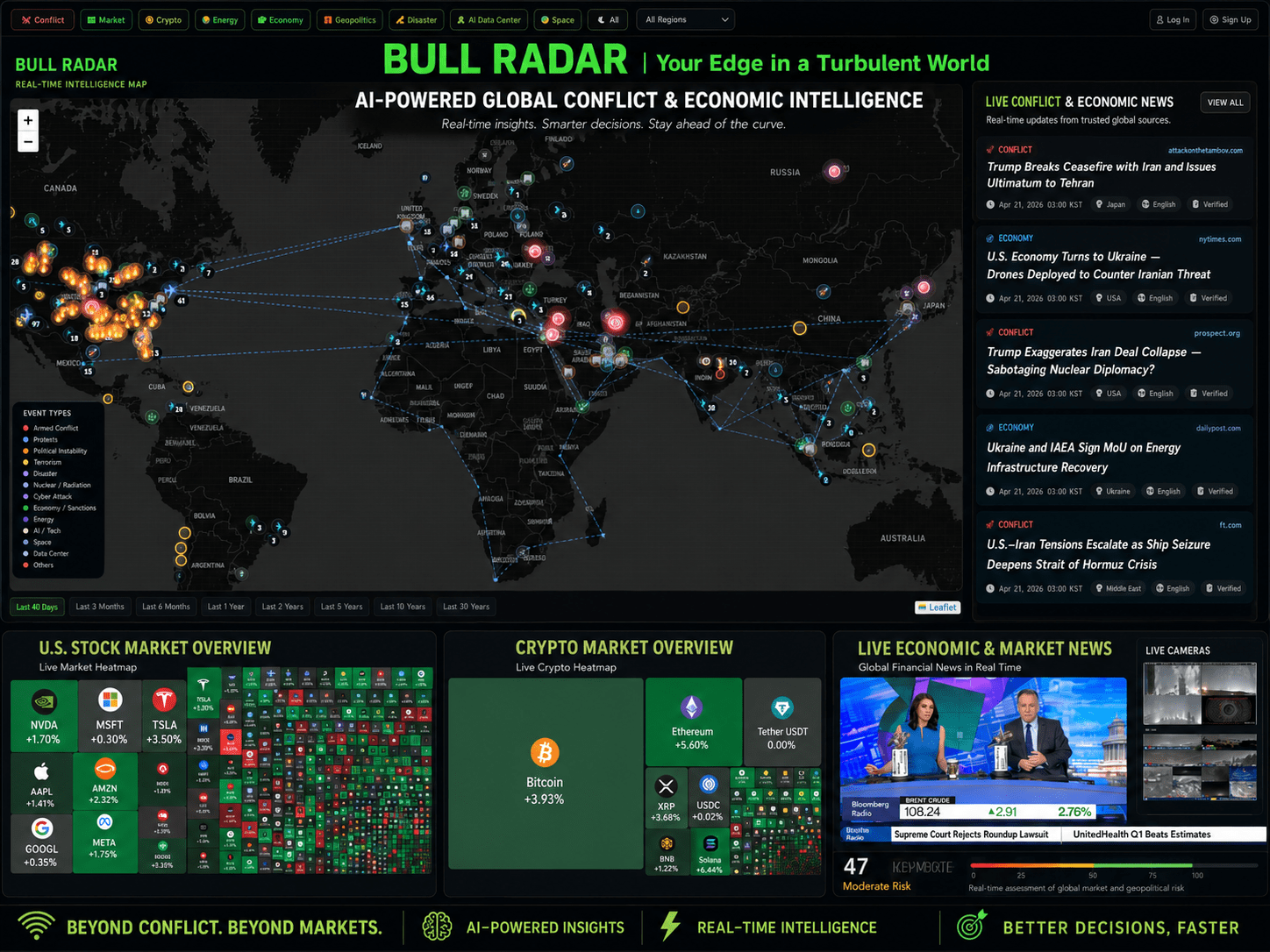
AI Live Economic Dashboard
AI analyzes real-time market data — turning complex, global investment flows into clear insight in seconds.
- Track global stock markets in real time
- See exactly which assets are strong — and which are fading
- Watch how geopolitical events move the markets
About the Author