What Are Recession Indicators?
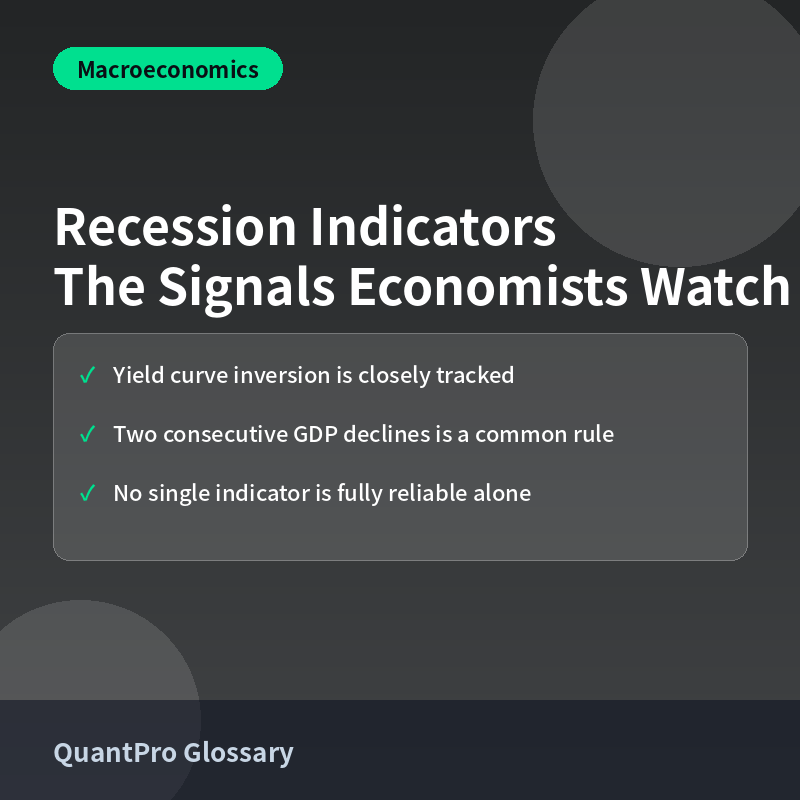
Recession indicators are economic data points and metrics that economists and investors monitor closely to identify early warning signs of a potential economic downturn, ideally before it is officially confirmed. While no single indicator can predict a recession with certainty, tracking a combination of these signals helps market participants gauge the increasing or decreasing risk of an economic contraction.
The Most Widely Watched Indicators
Yield Curve Inversion
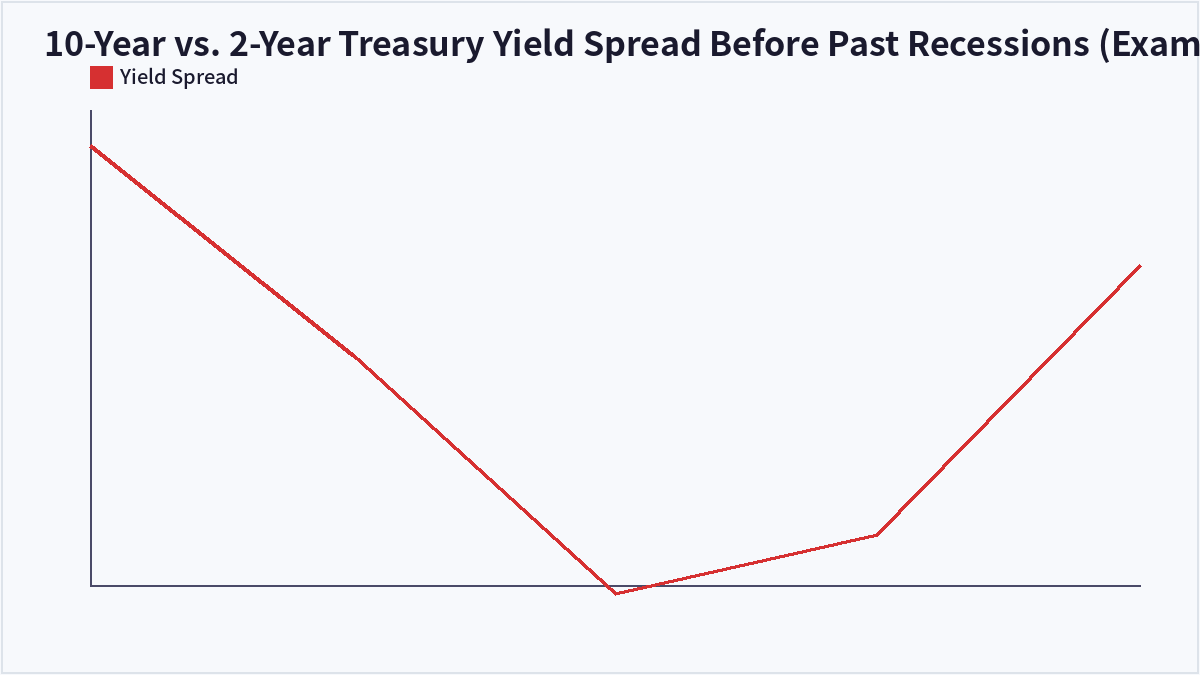
This occurs when short-term government bond yields rise above long-term yields — an unusual inversion of the normal relationship. Historically, an inverted yield curve (particularly the 10-year vs. 2-year Treasury spread) has preceded most U.S. recessions over the past several decades, making it one of the most closely tracked recession signals.
Rising Unemployment Claims
A sustained increase in weekly initial jobless claims often signals that businesses are beginning to cut back on hiring or increase layoffs, which can be an early sign of broader economic weakness before it shows up in slower-moving indicators like the official unemployment rate.
The Official Definition of a Recession
While the widely cited rule of thumb is two consecutive quarters of negative GDP growth, in the United States the National Bureau of Economic Research (NBER) officially determines recessions using a broader set of factors, including employment, income, and industrial production, meaning the official call can sometimes come well after the downturn has actually begun.
| Indicator | What It Signals | Reliability Note |
|---|---|---|
| Yield Curve Inversion | Rising recession risk | Strong historical track record, imperfect timing |
| Rising Jobless Claims | Weakening labor market | Can be an early, real-time signal |
| Consumer Confidence | Household spending outlook | Can be volatile and sentiment-driven |
Frequently Asked Questions
How far in advance does the yield curve predict recessions?
Historically, the lag between an inversion and the actual onset of a recession has varied widely, ranging anywhere from several months to over a year, making it a useful warning sign but not a precise timing tool.
Is a recession always bad for the stock market?
Not necessarily in a straightforward way — stock markets are forward-looking and often decline in anticipation of a recession before it officially begins, sometimes bottoming out and beginning to recover even while the recession is technically still ongoing.
Can these indicators give false signals?
Yes, no single indicator is perfectly reliable, and there have been instances of yield curve inversions or other warning signs that were not followed by an actual recession, which is why economists typically look at multiple indicators together.
What’s the difference between a recession and a market correction?
A recession refers to a broad economic contraction affecting output, employment, and income, while a market correction refers specifically to a decline in stock prices — the two can occur together but are measuring fundamentally different things.
Key Takeaways
Recession indicators like yield curve inversions and rising jobless claims help signal increasing economic risk before an official downturn is confirmed. No single indicator is fully reliable on its own, so economists typically monitor several signals together for a more complete picture. This article is for informational purposes only and does not constitute investment advice.

QuantPro: AI Finds the Trade Before You Do
From AI-powered chart analysis to real-time market intelligence — everything a serious investor needs, in one platform.
- Automated AI chart analysis with precision trend timing
- Bull Radar: real-time visualization of geopolitical & economic shifts
- Live market-moving news and insights, curated for you
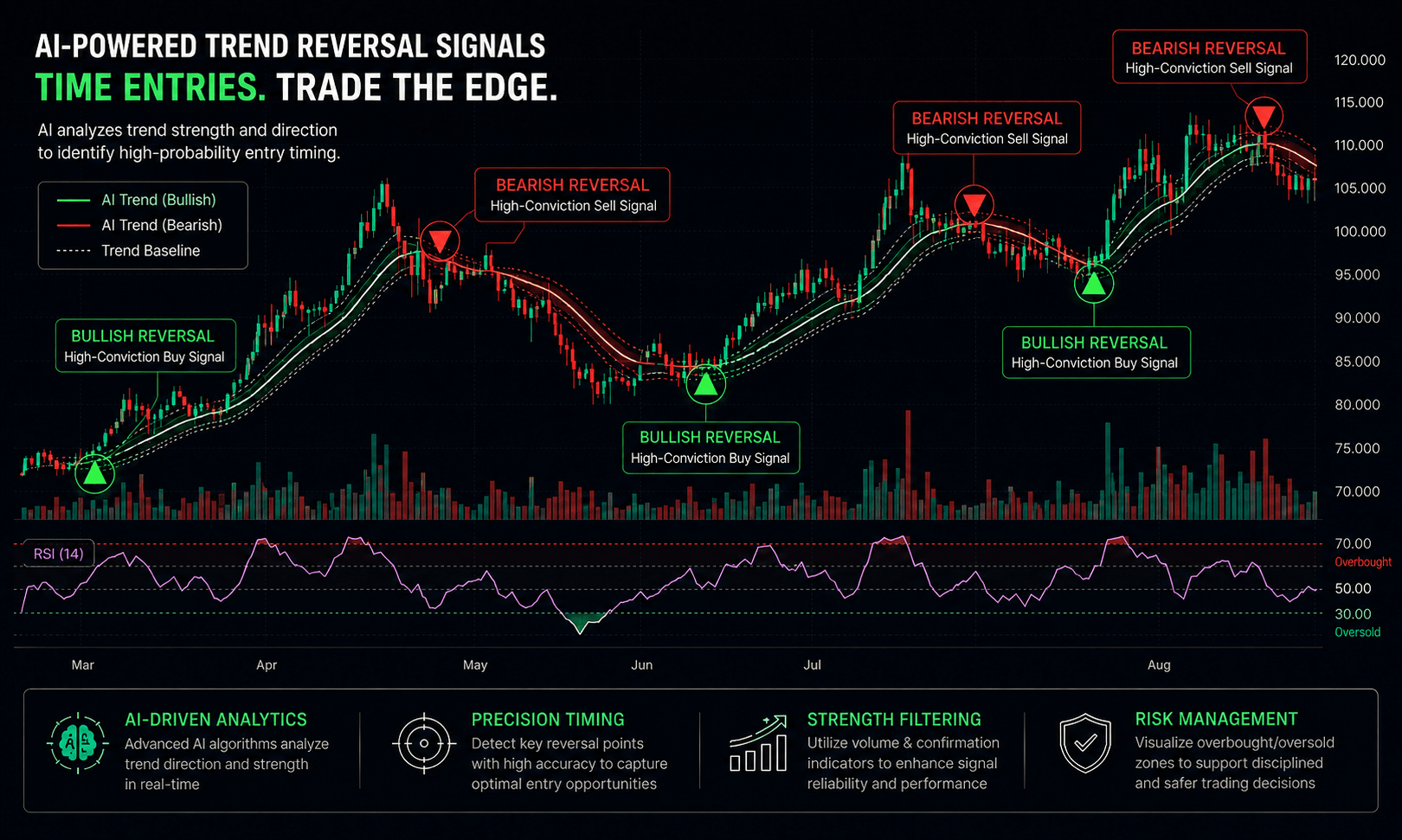
Bull Wave / Bear Wave Forecast Model
Engineered to help you read market direction and momentum faster than the crowd.
- Instantly separate bullish momentum from bearish pressure
- Pinpoint high-probability entry zones with confidence
- Chart signals clear enough for beginners, sharp enough for pros
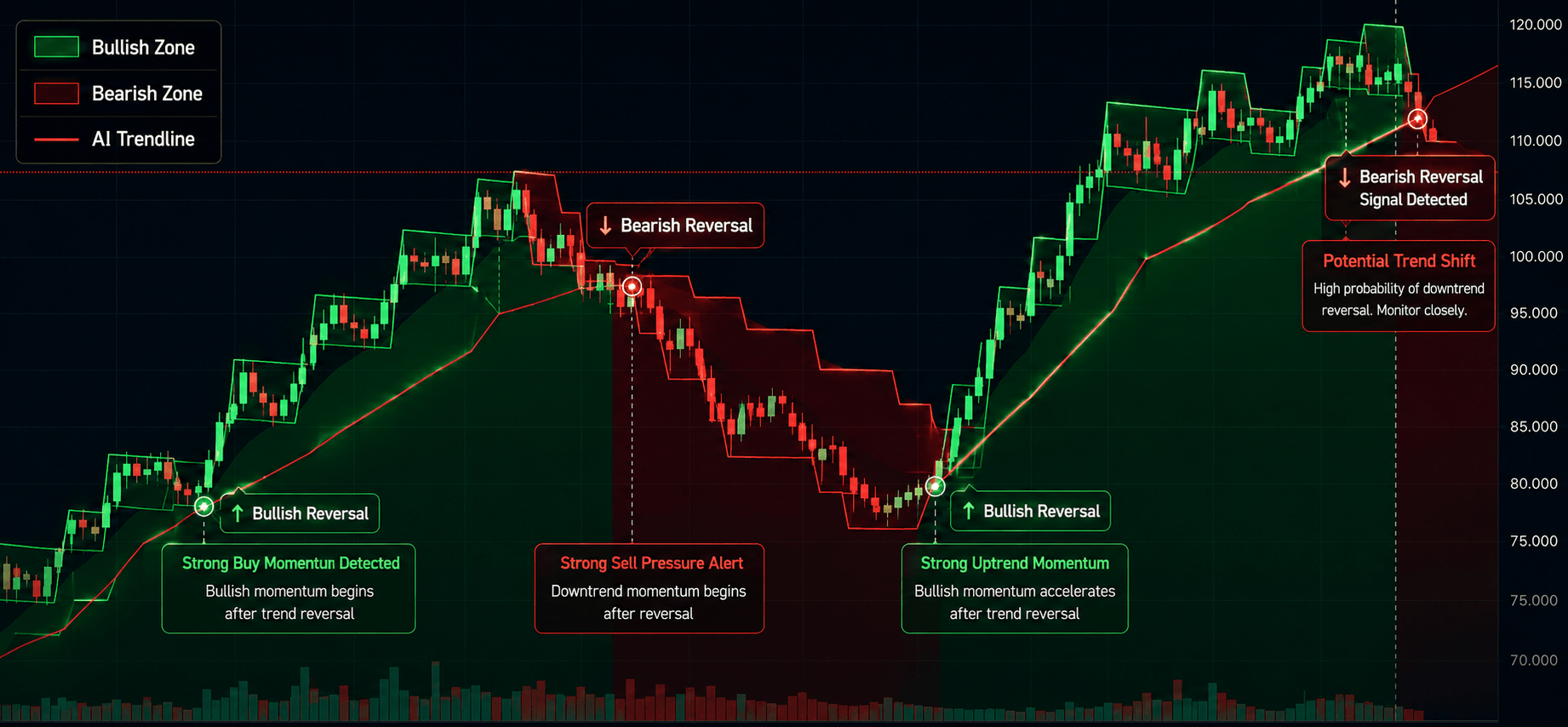
Winning Pattern Detection
Instantly surfaces the high-probability setups that repeat across the charts — a trusted edge for timing your entries and exits.
- Spot momentum building in real time
- Catch trend-reversal points before they break
- Built for active traders who need results, not theory
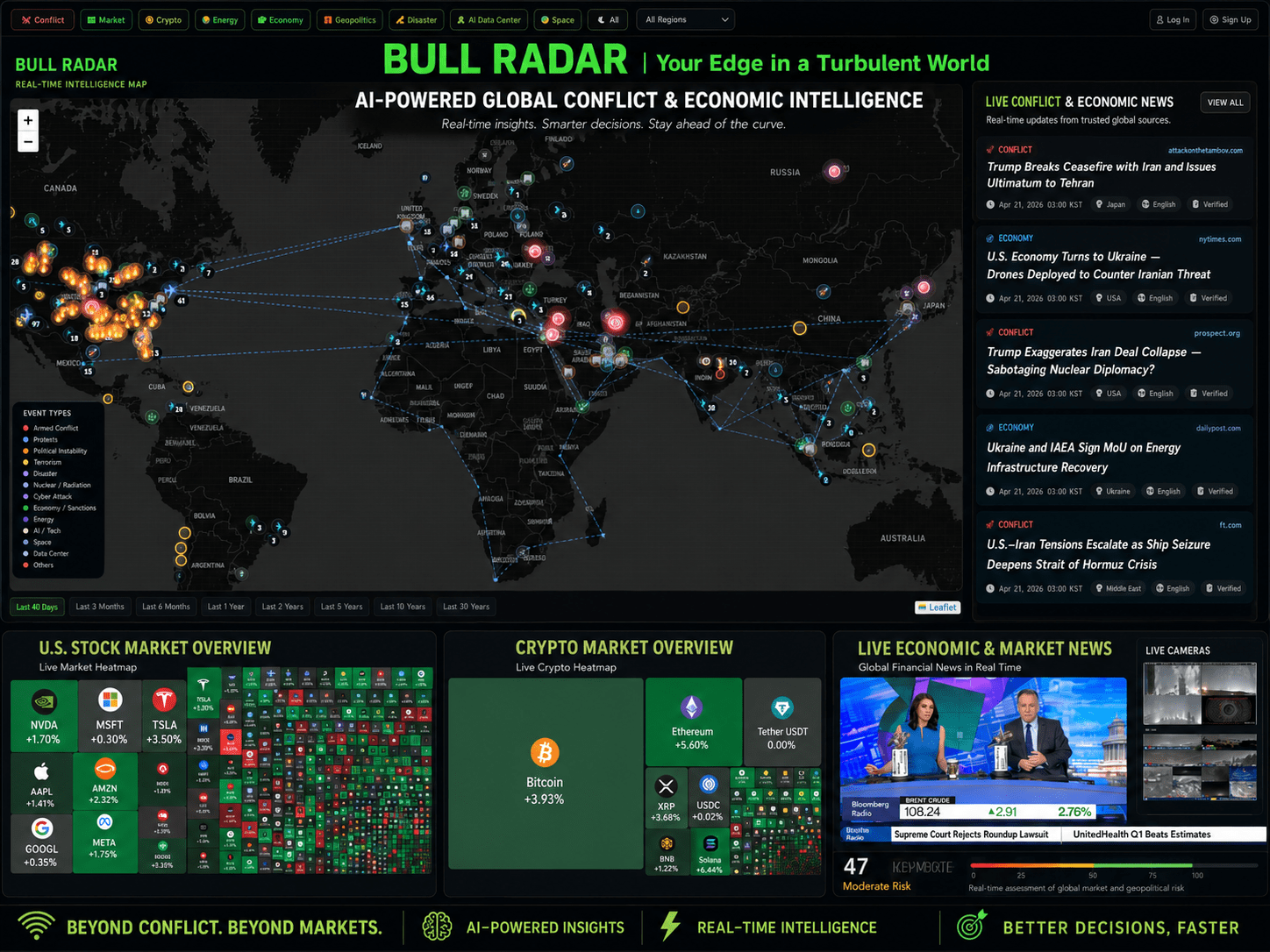
AI Live Economic Dashboard
AI analyzes real-time market data — turning complex, global investment flows into clear insight in seconds.
- Track global stock markets in real time
- See exactly which assets are strong — and which are fading
- Watch how geopolitical events move the markets
About the Author