What Is an IPO?
An Initial Public Offering (IPO) is the process through which a privately held company offers shares of its stock to the general public for the first time, becoming a publicly traded company on a stock exchange. This process allows the company to raise significant capital from a broad base of investors while giving early investors, founders, and employees a path to convert their private equity stakes into liquid, tradable shares.
The Key Steps in the Process
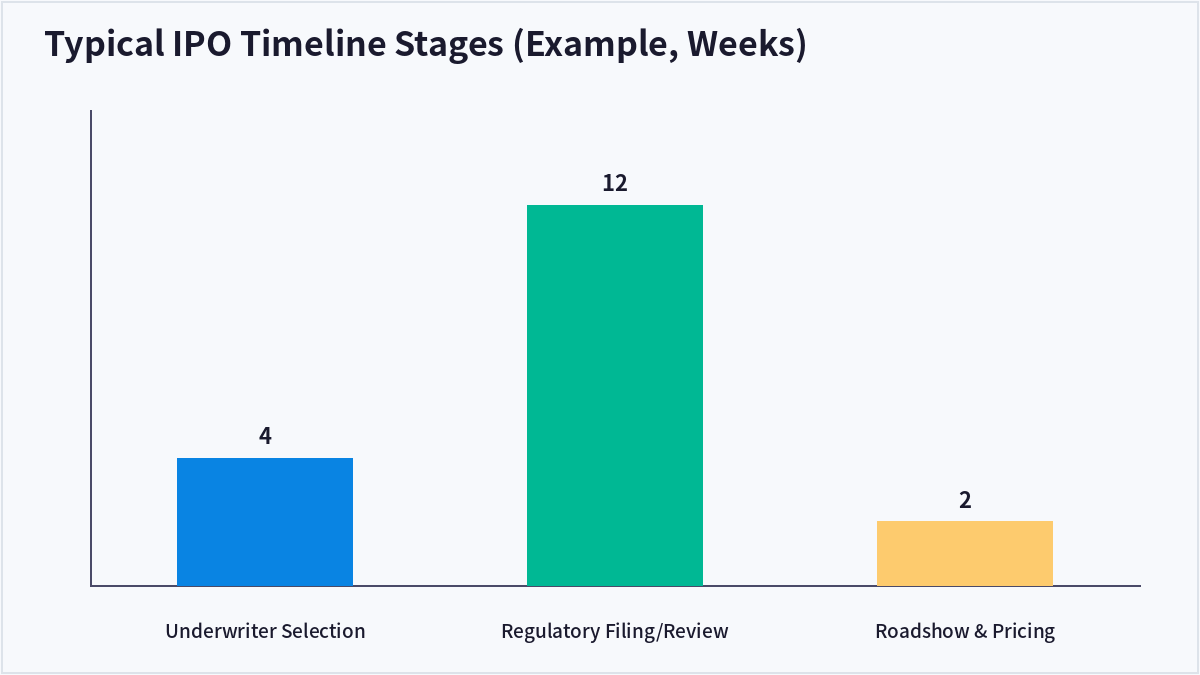
Selecting Underwriters and Filing With Regulators
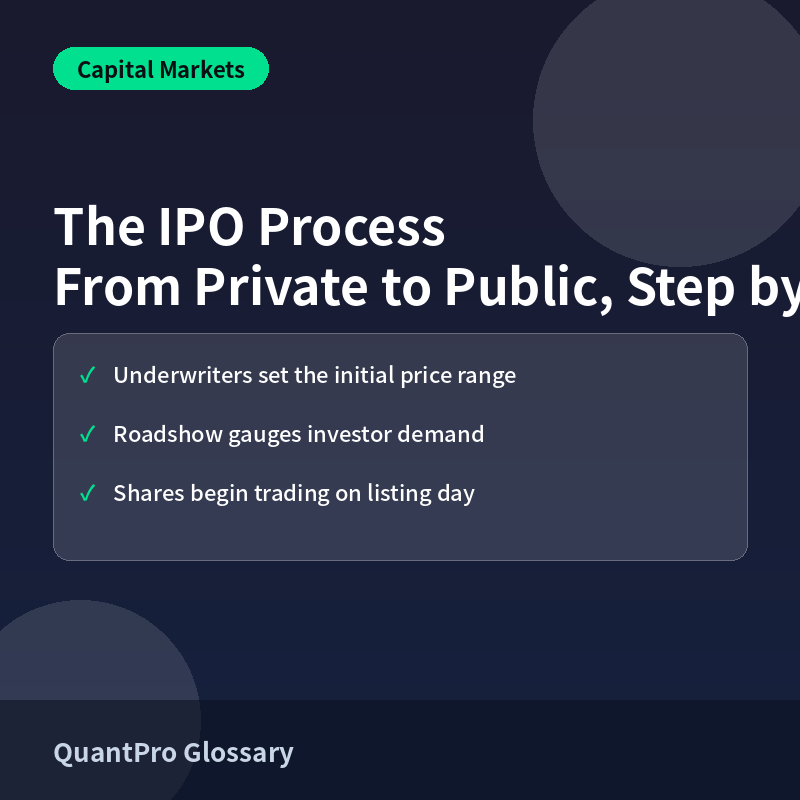
The company first selects one or more investment banks to serve as underwriters, who help structure the offering and manage the sale of shares. The company then files a detailed registration statement (an S-1 in the U.S.) with securities regulators, disclosing extensive information about its business, financials, and risk factors.
The Roadshow and Price Discovery
During the roadshow, company executives and underwriters present the investment opportunity to institutional investors across multiple cities, gauging demand and interest. Based on this feedback, the underwriters and company jointly set a final offering price intended to balance raising sufficient capital against ensuring reasonably strong demand for the shares.
What Happens on Listing Day
On the day the stock begins trading, an opening price is determined through an auction process on the exchange, which can differ meaningfully from the IPO offering price depending on real-time investor demand. This first-day price movement is often referred to as the ‘pop’ (if the stock rises significantly) and is closely watched as an early signal of market reception.
| Stage | Key Activity | Typical Participants |
|---|---|---|
| Preparation | Select underwriters, prepare disclosures | Company management, investment banks |
| Regulatory Review | File and revise registration statement | Securities regulators, legal counsel |
| Roadshow & Pricing | Present to investors, set final price | Institutional investors, underwriters |
Frequently Asked Questions
Can individual retail investors buy shares at the IPO price?
Historically, IPO share allocations were largely reserved for institutional investors and underwriters’ preferred clients, though some newer platforms have expanded limited retail access to certain IPO allocations in recent years.
Why do some IPOs ‘pop’ while others decline on their first day?
This largely reflects the balance between the offering price set by underwriters and actual real-time investor demand — if the offering price was set conservatively relative to demand, strong first-day buying can push the price sharply higher, and vice versa.
What is a lock-up period?
A lock-up period is a set timeframe (commonly 90 to 180 days) after the IPO during which company insiders, early investors, and employees are contractually restricted from selling their shares, intended to prevent an immediate flood of selling pressure right after listing.
Is investing in a newly listed IPO stock riskier than an established company?
Generally yes — newly public companies often have limited public trading history, can experience significant price volatility, and analysts have less historical data to base valuation estimates on compared to established, long-listed companies.
Key Takeaways
The IPO process takes a private company through underwriter selection, regulatory filing, an investor roadshow, and final pricing before shares begin trading publicly. Newly listed IPO stocks often carry higher volatility and less historical data than established public companies. This article is for informational purposes only and does not constitute investment advice.

QuantPro: AI Finds the Trade Before You Do
From AI-powered chart analysis to real-time market intelligence — everything a serious investor needs, in one platform.
- Automated AI chart analysis with precision trend timing
- Bull Radar: real-time visualization of geopolitical & economic shifts
- Live market-moving news and insights, curated for you
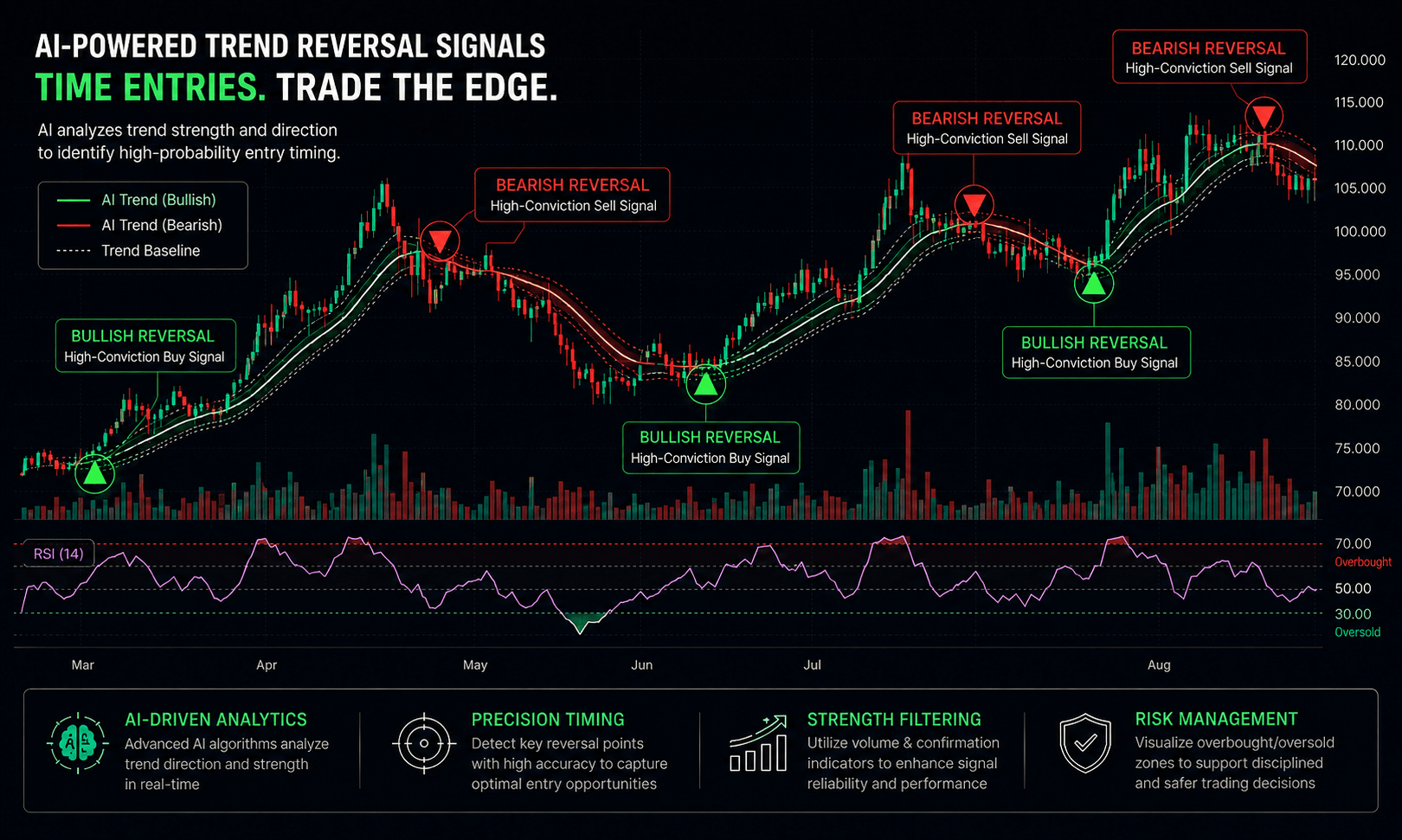
Bull Wave / Bear Wave Forecast Model
Engineered to help you read market direction and momentum faster than the crowd.
- Instantly separate bullish momentum from bearish pressure
- Pinpoint high-probability entry zones with confidence
- Chart signals clear enough for beginners, sharp enough for pros
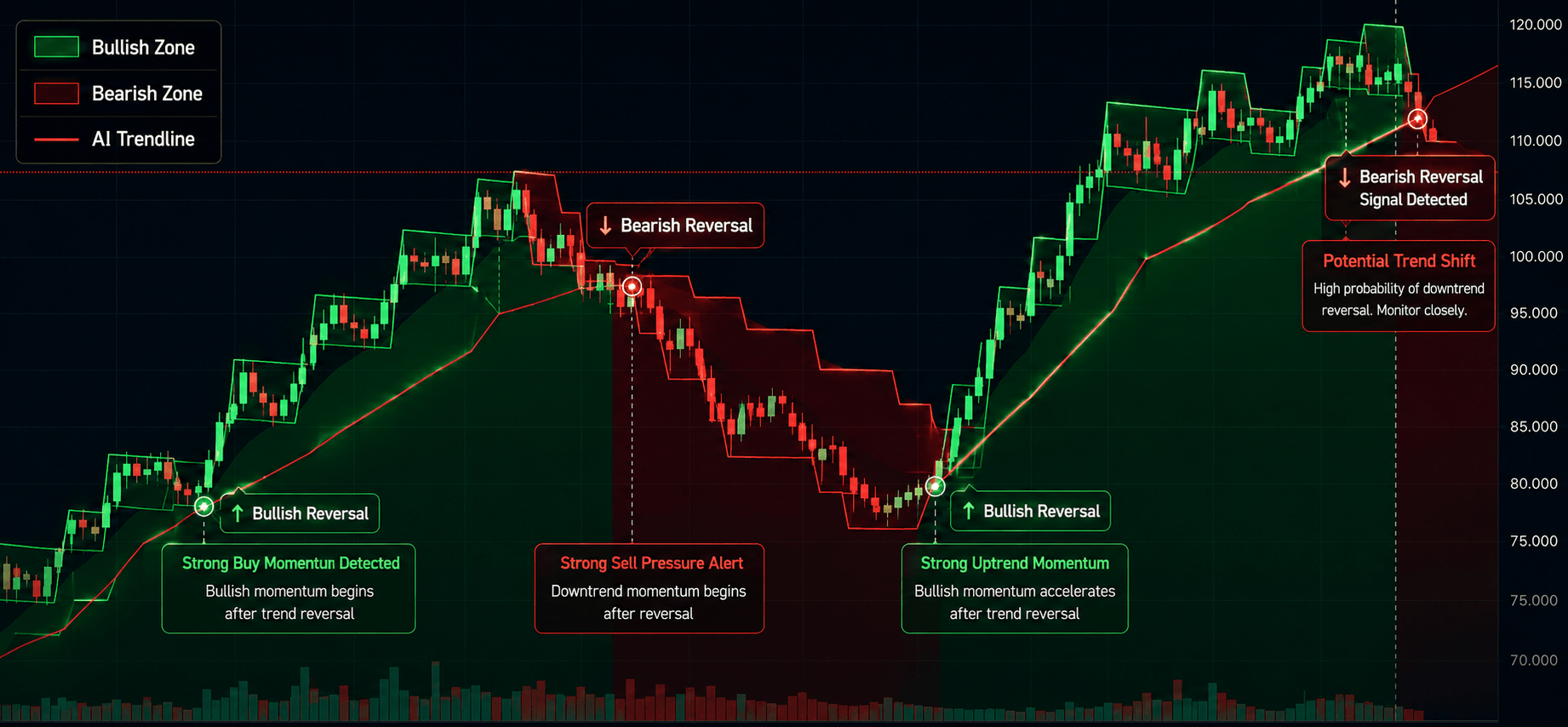
Winning Pattern Detection
Instantly surfaces the high-probability setups that repeat across the charts — a trusted edge for timing your entries and exits.
- Spot momentum building in real time
- Catch trend-reversal points before they break
- Built for active traders who need results, not theory
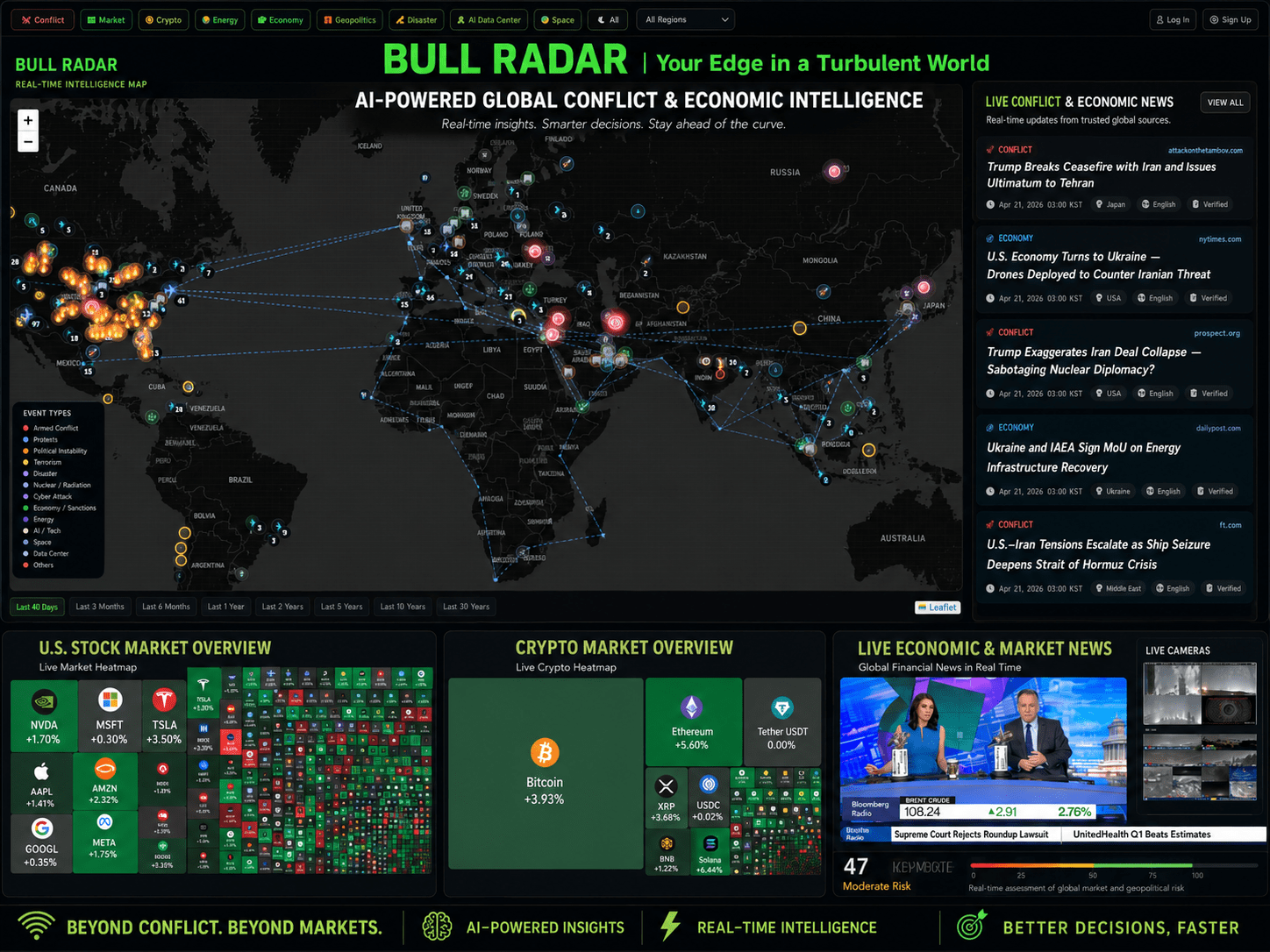
AI Live Economic Dashboard
AI analyzes real-time market data — turning complex, global investment flows into clear insight in seconds.
- Track global stock markets in real time
- See exactly which assets are strong — and which are fading
- Watch how geopolitical events move the markets
About the Author