What Is Sector Rotation?
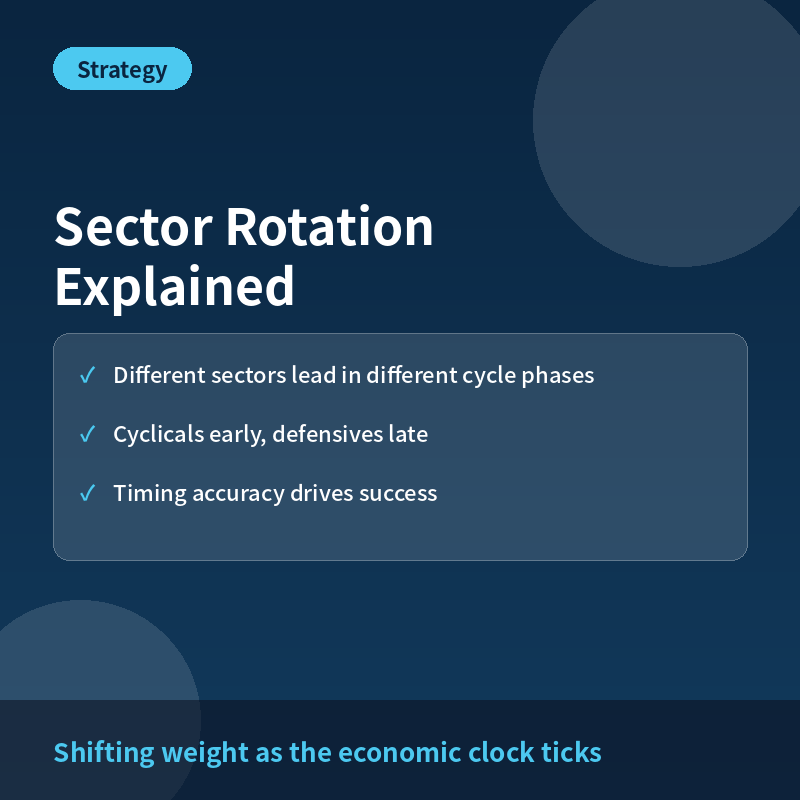
Sector rotation is a strategy of shifting portfolio weight toward sectors expected to outperform in the current phase of the economic cycle — recovery, expansion, slowdown, or recession.
It rests on the observation that consumption, investment, and interest rate conditions change across cycle phases, causing different sectors’ profitability and stock performance to lead or lag at different times.
How It Works
Early in an economic recovery, cyclical sectors such as industrials, materials, and financials tend to outperform as economic activity begins rebounding from depressed levels.
As the cycle matures into slowdown or recession, defensive sectors like consumer staples, healthcare, and utilities tend to hold up relatively better, since demand for their products and services is less tied to economic swings.
Why It Matters to Investors
Because sector rotation depends on correctly identifying the current and upcoming cycle phase, it is a demanding strategy, but even modest sector tilts during a clearly identified phase can meaningfully adjust a portfolio’s risk and return profile.
Sectors by Cycle Phase
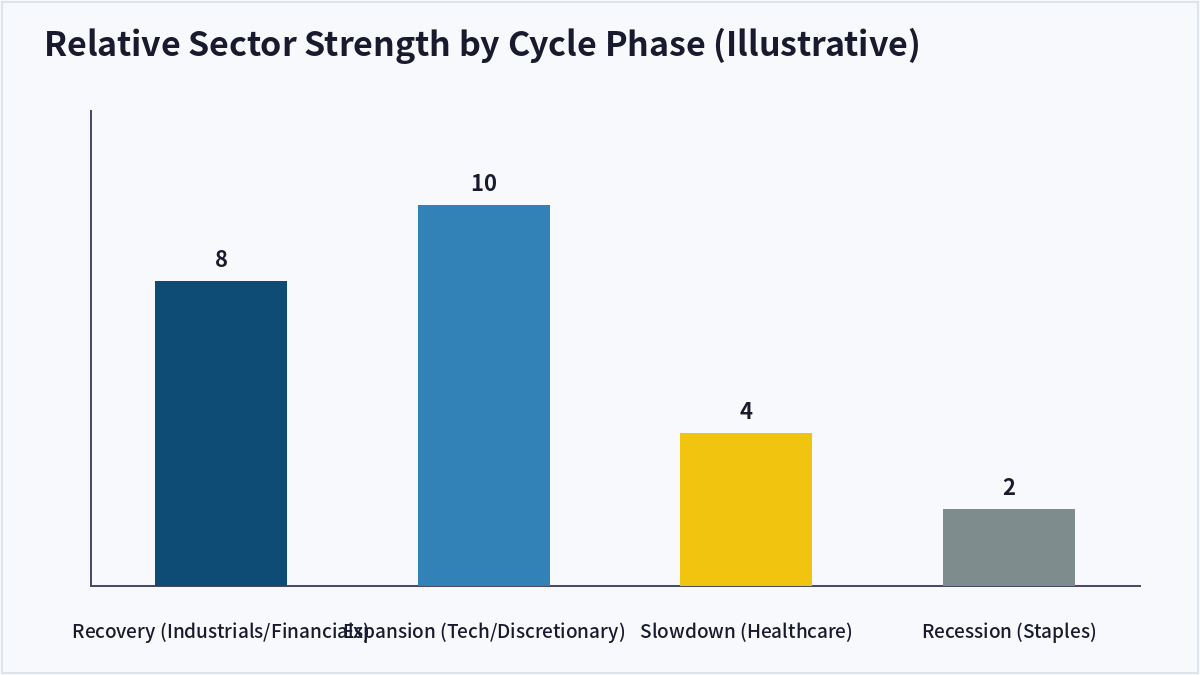
Different groups of sectors have historically tended to lead during each phase of the cycle.
| Cycle Phase | Sectors Often Favored | Rationale |
|---|---|---|
| Recovery | Industrials, materials, financials | Sensitive to rebounding economic activity |
| Expansion | Technology, consumer discretionary | Benefits from rising consumer and business spending |
| Slowdown | Healthcare, communication services | Earnings stability becomes more valued |
| Recession | Consumer staples, utilities | Demand less tied to the economic cycle |
Frequently Asked Questions
Can individual investors implement sector rotation?
Yes, sector-specific ETFs make it relatively straightforward to shift exposure across sectors without taking on individual stock risk.
How do investors identify the current cycle phase?
Indicators such as purchasing managers’ indexes (PMI), unemployment trends, and industrial production are commonly used together to assess the current phase.
Does sector rotation always work?
Not reliably, since correctly timing cycle transitions is difficult and multiple overlapping factors often blur the textbook pattern in practice.
How is sector rotation different from asset allocation?
Asset allocation adjusts weights across broad asset classes like stocks, bonds, and cash, while sector rotation adjusts weights within the equity portion across specific sectors.
Key Takeaways
Sector rotation strategies exploit the tendency of different sectors to lead at different points in the economic cycle, though accurately timing those transitions remains the central challenge. This article is for informational purposes only and does not constitute investment advice.

QuantPro: AI Finds the Trade Before You Do
From AI-powered chart analysis to real-time market intelligence — everything a serious investor needs, in one platform.
- Automated AI chart analysis with precision trend timing
- Bull Radar: real-time visualization of geopolitical & economic shifts
- Live market-moving news and insights, curated for you
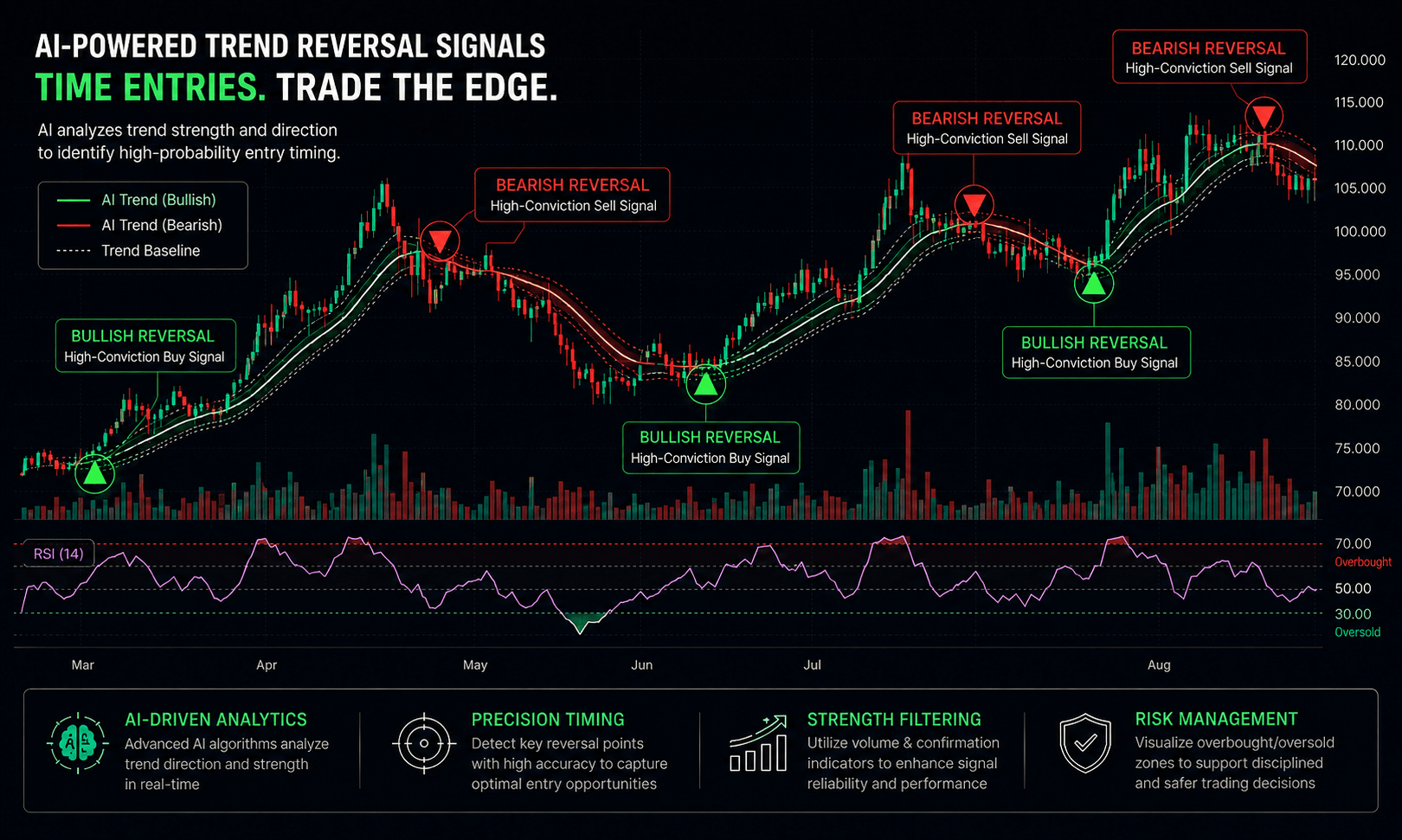
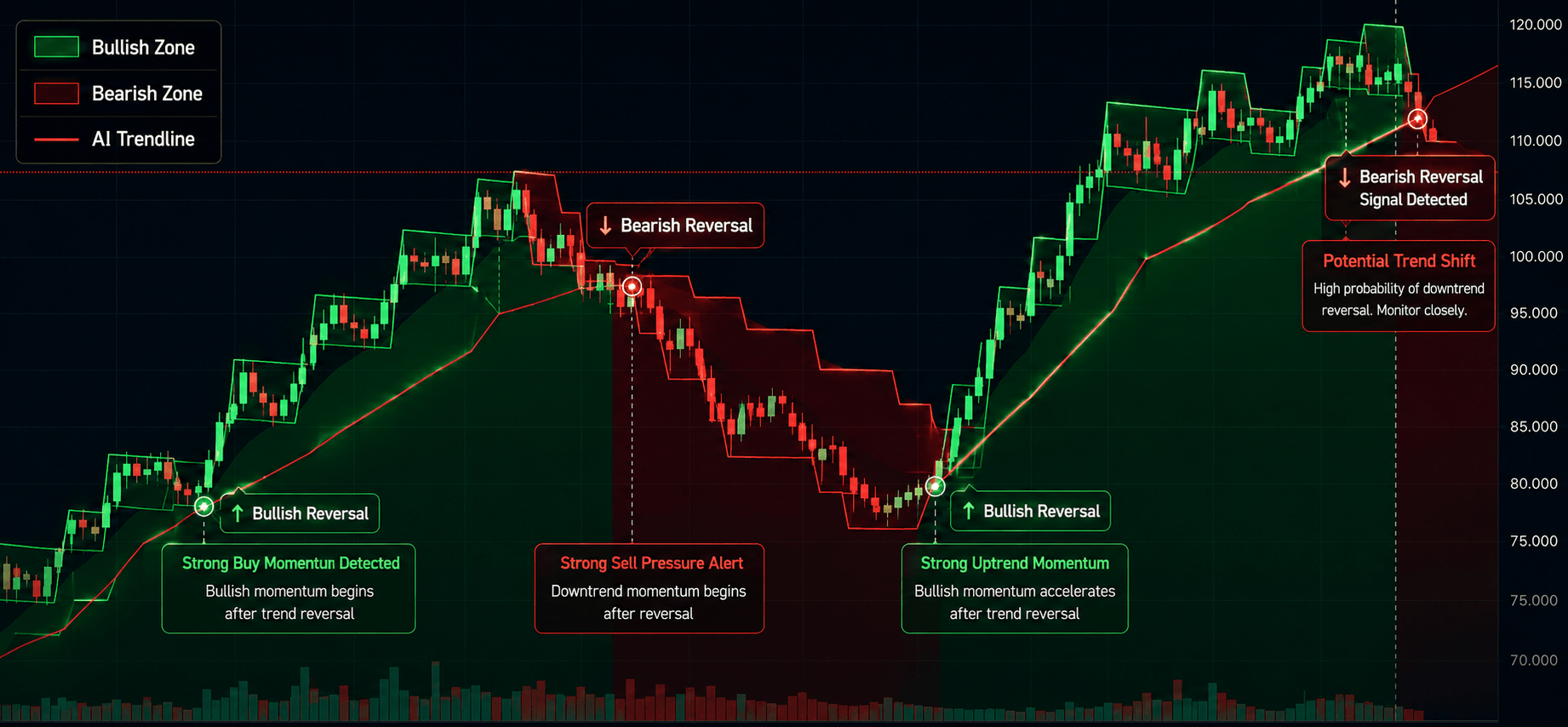
Bull Wave / Bear Wave Forecast Model
Engineered to help you read market direction and momentum faster than the crowd.
- Instantly separate bullish momentum from bearish pressure
- Pinpoint high-probability entry zones with confidence
- Chart signals clear enough for beginners, sharp enough for pros
Winning Pattern Detection
Instantly surfaces the high-probability setups that repeat across the charts — a trusted edge for timing your entries and exits.
- Spot momentum building in real time
- Catch trend-reversal points before they break
- Built for active traders who need results, not theory

AI Live Economic Dashboard
AI analyzes real-time market data — turning complex, global investment flows into clear insight in seconds.
- Track global stock markets in real time
- See exactly which assets are strong — and which are fading
- Watch how geopolitical events move the markets
About the Author