What Is Skewness?
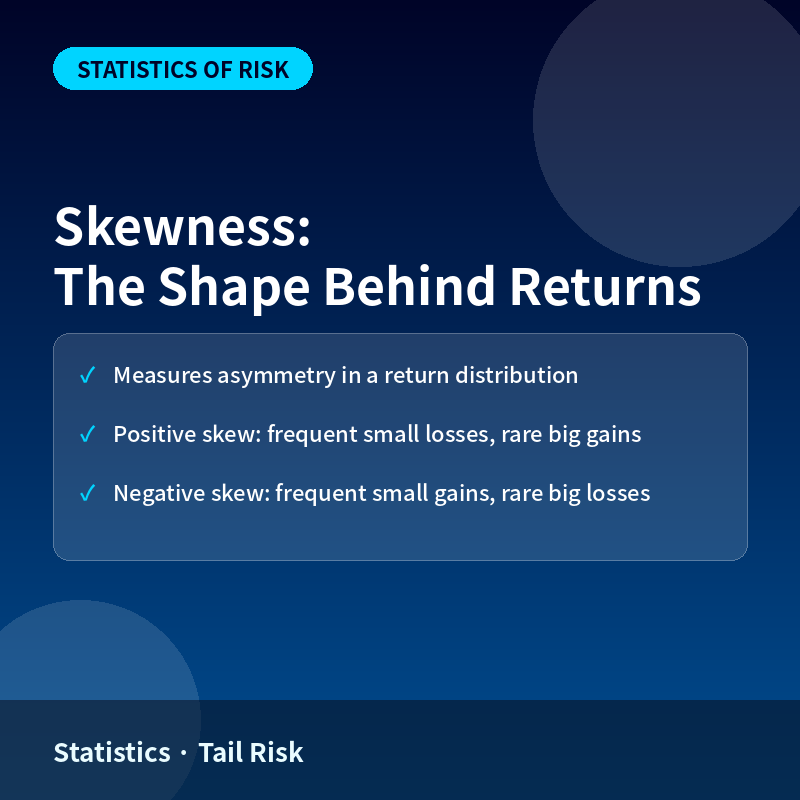
Skewness is a statistical measure of the asymmetry of a return distribution around its average. A distribution with zero skew, like the classic bell curve, has gains and losses of a given size occurring with roughly equal frequency. Positive skewness means the distribution has a longer tail on the gains side — frequent small losses punctuated by occasional large gains. Negative skewness means the opposite — frequent small gains punctuated by occasional large losses.
Why It Matters More Than the Average Return
Two strategies can have an identical average return and even similar standard deviation, yet feel completely different to hold, depending on their skew. A negatively skewed strategy can post small, steady gains for years and still wipe out a large share of an investor’s capital in a single bad event — a pattern that a simple average-and-standard-deviation summary can mask.
Positive Skew: Trend-Following
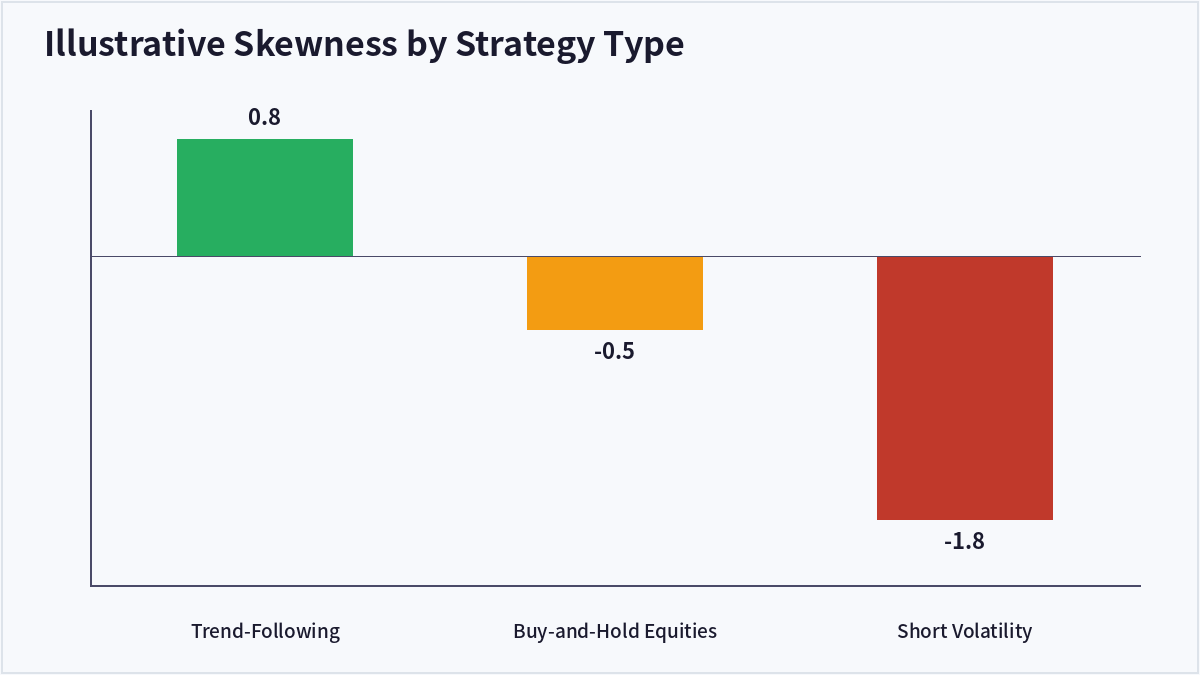
Trend-following and managed-futures strategies are frequently cited as having positive skew: many small losing trades as trends fail to materialize, offset by occasional large winning trades when a strong trend develops and is ridden for an extended move. The ‘average’ month may be flat or slightly negative, but the distribution’s right tail — its best months — is what drives long-run returns.
Negative Skew: Selling Volatility
Strategies that sell options or short volatility, by contrast, are structurally negatively skewed: they collect small, steady premiums in most periods but are exposed to sudden, severe losses when volatility spikes. The collapse of several short-volatility exchange-traded products during the February 2018 volatility spike — in which some lost the large majority of their value in a single trading session after years of steady gains — is a widely cited real-world illustration of negative skew realized in practice.
Positive vs. Negative Skew Strategies
| Skew Type | Typical Pattern | Example Strategy Types | Investor Experience |
|---|---|---|---|
| Positive Skew | Many small losses, rare large gains | Trend-following, buying options, venture investing | Frequent small disappointments, occasional big payoff |
| Negative Skew | Many small gains, rare large losses | Selling options, carry trades, short volatility | Long stretches of steady gains, sudden sharp drawdowns |
Frequently Asked Questions
Is positive skew always better than negative skew?
Not necessarily — it depends on an investor’s objective and time horizon. Negatively skewed strategies can still have a higher average return over long periods; the tradeoff is accepting the risk of a severe, sudden loss in exchange for smoother returns most of the time.
How is skewness actually calculated?
Skewness is the third standardized moment of a distribution: the average of the cubed deviations from the mean, divided by the cube of the standard deviation. In practice, investors typically rely on portfolio analytics software or statistical functions in spreadsheet and data tools rather than computing it by hand.
Can a portfolio combine positively and negatively skewed strategies?
Yes, and many diversified portfolios do so deliberately — pairing a negatively skewed, steady-return strategy with a small allocation to a positively skewed hedge (such as long volatility or trend-following) specifically to offset the risk of a severe drawdown in the core holdings.
Does skewness show up in standard performance reports?
Not usually in a basic factsheet, which typically reports average return, volatility, and Sharpe ratio. Skewness and related tail-risk statistics like kurtosis are more often found in detailed quantitative or risk-analytics reports, and are worth specifically asking a manager for if tail risk is a concern.
Key Takeaways
Skewness describes the shape of a return distribution’s tails, and two strategies with similar average returns can carry very different tail-risk profiles depending on whether their skew is positive or negative — a distinction average return and standard deviation alone do not reveal. This article is for informational purposes only and does not constitute investment advice.

QuantPro: AI Finds the Trade Before You Do
From AI-powered chart analysis to real-time market intelligence — everything a serious investor needs, in one platform.
- Automated AI chart analysis with precision trend timing
- Bull Radar: real-time visualization of geopolitical & economic shifts
- Live market-moving news and insights, curated for you
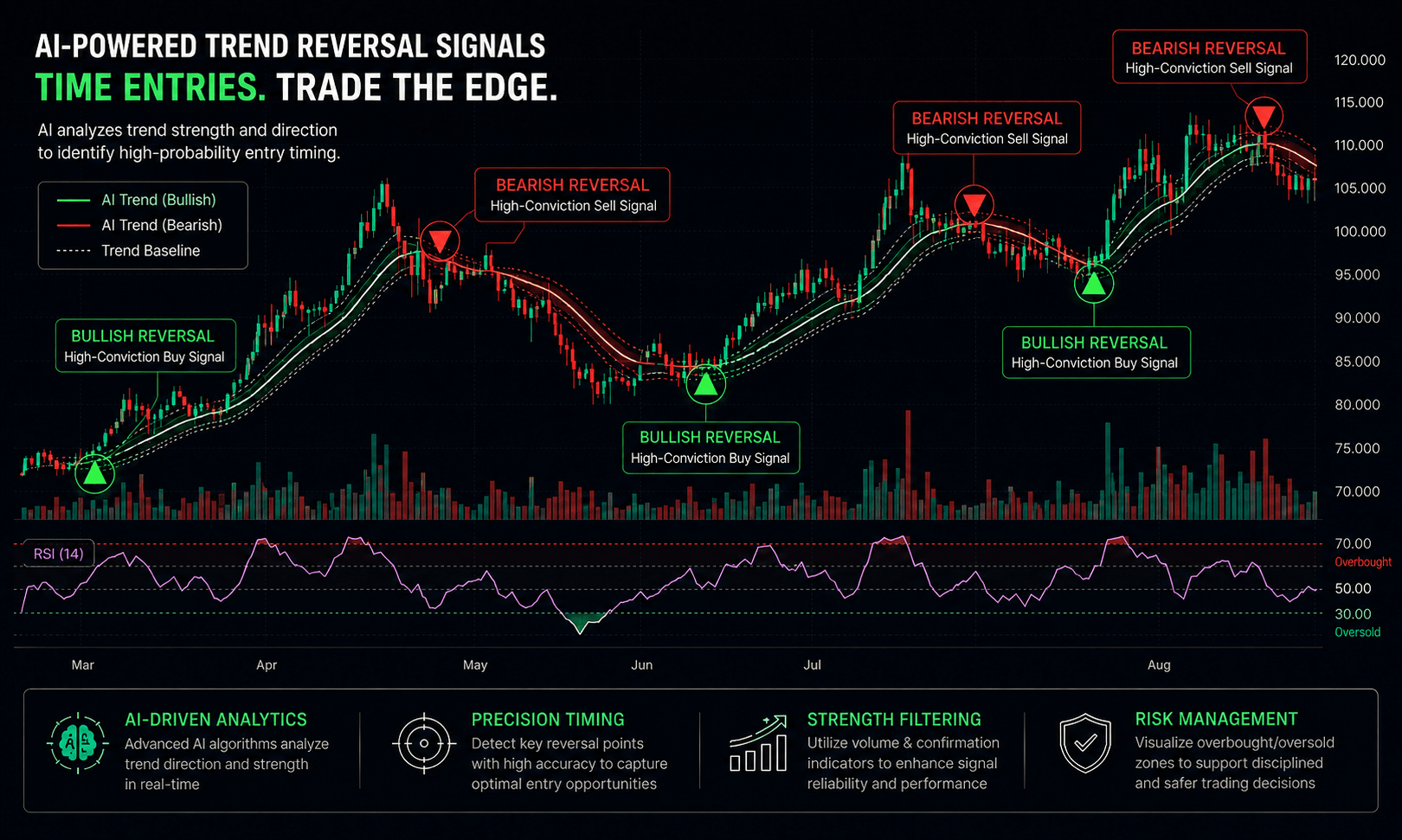
Bull Wave / Bear Wave Forecast Model
Engineered to help you read market direction and momentum faster than the crowd.
- Instantly separate bullish momentum from bearish pressure
- Pinpoint high-probability entry zones with confidence
- Chart signals clear enough for beginners, sharp enough for pros
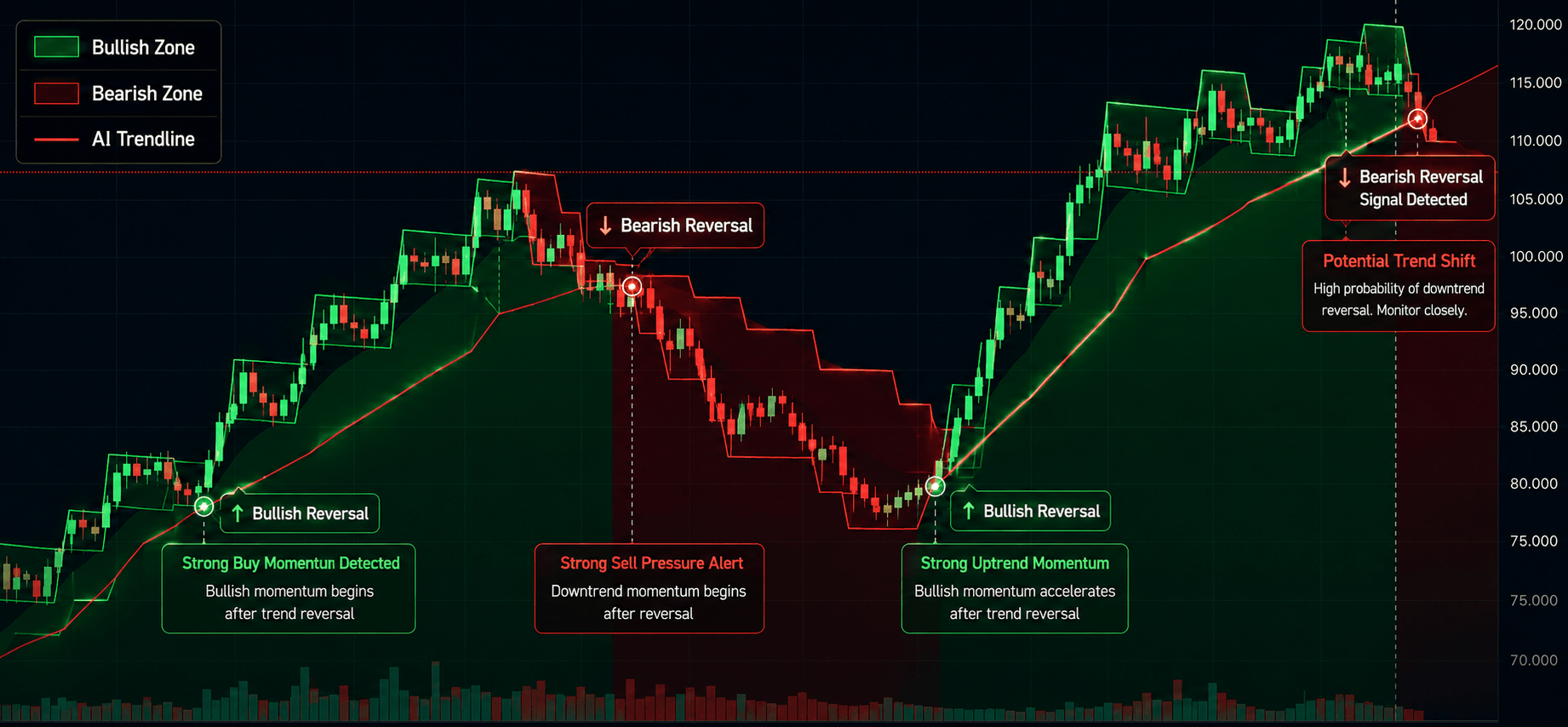
Winning Pattern Detection
Instantly surfaces the high-probability setups that repeat across the charts — a trusted edge for timing your entries and exits.
- Spot momentum building in real time
- Catch trend-reversal points before they break
- Built for active traders who need results, not theory
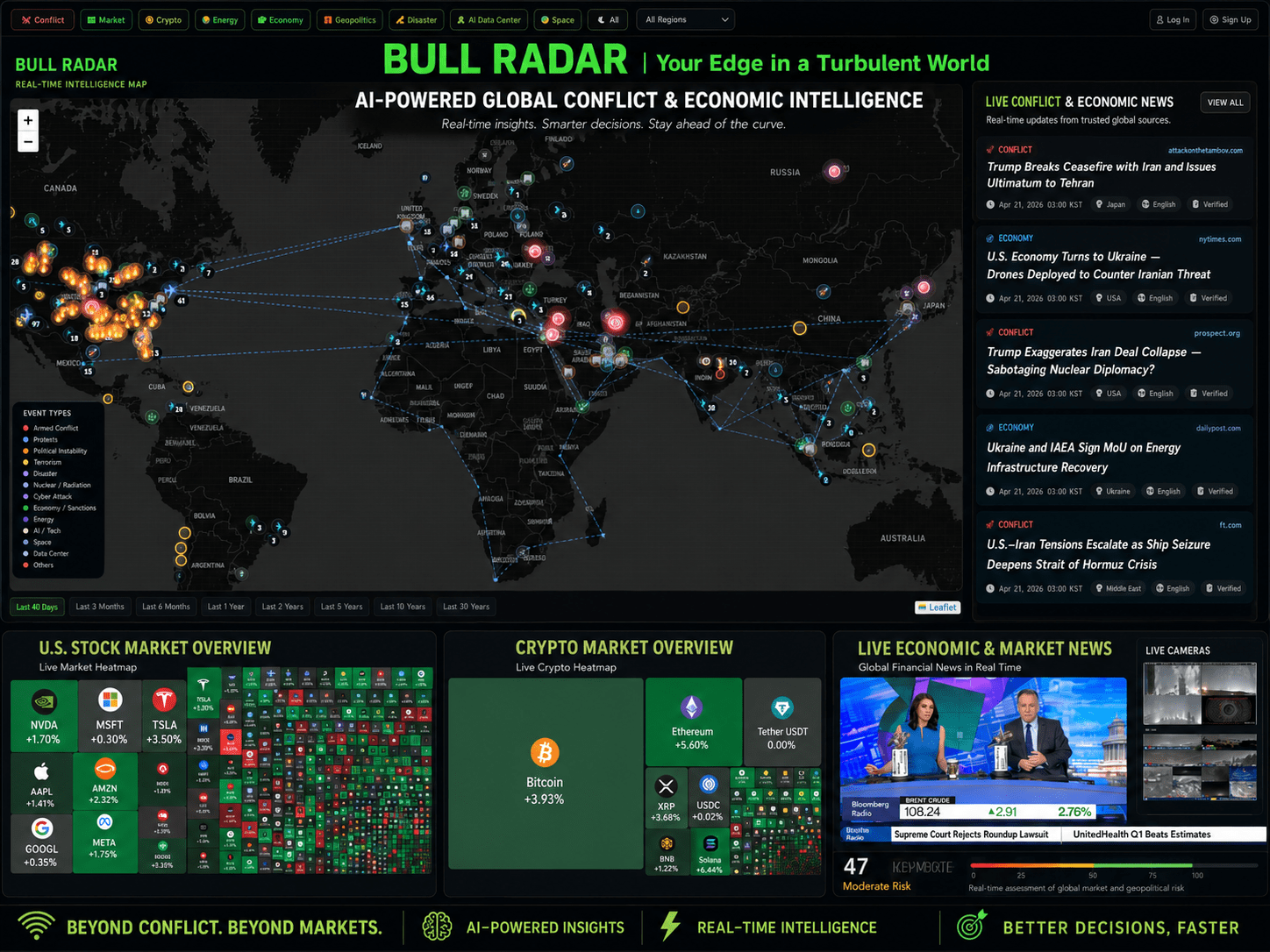
AI Live Economic Dashboard
AI analyzes real-time market data — turning complex, global investment flows into clear insight in seconds.
- Track global stock markets in real time
- See exactly which assets are strong — and which are fading
- Watch how geopolitical events move the markets
About the Author