What Is the Information Ratio?
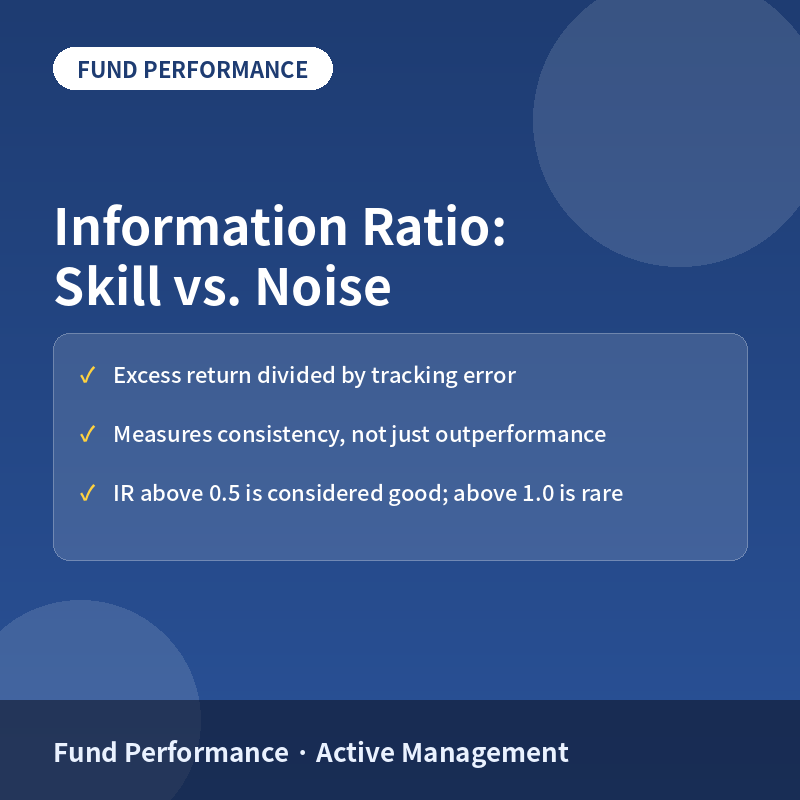
The information ratio (IR) measures how much excess return an actively managed portfolio generates relative to its benchmark, per unit of the risk taken to generate that excess return. Where the Sharpe ratio compares a portfolio’s return to the risk-free rate using total volatility, the information ratio compares a portfolio’s return to its benchmark using tracking error — the volatility of the difference between the portfolio and the benchmark.
The Formula
Information Ratio = (Portfolio Return – Benchmark Return) / Tracking Error. The numerator is often called ‘active return’ or ‘alpha,’ and the denominator, tracking error, is the standard deviation of that active return over the same period.
A Worked Example
Suppose a large-cap fund returns 3% more per year than its benchmark, on average, but that excess return fluctuates — some years it beats the benchmark by 8%, other years it trails by 2%. If the standard deviation of that year-to-year excess return (the tracking error) is 4%, the information ratio is 3 / 4 = 0.75. That figure tells you the manager is generating excess return relatively consistently, not just getting lucky in a handful of strong years.
Interpreting the Number
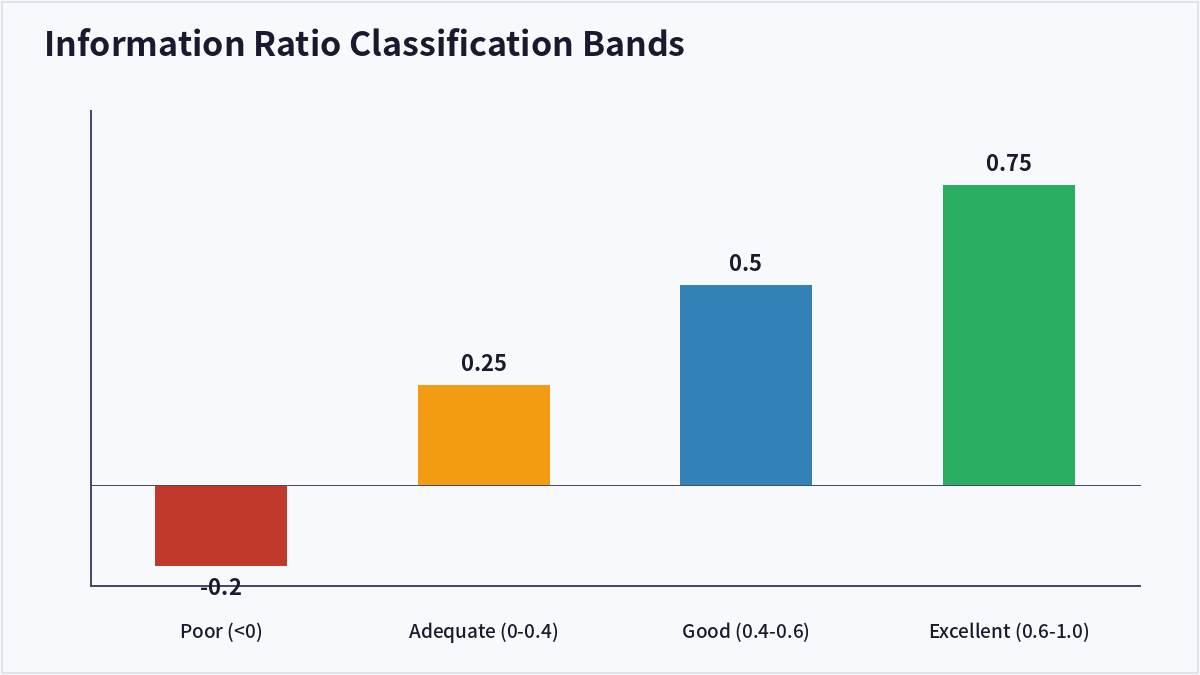
As a rough guide used across the asset management industry: an information ratio below 0 means the manager underperformed the benchmark on average; 0 to 0.4 is considered adequate; 0.4 to 0.6 is considered good; and above 0.6 is considered excellent and difficult to sustain across a full market cycle. Ratios consistently above 1.0 are rare and often draw scrutiny over whether the track record reflects genuine, repeatable skill or a limited sample size.
Information Ratio vs. Sharpe Ratio
| Metric | Compares Return To | Risk Measure | Best For |
|---|---|---|---|
| Sharpe Ratio | Risk-free rate | Total portfolio volatility | Absolute risk-adjusted performance |
| Information Ratio | A specific benchmark | Tracking error (volatility of excess return) | Evaluating active managers vs. their mandate |
Frequently Asked Questions
Why not just look at a fund’s excess return alone?
Raw excess return does not show how much risk was taken relative to the benchmark to achieve it. A manager who beats the benchmark by 5% while taking on large, erratic bets looks very different from one who beats it by 5% with tight, consistent tracking — the information ratio distinguishes between the two.
What is tracking error, exactly?
Tracking error is the standard deviation of the difference between a portfolio’s returns and its benchmark’s returns over a given period. A low tracking error means the portfolio moves closely with its benchmark; a high tracking error means its returns diverge more, in either direction.
Is a higher information ratio always better?
Generally yes, within reason, but an unusually high IR over a short period can reflect a small sample size or a strategy style that happened to be favored by recent market conditions, rather than durable skill — longer track records are more reliable.
Can passive index funds have an information ratio?
Technically yes, but it is not a meaningful measure for them, since a well-run index fund is designed to minimize tracking error and excess return relative to its benchmark, not maximize either.
Key Takeaways
The information ratio measures how consistently a manager generates excess return relative to a benchmark, making it one of the more direct ways to judge whether active management outperformance reflects genuine skill rather than a few lucky bets. This article is for informational purposes only and does not constitute investment advice.

QuantPro: AI Finds the Trade Before You Do
From AI-powered chart analysis to real-time market intelligence — everything a serious investor needs, in one platform.
- Automated AI chart analysis with precision trend timing
- Bull Radar: real-time visualization of geopolitical & economic shifts
- Live market-moving news and insights, curated for you
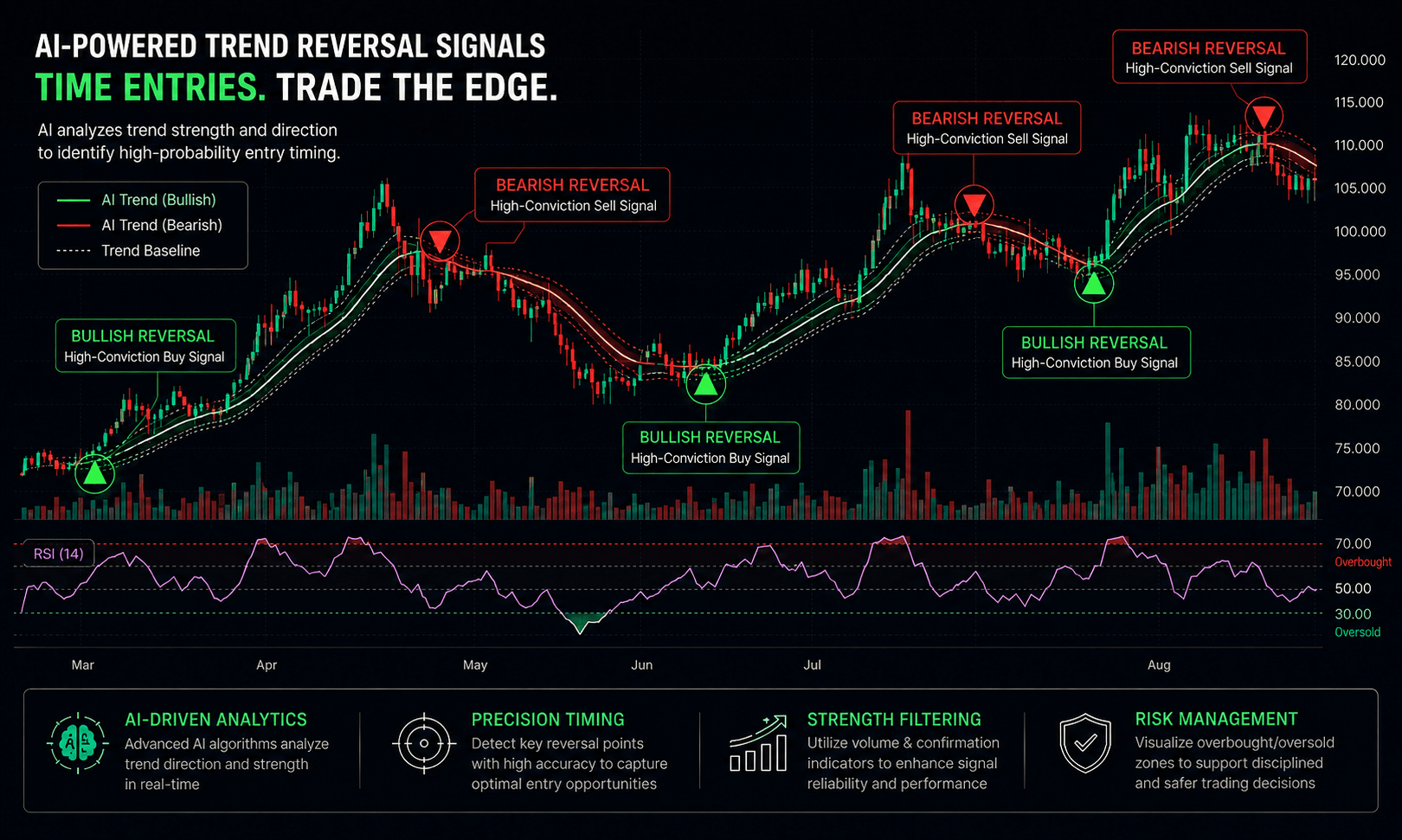
Bull Wave / Bear Wave Forecast Model
Engineered to help you read market direction and momentum faster than the crowd.
- Instantly separate bullish momentum from bearish pressure
- Pinpoint high-probability entry zones with confidence
- Chart signals clear enough for beginners, sharp enough for pros
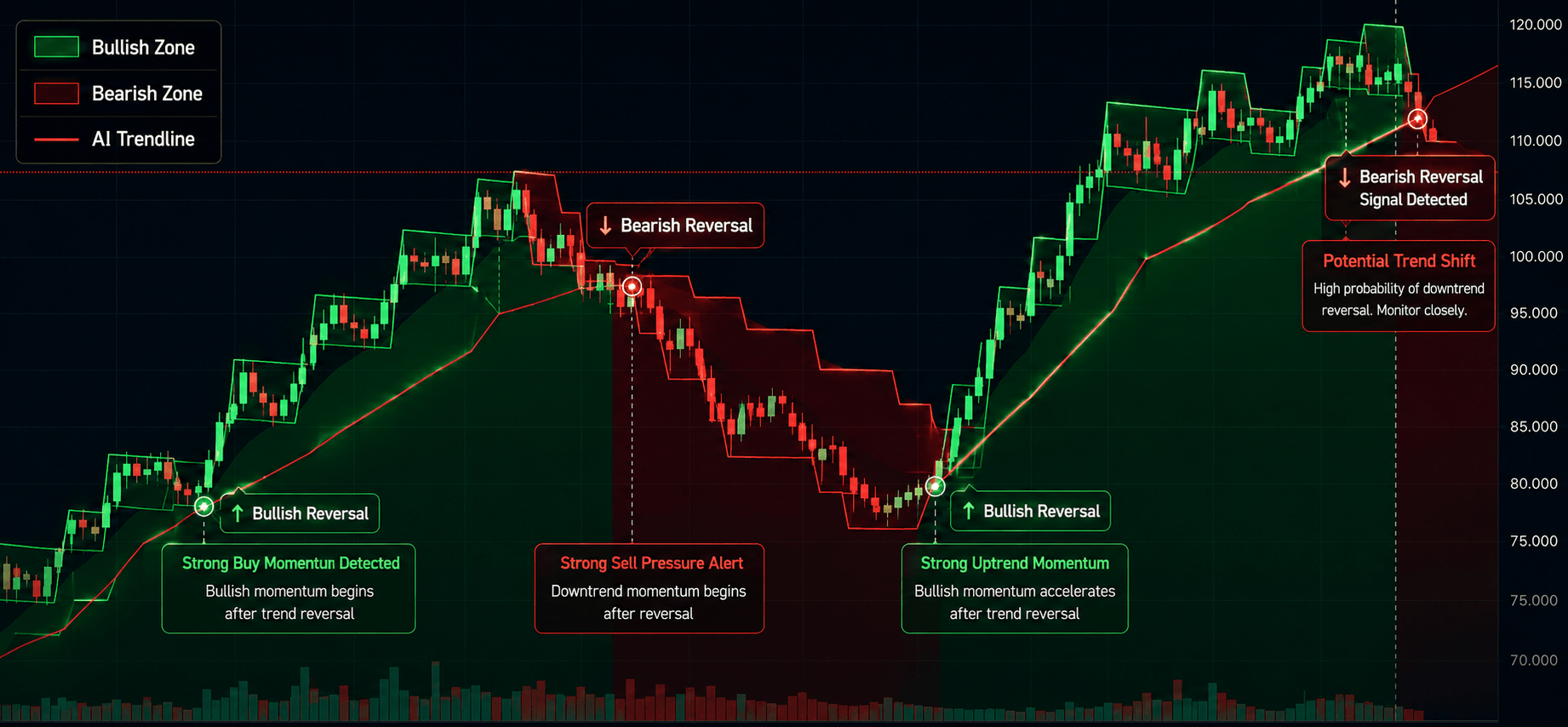
Winning Pattern Detection
Instantly surfaces the high-probability setups that repeat across the charts — a trusted edge for timing your entries and exits.
- Spot momentum building in real time
- Catch trend-reversal points before they break
- Built for active traders who need results, not theory
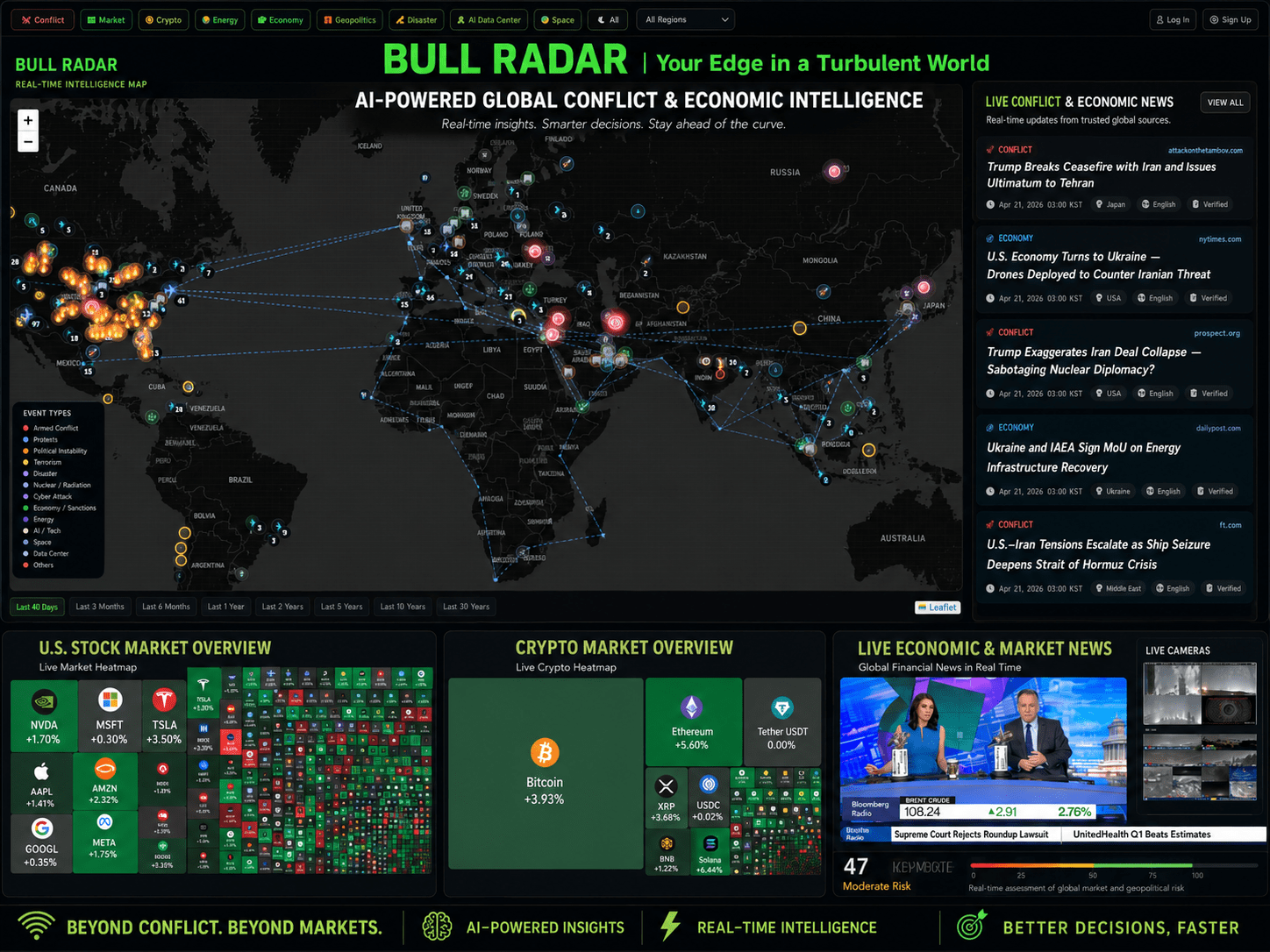
AI Live Economic Dashboard
AI analyzes real-time market data — turning complex, global investment flows into clear insight in seconds.
- Track global stock markets in real time
- See exactly which assets are strong — and which are fading
- Watch how geopolitical events move the markets
About the Author