What Is a Collar Strategy?
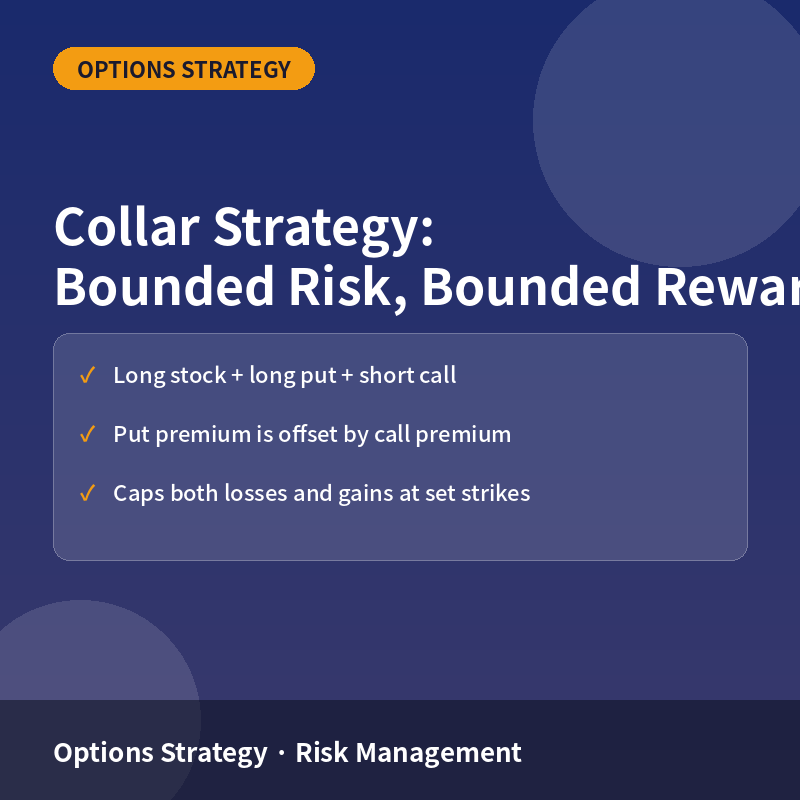
A collar is an options strategy that combines a long stock position with a protective put (bought) and a covered call (sold) on the same shares. The put sets a floor under losses, and the premium collected from selling the call helps pay for that put — often making the trade close to costless. In exchange for that protection, the investor gives up any gains above the call’s strike price.
It is the options-market equivalent of an insurance policy with a deductible: you accept a capped upside in return for a capped downside, funded largely by the option you sold rather than out of pocket.
How a Collar Is Built
The Three Legs
A collar has three components held together: 100 shares of the underlying stock (already owned), one out-of-the-money put purchased for downside protection, and one out-of-the-money call sold to generate premium. All three share the same expiration date, and the put and call typically straddle the current stock price at different distances.
A Worked Example
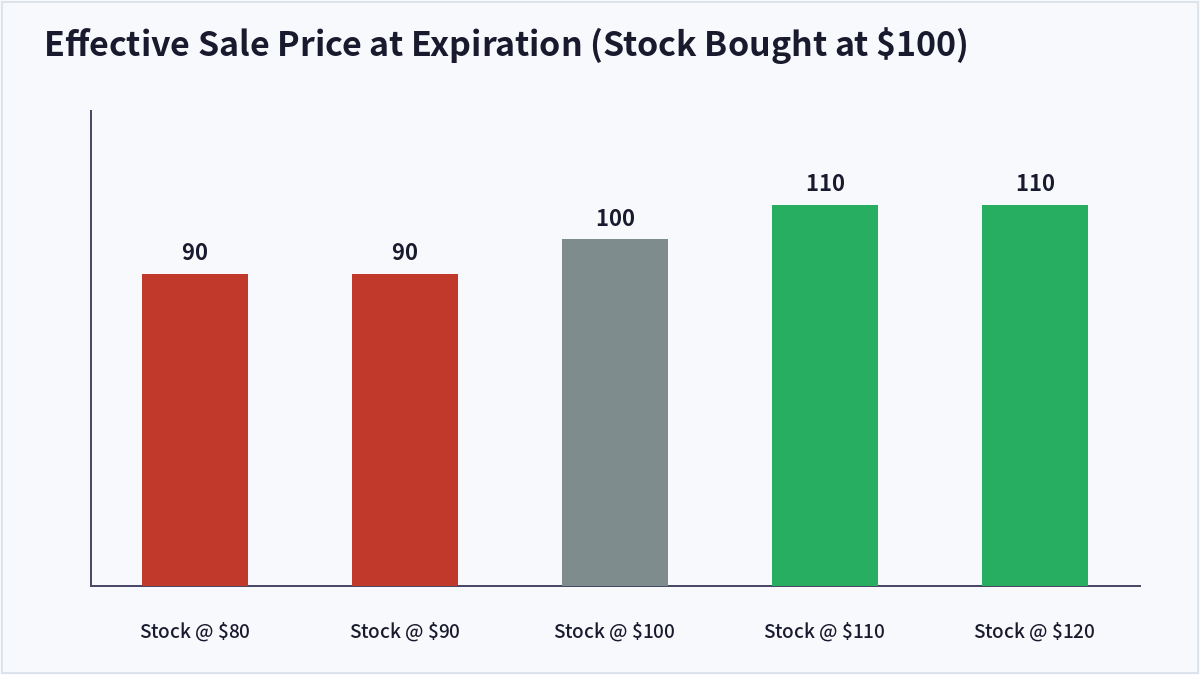
Suppose an investor owns a stock trading at $100 per share. They buy a 3-month put with a $90 strike for $2.50, and simultaneously sell a 3-month call with a $110 strike for $2.50. The premiums offset exactly, making this a ‘costless collar.’ If the stock falls to $70 at expiration, the put can be exercised to sell at $90, limiting the loss to $10 per share instead of $30. If the stock rallies to $140, the call caps the sale at $110, capping the gain at $10 per share instead of $40.
Why Investors Use a Collar
Collars are most common around concentrated, low-cost-basis stock positions — executives holding company stock, long-term holders near retirement, or anyone who wants to protect unrealized gains without triggering a taxable sale. Because the put and call premiums roughly offset, a collar is usually far cheaper than buying a standalone protective put, at the cost of forfeiting further upside for the life of the position.
Adjusting the Width
Moving the put strike closer to the current price raises the floor but costs more in call premium given up (a narrower band). Moving the call strike further away preserves more upside but requires paying net premium for the put rather than collecting it. Traders typically choose strikes based on how much of the current price they are willing to risk versus how much upside they are willing to sacrifice.
Collar vs. Other Protective Strategies
| Strategy | Downside Protection | Upside Potential | Net Cost |
|---|---|---|---|
| Protective Put | Full protection below strike | Unlimited | Debit (premium paid) |
| Covered Call | Limited to premium collected | Capped at strike | Credit (premium received) |
| Collar | Protection below put strike | Capped at call strike | Near zero (offsetting premiums) |
Frequently Asked Questions
Does a collar cost money to put on?
It depends on the strikes chosen. When the put premium and call premium are roughly equal, the collar is close to costless. If the put is closer to the money than the call, it usually requires a net debit; if the call is closer to the money, it can generate a small net credit.
Can I lose money on a collar?
Yes. The stock can still fall between the current price and the put strike, and that portion of the decline is not protected. A collar limits the size of a loss — it does not eliminate the possibility of one.
What happens if the stock finishes between the two strikes?
If the stock settles between the put strike and the call strike at expiration, both options expire worthless and the investor simply keeps the shares (and any dividends), having paid little or nothing net for the protection.
Is a collar the same as a costless collar?
A ‘costless collar’ is a specific case of a collar where the put and call strikes are chosen so the premiums exactly offset. Every costless collar is a collar, but not every collar is structured to be costless.
Key Takeaways
A collar trades away unlimited upside for a defined, usually low-cost floor under a stock position, making it a common tool for protecting concentrated gains without selling the underlying shares. This article is for informational purposes only and does not constitute investment advice.

QuantPro: AI Finds the Trade Before You Do
From AI-powered chart analysis to real-time market intelligence — everything a serious investor needs, in one platform.
- Automated AI chart analysis with precision trend timing
- Bull Radar: real-time visualization of geopolitical & economic shifts
- Live market-moving news and insights, curated for you
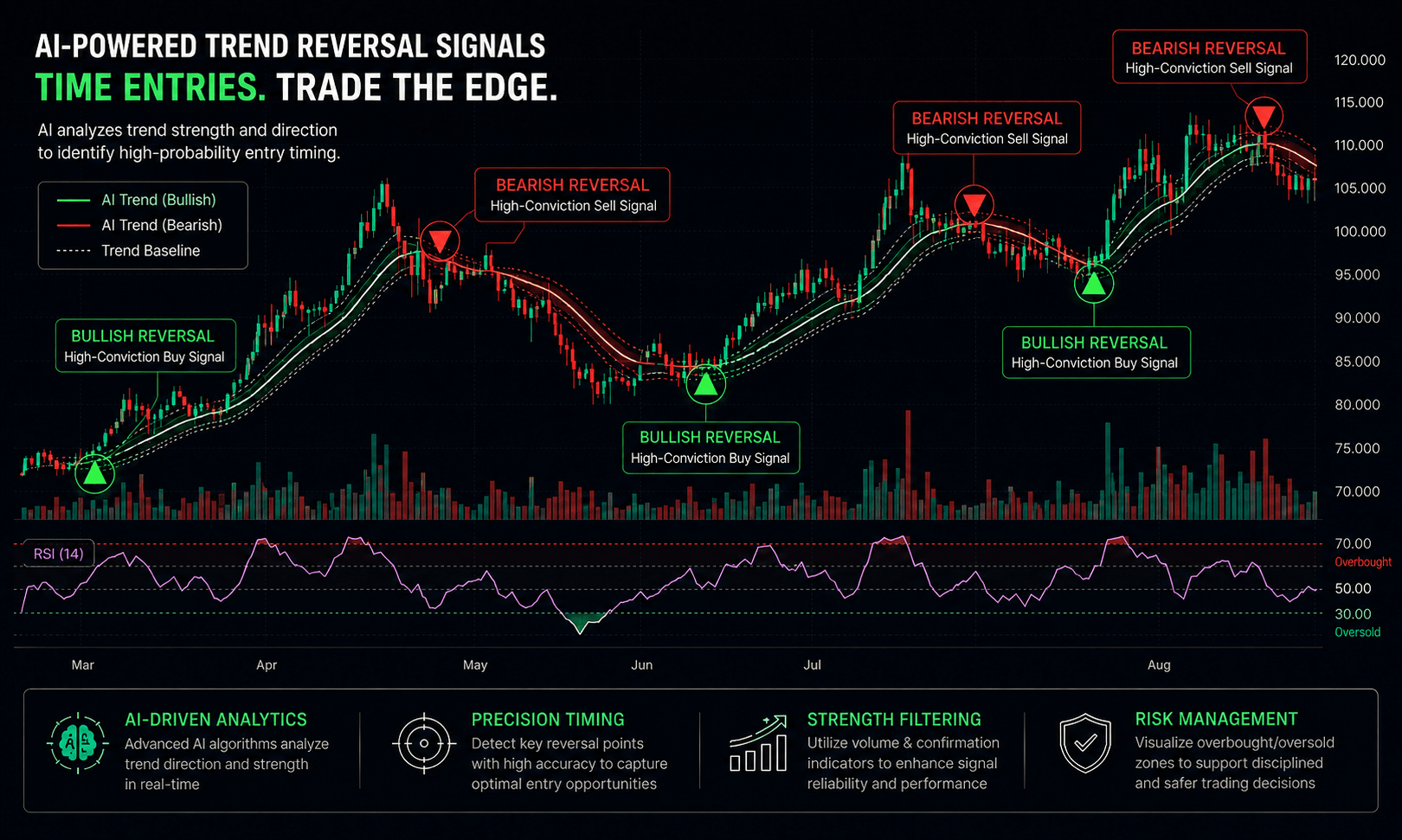
Bull Wave / Bear Wave Forecast Model
Engineered to help you read market direction and momentum faster than the crowd.
- Instantly separate bullish momentum from bearish pressure
- Pinpoint high-probability entry zones with confidence
- Chart signals clear enough for beginners, sharp enough for pros
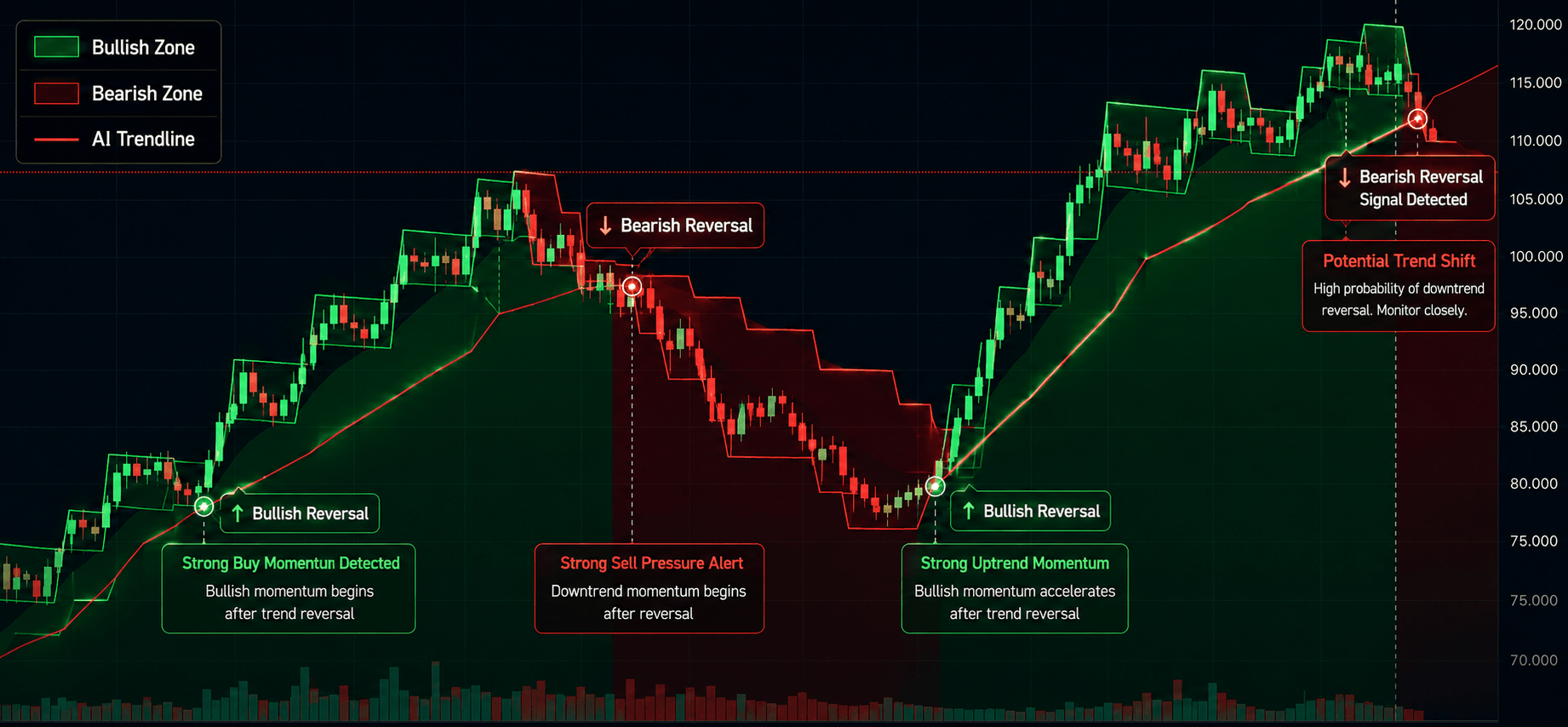
Winning Pattern Detection
Instantly surfaces the high-probability setups that repeat across the charts — a trusted edge for timing your entries and exits.
- Spot momentum building in real time
- Catch trend-reversal points before they break
- Built for active traders who need results, not theory
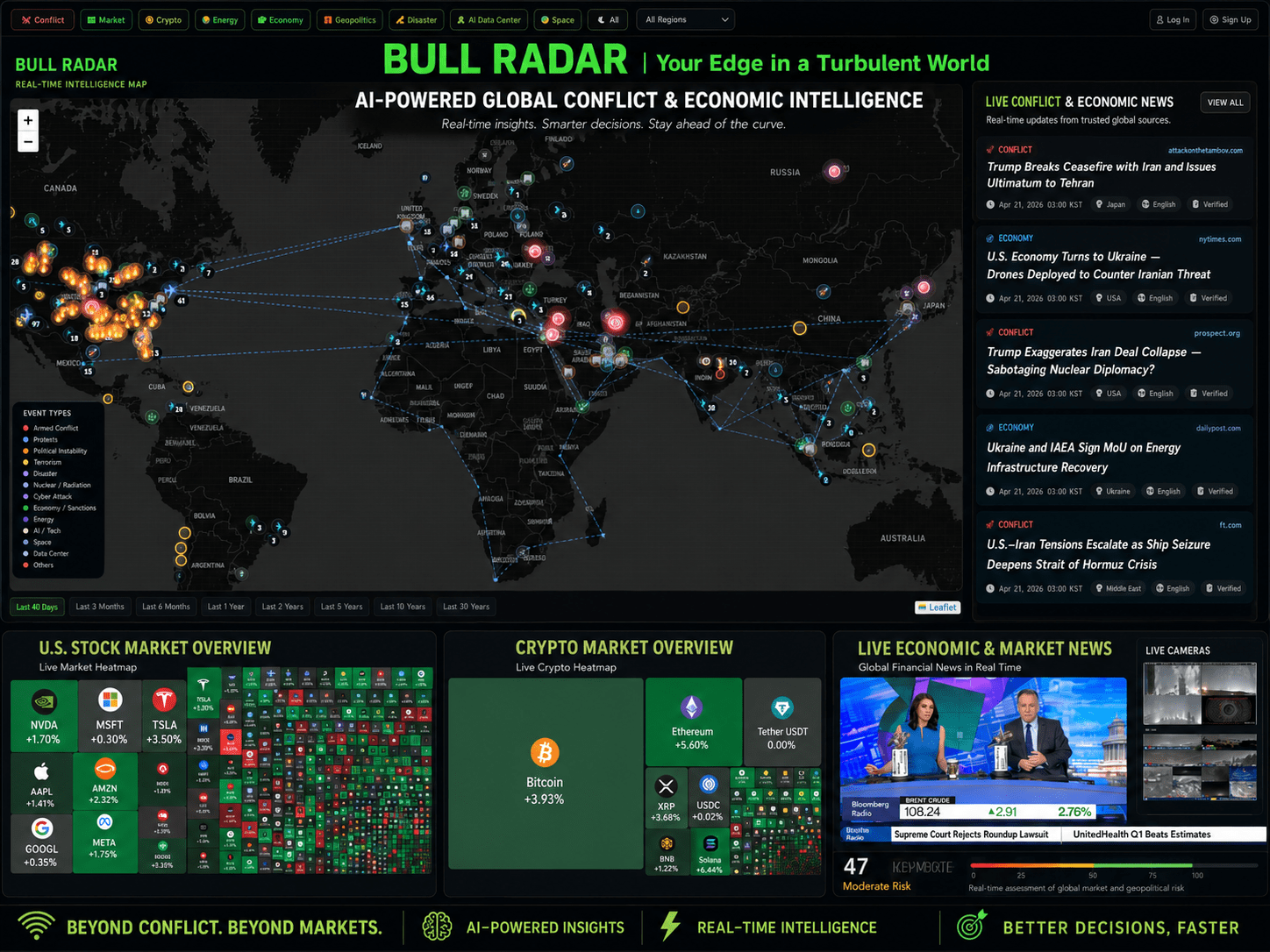
AI Live Economic Dashboard
AI analyzes real-time market data — turning complex, global investment flows into clear insight in seconds.
- Track global stock markets in real time
- See exactly which assets are strong — and which are fading
- Watch how geopolitical events move the markets
About the Author