What Is Risk Tolerance?
Risk tolerance refers to the degree of variability in investment returns an individual is willing and able to withstand while pursuing their financial goals. It’s a highly personal measure, shaped by both psychological factors — how comfortable someone genuinely feels watching their portfolio value fluctuate — and objective financial circumstances, such as time horizon, income stability, and overall net worth.
Risk Tolerance vs. Risk Capacity
It’s important to distinguish risk tolerance (emotional willingness to accept volatility) from risk capacity (the objective financial ability to absorb losses without jeopardizing important goals). Someone might have high risk capacity — a stable income, long time horizon, and substantial savings — but low emotional risk tolerance, becoming highly anxious during market downturns even when their financial situation could technically withstand it.
Factors That Shape Risk Tolerance
Time Horizon
Investors with a longer time horizon before they need to access their funds — such as young investors saving for retirement decades away — generally have greater capacity to ride out short-term market volatility in pursuit of higher long-term returns.
Financial Stability and Goals
A stable income, an adequate emergency fund, and manageable debt levels all contribute to a greater objective capacity to take on investment risk, while nearing a major financial goal (like retirement or a home purchase) typically calls for a more conservative approach regardless of emotional comfort with risk.
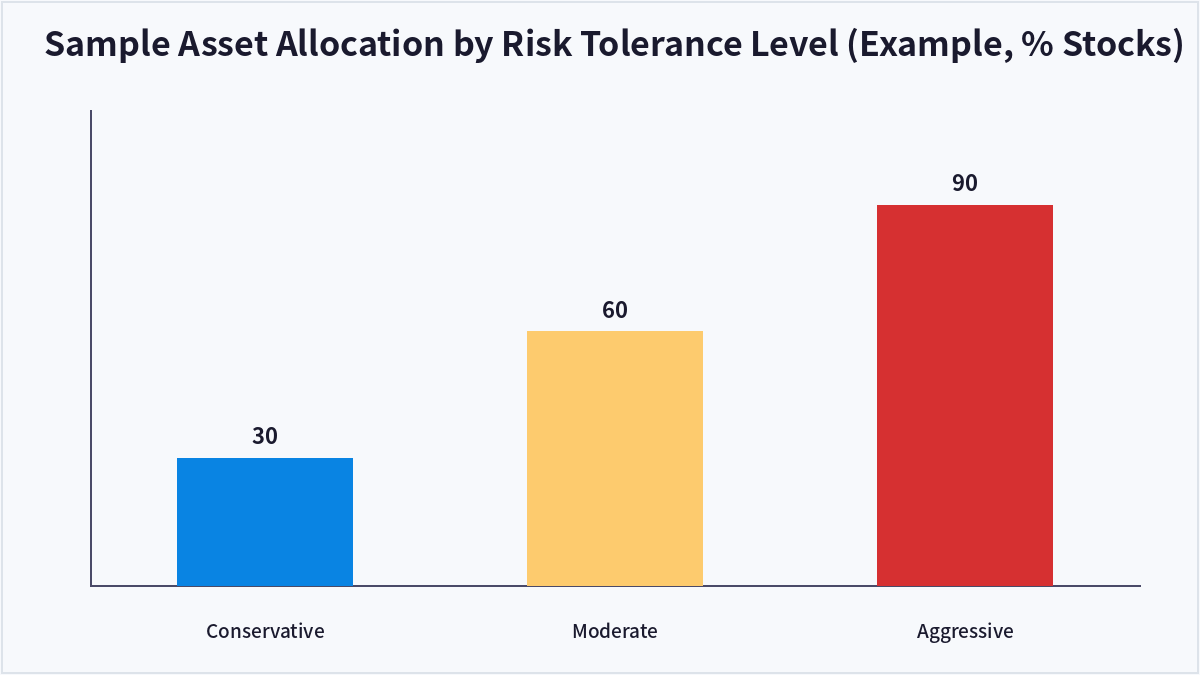
| Risk Tolerance Level | Typical Time Horizon | Common Approach |
|---|---|---|
| Conservative | Short-term or near-term goals | Heavier weighting toward bonds/cash |
| Moderate | Medium-term goals | Balanced mix of stocks and bonds |
| Aggressive | Long-term goals | Heavier weighting toward stocks |
Frequently Asked Questions
Does risk tolerance change over time?
Yes, risk tolerance commonly evolves as life circumstances change — a typical pattern involves gradually reducing risk exposure as an investor approaches retirement and their time horizon shortens.
How can I assess my own risk tolerance?
Many financial institutions offer risk tolerance questionnaires that assess both emotional comfort with volatility and objective financial factors, though honestly reflecting on how you reacted during past market downturns can also be informative.
What happens if my investments don’t match my true risk tolerance?
A mismatch — such as holding an overly aggressive portfolio despite low actual risk tolerance — can lead to panic selling during downturns, which often locks in losses and undermines long-term investment success.
Is it possible to have too little risk in a portfolio?
Yes — being overly conservative, particularly with a long time horizon, can result in returns that fail to outpace inflation over time, meaning excessive caution carries its own long-term financial risk.
Key Takeaways
Risk tolerance combines emotional willingness and financial capacity to endure investment losses, and it typically shapes how a portfolio is allocated between stocks, bonds, and other assets. Aligning actual investments with true risk tolerance helps avoid panic-driven decisions during market volatility. This article is for informational purposes only and does not constitute investment advice.
QuantPro: AI Finds the Trade Before You Do
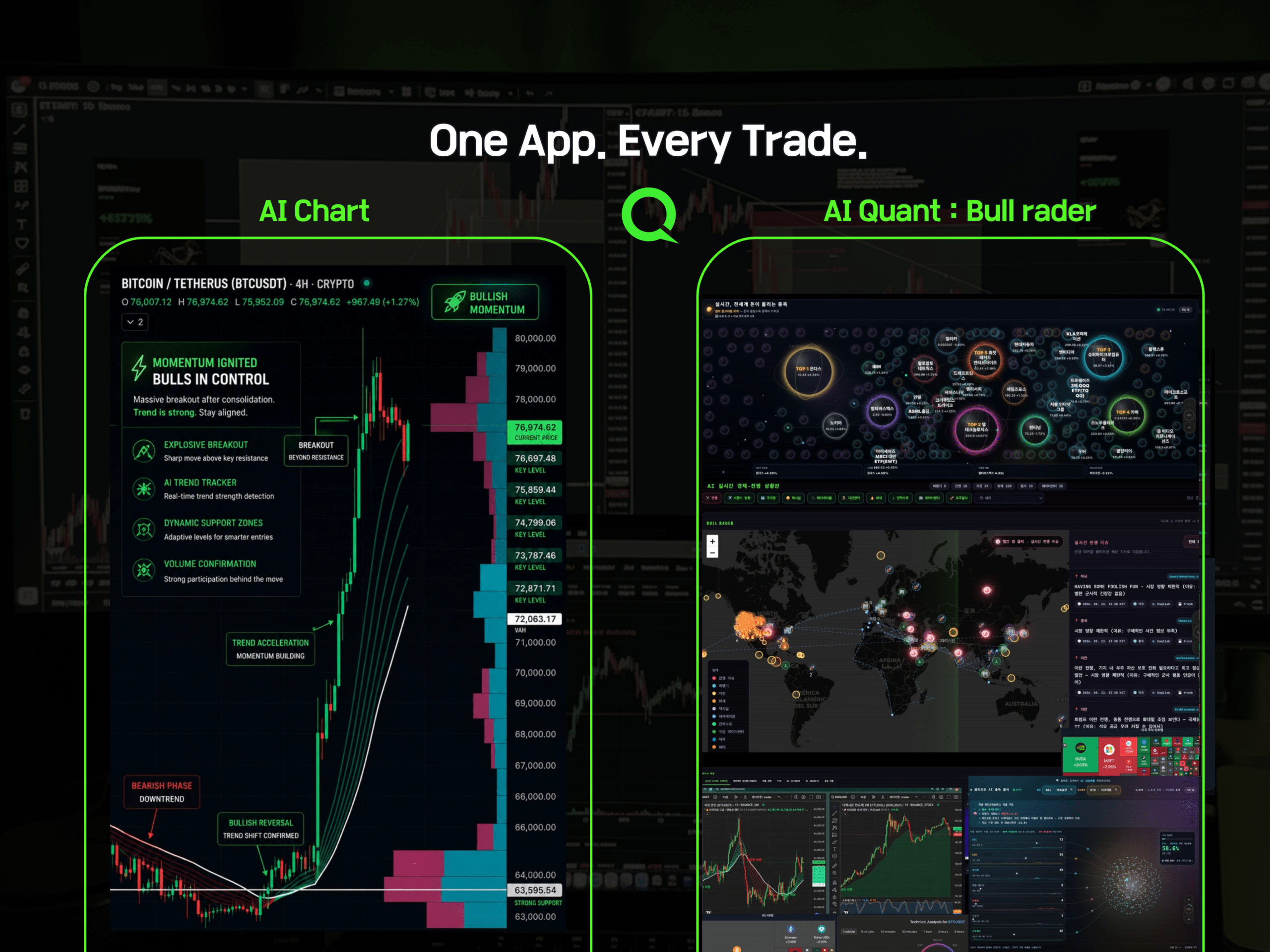
From AI-powered chart analysis to real-time market intelligence — everything a serious investor needs, in one platform.
- Automated AI chart analysis with precision trend timing
- Bull Radar: real-time visualization of geopolitical & economic shifts
- Live market-moving news and insights, curated for you
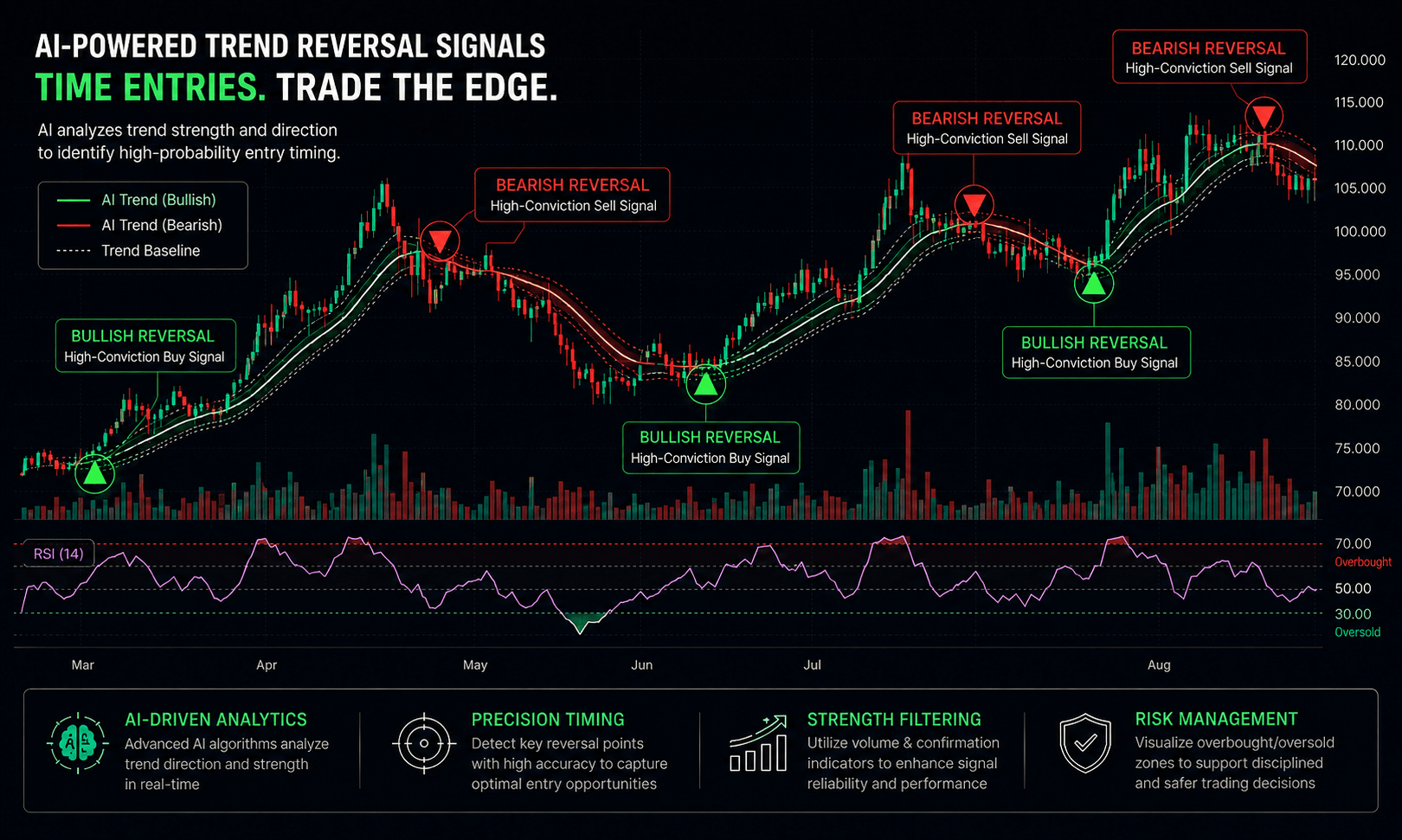
Bull Wave / Bear Wave Forecast Model
Engineered to help you read market direction and momentum faster than the crowd.
- Instantly separate bullish momentum from bearish pressure
- Pinpoint high-probability entry zones with confidence
- Chart signals clear enough for beginners, sharp enough for pros
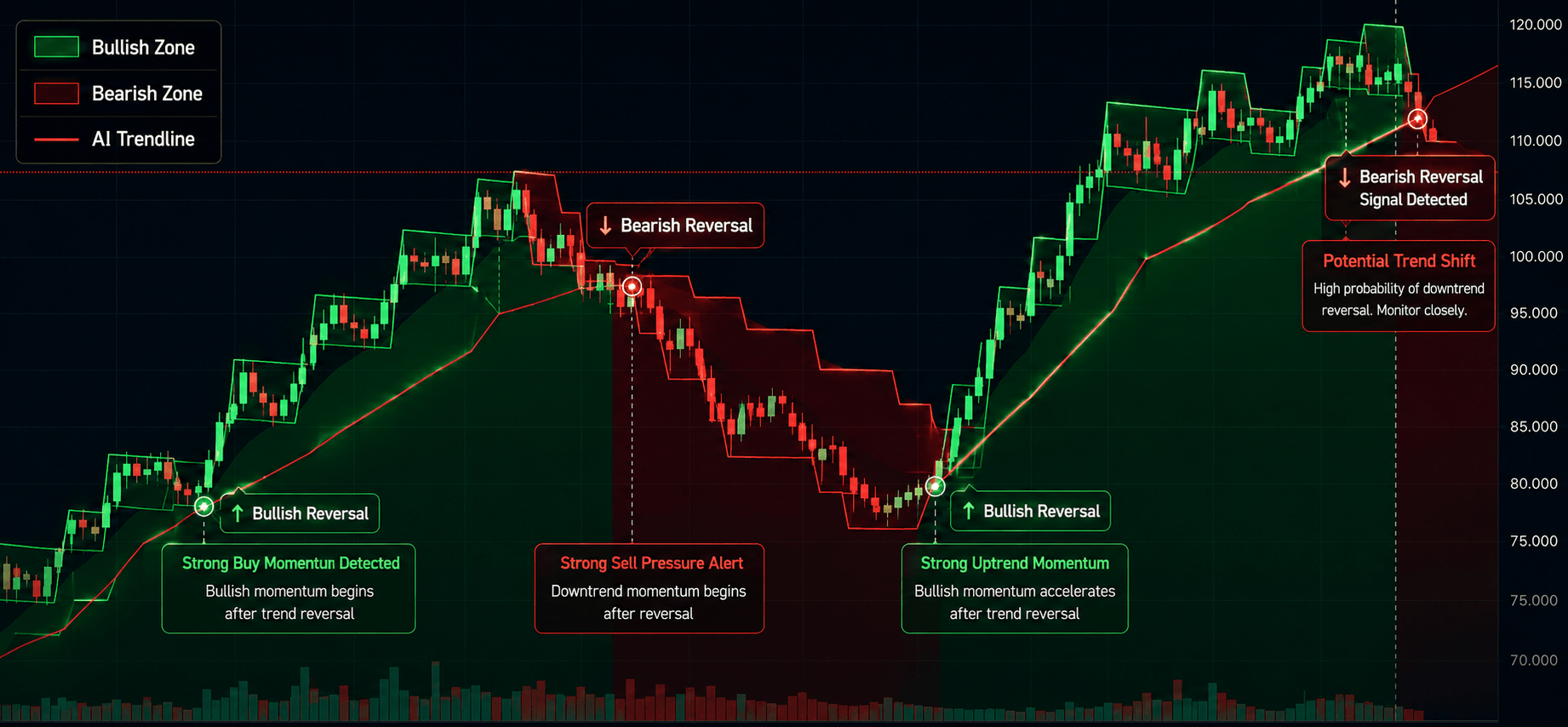
Winning Pattern Detection
Instantly surfaces the high-probability setups that repeat across the charts — a trusted edge for timing your entries and exits.
- Spot momentum building in real time
- Catch trend-reversal points before they break
- Built for active traders who need results, not theory
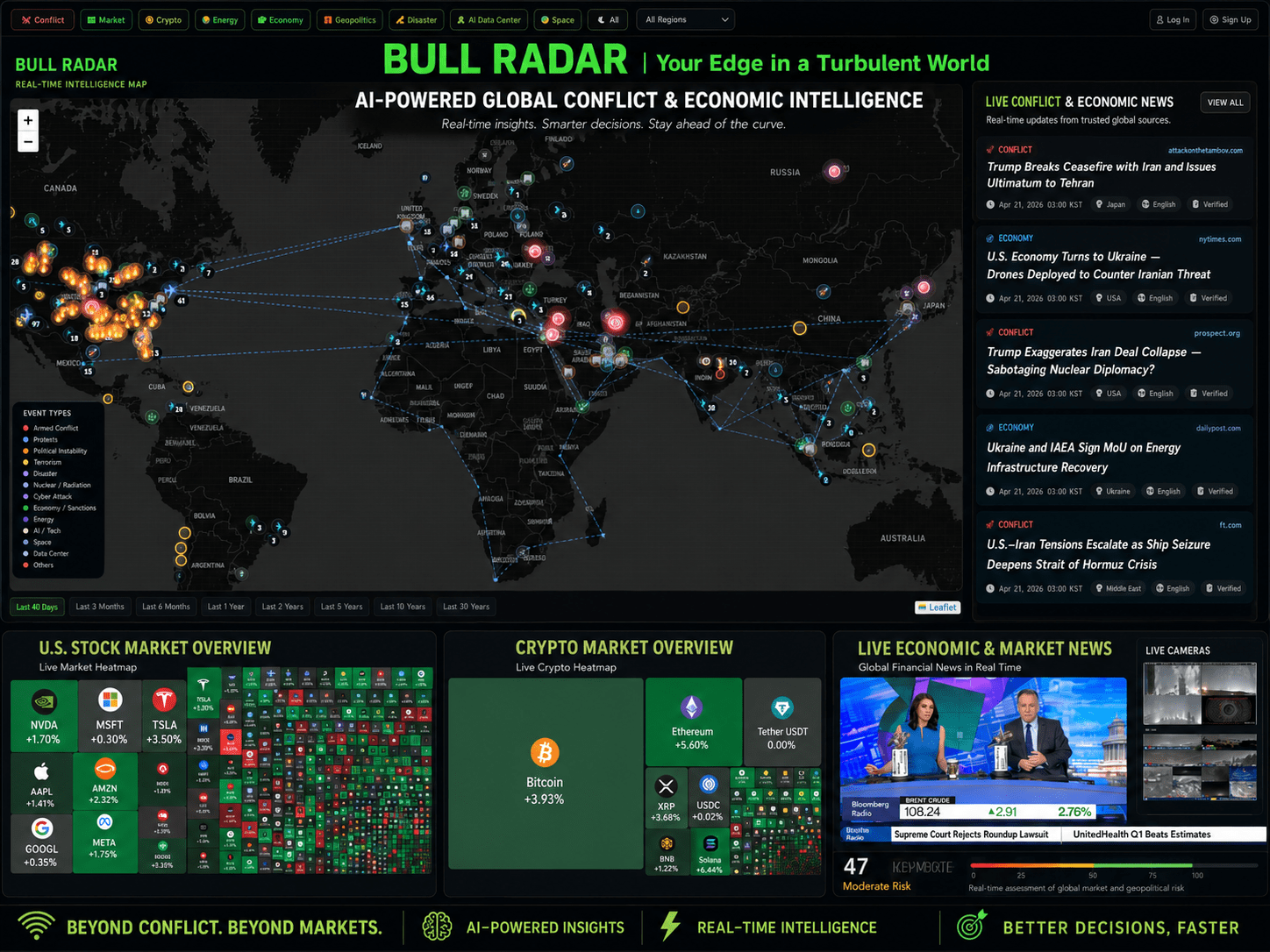
AI Live Economic Dashboard
AI analyzes real-time market data — turning complex, global investment flows into clear insight in seconds.
- Track global stock markets in real time
- See exactly which assets are strong — and which are fading
- Watch how geopolitical events move the markets
About the Author