Definition: An Over-Allotment Option
A greenshoe option, formally called an over-allotment option, is a clause in an IPO underwriting agreement that allows underwriters to sell up to an additional 15% of shares beyond the original offering size, typically by borrowing shares from the issuing company.
How It Works: Stabilizing the Price
If the stock trades above the offer price after listing, underwriters can exercise the greenshoe option to buy those extra shares from the company at the offer price and sell them into the market. If the stock falls below the offer price, underwriters instead buy shares back in the open market to support the price, effectively covering their short position from the over-allotment.

Example: A 15% Over-Allotment
If a company offers 10 million shares at $20, the greenshoe option would let underwriters sell up to 1.5 million additional shares. If the stock later dips to $18, underwriters can buy back those 1.5 million shares in the market, creating buying pressure that helps cushion the decline.
| Post-IPO Price Action | Underwriter Response | Market Effect |
|---|---|---|
| Stock trades above offer price | Exercise greenshoe, buy from issuer, sell to market | Adds supply, moderates price rise |
| Stock trades below offer price | Buy back shares in open market | Adds demand, cushions price decline |
Frequently Asked Questions
Where does the name ‘greenshoe’ come from?
The name comes from the Green Shoe Manufacturing Company, which was the first issuer to include this type of over-allotment option in its public offering agreement in 1919.
Is the greenshoe option always fully exercised?
No, underwriters can exercise all, part, or none of the greenshoe option depending on how the stock trades after listing, giving them flexibility to manage price stabilization as needed.
Does the greenshoe option cost the company money?
The company does not pay cash for the option; instead, it typically lends shares to underwriters, who return the shares or their cash equivalent depending on how the option is exercised.
Is a greenshoe option used in every IPO?
It is very common in large IPOs, especially in the U.S., but it is not legally required and smaller offerings may proceed without one.
Key Takeaways
A greenshoe option gives IPO underwriters the flexibility to sell extra shares and buy them back later, helping stabilize the stock price in its first weeks of trading. It does not guarantee price performance, but it is a standard tool for smoothing early volatility. This article is for informational purposes only and does not constitute investment advice.

QuantPro: AI Finds the Trade Before You Do
From AI-powered chart analysis to real-time market intelligence — everything a serious investor needs, in one platform.
- Automated AI chart analysis with precision trend timing
- Bull Radar: real-time visualization of geopolitical & economic shifts
- Live market-moving news and insights, curated for you

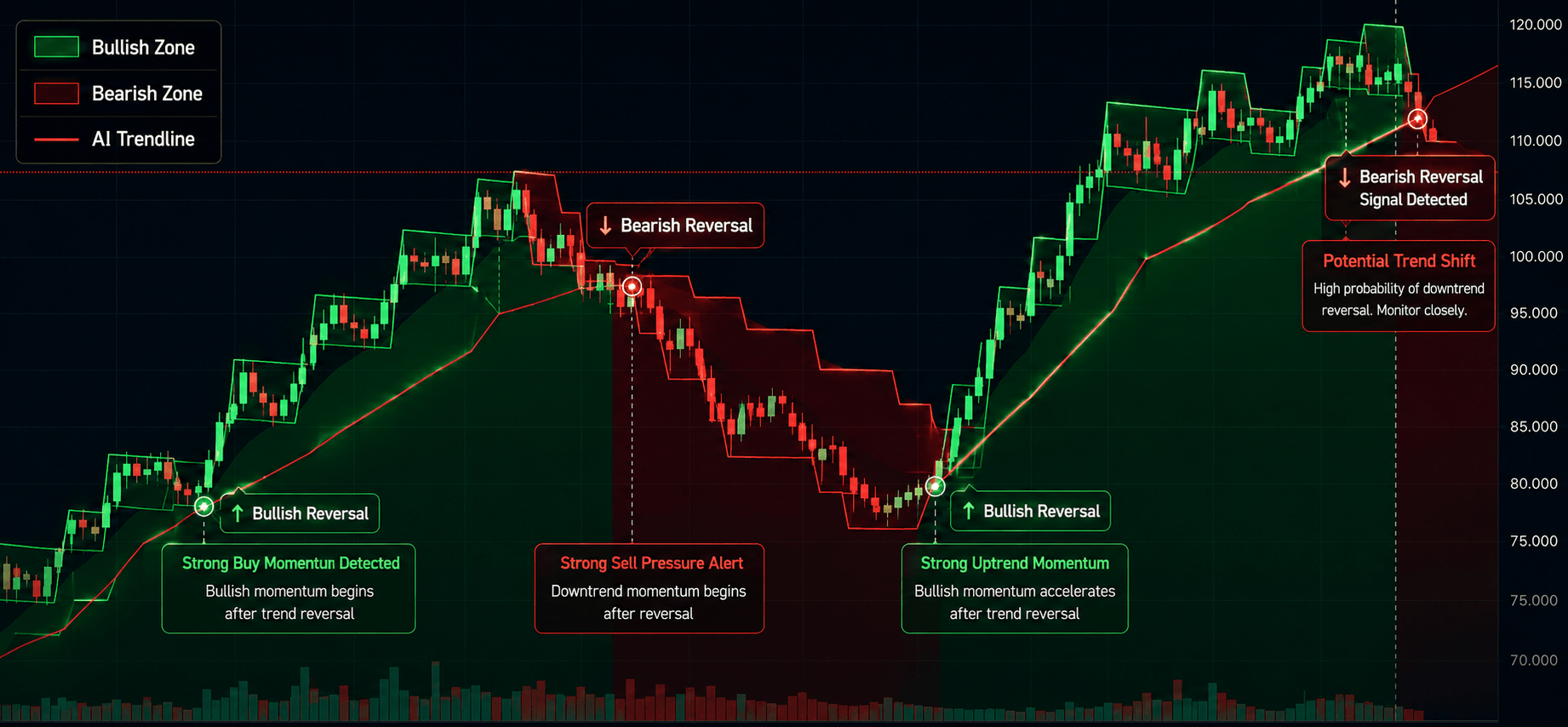
Bull Wave / Bear Wave Forecast Model
Engineered to help you read market direction and momentum faster than the crowd.
- Instantly separate bullish momentum from bearish pressure
- Pinpoint high-probability entry zones with confidence
- Chart signals clear enough for beginners, sharp enough for pros
Winning Pattern Detection
Instantly surfaces the high-probability setups that repeat across the charts — a trusted edge for timing your entries and exits.
- Spot momentum building in real time
- Catch trend-reversal points before they break
- Built for active traders who need results, not theory

AI Live Economic Dashboard
AI analyzes real-time market data — turning complex, global investment flows into clear insight in seconds.
- Track global stock markets in real time
- See exactly which assets are strong — and which are fading
- Watch how geopolitical events move the markets
About the Author