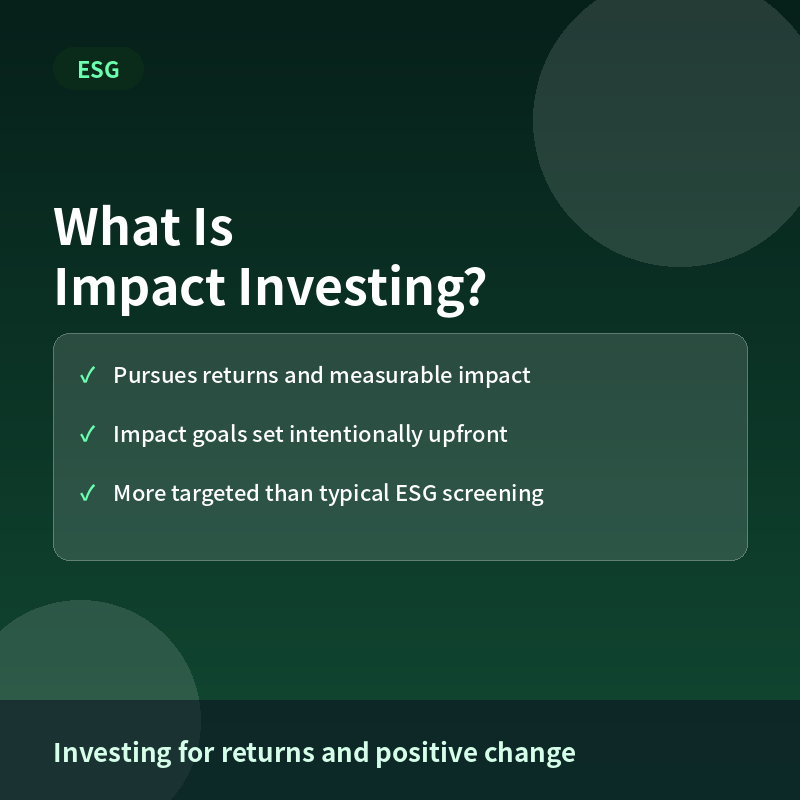
What Is Impact Investing?
Impact investing is an investment approach that intentionally seeks measurable, positive social or environmental outcomes alongside a financial return. Unlike an investment that happens to have a beneficial side effect, impact investing sets specific, trackable goals at the outset, before capital is even deployed.
How It Differs From ESG Investing
Level of Active Intent
ESG investing typically evaluates companies against environmental, social, and governance criteria to manage risk or select higher-quality companies within a broad public-market universe. Impact investing takes a more direct approach, allocating capital specifically to businesses or projects designed to solve a defined problem.
How Precisely Outcomes Are Measured
Impact investors typically define concrete metrics in advance, such as the number of people gaining access to clean water or tons of carbon emissions avoided, and then track and report on those metrics after the investment is made, treating measurement as a core requirement rather than an afterthought.
Where Impact Investing Shows Up in Practice
Renewable energy infrastructure, microfinance for underserved populations, and direct equity stakes in social enterprises are common impact investing areas. Pension funds and large asset managers have increasingly launched dedicated impact funds, growing the overall market.

| Feature | ESG Investing | Impact Investing |
|---|---|---|
| Primary goal | Risk management, quality screening | Solving a specific social/environmental problem |
| Outcome measurement | ESG ratings/scores as a reference | Concrete, pre-defined impact metrics |
| Typical universe | Broad public equities | Targeted impact-generating projects/businesses |
| Return expectation | Market-rate, broadly | Ranges from market-rate to below-market, by product |
Frequently Asked Questions
Does impact investing mean giving up financial returns?
Not necessarily. Many impact investing products target market-rate returns, though some products with an especially strong social mission are structured to accept below-market returns, so expectations vary by specific fund.
How do investors verify that claimed impact is real?
Frameworks like IRIS+ are widely used to standardize impact measurement, and third-party verification is increasingly common to validate whether stated goals were actually achieved.
Can individual investors access impact investing?
Yes. A growing number of asset managers offer impact-focused funds to retail investors, and crowdfunding platforms focused on social enterprises provide another way to participate with smaller amounts.
What is impact washing?
Impact washing refers to marketing an investment as having genuine social impact without delivering measurable results. Checking for specific, pre-defined metrics and independent verification is the best way to guard against it.
Key Takeaways
Impact investing intentionally targets measurable social or environmental outcomes alongside financial returns, making it a more direct and outcome-driven approach than typical ESG screening, which focuses more on risk management. Anyone considering it should look for concrete impact metrics and independent verification before committing capital. This article is for informational purposes only and does not constitute investment advice.

QuantPro: AI Finds the Trade Before You Do
From AI-powered chart analysis to real-time market intelligence — everything a serious investor needs, in one platform.
- Automated AI chart analysis with precision trend timing
- Bull Radar: real-time visualization of geopolitical & economic shifts
- Live market-moving news and insights, curated for you
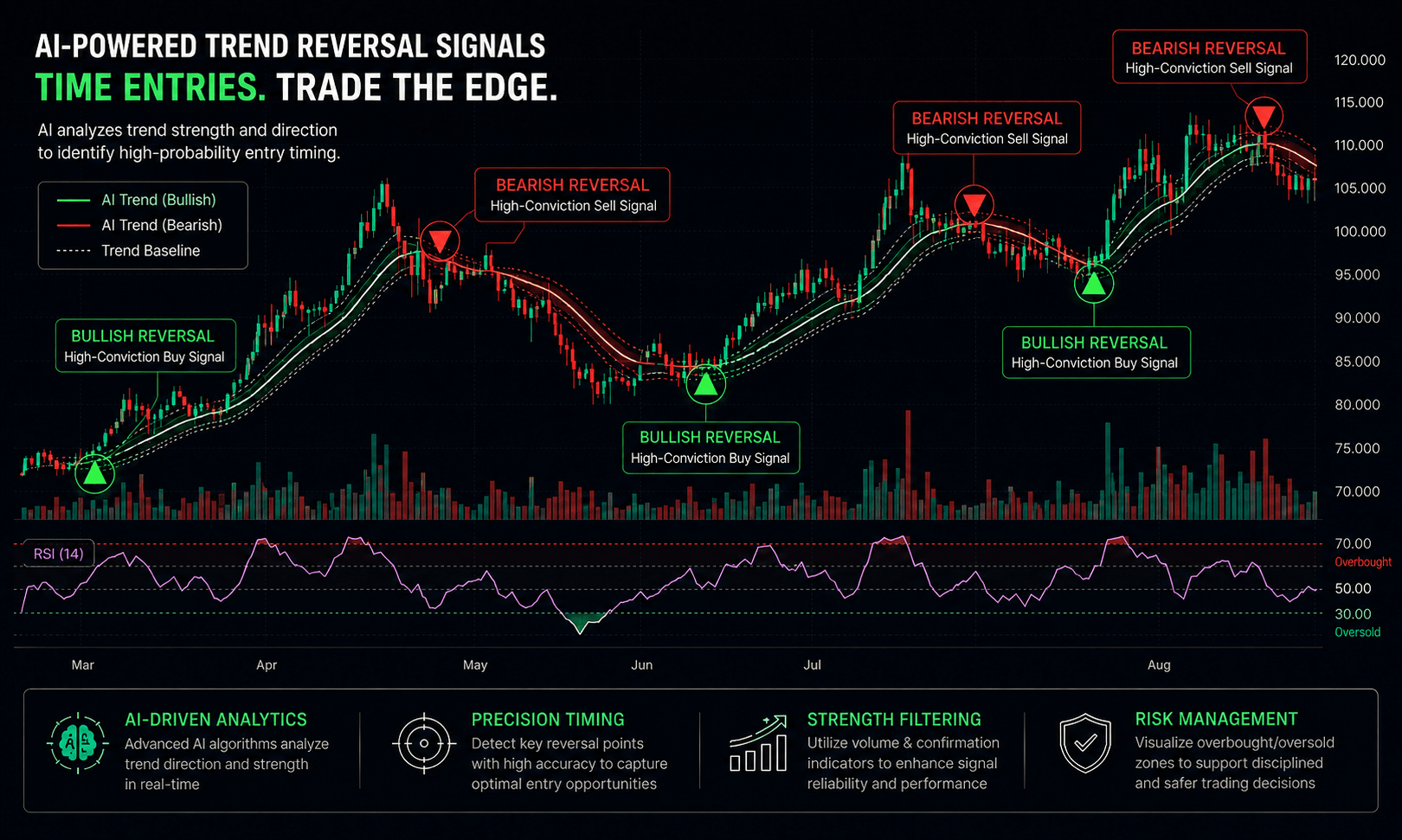
Bull Wave / Bear Wave Forecast Model
Engineered to help you read market direction and momentum faster than the crowd.
- Instantly separate bullish momentum from bearish pressure
- Pinpoint high-probability entry zones with confidence
- Chart signals clear enough for beginners, sharp enough for pros
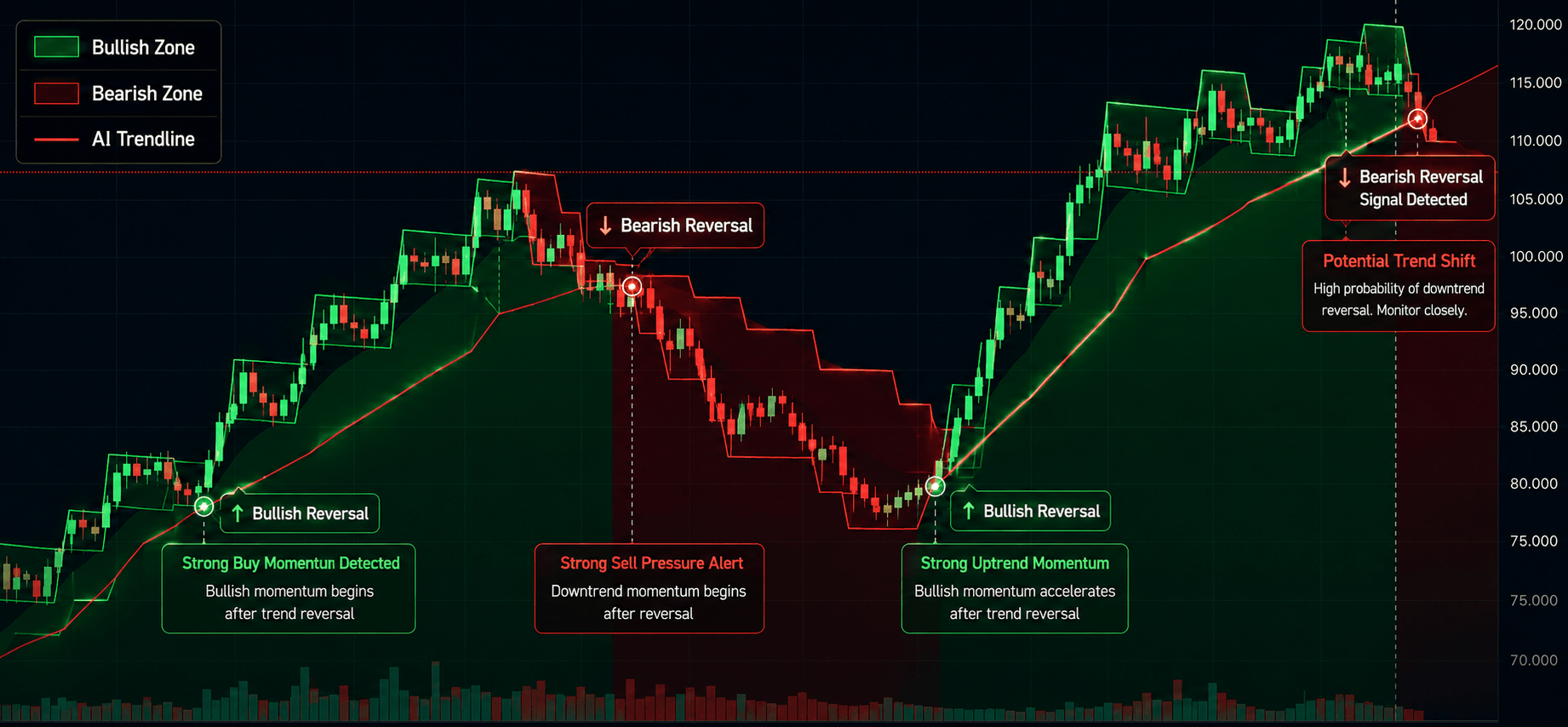
Winning Pattern Detection
Instantly surfaces the high-probability setups that repeat across the charts — a trusted edge for timing your entries and exits.
- Spot momentum building in real time
- Catch trend-reversal points before they break
- Built for active traders who need results, not theory
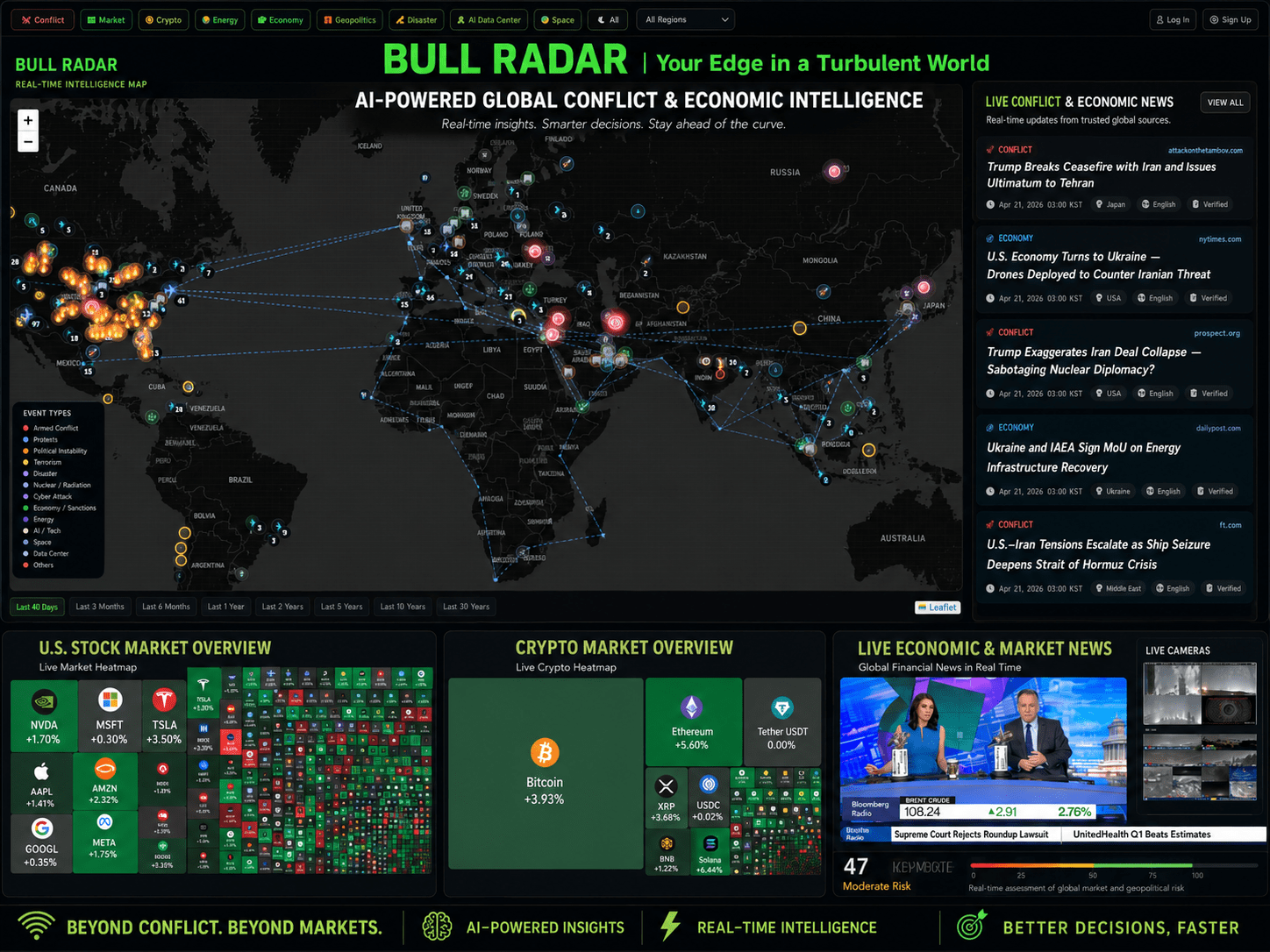
AI Live Economic Dashboard
AI analyzes real-time market data — turning complex, global investment flows into clear insight in seconds.
- Track global stock markets in real time
- See exactly which assets are strong — and which are fading
- Watch how geopolitical events move the markets
About the Author