What Is a Repurchase Agreement?
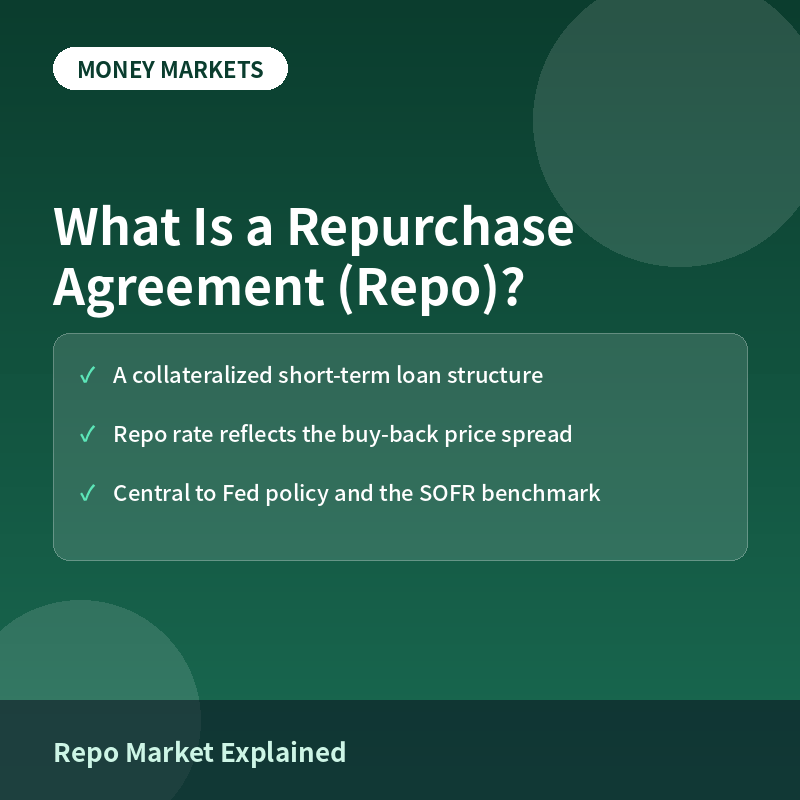
A repurchase agreement, or repo, is a short-term borrowing arrangement in which one party sells a security — typically a U.S. Treasury — to another party and simultaneously agrees to buy it back at a slightly higher price on a specified future date, often the next business day. Economically, it functions as a collateralized loan: the seller is the borrower of cash, and the buyer is the lender, holding the security as collateral. From the buyer’s side, the same transaction is called a reverse repo.
How a Repo Transaction Works
Suppose a bond dealer needs $100 million in overnight cash. It sells $100 million in Treasury securities to a money market fund and agrees to repurchase them the next day for $100.0139 million. That $13,900 difference, annualized, represents the implied interest — the repo rate — on what is effectively a one-day, fully collateralized loan.
The Repo Rate and Haircuts
Repo Rate
The repo rate is the interest rate implied by the difference between the sale price and the repurchase price. Overnight repo rates normally track closely to the federal funds rate, and the Secured Overnight Financing Rate (SOFR) — now the primary U.S. dollar reference rate — is built directly from actual Treasury repo market transactions.
Haircuts
Lenders typically advance less cash than the full market value of the collateral, a buffer known as a haircut, which protects against a drop in collateral value before repayment. A 2% haircut on $100 million in collateral means the lender advances roughly $98 million.
| Collateral Type | Typical Haircut Range |
|---|---|
| U.S. Treasuries | 0.5% – 2% |
| Agency MBS | 2% – 5% |
| Investment-grade corporate bonds | 5% – 10% |
| Equities | 10% – 20% |
Why the Repo Market Matters
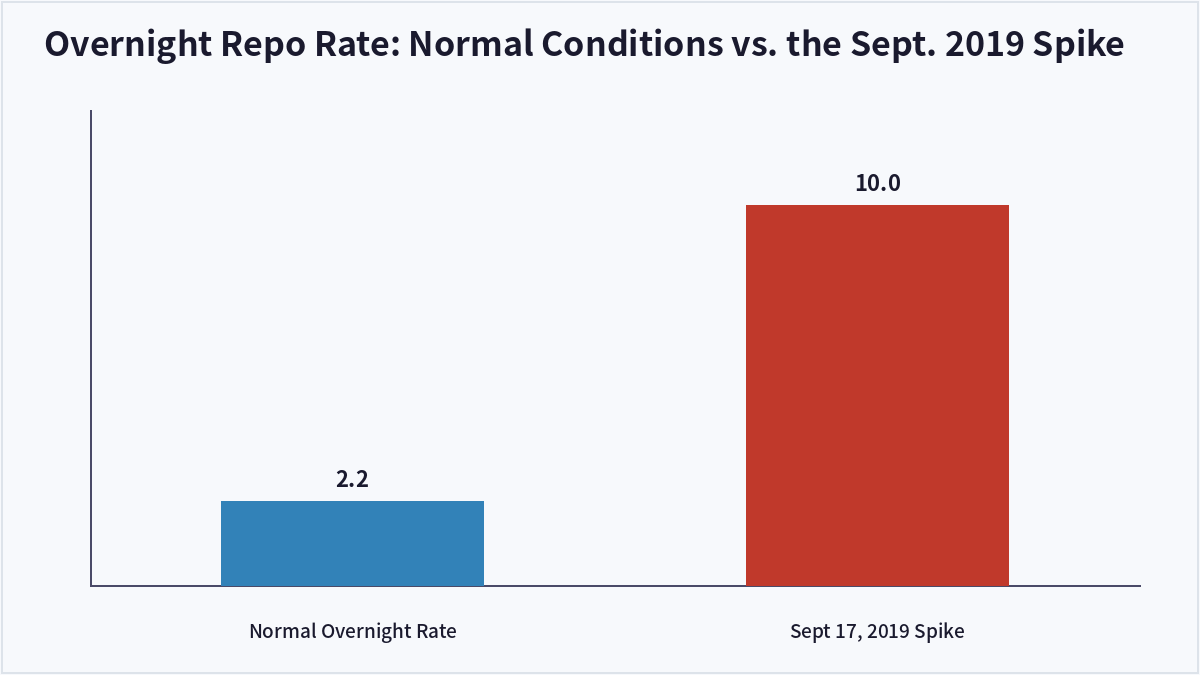
The repo market is the plumbing of the financial system: banks, money market funds, hedge funds, and dealers rely on it every day for short-term liquidity, and the Federal Reserve itself uses repo and reverse repo operations to manage the fed funds rate and control the level of bank reserves. When that plumbing seizes up, the effects can be severe. On September 17, 2019, overnight repo rates briefly spiked to nearly 10% — more than four times the roughly 2.2% federal funds target at the time — as a shortage of available reserves collided with heavy Treasury settlement and tax-payment demand for cash. The Fed responded with emergency repo operations to restore order.
Frequently Asked Questions
What’s the difference between a repo and a reverse repo?
They describe the same transaction from opposite sides. The party selling securities and receiving cash is doing a repo (borrowing); the party buying securities and providing cash is doing a reverse repo (lending).
Why do repo rates matter to the average investor?
Repo rates underpin SOFR, which has replaced LIBOR as the benchmark for trillions of dollars in loans, derivatives, and floating-rate securities. Stress in the repo market can also be an early signal of broader liquidity problems in the financial system.
What triggered the September 2019 repo market spike?
A combination of factors converged on the same days: large corporate tax payments drained cash from the banking system, a wave of Treasury settlements needed funding, and post-financial-crisis regulations had left banks holding less spare cash than in the past — together pushing demand for overnight funding far above the available supply.
How is SOFR related to the repo market?
SOFR is calculated directly from actual overnight Treasury repo transaction data, making it a rate grounded in real, observable market activity rather than a rate estimated from bank submissions, as the now-discontinued LIBOR was.
Key Takeaways
A repurchase agreement is a collateralized short-term loan disguised as a sale-and-buyback of securities, with the repo rate reflecting the implied cost of that overnight borrowing. It sits at the center of both daily market liquidity and the SOFR benchmark that has replaced LIBOR. This article is for informational purposes only and does not constitute investment advice.
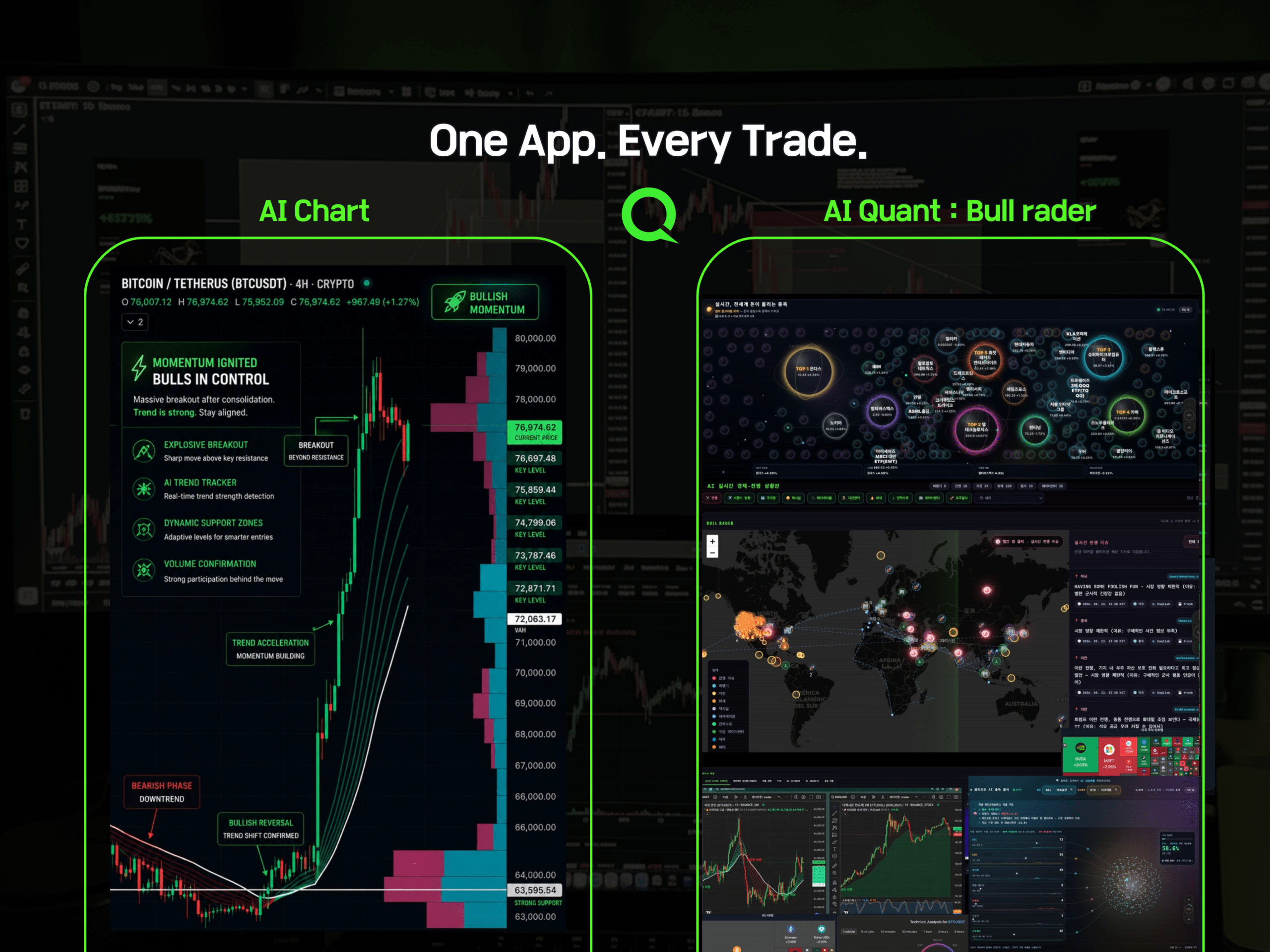
QuantPro: AI Finds the Trade Before You Do
From AI-powered chart analysis to real-time market intelligence — everything a serious investor needs, in one platform.
- Automated AI chart analysis with precision trend timing
- Bull Radar: real-time visualization of geopolitical & economic shifts
- Live market-moving news and insights, curated for you
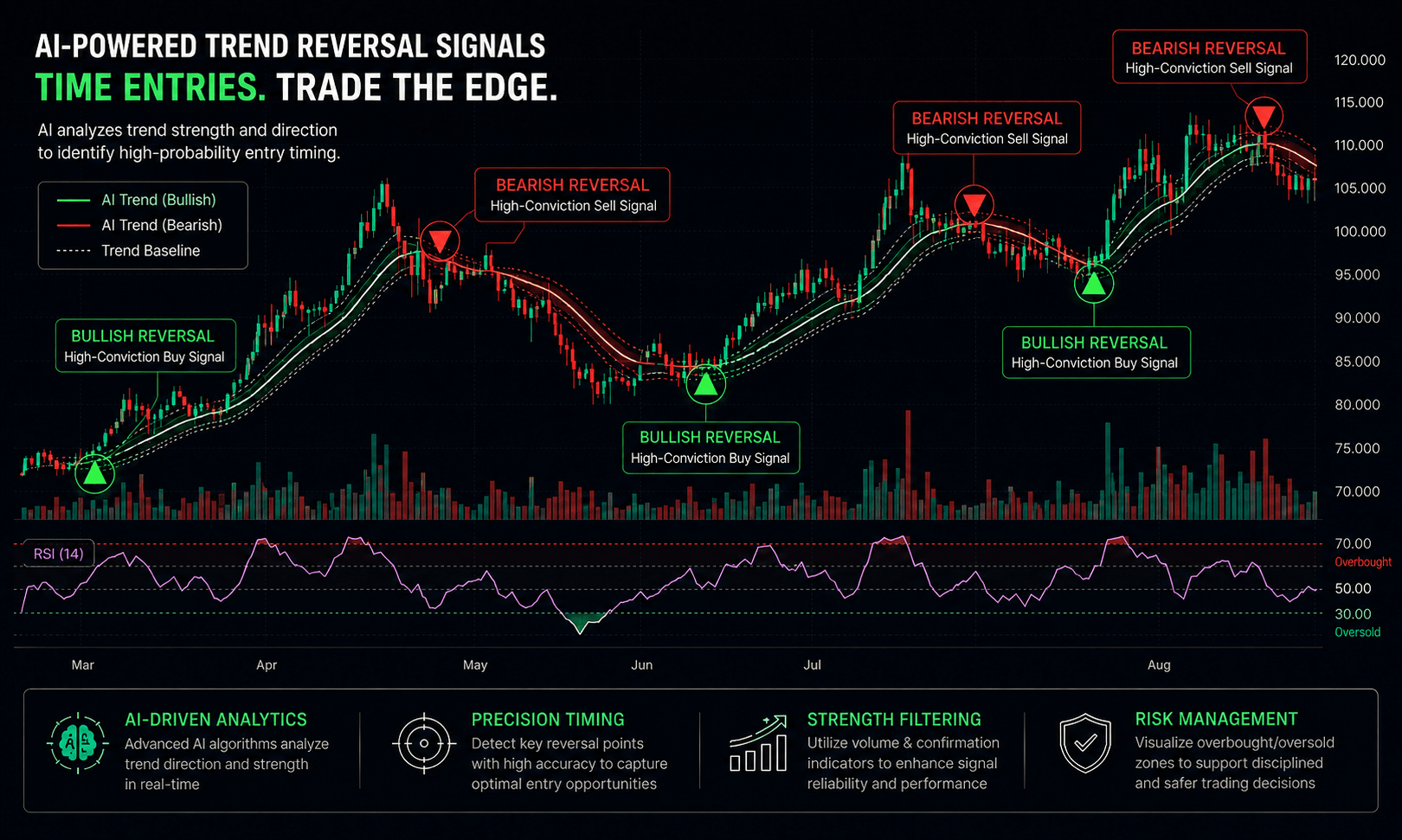
Bull Wave / Bear Wave Forecast Model
Engineered to help you read market direction and momentum faster than the crowd.
- Instantly separate bullish momentum from bearish pressure
- Pinpoint high-probability entry zones with confidence
- Chart signals clear enough for beginners, sharp enough for pros
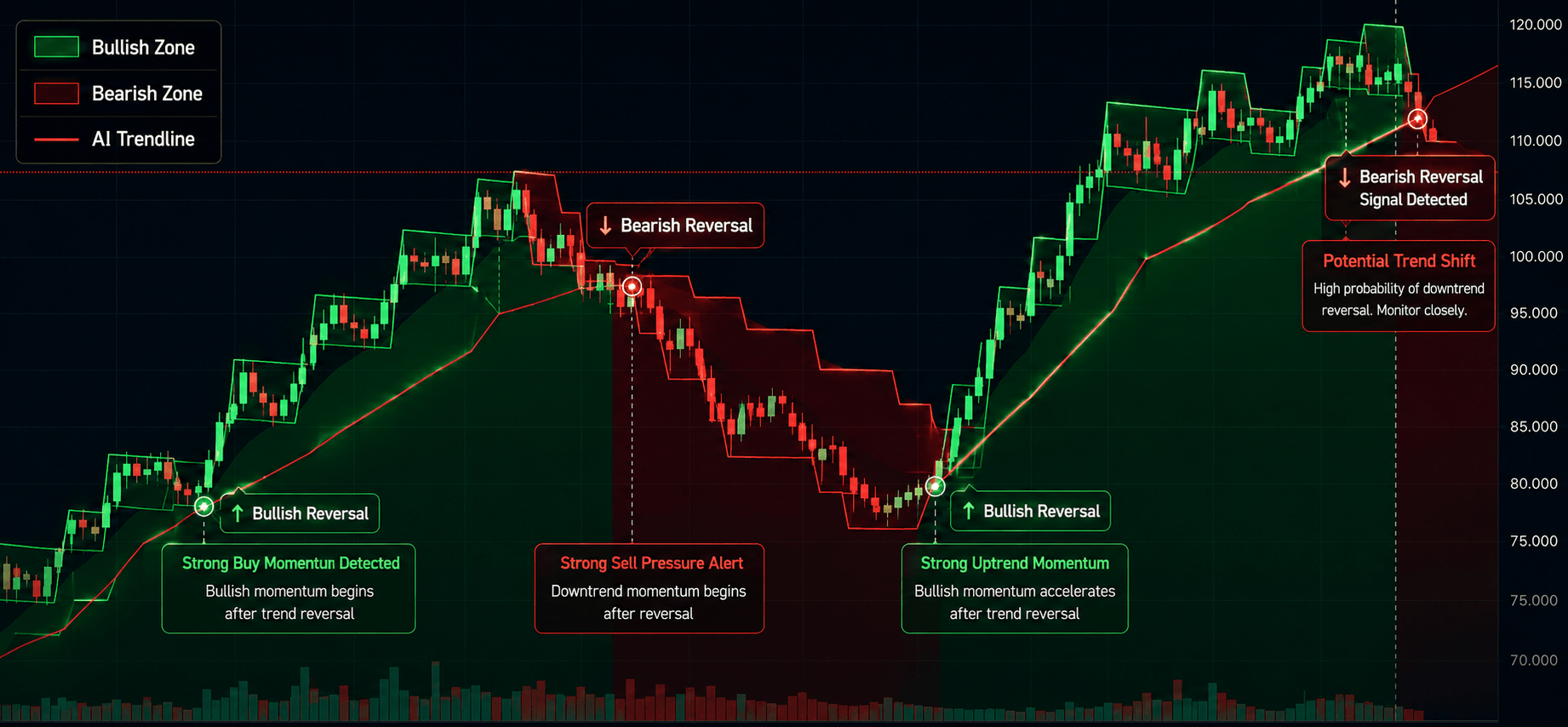
Winning Pattern Detection
Instantly surfaces the high-probability setups that repeat across the charts — a trusted edge for timing your entries and exits.
- Spot momentum building in real time
- Catch trend-reversal points before they break
- Built for active traders who need results, not theory

AI Live Economic Dashboard
AI analyzes real-time market data — turning complex, global investment flows into clear insight in seconds.
- Track global stock markets in real time
- See exactly which assets are strong — and which are fading
- Watch how geopolitical events move the markets
About the Author