What EBITDA Means
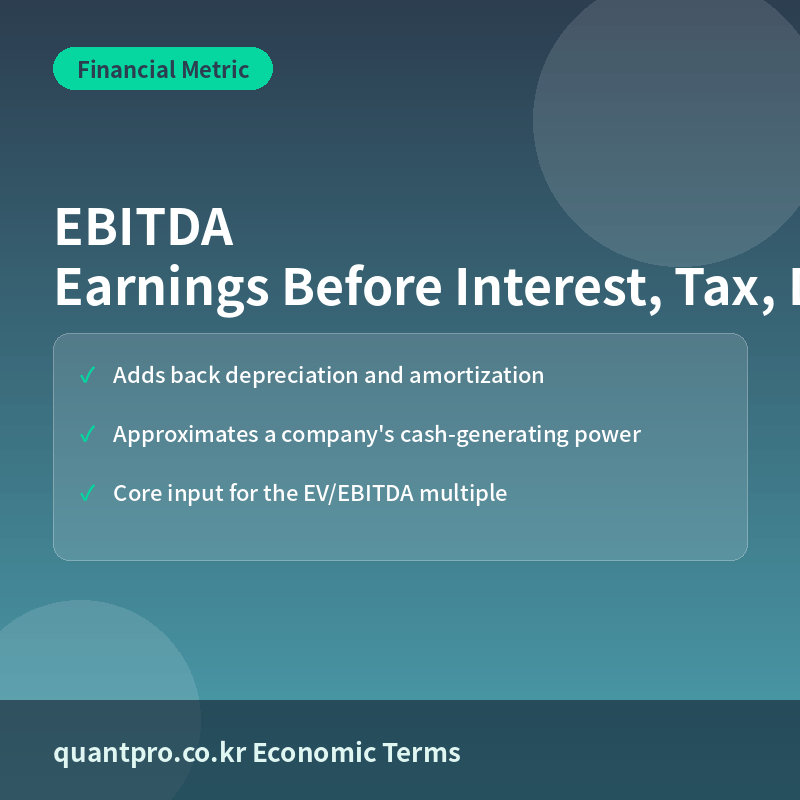
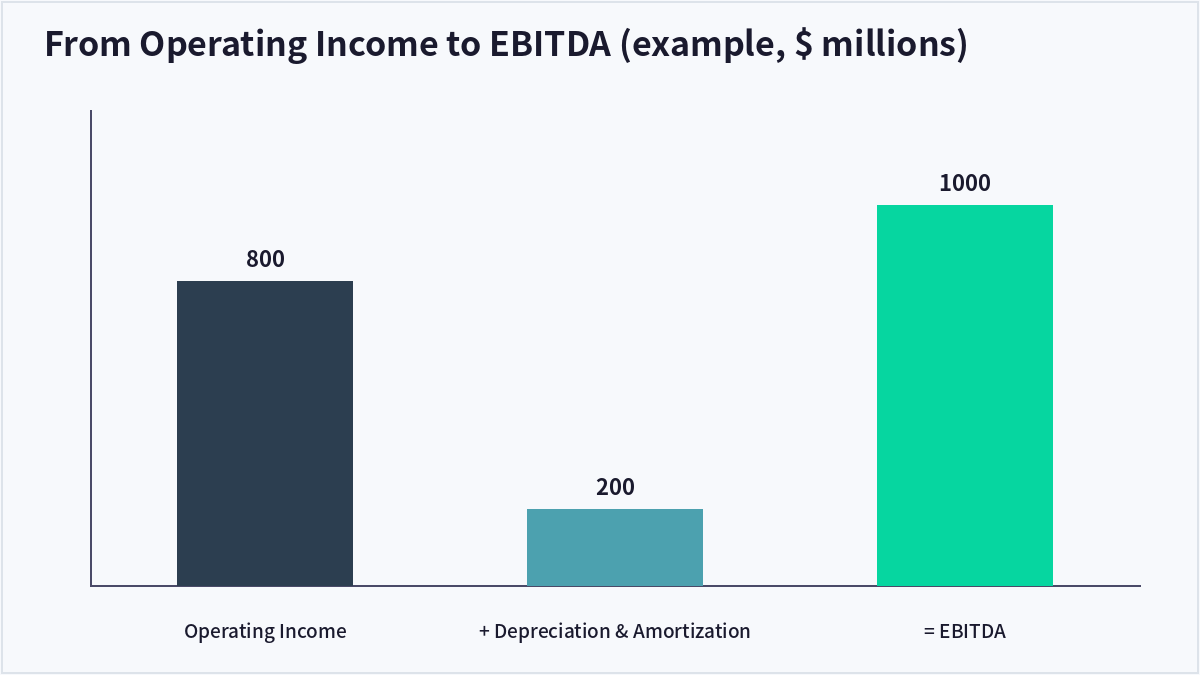
EBITDA stands for Earnings Before Interest, Taxes, Depreciation, and Amortization. It is typically calculated as EBITDA = Operating Income + Depreciation + Amortization, adding back two non-cash expenses that were already deducted in arriving at operating income. The result is meant to approximate a company’s core cash-generating capability before the effects of financing and accounting decisions.
How EBITDA Differs From Net Income
Net income reflects interest expense, taxes, and non-cash charges like depreciation, all of which can vary significantly based on a company’s capital structure, tax jurisdiction, and asset base. EBITDA strips these out, which makes it easier to compare the underlying operating performance of companies with different debt levels, tax rates, or depreciation schedules — particularly useful in capital-intensive industries like telecom or manufacturing.
Why EBITDA Is Used in Valuation
Because EBITDA removes the effects of financing and accounting choices, the EV/EBITDA multiple (enterprise value divided by EBITDA) is widely used alongside the P/E ratio for comparing companies across different capital structures, and is especially common in M&A valuation. That said, EBITDA ignores capital expenditure requirements, so it should be paired with free cash flow analysis for a fuller picture of a company’s financial health.
| Metric | Reflects Depreciation? | Reflects Capital Structure? |
|---|---|---|
| Net Income | Yes (deducted) | Yes (interest expense included) |
| EBITDA | No (added back) | No (before interest and tax) |
| Free Cash Flow | Indirectly (via CapEx) | Partially |
Frequently Asked Questions
Is a higher EBITDA always a good sign?
A high EBITDA suggests strong core cash-generating ability, but because it excludes capital expenditures and debt obligations, it shouldn’t be used alone to judge a company’s overall financial health.
Why do companies with heavy capital investment use EBITDA?
Businesses with large depreciation charges from equipment or infrastructure can look less profitable on a net income basis than their actual cash generation would suggest, so EBITDA offers a clearer comparison across similar capital-intensive companies.
Is EBITDA the same as operating cash flow?
No — EBITDA is a simplified approximation derived from the income statement, while operating cash flow comes directly from the cash flow statement and also accounts for changes in working capital, making it a more precise measure of actual cash generated.
What’s the difference between EBITDA and EBIT?
EBIT (Earnings Before Interest and Taxes) does not add back depreciation and amortization, while EBITDA does — meaning EBITDA will typically be equal to or higher than EBIT for the same company.
Key Takeaways
EBITDA adds back non-cash depreciation and amortization to operating income to approximate a company’s core cash-generating power, and is widely used in the EV/EBITDA multiple, though it should be paired with free cash flow analysis for a complete picture. This article is for informational purposes only and does not constitute investment advice.

QuantPro: AI Finds the Trade Before You Do
From AI-powered chart analysis to real-time market intelligence — everything a serious investor needs, in one platform.
- Automated AI chart analysis with precision trend timing
- Bull Radar: real-time visualization of geopolitical & economic shifts
- Live market-moving news and insights, curated for you
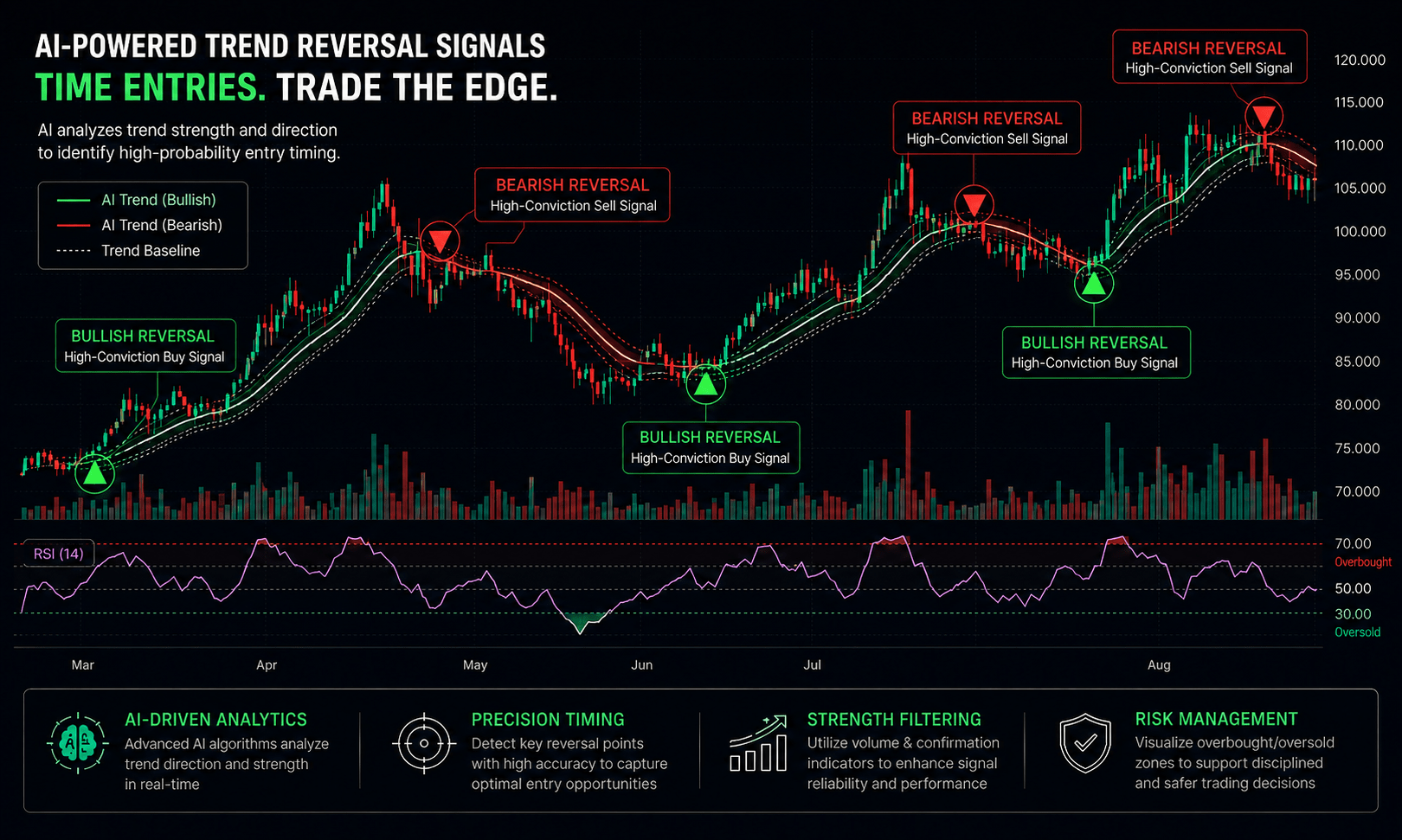
Bull Wave / Bear Wave Forecast Model
Engineered to help you read market direction and momentum faster than the crowd.
- Instantly separate bullish momentum from bearish pressure
- Pinpoint high-probability entry zones with confidence
- Chart signals clear enough for beginners, sharp enough for pros
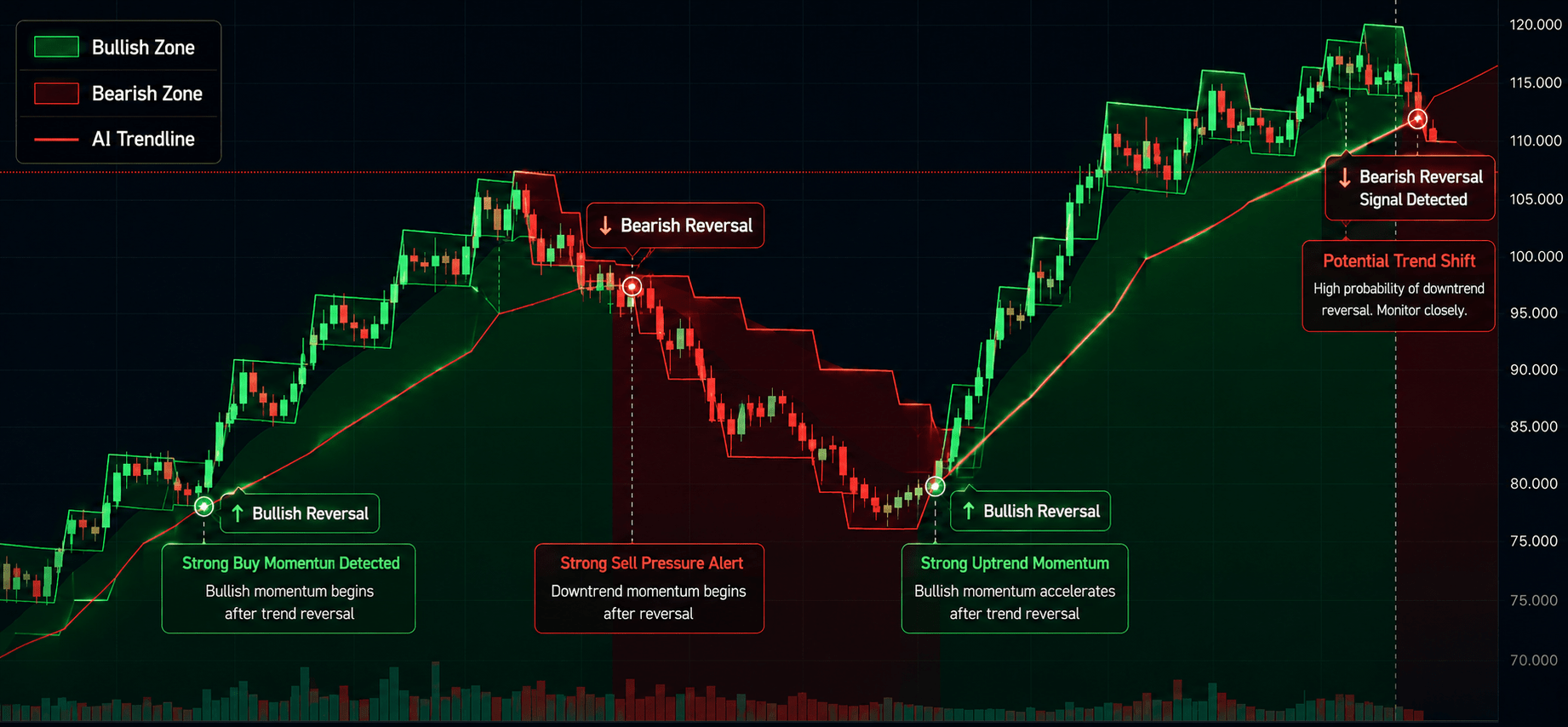
Winning Pattern Detection
Instantly surfaces the high-probability setups that repeat across the charts — a trusted edge for timing your entries and exits.
- Spot momentum building in real time
- Catch trend-reversal points before they break
- Built for active traders who need results, not theory

AI Live Economic Dashboard
AI analyzes real-time market data — turning complex, global investment flows into clear insight in seconds.
- Track global stock markets in real time
- See exactly which assets are strong — and which are fading
- Watch how geopolitical events move the markets
About the Author