Definition: The Average Loss Beyond VaR
Expected Shortfall, also called Conditional Value at Risk (CVaR), is a risk measure that estimates the average loss a portfolio would experience in the worst-case scenarios that exceed a given Value at Risk (VaR) threshold, rather than simply stating that threshold itself.
How It Works: Going Beyond a Single Cutoff
If a portfolio’s one-day 95% VaR is $1 million, that only states there is a 5% chance of losing more than $1 million on a given day; it says nothing about how much more could be lost. Expected Shortfall instead calculates the average of all losses that fall within that worst 5% of outcomes, for example finding that the average loss in those tail scenarios is $1.6 million.

Why Risk Managers Prefer It for Tail Risk
Because VaR treats all outcomes beyond its threshold the same way regardless of severity, two portfolios with identical VaR figures can have very different tail risk; Expected Shortfall distinguishes between them by capturing how bad the worst-case losses actually tend to be, which is one reason global bank capital rules have shifted toward requiring it.
| Risk Measure | What It States | Captures Tail Severity? |
|---|---|---|
| Value at Risk (VaR) | A loss threshold not expected to be exceeded at a given confidence level | No |
| Expected Shortfall (CVaR) | The average loss when that threshold is exceeded | Yes |
Frequently Asked Questions
Why did bank regulators move toward Expected Shortfall?
Under the Basel Committee’s market risk framework (often referred to as the Fundamental Review of the Trading Book), regulators shifted from 99% VaR toward 97.5% Expected Shortfall specifically because it better captures the severity of extreme losses that VaR ignores beyond its threshold.
Is Expected Shortfall always higher than VaR at the same confidence level?
Yes, by construction Expected Shortfall averages losses that are at least as large as the VaR threshold, so it will always be equal to or greater than the VaR figure at that same confidence level.
Does Expected Shortfall have any limitations?
It still relies on assumptions about the shape of the loss distribution and the quality of historical or simulated data used to estimate it, and can be harder to backtest reliably compared to VaR.
Can individual investors use Expected Shortfall?
While more commonly used by institutional risk managers, sophisticated individual investors can apply the same concept to their own portfolios using historical return data or Monte Carlo simulation to estimate potential tail losses.
Key Takeaways
Expected Shortfall estimates the average loss in the worst-case scenarios beyond a VaR threshold, capturing tail risk severity that VaR alone does not address. Its adoption in bank capital regulation reflects a broader shift toward measuring how bad extreme losses can actually get. This article is for informational purposes only and does not constitute investment advice.

QuantPro: AI Finds the Trade Before You Do
From AI-powered chart analysis to real-time market intelligence — everything a serious investor needs, in one platform.
- Automated AI chart analysis with precision trend timing
- Bull Radar: real-time visualization of geopolitical & economic shifts
- Live market-moving news and insights, curated for you
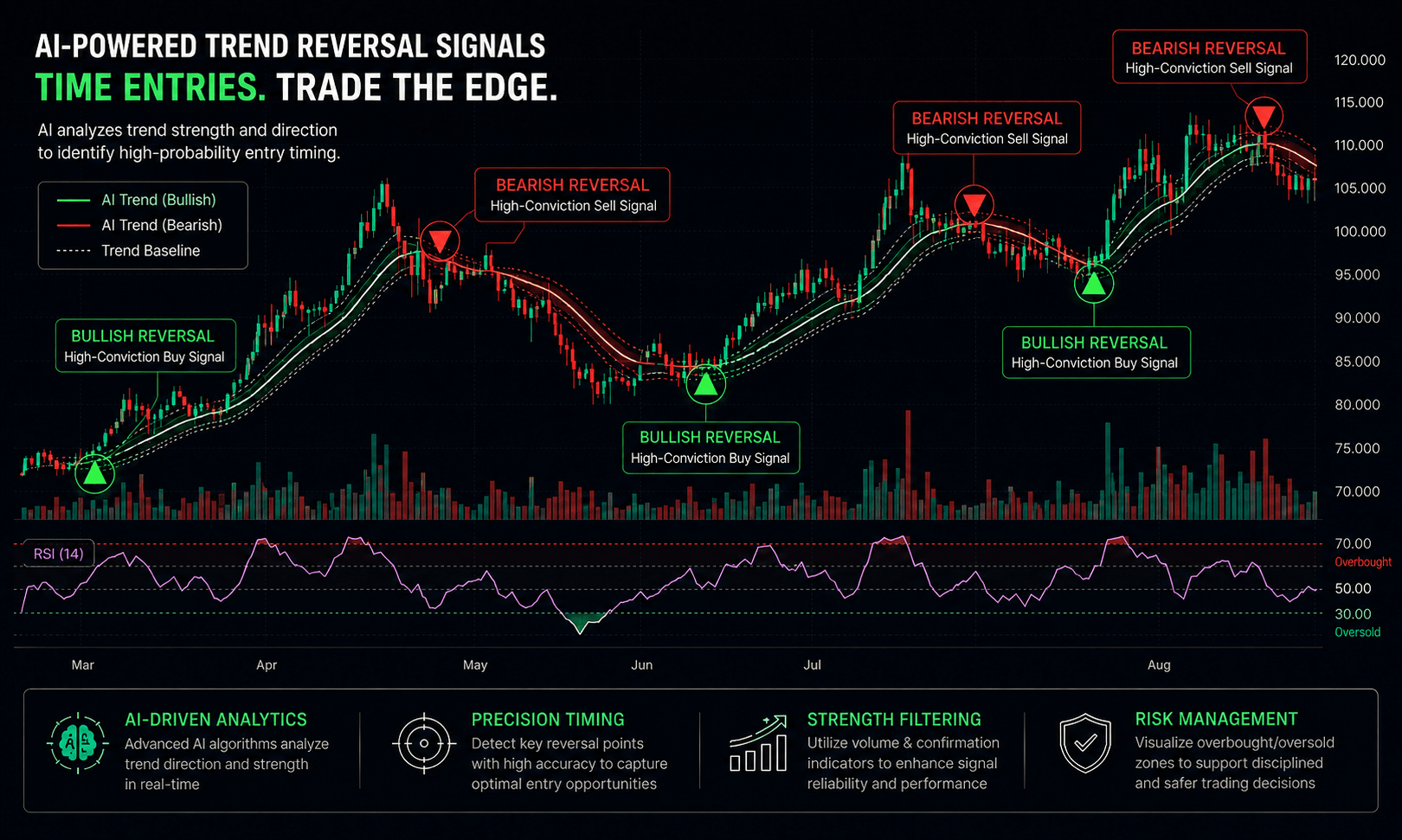
Bull Wave / Bear Wave Forecast Model
Engineered to help you read market direction and momentum faster than the crowd.
- Instantly separate bullish momentum from bearish pressure
- Pinpoint high-probability entry zones with confidence
- Chart signals clear enough for beginners, sharp enough for pros
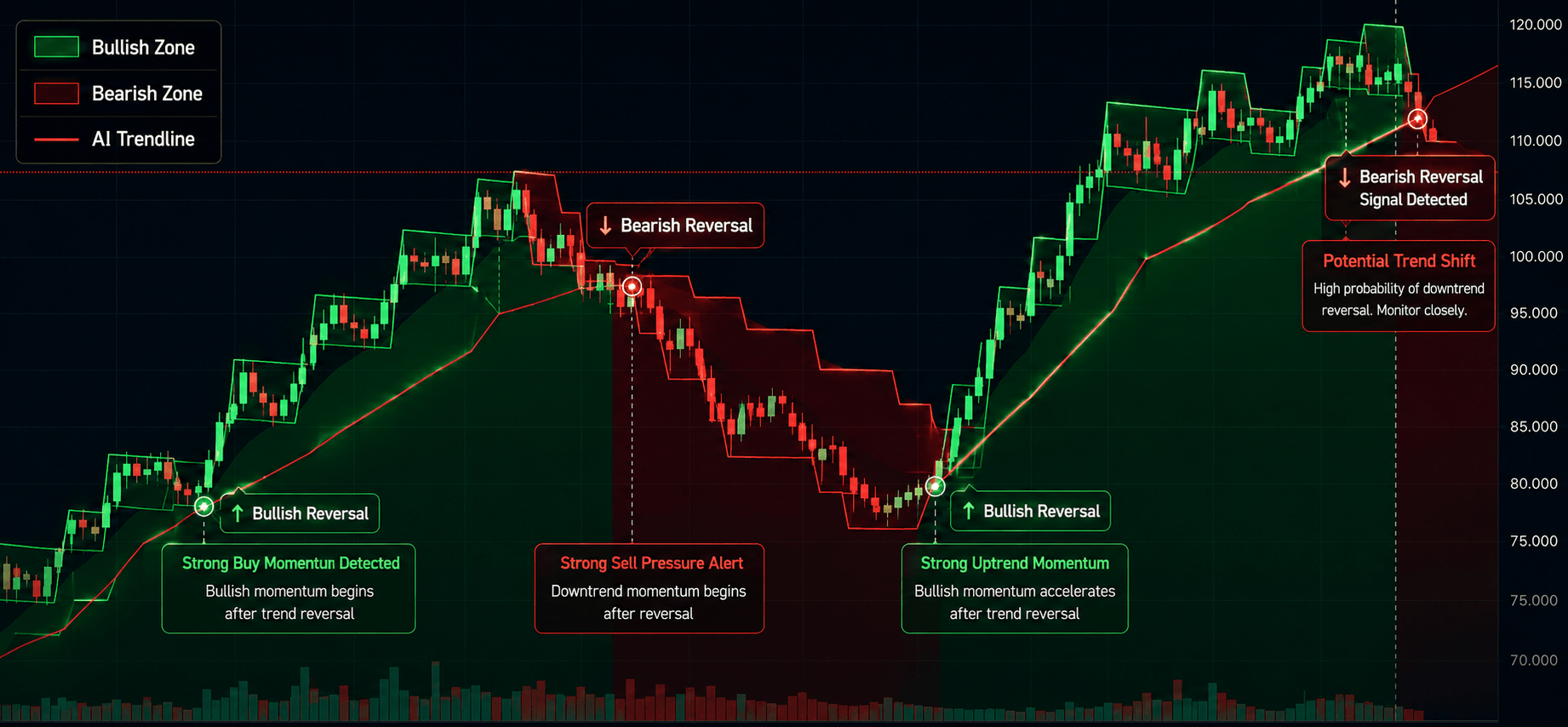
Winning Pattern Detection
Instantly surfaces the high-probability setups that repeat across the charts — a trusted edge for timing your entries and exits.
- Spot momentum building in real time
- Catch trend-reversal points before they break
- Built for active traders who need results, not theory
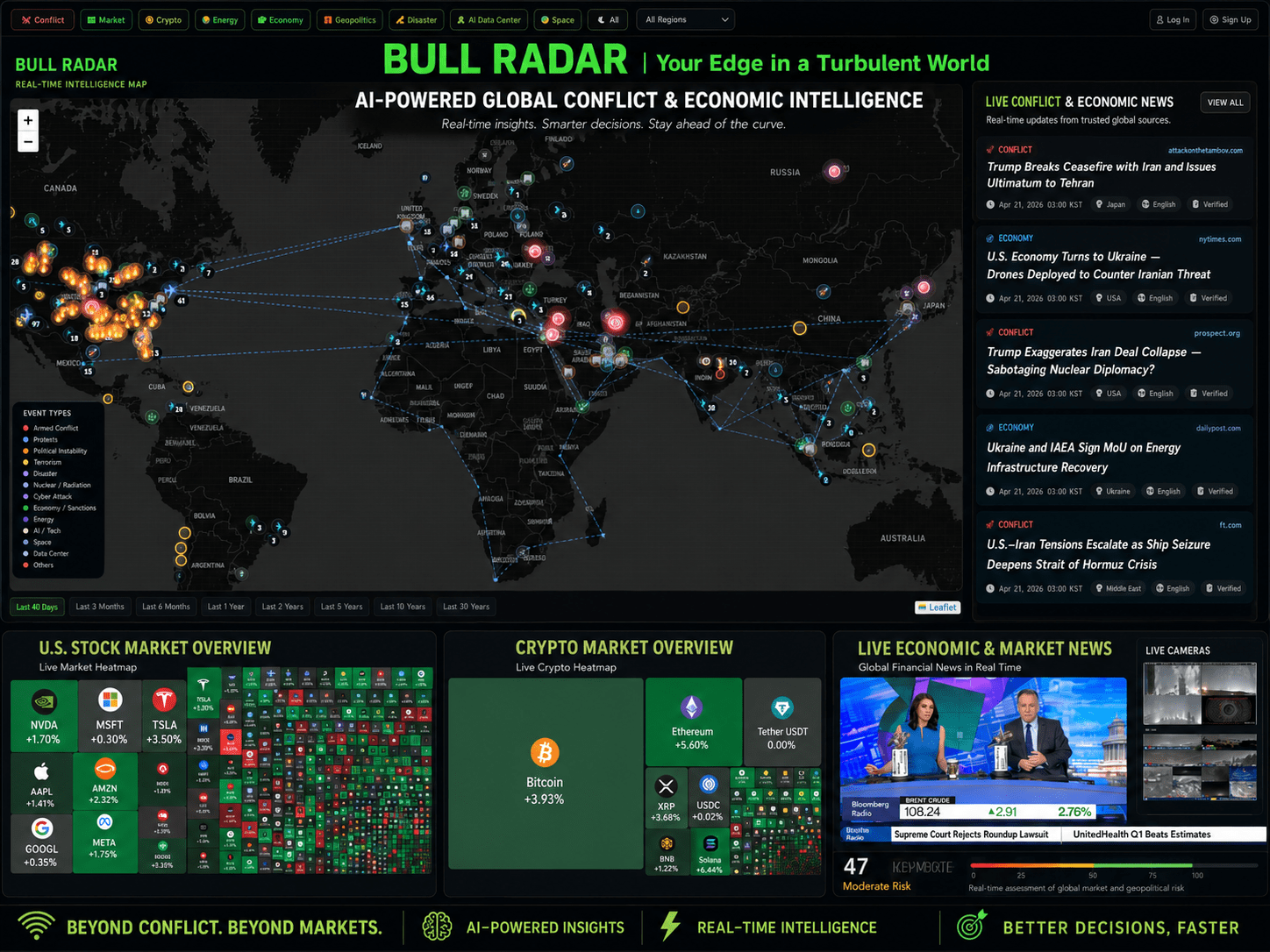
AI Live Economic Dashboard
AI analyzes real-time market data — turning complex, global investment flows into clear insight in seconds.
- Track global stock markets in real time
- See exactly which assets are strong — and which are fading
- Watch how geopolitical events move the markets
About the Author