What Is the Correlation Coefficient
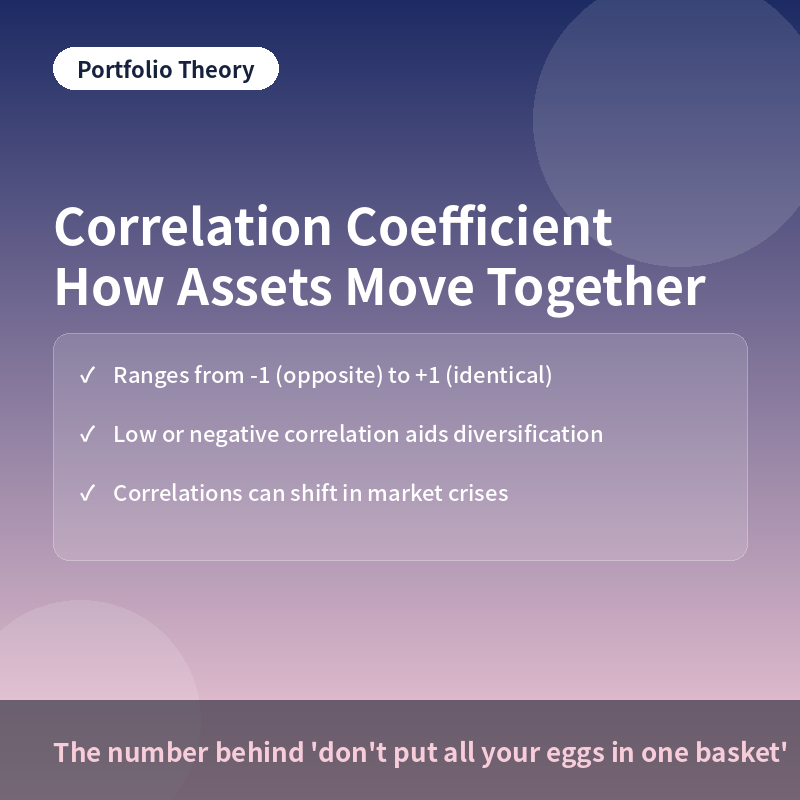
The correlation coefficient is a statistical measure, ranging from -1 to +1, that describes the strength and direction of the relationship between the returns of two assets. A value of +1 means the two assets move perfectly in tandem, -1 means they move perfectly in opposite directions, and 0 means there is no linear relationship between their movements.
In portfolio construction, correlation is a central input because it directly affects how much diversification benefit an investor gets from combining different assets — even if each asset is individually risky.
Why Correlation Drives Diversification
Low or negative correlation reduces portfolio volatility
Combining assets that don’t move in lockstep means that when one asset declines, the other may hold steady or even rise, smoothing out the overall portfolio’s returns. This is the mathematical basis behind the principle of diversification.
High correlation offers little diversification benefit
Holding multiple assets that are highly correlated with each other — such as several stocks in the same industry — provides limited risk reduction, since they tend to rise and fall together regardless of how many different names are held.

A Key Limitation: Correlations Aren’t Static
Correlation coefficients are typically calculated using historical data and are not fixed over time. During periods of severe market stress, correlations across many asset classes have historically tended to rise sharply toward +1 — a phenomenon sometimes called ‘correlation breakdown’ — precisely when diversification is needed most, which can catch investors off guard.
High Correlation vs. Low/Negative Correlation Pairing
| Aspect | High Correlation Pairing | Low/Negative Correlation Pairing |
|---|---|---|
| Diversification benefit | Minimal | Significant |
| Portfolio volatility impact | Little reduction | Meaningful smoothing |
| Typical example | Stocks within the same sector | Stocks paired with bonds or uncorrelated assets |
Frequently Asked Questions
Does a correlation of 0 mean two assets are unrelated?
A correlation near 0 means there is no consistent linear relationship between their returns, but it doesn’t rule out a more complex, non-linear relationship that a simple correlation coefficient wouldn’t capture.
Why do correlations tend to rise during market crashes?
During systemic crises, broad risk-off selling and liquidity pressures tend to drive most risk assets down together regardless of their usual fundamental relationships, causing historically low-correlation assets to move more in sync.
Is a negative correlation always better for a portfolio?
Not necessarily — it depends on the expected returns of each asset as well. An asset with negative correlation but persistently poor expected returns may still drag down overall portfolio performance even while reducing volatility.
How is correlation different from covariance?
Covariance measures the direction of the relationship between two variables but is not standardized, making its magnitude hard to interpret, while the correlation coefficient standardizes this to a range between -1 and +1, making comparisons across different asset pairs meaningful.
Key Takeaways
The correlation coefficient measures how closely two assets’ returns move together, ranging from -1 to +1, and is a foundational input for building diversified portfolios. Because correlations can shift, particularly rising during market crises, investors should treat historical correlation estimates as a guide rather than a guarantee. This article is for informational purposes only and does not constitute investment advice.

QuantPro: AI Finds the Trade Before You Do
From AI-powered chart analysis to real-time market intelligence — everything a serious investor needs, in one platform.
- Automated AI chart analysis with precision trend timing
- Bull Radar: real-time visualization of geopolitical & economic shifts
- Live market-moving news and insights, curated for you
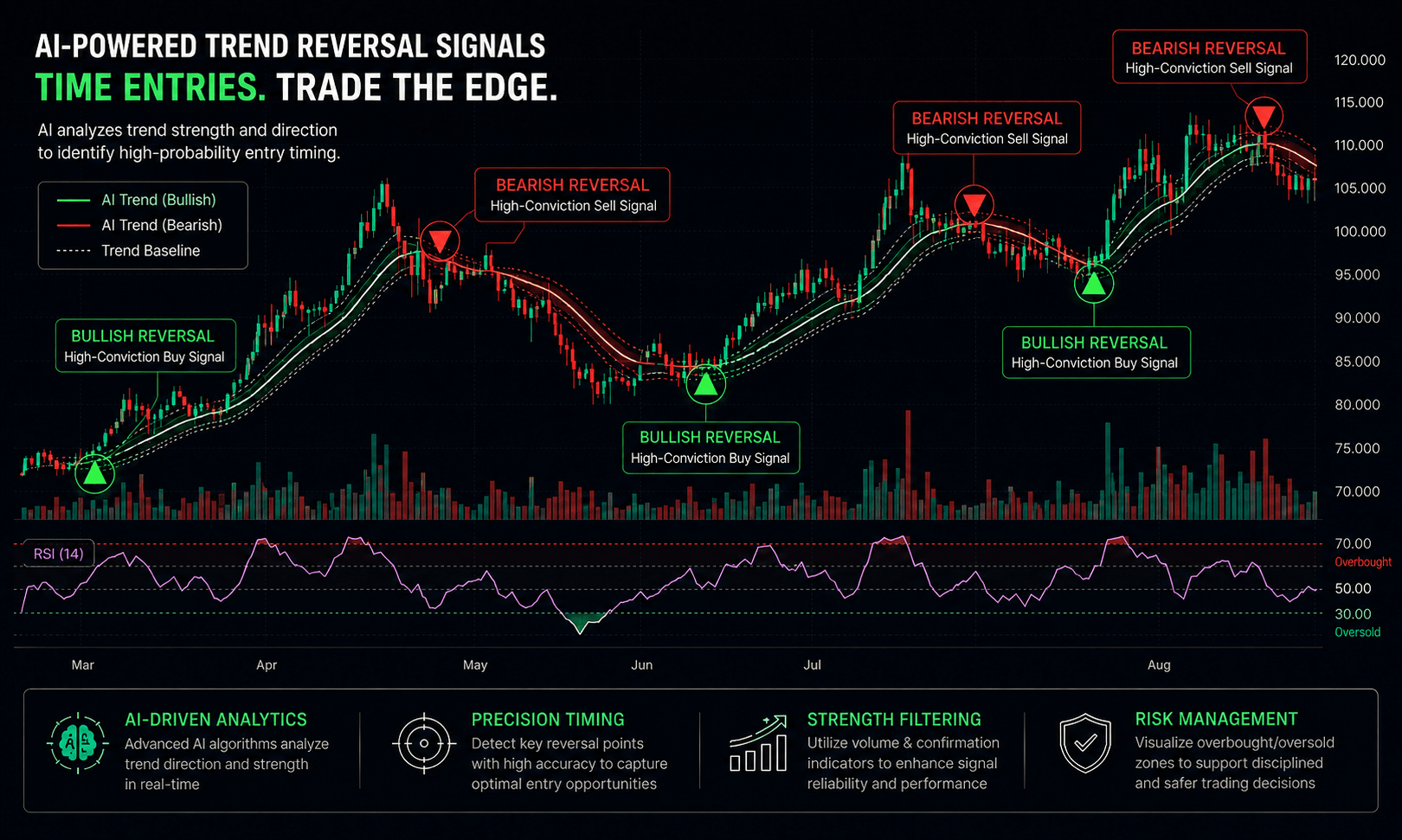
Bull Wave / Bear Wave Forecast Model
Engineered to help you read market direction and momentum faster than the crowd.
- Instantly separate bullish momentum from bearish pressure
- Pinpoint high-probability entry zones with confidence
- Chart signals clear enough for beginners, sharp enough for pros
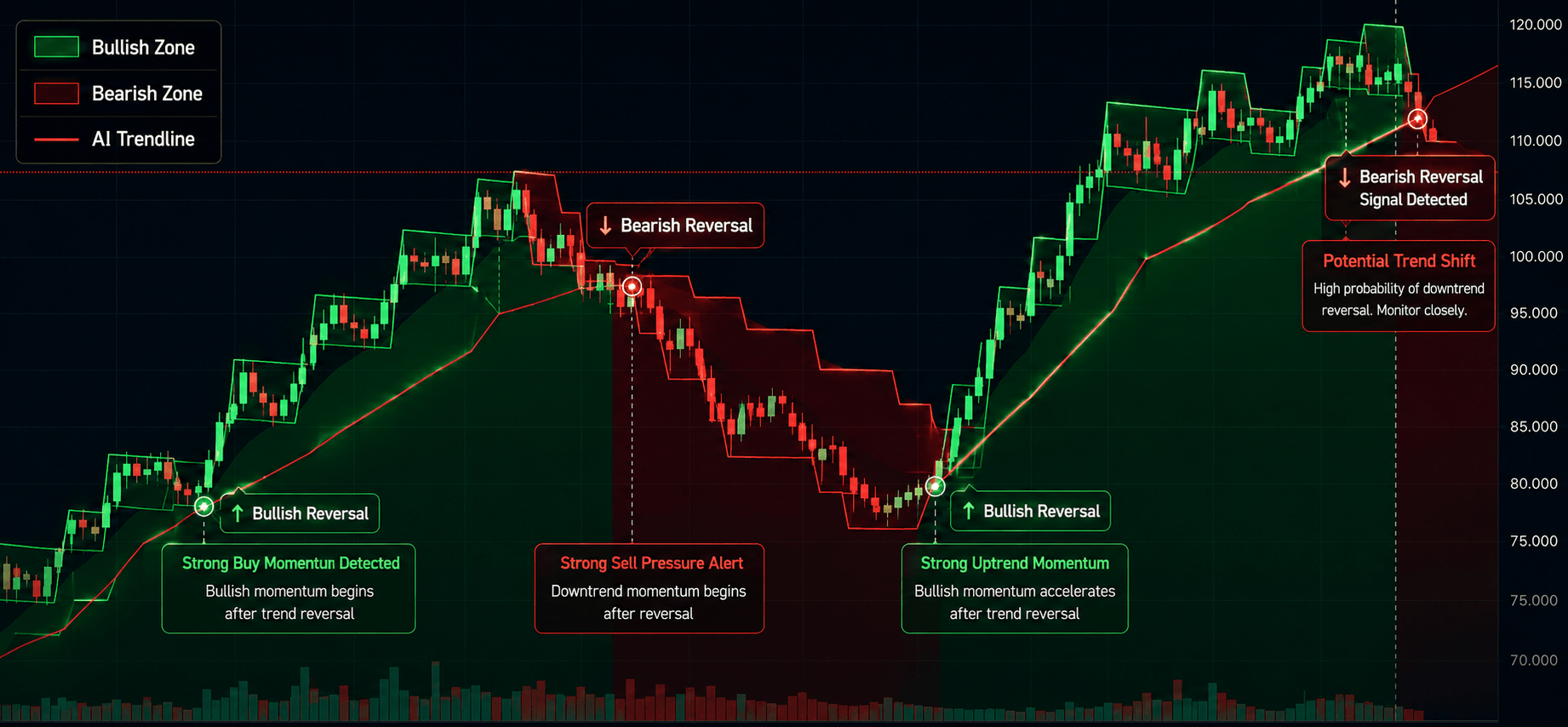
Winning Pattern Detection
Instantly surfaces the high-probability setups that repeat across the charts — a trusted edge for timing your entries and exits.
- Spot momentum building in real time
- Catch trend-reversal points before they break
- Built for active traders who need results, not theory

AI Live Economic Dashboard
AI analyzes real-time market data — turning complex, global investment flows into clear insight in seconds.
- Track global stock markets in real time
- See exactly which assets are strong — and which are fading
- Watch how geopolitical events move the markets
About the Author