What a Dividend Growth Stock Is
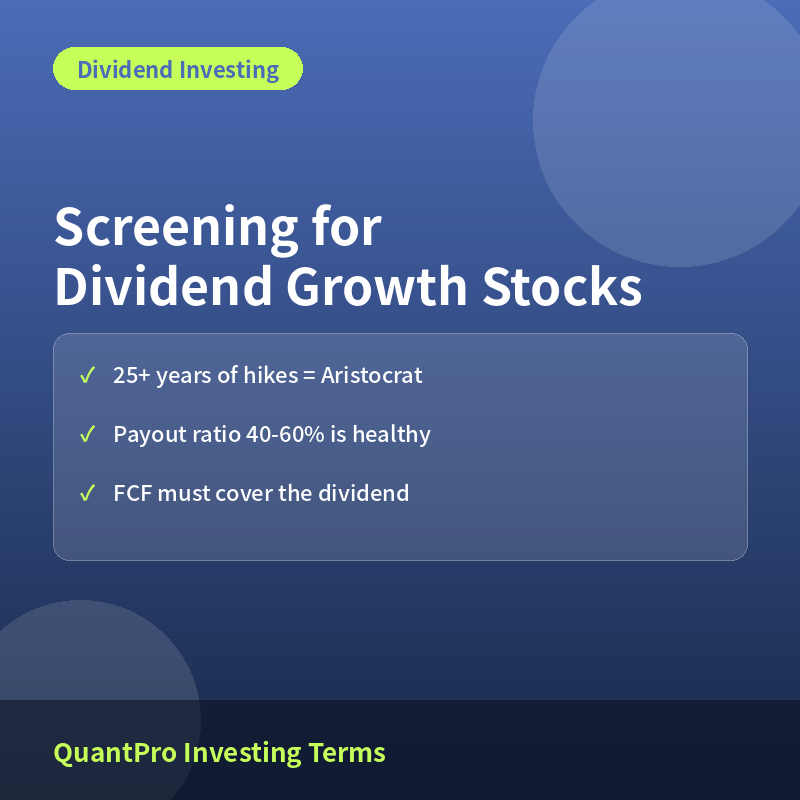
A dividend growth stock may offer a modest current yield but has a track record of raising its dividend consistently, year after year. In the US, companies with 25 or more consecutive years of dividend increases are called Dividend Aristocrats, and those with 50 or more years are called Dividend Kings — a distinction earned by maintaining and raising payouts through multiple recessions.
Why Growth Trajectory Beats Starting Yield
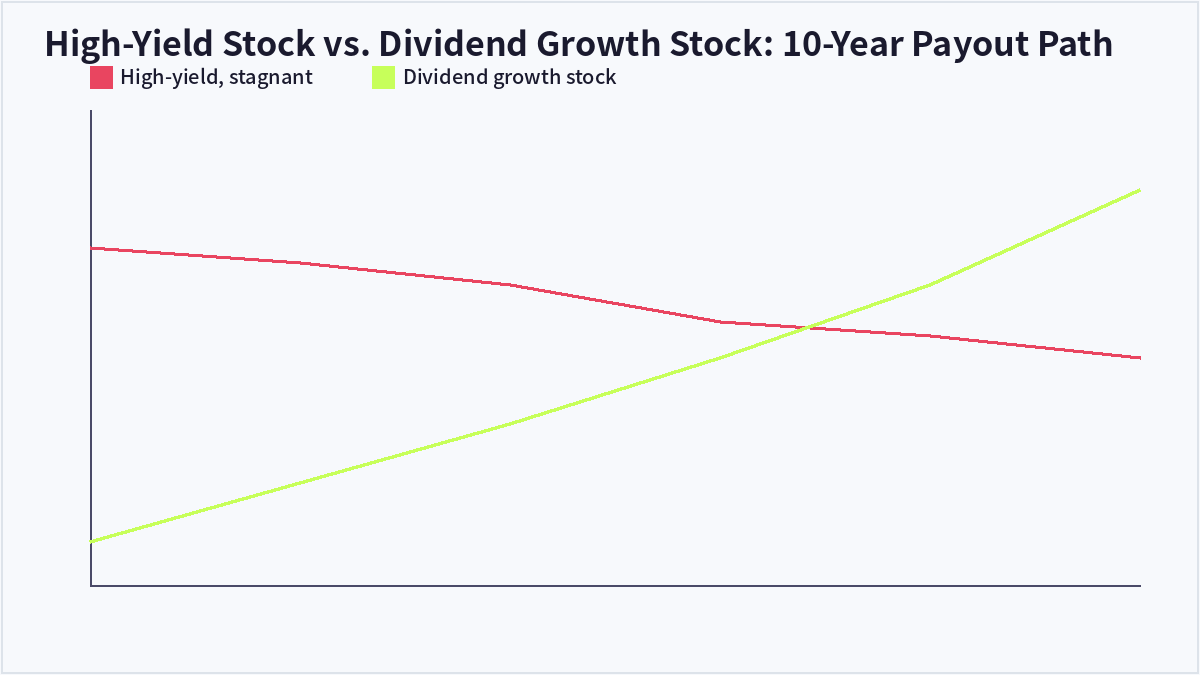
A stock yielding 3% today with dividends growing 8-10% annually can produce a much higher yield-on-cost a decade from now than a stock currently yielding 7% but growing its payout slowly or not at all. Investors who chase the highest current yield without checking the growth trajectory often end up with the worse long-term outcome once compounding is taken into account.
The Screening Checklist
Start by confirming at least 5-10 consecutive years without a dividend cut. Next, check that the payout ratio sits in a sustainable 40-60% range, leaving room for future increases without straining the balance sheet. Then confirm free cash flow comfortably exceeds the total dividend paid, ensuring the company is funding the dividend from actual cash generation rather than debt. Finally, check that the recent dividend growth rate has kept pace with or exceeded inflation.
Applying the Screen Outside the US
Markets with shorter public-market histories rarely produce companies with 25+ years of consecutive increases, so the same underlying principles — payout ratio discipline, free cash flow coverage, and a multi-year increase streak — can be applied with a shorter lookback window, while weighting balance sheet strength more heavily given the shorter track record.
| Classification | Consecutive Increase Years | Significance |
|---|---|---|
| Dividend Aristocrat | 25+ years | S&P 500 member with proven resilience |
| Dividend King | 50+ years | Survived multiple full recessions |
| Dividend Challenger | 5-9 years | Early-stage track record, worth monitoring |
Frequently Asked Questions
Is a low current yield a problem for a dividend growth stock?
Not for a long-term holding period, since yield-on-cost rises over time as the dividend grows relative to the original purchase price — the growth rate matters more than the starting yield for investors with a multi-year horizon.
Are dividend growth stocks less volatile than growth stocks?
They tend to be, since companies with long dividend-increase streaks are usually mature businesses with stable earnings, though cyclical dividend growers in economically sensitive sectors can still see meaningful volatility.
Does reinvesting dividends (DRIP) make a bigger difference for growth stocks?
Combining a dividend reinvestment plan with a growing dividend compounds both the share count and the per-share payout simultaneously, which is often cited as one of the more powerful long-term compounding mechanics available to income investors.
What if a dividend growth stock freezes its dividend for a year?
A single flat year isn’t automatically disqualifying, but it’s worth investigating whether the pause reflects temporary earnings softness or a more structural problem — a payout ratio spike or consecutive freezes are stronger warning signs than one flat year alone.
Key Takeaways
Dividend growth stocks may start with a modest current yield, but a sustainable payout ratio, solid free cash flow coverage, and a multi-year streak of increases matter more for long-term income than chasing the highest yield available today. This article is for informational purposes only and does not constitute investment advice.

QuantPro: AI Finds the Trade Before You Do
From AI-powered chart analysis to real-time market intelligence — everything a serious investor needs, in one platform.
- Automated AI chart analysis with precision trend timing
- Bull Radar: real-time visualization of geopolitical & economic shifts
- Live market-moving news and insights, curated for you
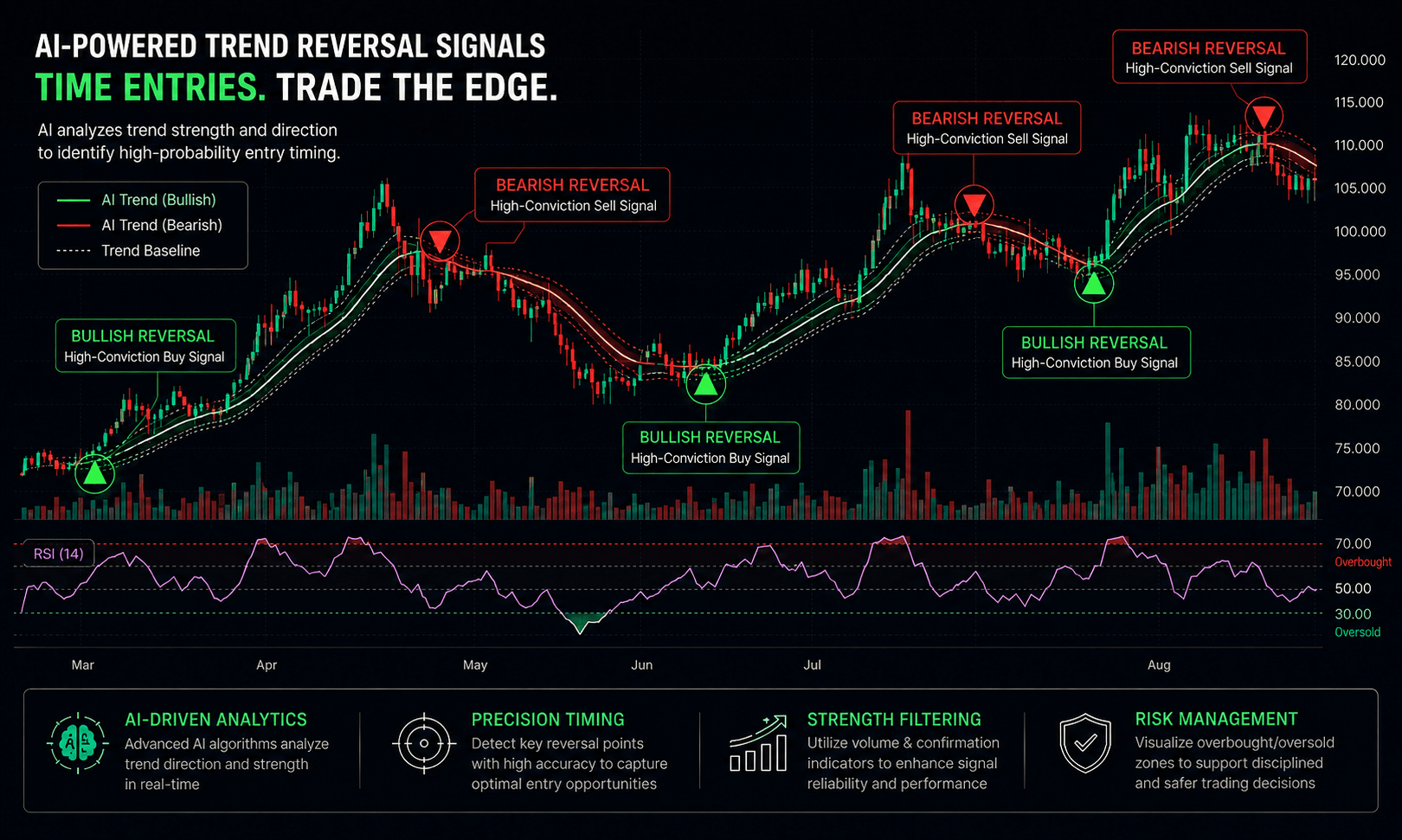
Bull Wave / Bear Wave Forecast Model
Engineered to help you read market direction and momentum faster than the crowd.
- Instantly separate bullish momentum from bearish pressure
- Pinpoint high-probability entry zones with confidence
- Chart signals clear enough for beginners, sharp enough for pros
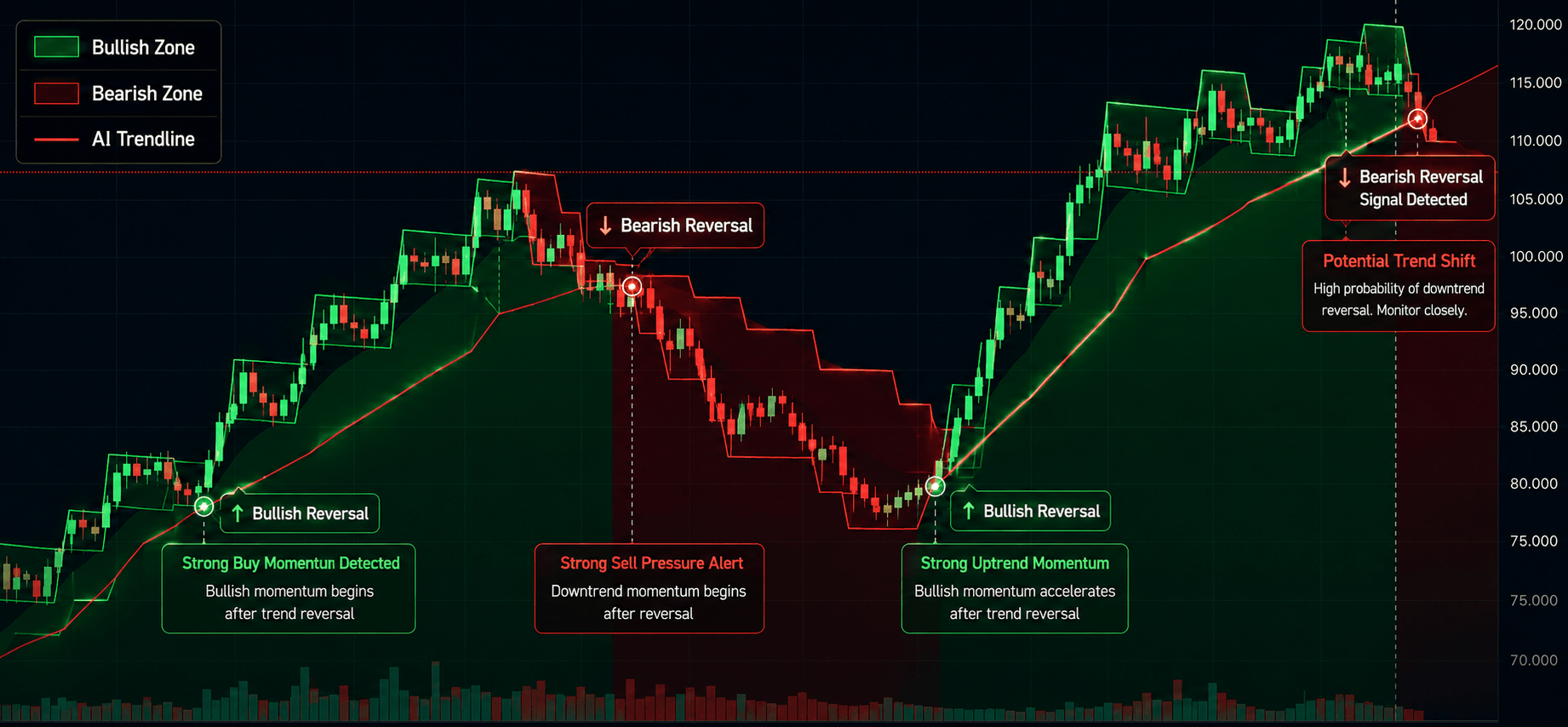
Winning Pattern Detection
Instantly surfaces the high-probability setups that repeat across the charts — a trusted edge for timing your entries and exits.
- Spot momentum building in real time
- Catch trend-reversal points before they break
- Built for active traders who need results, not theory

AI Live Economic Dashboard
AI analyzes real-time market data — turning complex, global investment flows into clear insight in seconds.
- Track global stock markets in real time
- See exactly which assets are strong — and which are fading
- Watch how geopolitical events move the markets
About the Author