What Is a Bank Stress Test?
A bank stress test is a regulatory exercise in which supervisors — in the U.S., the Federal Reserve, under a framework that grew out of the Dodd-Frank Act — require large banks to model how their balance sheets, loan losses, and capital levels would hold up under a hypothetical severe economic downturn. The goal is to check, before a real crisis happens, whether a bank has enough capital cushion to keep operating and lending even if conditions turn much worse than expected.
How the Test Works
Hypothetical Scenarios
Regulators publish scenario assumptions each year, typically including a baseline case and a ‘severely adverse’ case modeling a deep recession — for example, unemployment rising toward roughly 10%, GDP contracting by several percentage points, and equity markets falling by around half or more from recent levels. Banks then run their own loan books and trading positions through these assumptions to estimate hypothetical losses.
The CET1 Capital Ratio
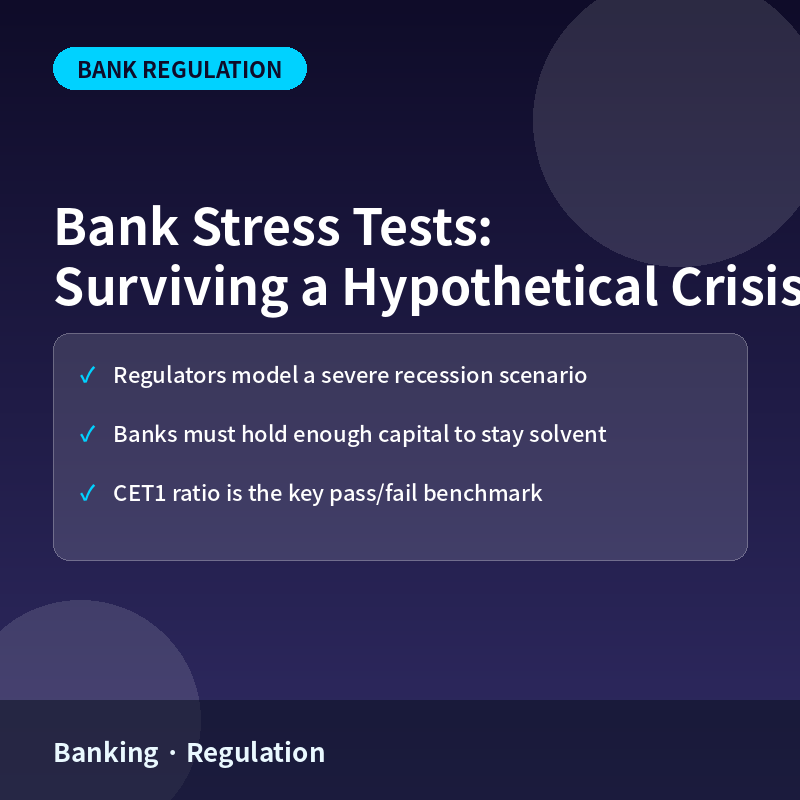
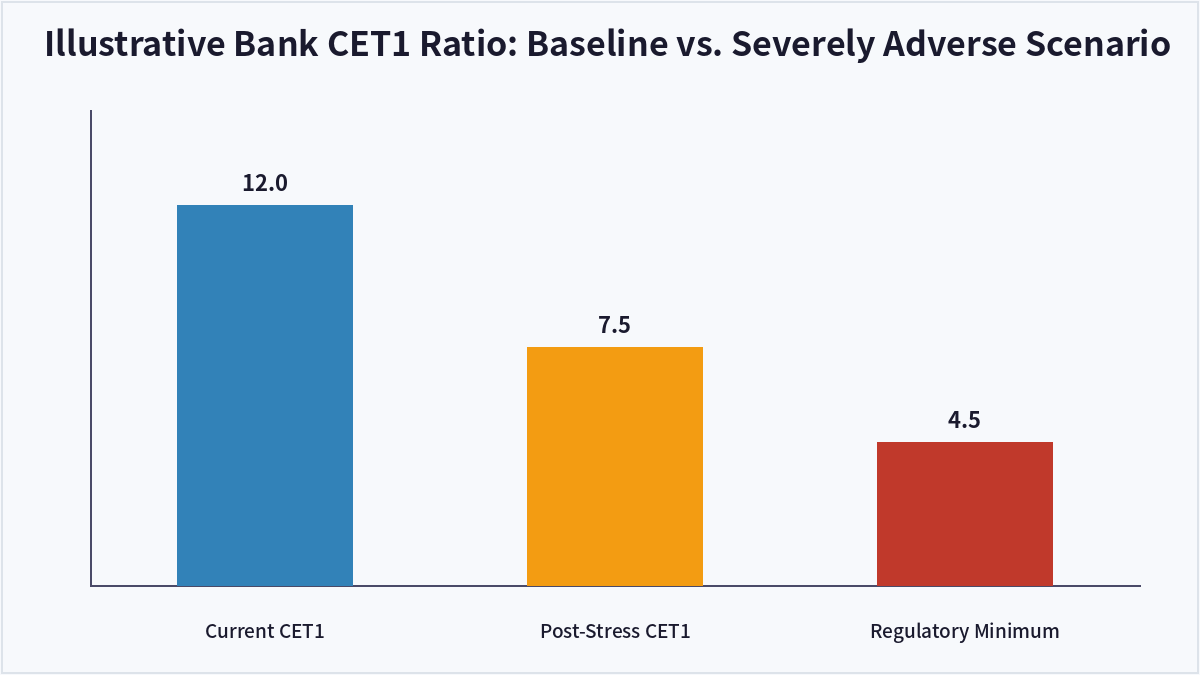
The key pass/fail metric is the Common Equity Tier 1 (CET1) capital ratio — a bank’s highest-quality capital divided by its risk-weighted assets. Regulators require banks to maintain a minimum CET1 ratio (commonly 4.5% as a baseline regulatory floor, though effective requirements including buffers are higher in practice) even after absorbing the hypothetical losses from the severely adverse scenario.
A Worked Example
Suppose a bank currently holds a 12.0% CET1 ratio. Under the severely adverse scenario, regulators estimate the bank would absorb enough hypothetical loan losses and trading losses to cut that ratio to 7.5% at its lowest point during the modeled downturn. Because 7.5% still comfortably exceeds the 4.5% regulatory minimum, the bank passes — demonstrating it could keep lending through a severe recession without needing emergency capital or government support.
Baseline vs. Adverse vs. Severely Adverse
| Scenario | Unemployment Assumption | Equity Market Assumption | Purpose |
|---|---|---|---|
| Baseline | Roughly stable, near current trend | Modest gains or flat | Reflects expected economic path |
| Adverse | Moderate rise | Meaningful decline | Tests a moderate downturn |
| Severely Adverse | Sharp rise toward ~10% | Sharp decline, often 45-55%+ | Tests capital adequacy in a severe recession |
Frequently Asked Questions
What happens if a bank fails its stress test?
A bank that fails can face restrictions on capital distributions, such as limits on dividend payments and share buybacks, until it raises its capital ratios to acceptable levels. Regulators may also require a revised capital plan addressing the identified weaknesses.
Are all banks required to undergo stress testing?
No — stress testing requirements in the U.S. generally apply to the largest banks, with the scope and frequency of testing scaled to a bank’s size and complexity; smaller community banks are typically not subject to the same supervisory stress-test regime.
Is a stress test the same as an actual financial crisis?
No. A stress test is a hypothetical modeling exercise using assumed scenarios that regulators design to be severe but plausible — it is a planning and capital-adequacy check, not a prediction that the scenario will actually occur.
Why do investors care about stress test results?
Stress test outcomes directly affect how much capital a bank is permitted to return to shareholders through dividends and buybacks in the following year, making the results closely watched by bank stock investors even though the scenarios themselves are hypothetical.
Key Takeaways
Bank stress testing forces large banks to demonstrate they could absorb the losses of a severe hypothetical recession while still meeting minimum capital requirements, giving regulators and investors a forward-looking check on financial-system resilience rather than waiting to find out during an actual crisis. This article is for informational purposes only and does not constitute investment advice.

QuantPro: AI Finds the Trade Before You Do
From AI-powered chart analysis to real-time market intelligence — everything a serious investor needs, in one platform.
- Automated AI chart analysis with precision trend timing
- Bull Radar: real-time visualization of geopolitical & economic shifts
- Live market-moving news and insights, curated for you
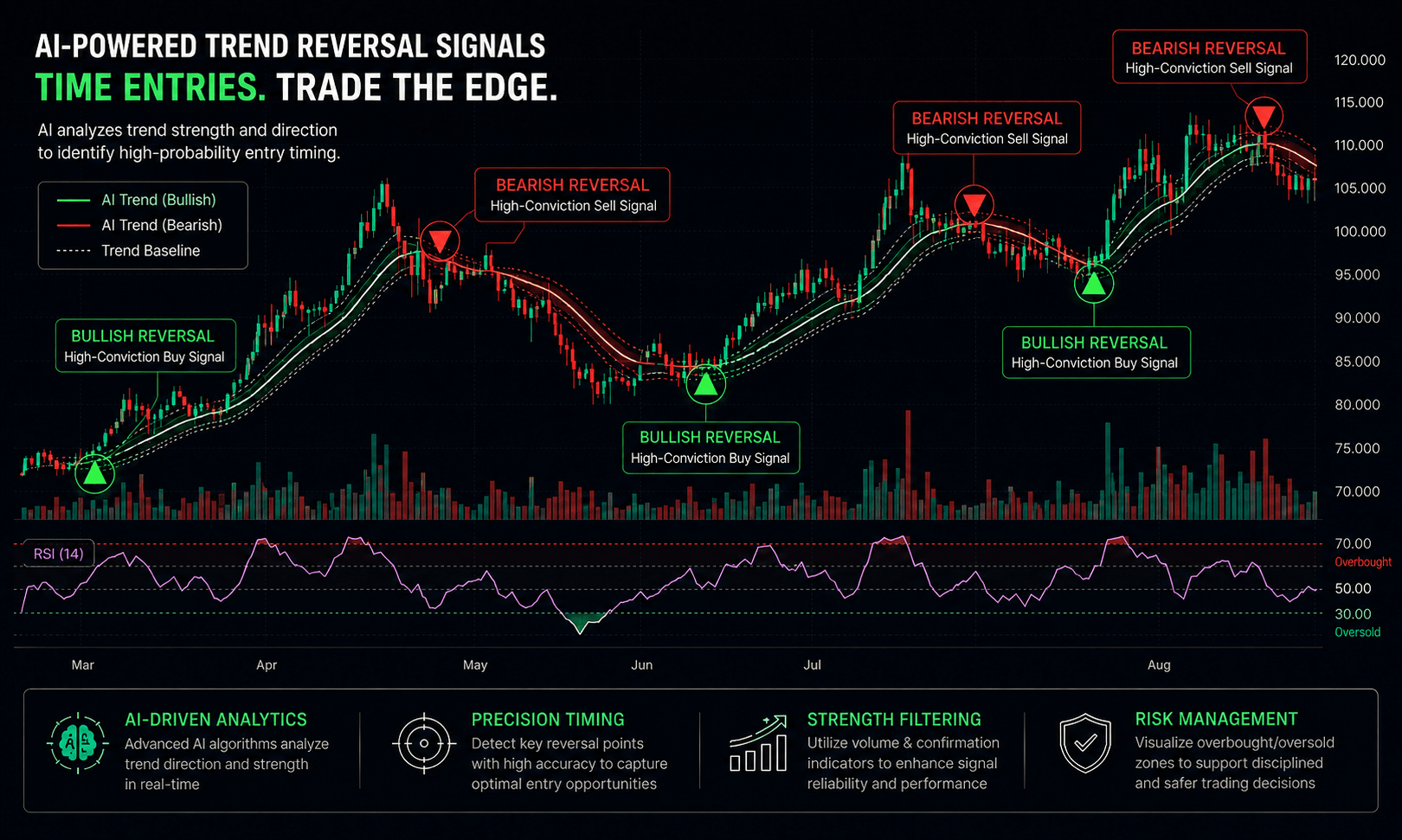
Bull Wave / Bear Wave Forecast Model
Engineered to help you read market direction and momentum faster than the crowd.
- Instantly separate bullish momentum from bearish pressure
- Pinpoint high-probability entry zones with confidence
- Chart signals clear enough for beginners, sharp enough for pros
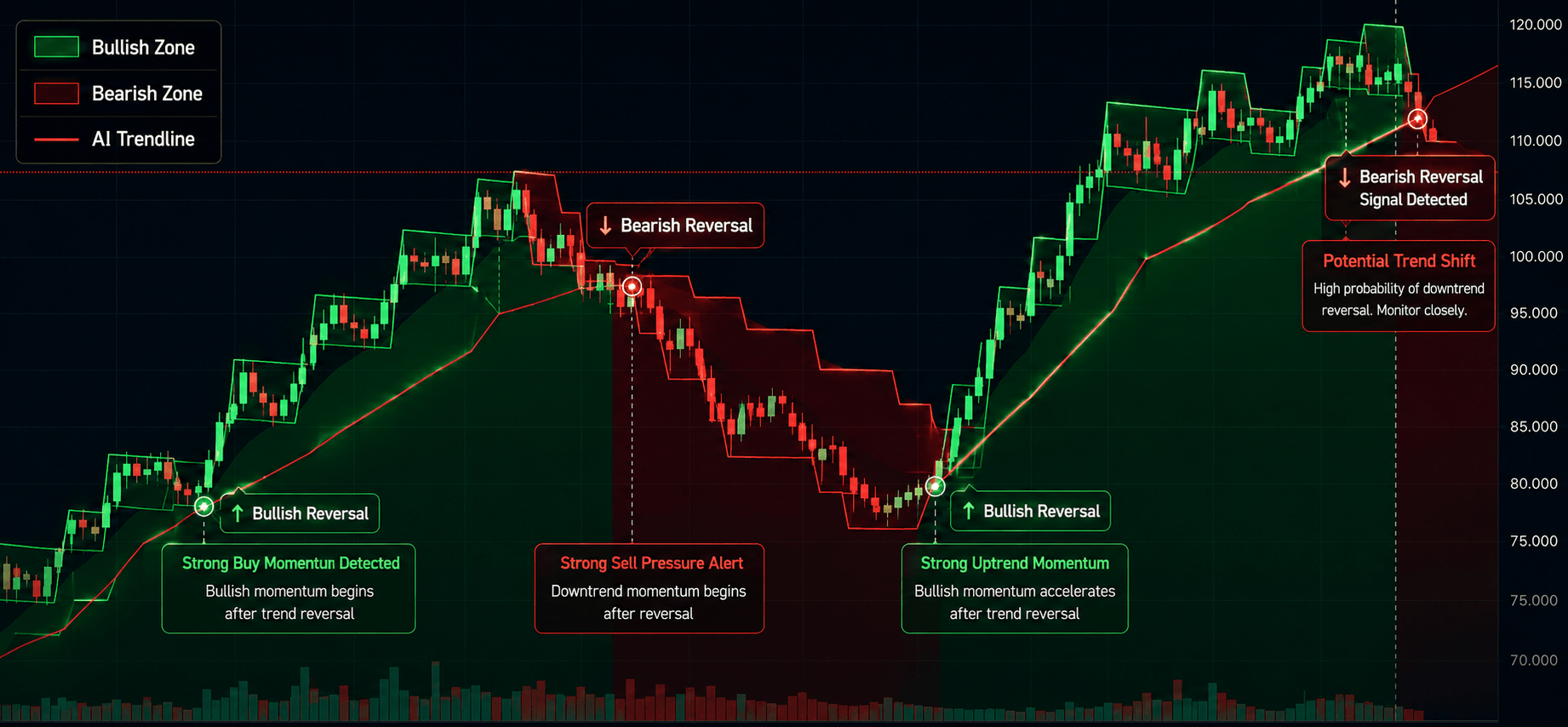
Winning Pattern Detection
Instantly surfaces the high-probability setups that repeat across the charts — a trusted edge for timing your entries and exits.
- Spot momentum building in real time
- Catch trend-reversal points before they break
- Built for active traders who need results, not theory
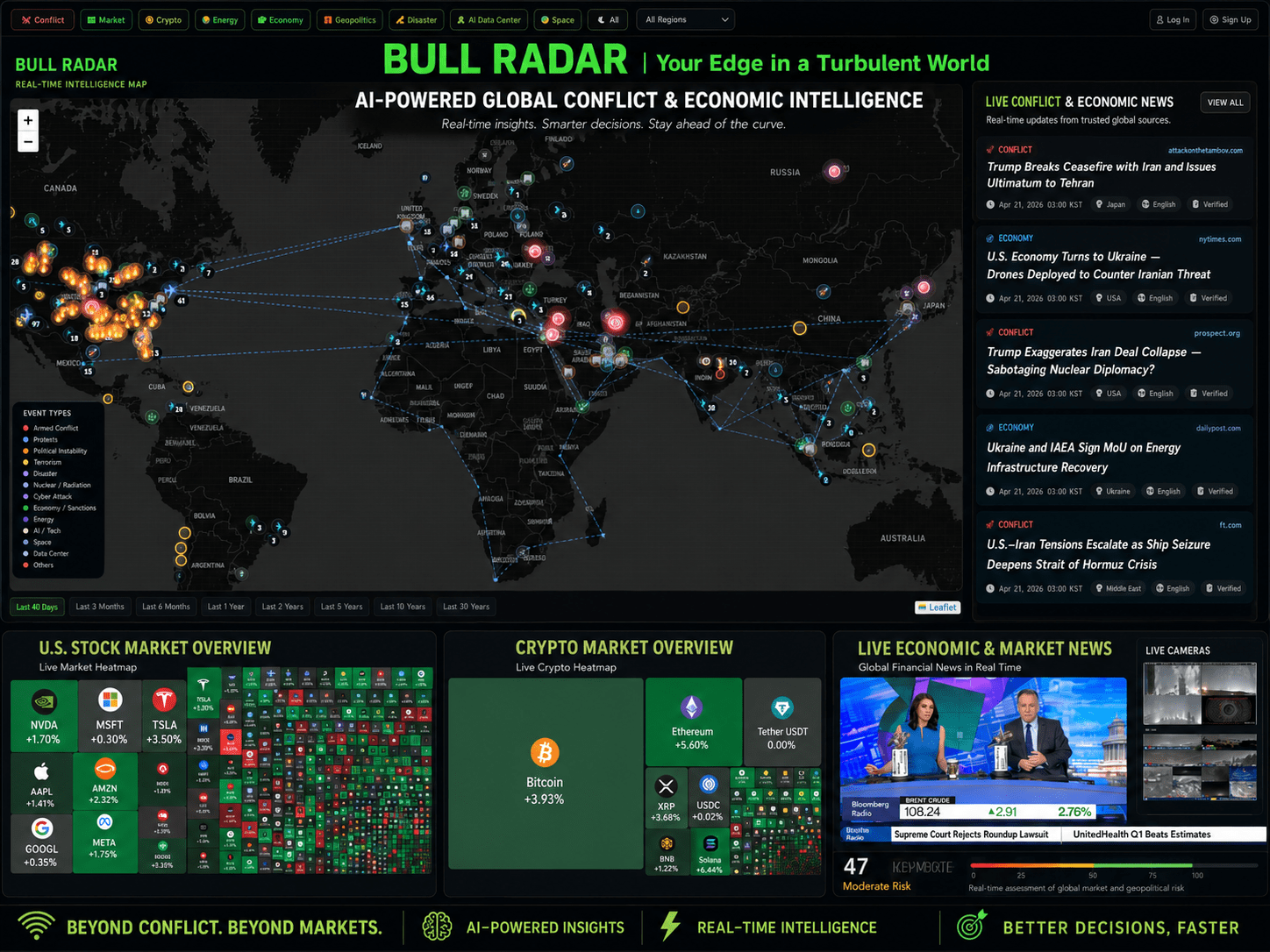
AI Live Economic Dashboard
AI analyzes real-time market data — turning complex, global investment flows into clear insight in seconds.
- Track global stock markets in real time
- See exactly which assets are strong — and which are fading
- Watch how geopolitical events move the markets
About the Author