What Is Bond Duration?
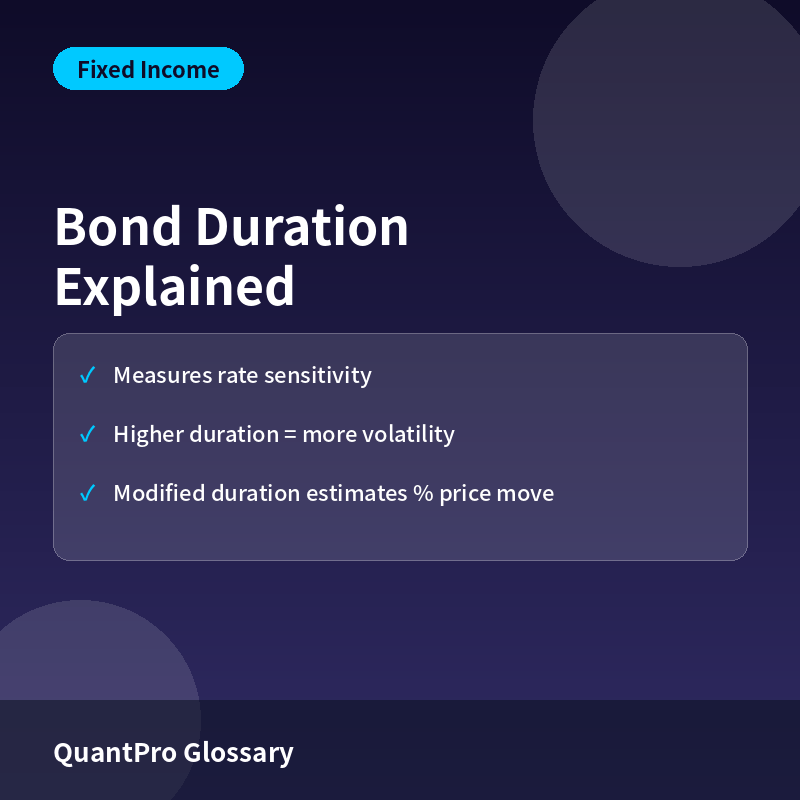
Bond duration measures a bond’s sensitivity to changes in interest rates, expressed in years. While it originates from Macaulay’s concept of the weighted-average time to receive a bond’s cash flows, in practice investors primarily use duration as a shorthand for how much a bond’s price will move when rates change.
Macaulay Duration vs Modified Duration
Macaulay duration calculates the weighted-average time (in years) until an investor receives the bond’s cash flows, weighted by the present value of each payment. Modified duration adjusts this figure to directly estimate the percentage price change for a 1 percentage-point change in yield: Modified Duration = Macaulay Duration / (1 + Yield / Number of Compounding Periods).
Using Duration to Estimate Price Moves
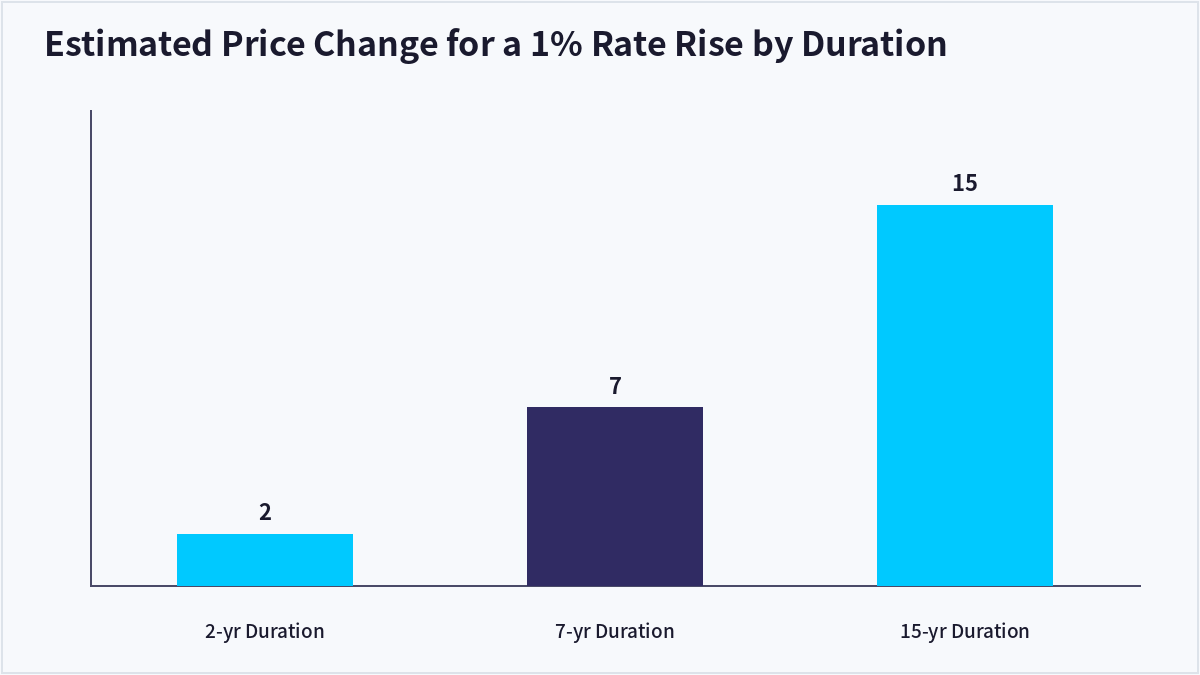
As a rule of thumb, a bond with a modified duration of 7 years would be expected to lose approximately 7% of its price if interest rates rise by 1 percentage point, and gain roughly 7% if rates fall by the same amount. This relationship is approximate and becomes less accurate for larger rate moves, where convexity effects matter more.
What Drives a Bond’s Duration
Longer maturities generally produce higher duration, since cash flows are spread further into the future. Lower coupon bonds also have higher duration than higher-coupon bonds of the same maturity, because a larger share of their total value comes from the final principal repayment rather than earlier interest payments. Zero-coupon bonds, which pay no interim interest, have a duration exactly equal to their maturity.
Using Duration in Portfolio Management
Portfolio managers often target a specific overall duration to express a view on interest rates — shortening duration to reduce rate sensitivity when rates are expected to rise, or extending duration to capture more price appreciation if rates are expected to fall. Duration-matching is also a common technique used by pension funds and insurers to align asset and liability sensitivity to rate changes.
| Duration | Est. Price Change (+1% rates) | Bond Profile |
|---|---|---|
| 2 years | ≈ -2% | Short-term note |
| 7 years | ≈ -7% | Intermediate-term bond |
| 15 years | ≈ -15% | Long-term bond |
Frequently Asked Questions
Does higher duration mean higher risk?
In terms of interest rate sensitivity, yes — a higher-duration bond will see larger price swings for a given change in rates, though this cuts both ways depending on whether rates rise or fall.
Why do zero-coupon bonds have the highest duration for their maturity?
Because all of their value comes from a single payment at maturity rather than periodic coupons, their Macaulay duration equals their time to maturity exactly, which is the maximum possible duration for that maturity.
Is duration a perfect predictor of price change?
No — duration provides a linear approximation that works well for small rate changes, but for larger moves, convexity (the curvature of the price-yield relationship) causes actual price changes to deviate from the simple duration estimate.
How do investors use duration to hedge rate risk?
Investors can shorten portfolio duration by shifting toward shorter-maturity or higher-coupon bonds to reduce rate sensitivity, or use interest rate derivatives to offset duration exposure without selling the underlying holdings.
Key Takeaways
Bond duration measures how sensitive a bond’s price is to interest rate changes, with modified duration providing a direct estimate of the percentage price move for a 1 percentage-point rate shift. Longer maturities and lower coupons both increase duration, and portfolio managers actively adjust duration to express views on rates. This article is for informational purposes only and does not constitute investment advice.

QuantPro: AI Finds the Trade Before You Do
From AI-powered chart analysis to real-time market intelligence — everything a serious investor needs, in one platform.
- Automated AI chart analysis with precision trend timing
- Bull Radar: real-time visualization of geopolitical & economic shifts
- Live market-moving news and insights, curated for you
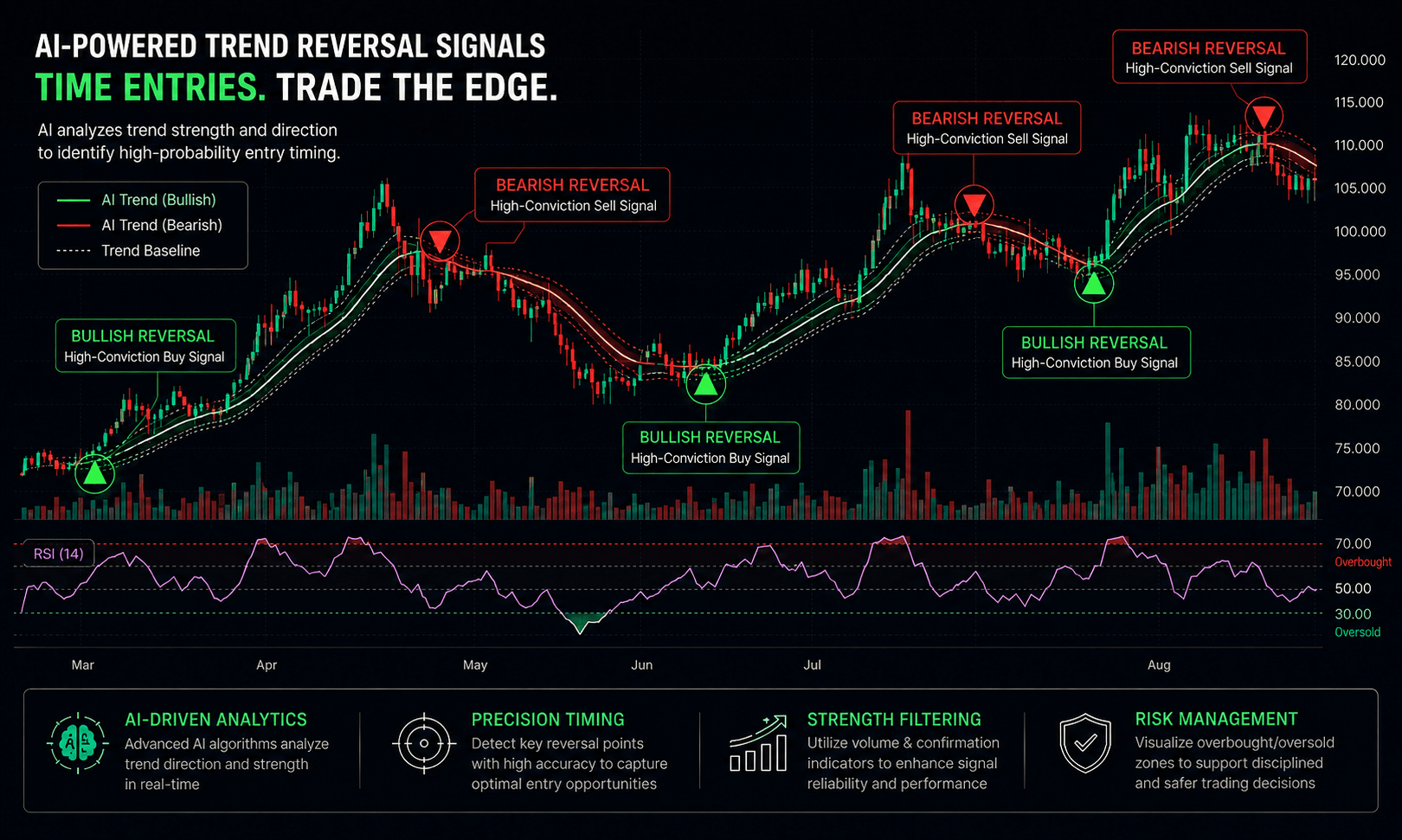
Bull Wave / Bear Wave Forecast Model
Engineered to help you read market direction and momentum faster than the crowd.
- Instantly separate bullish momentum from bearish pressure
- Pinpoint high-probability entry zones with confidence
- Chart signals clear enough for beginners, sharp enough for pros
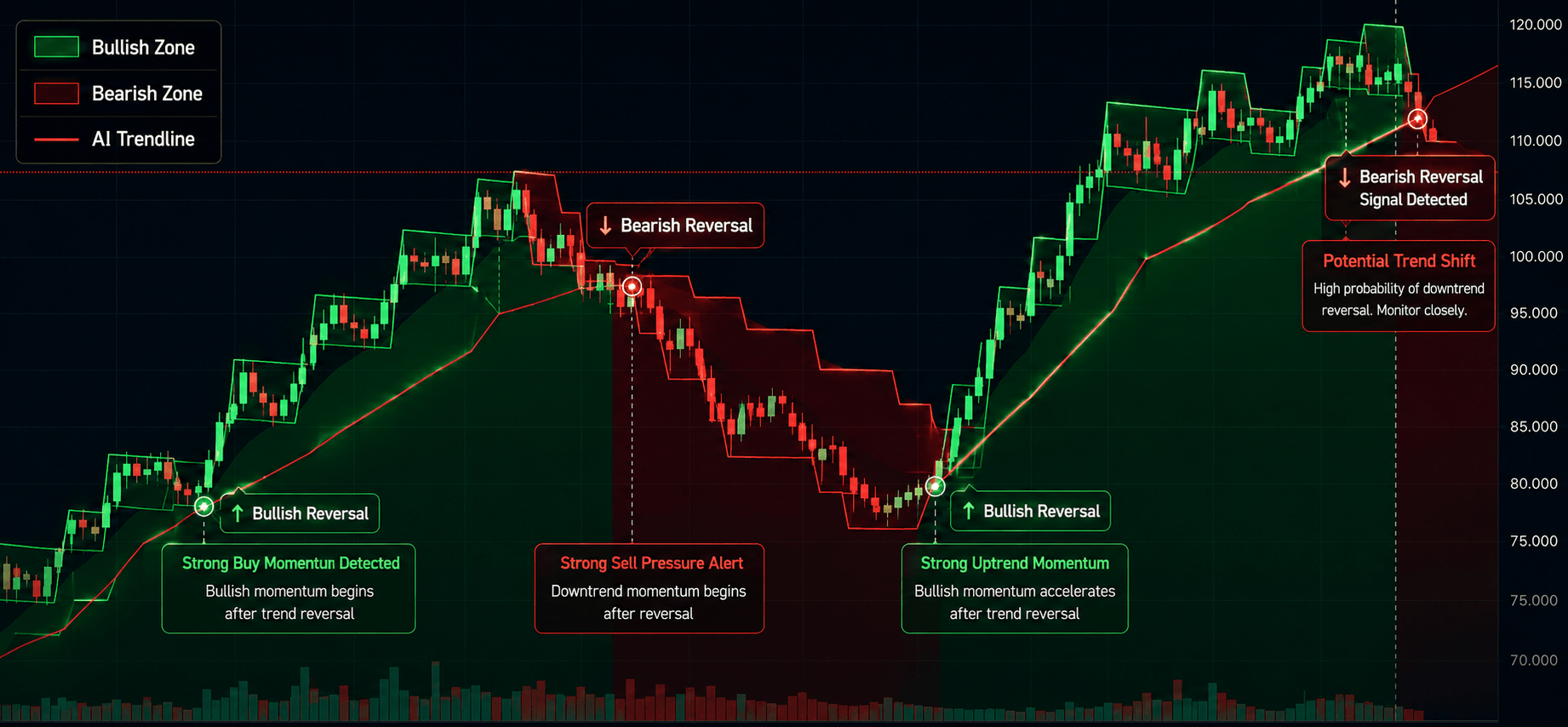
Winning Pattern Detection
Instantly surfaces the high-probability setups that repeat across the charts — a trusted edge for timing your entries and exits.
- Spot momentum building in real time
- Catch trend-reversal points before they break
- Built for active traders who need results, not theory

AI Live Economic Dashboard
AI analyzes real-time market data — turning complex, global investment flows into clear insight in seconds.
- Track global stock markets in real time
- See exactly which assets are strong — and which are fading
- Watch how geopolitical events move the markets
About the Author