What Is an Interest Rate Swap?
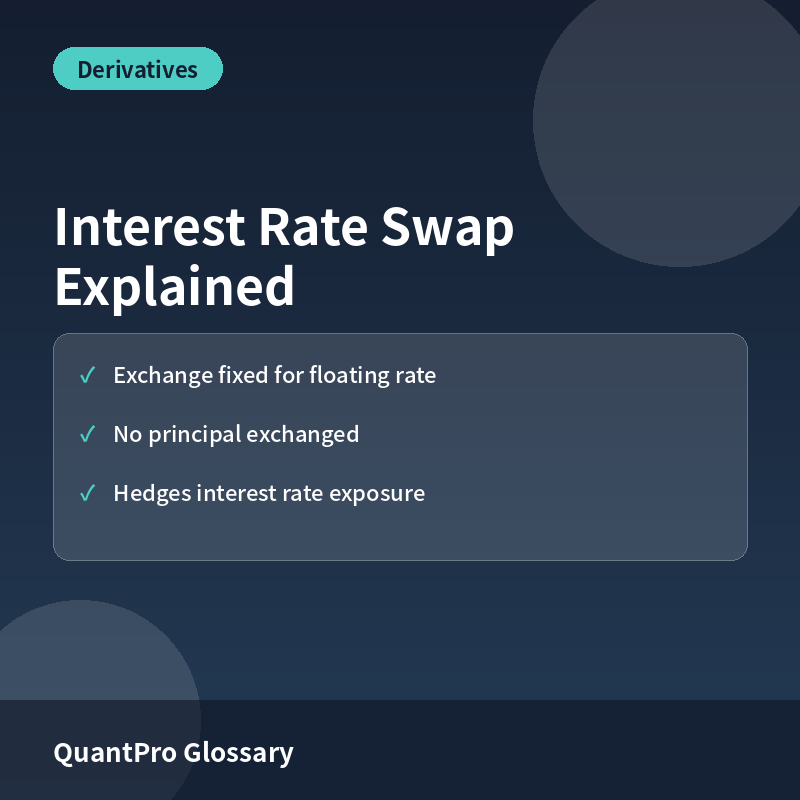
An interest rate swap is a derivative contract in which two parties agree to exchange interest payments on a notional principal amount — typically one paying a fixed rate and the other paying a floating rate — without exchanging the underlying principal itself. It’s one of the most widely used tools for managing exposure to interest rate movements.
How the Cash Flows Work
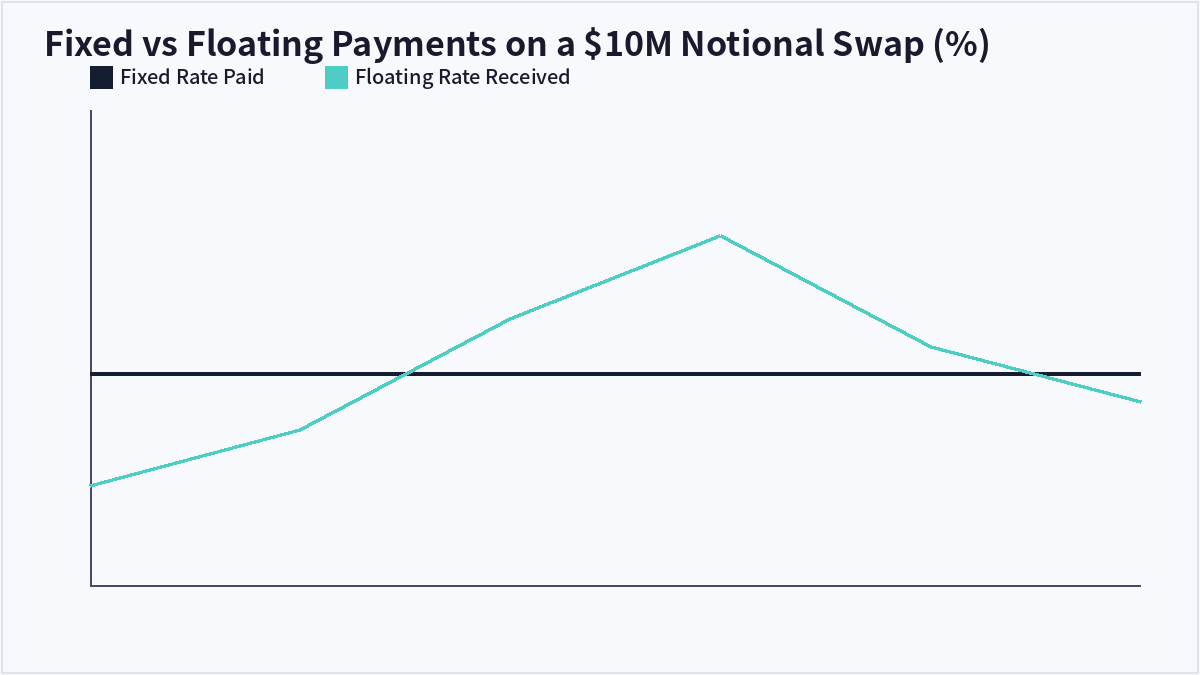
In a plain-vanilla fixed-for-floating swap on a $10M notional, Party A might pay a fixed 4.0% annually while receiving a floating rate (such as a reference rate plus a spread) from Party B. If the floating rate is 4.5% in a given period, Party B owes the 0.5 percentage-point difference on the notional, since only the net difference — not the full amounts — typically changes hands.
Why Use a Fixed-for-Floating Structure?
A company that issued floating-rate debt but wants payment certainty can enter a swap to pay fixed and receive floating, effectively converting its floating-rate liability into a fixed-rate one. This locks in borrowing costs and removes the uncertainty of future rate movements from its budgeting.
Interest Rate Swaps as a Hedging Tool
Beyond corporations managing debt costs, interest rate swaps are used extensively by banks, pension funds, and asset managers to hedge duration risk in bond portfolios or to adjust the interest rate sensitivity of a balance sheet without buying or selling the underlying bonds directly.
Counterparty Risk in Swaps
Because swaps are often traded over-the-counter, counterparty risk — the chance the other party fails to make its payments — is a real consideration. Central clearing through clearinghouses and collateral posting requirements have become standard practice since the 2008 financial crisis to mitigate this risk.
| Party | Pays | Receives |
|---|---|---|
| Party A | Fixed rate (4.0%) | Floating rate |
| Party B | Floating rate | Fixed rate (4.0%) |
| Principal | Not exchanged (notional only) | Not exchanged (notional only) |
Frequently Asked Questions
Is the notional principal actually exchanged in a swap?
No — the notional amount is only used to calculate the interest payments; only the net interest difference typically changes hands between the two parties.
Why would a company want to pay fixed and receive floating?
A company with floating-rate debt facing rising-rate risk can lock in a fixed cost of borrowing by entering this type of swap, trading rate uncertainty for payment predictability.
What’s the main risk in an interest rate swap?
Beyond the market risk from rate movements, counterparty risk — the possibility the other party defaults on its payment obligations — is a key consideration, which is why central clearing is now common.
Who typically uses interest rate swaps?
Corporations hedging debt costs, banks managing balance sheet interest rate risk, and institutional investors like pension funds adjusting portfolio duration are among the most common users.
Key Takeaways
An interest rate swap exchanges fixed and floating interest payments on a notional amount without transferring principal, and it’s widely used to hedge or adjust exposure to interest rate movements. Counterparty risk is a key consideration, which is why central clearing has become standard since 2008. This article is for informational purposes only and does not constitute investment advice.

QuantPro: AI Finds the Trade Before You Do
From AI-powered chart analysis to real-time market intelligence — everything a serious investor needs, in one platform.
- Automated AI chart analysis with precision trend timing
- Bull Radar: real-time visualization of geopolitical & economic shifts
- Live market-moving news and insights, curated for you
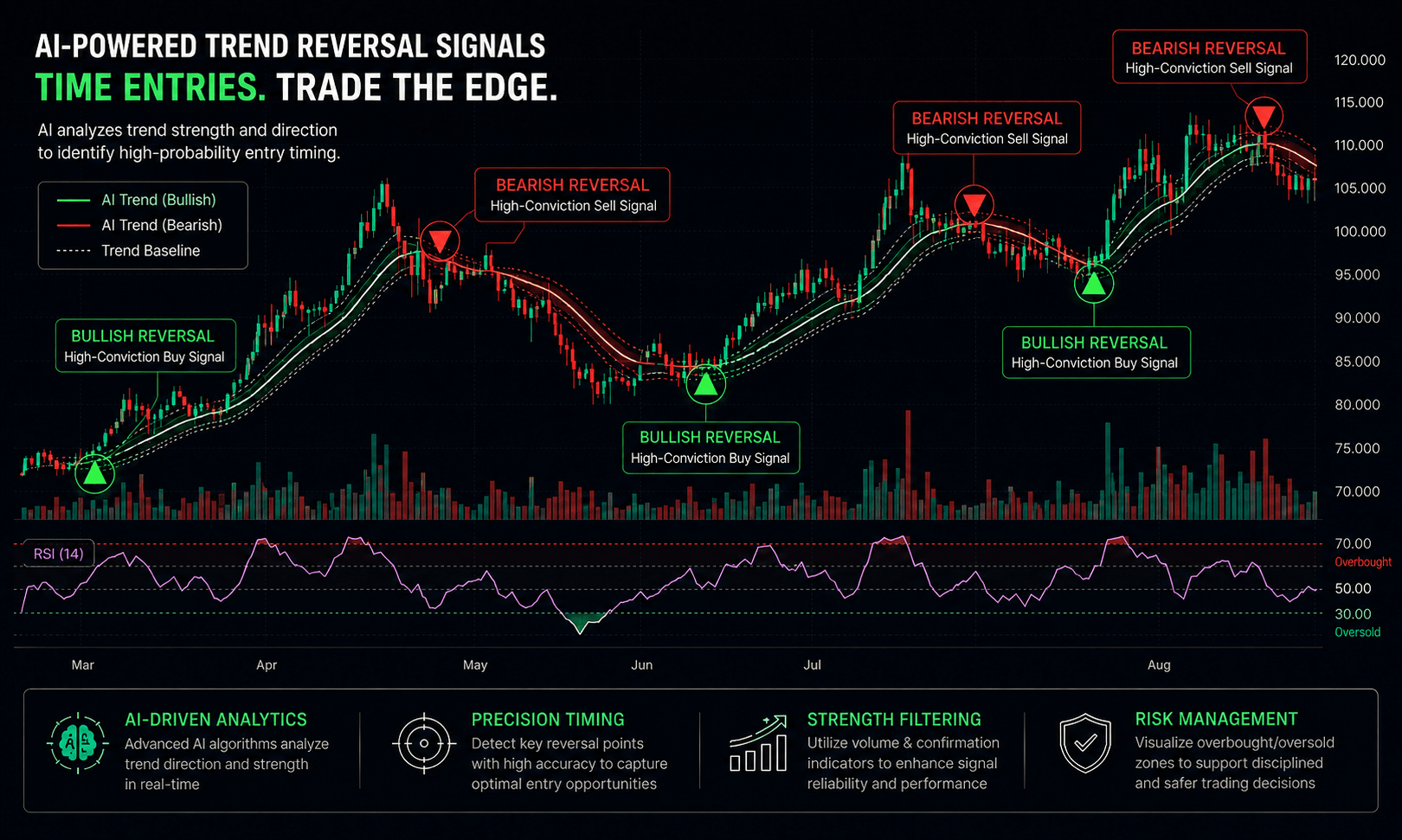
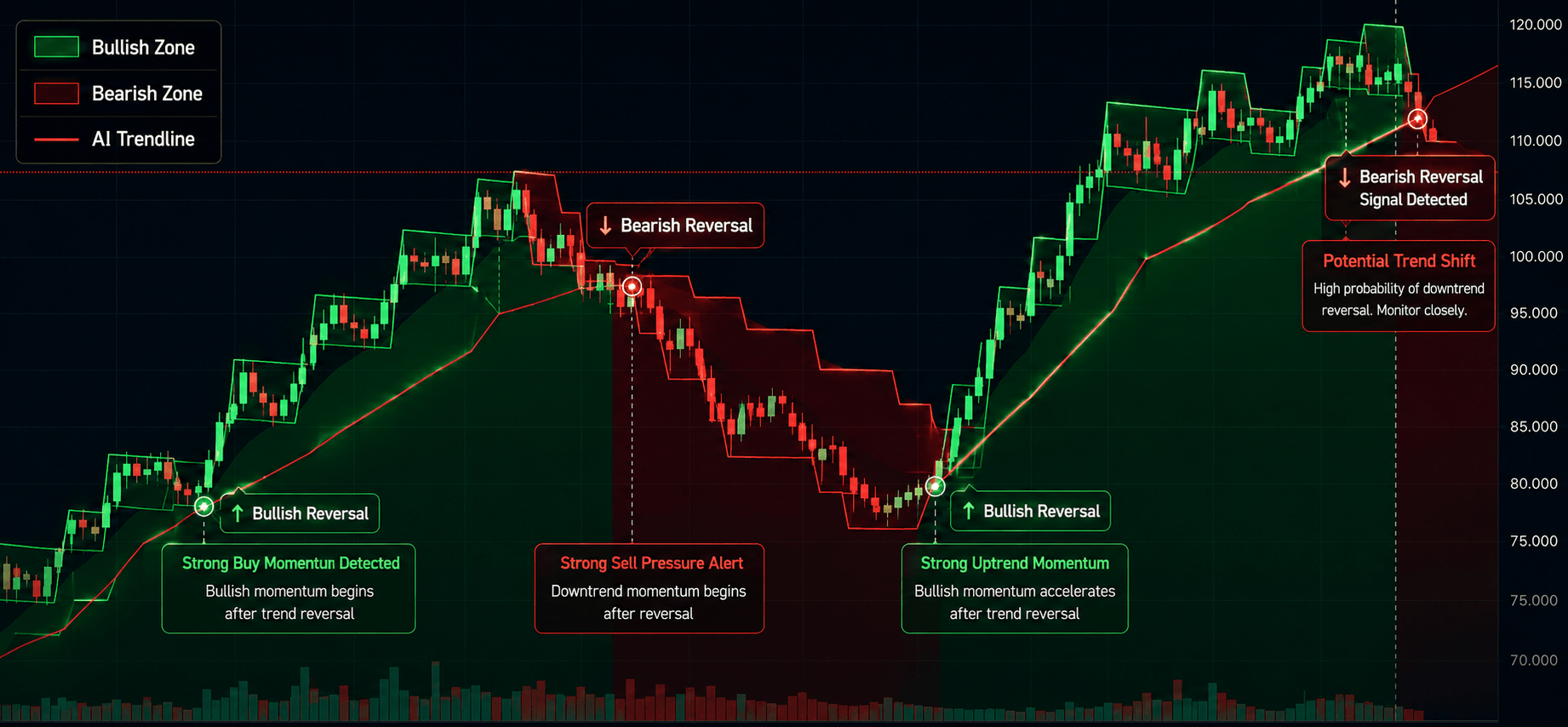
Bull Wave / Bear Wave Forecast Model
Engineered to help you read market direction and momentum faster than the crowd.
- Instantly separate bullish momentum from bearish pressure
- Pinpoint high-probability entry zones with confidence
- Chart signals clear enough for beginners, sharp enough for pros
Winning Pattern Detection
Instantly surfaces the high-probability setups that repeat across the charts — a trusted edge for timing your entries and exits.
- Spot momentum building in real time
- Catch trend-reversal points before they break
- Built for active traders who need results, not theory

AI Live Economic Dashboard
AI analyzes real-time market data — turning complex, global investment flows into clear insight in seconds.
- Track global stock markets in real time
- See exactly which assets are strong — and which are fading
- Watch how geopolitical events move the markets
About the Author