What Is a Money Market Fund?
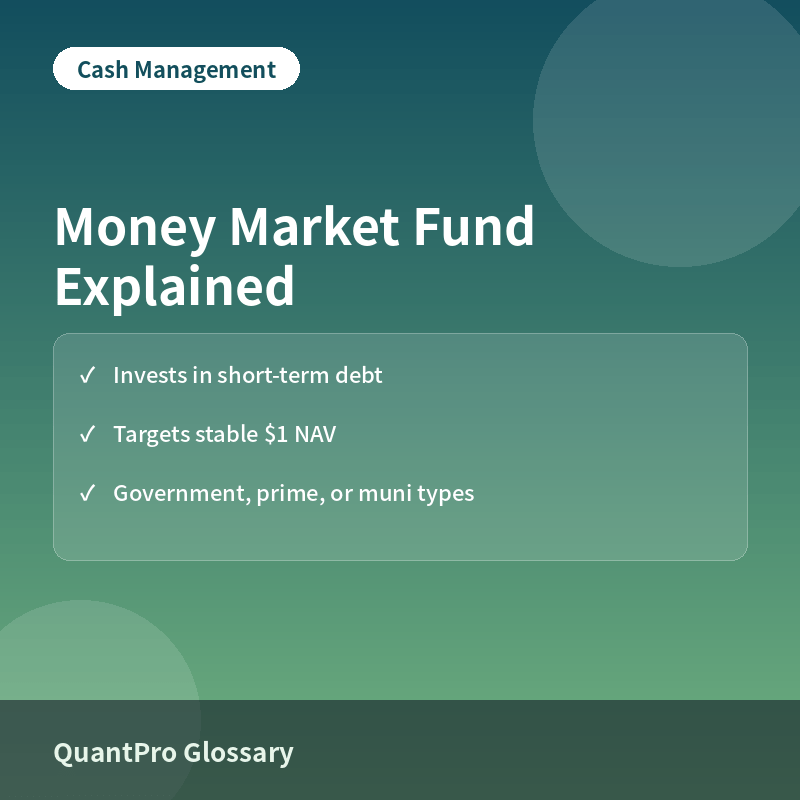
A money market fund is a type of mutual fund that invests in short-term, high-quality debt instruments such as Treasury bills, commercial paper, and repurchase agreements. These funds are designed to offer investors a low-risk place to park cash while earning a modest yield, typically with same-day or next-day liquidity.
How Money Market Funds Aim to Preserve a Stable NAV
Many money market funds, particularly government funds, aim to maintain a stable net asset value (NAV) of $1.00 per share by investing in extremely short-duration, high-quality instruments. Interest income accrues daily rather than showing up as share price appreciation. It’s worth noting that a stable NAV is a fund objective, not a guarantee — funds can and occasionally have deviated from it under stress.
Types of Money Market Funds
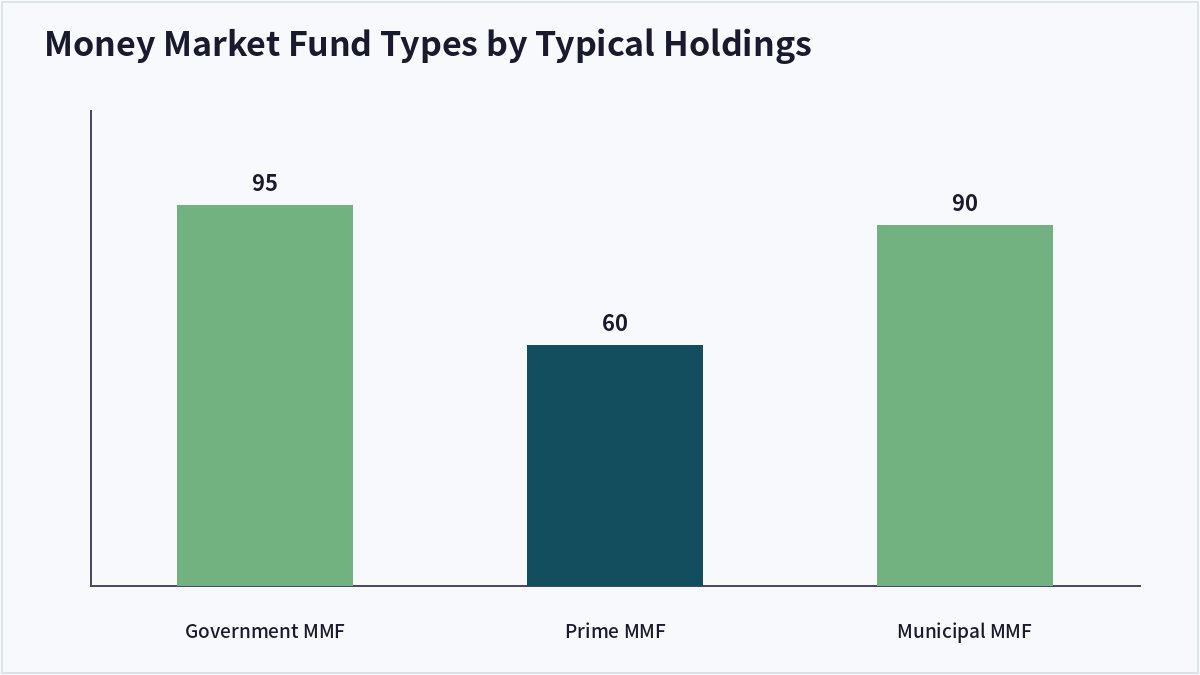
Government money market funds invest almost entirely in Treasury securities and government-backed repurchase agreements, offering the highest degree of credit safety. Prime funds hold a mix that can include corporate commercial paper, offering slightly higher yields with somewhat more credit risk. Municipal money market funds invest in short-term municipal debt, often appealing to investors seeking tax-advantaged income.
Key Risks to Understand
While money market funds are considered low-risk relative to equities or long-term bonds, they aren’t risk-free. Prime funds carry some credit and liquidity risk tied to their commercial paper holdings, and during periods of severe market stress, redemption gates or liquidity fees have historically been used to manage large-scale withdrawals from certain fund types.
Money Market Funds vs Bank Deposits
Unlike bank deposits, money market fund shares are not insured by deposit insurance schemes such as the FDIC in the U.S. They’re regulated instead under securities law, and their return of principal — while historically very reliable for government funds — isn’t formally guaranteed the way an insured deposit is.
| Fund Type | Typical Holdings | Relative Risk |
|---|---|---|
| Government MMF | Treasuries, government repo | Lowest |
| Prime MMF | Commercial paper, CDs, repo | Moderate |
| Municipal MMF | Short-term municipal debt | Low, tax-advantaged |
Frequently Asked Questions
Are money market funds FDIC insured?
No — money market funds are securities products regulated separately from bank deposits, and they aren’t covered by deposit insurance schemes like the FDIC, even though they aim for high stability.
Can a money market fund lose value?
Yes, though rare for government funds specifically. Prime funds have occasionally seen their NAV dip below the $1.00 target during periods of severe credit stress, an event sometimes referred to as ‘breaking the buck.’
What’s the difference between a money market fund and a money market deposit account?
A money market fund is a security you buy through a brokerage or fund company, while a money market deposit account is a bank product typically covered by deposit insurance — they sound similar but are structurally different products.
Why might an investor choose a prime fund over a government fund?
Prime funds typically offer somewhat higher yields due to their exposure to commercial paper and other credit instruments, in exchange for taking on modestly more credit and liquidity risk than a government fund.
Key Takeaways
Money market funds invest in short-term, high-quality debt instruments and aim to maintain a stable NAV while offering daily liquidity, though that stability is a fund objective rather than a formal guarantee. Government, prime, and municipal variants differ in their holdings and risk profile, and none carry deposit insurance the way bank accounts do. This article is for informational purposes only and does not constitute investment advice.

QuantPro: AI Finds the Trade Before You Do
From AI-powered chart analysis to real-time market intelligence — everything a serious investor needs, in one platform.
- Automated AI chart analysis with precision trend timing
- Bull Radar: real-time visualization of geopolitical & economic shifts
- Live market-moving news and insights, curated for you
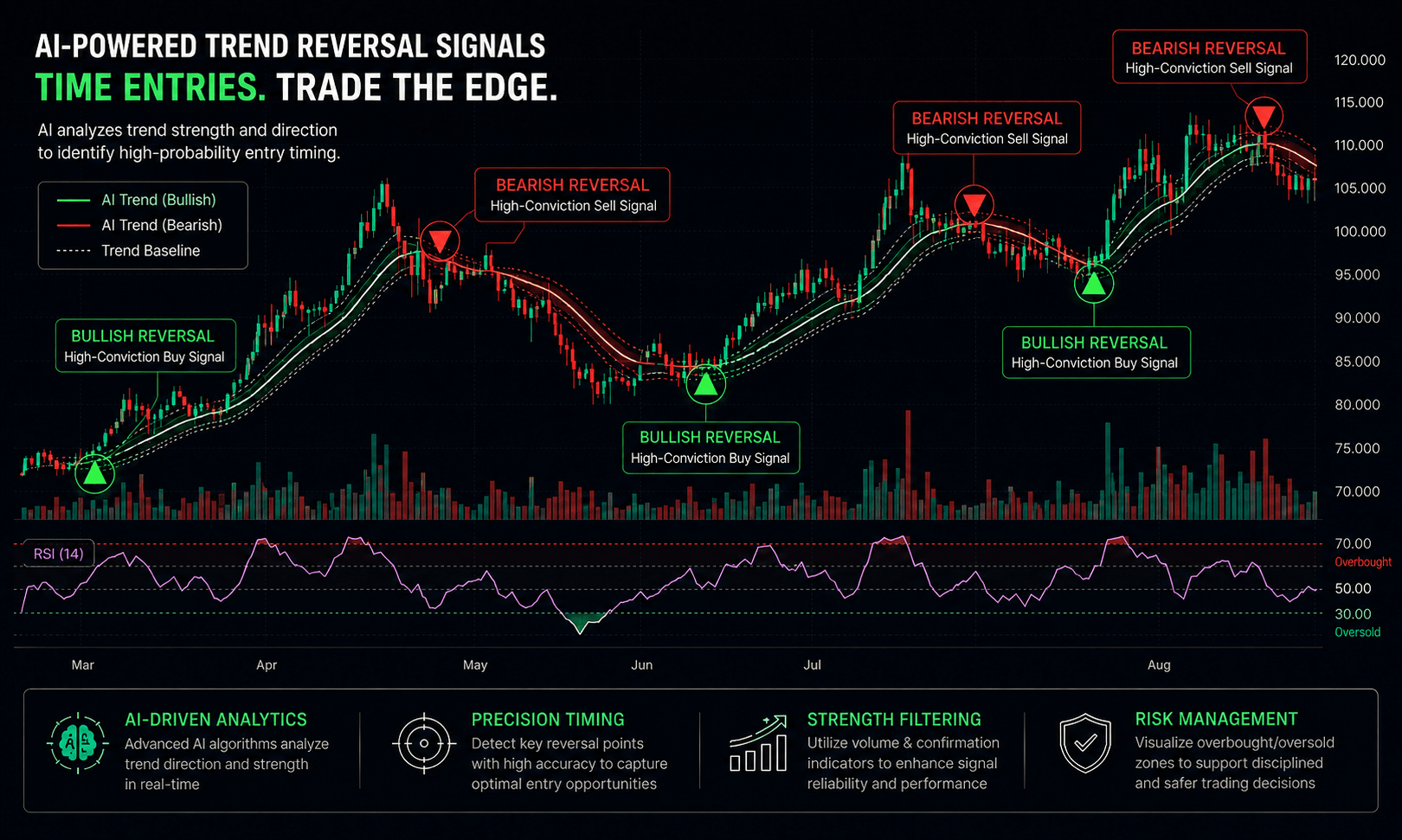
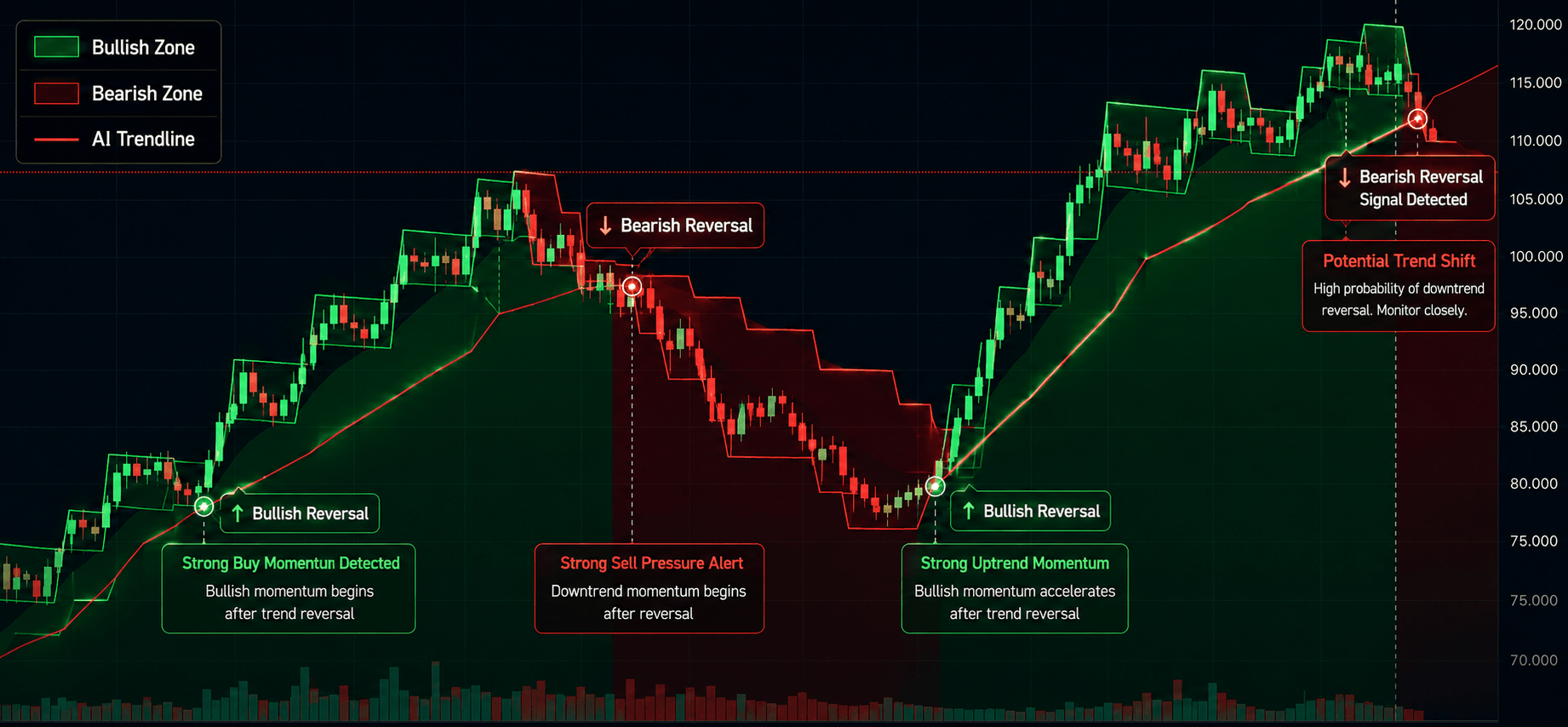
Bull Wave / Bear Wave Forecast Model
Engineered to help you read market direction and momentum faster than the crowd.
- Instantly separate bullish momentum from bearish pressure
- Pinpoint high-probability entry zones with confidence
- Chart signals clear enough for beginners, sharp enough for pros
Winning Pattern Detection
Instantly surfaces the high-probability setups that repeat across the charts — a trusted edge for timing your entries and exits.
- Spot momentum building in real time
- Catch trend-reversal points before they break
- Built for active traders who need results, not theory

AI Live Economic Dashboard
AI analyzes real-time market data — turning complex, global investment flows into clear insight in seconds.
- Track global stock markets in real time
- See exactly which assets are strong — and which are fading
- Watch how geopolitical events move the markets
About the Author