What Is Capital Gains Tax?
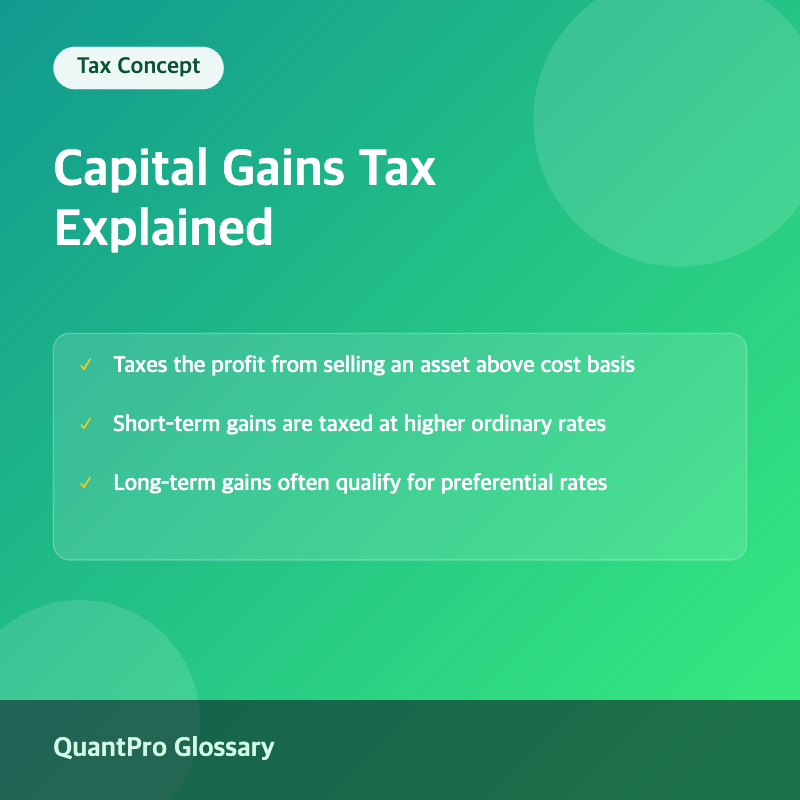
Capital gains tax is a tax levied on the profit realized when an investor sells a capital asset — such as stocks, bonds, real estate, or other property — for more than its original purchase price, known as the cost basis. The tax applies only to the gain itself, not to the entire sale proceeds.
Realized vs Unrealized Gains
A gain is “unrealized” as long as the investor continues to hold the asset — no tax is owed on paper gains. The gain becomes “realized,” and potentially taxable, only once the asset is actually sold. This is why investors sometimes delay selling winning positions specifically to defer the associated tax liability.
How Is Capital Gains Tax Calculated?
Short-Term vs Long-Term Capital Gains
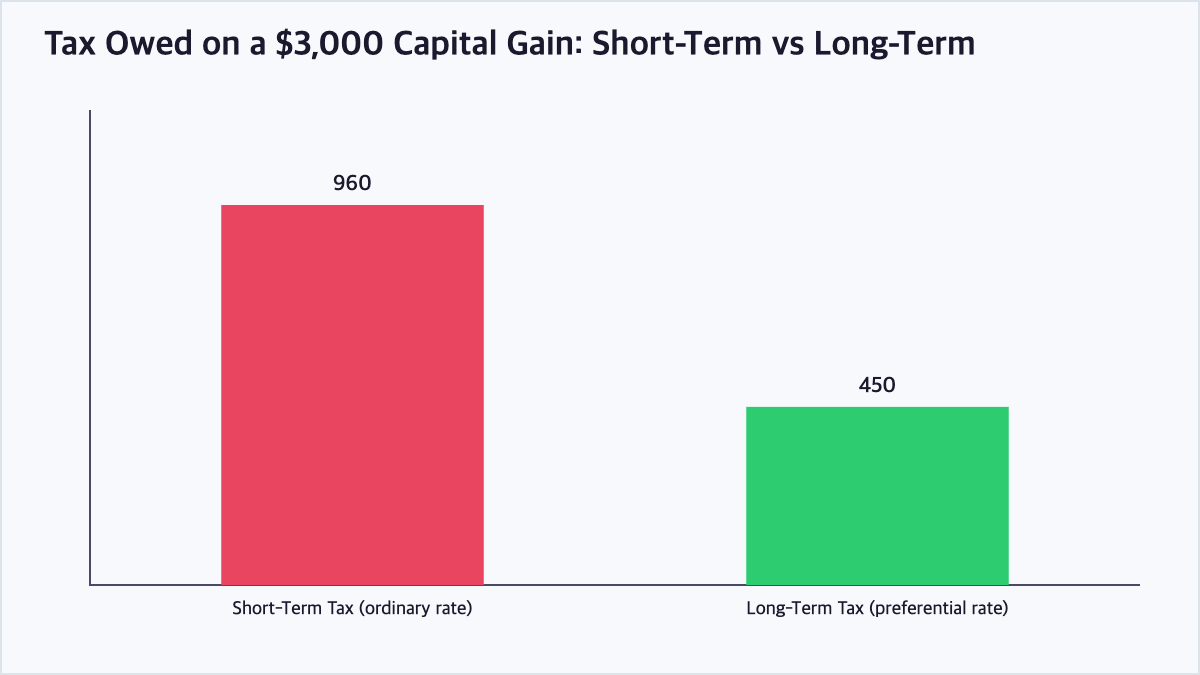
Suppose an investor buys 100 shares at $50 each ($5,000 total) and later sells them at $80 each ($8,000 total), realizing a capital gain of $3,000. If the shares were held for one year or less, the gain is classified as short-term and taxed at the investor’s ordinary income tax rate — at an illustrative 32% rate, that works out to $960 in tax. If the shares were instead held for more than one year, the gain is classified as long-term and often qualifies for a lower, preferential rate — at an illustrative 15% rate, the tax owed on the same $3,000 gain drops to just $450.
Cost Basis and Its Adjustments
Cost basis is generally the original purchase price of an asset, but it can be adjusted for items like reinvested dividends, stock splits, or transaction costs. An accurate cost basis is essential, since understating it would overstate the taxable gain, while overstating it could trigger scrutiny from tax authorities.
Why Capital Gains Tax Matters
Tax-Loss Harvesting and Holding Period Strategy
Because the tax treatment differs so much between short-term and long-term gains, many investors deliberately plan their holding periods around the long-term threshold. Investors also use “tax-loss harvesting” — selling losing positions to realize capital losses that offset realized gains — as a way to actively manage their overall capital gains tax liability.
| Holding Period | Typical Tax Treatment | Tax on $3,000 Gain (Illustrative Example) |
|---|---|---|
| Short-term (one year or less) | Taxed as ordinary income at the investor’s marginal tax rate | $960 (at an illustrative 32% rate) |
| Long-term (more than one year) | Taxed at preferential long-term capital gains rates | $450 (at an illustrative 15% rate) |
Frequently Asked Questions
What is the “holding period” and why does one day matter so much?
The holding period is the length of time an investor owns an asset before selling it. In many tax systems, crossing the one-year mark shifts a gain from the short-term to the long-term category, which — as the example above shows — can substantially reduce the tax owed on an identical dollar gain.
Can capital losses offset capital gains?
Yes. Realized capital losses can generally be used to offset realized capital gains, reducing the net taxable gain for the year, and in many jurisdictions a limited amount of excess losses can also offset ordinary income or be carried forward to future tax years.
Do all countries tax long-term gains at a lower rate than short-term gains?
No. Tax treatment of capital gains varies significantly by country — some tax all gains at the same rate, some exempt certain gains entirely, and rates and holding-period thresholds change over time, so investors should always check the current rules in their own jurisdiction.
Is there a capital gains tax on your primary home?
Many jurisdictions offer partial or full exemptions on gains from selling a primary residence, subject to conditions such as minimum ownership and occupancy periods, but the specific exemption rules and thresholds vary widely by country.
Key Takeaways
Capital gains tax is levied on the realized profit from selling an asset above its cost basis, and the holding period — short-term versus long-term — can dramatically change the tax owed on an identical gain, as shown in the $960-versus-$450 example above. Because tax rates, thresholds, and exemptions vary by country and change over time, investors should confirm the current rules that apply to their own situation. This article is for informational purposes only and does not constitute investment advice.

QuantPro: AI Finds the Trade Before You Do
From AI-powered chart analysis to real-time market intelligence — everything a serious investor needs, in one platform.
- Automated AI chart analysis with precision trend timing
- Bull Radar: real-time visualization of geopolitical & economic shifts
- Live market-moving news and insights, curated for you
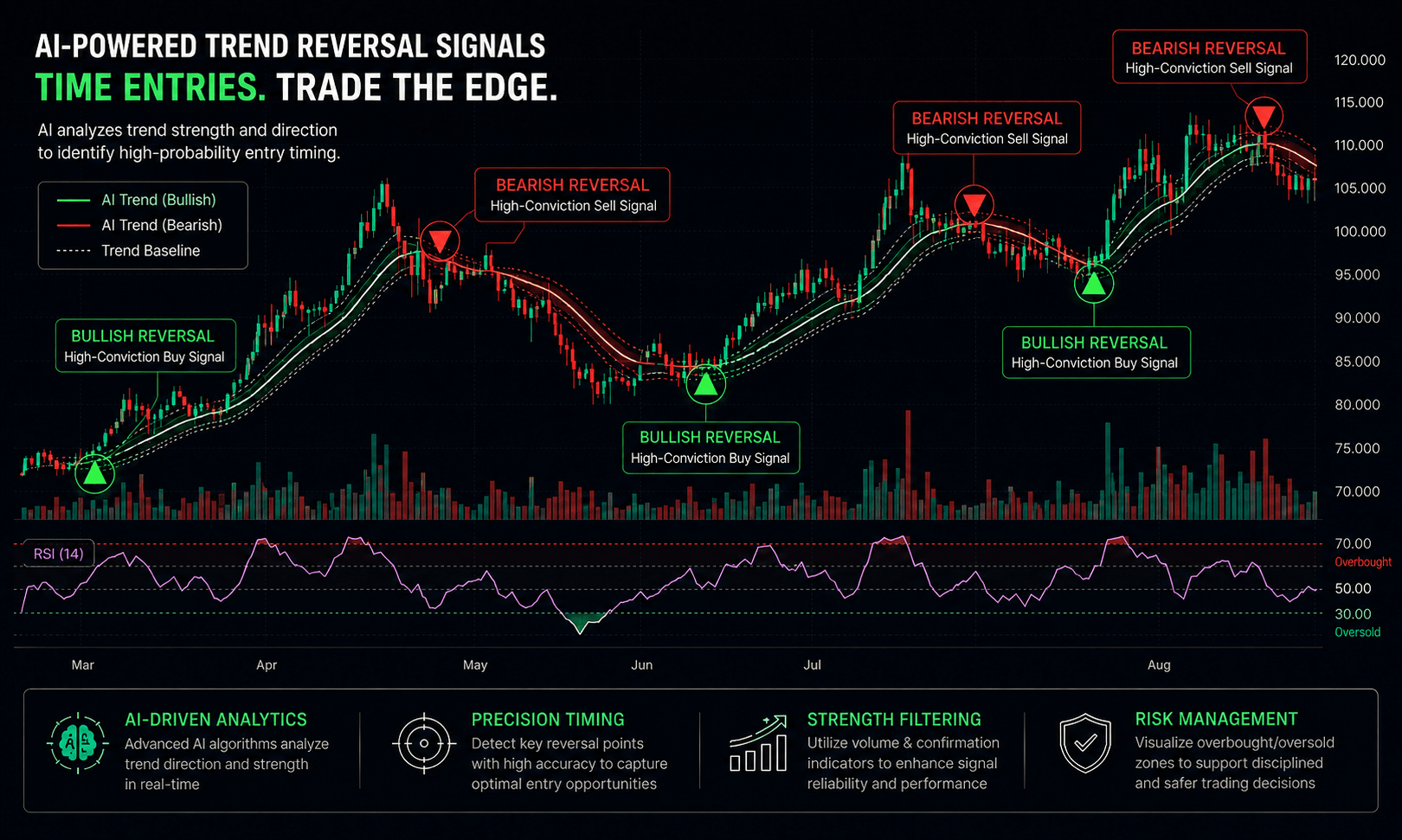
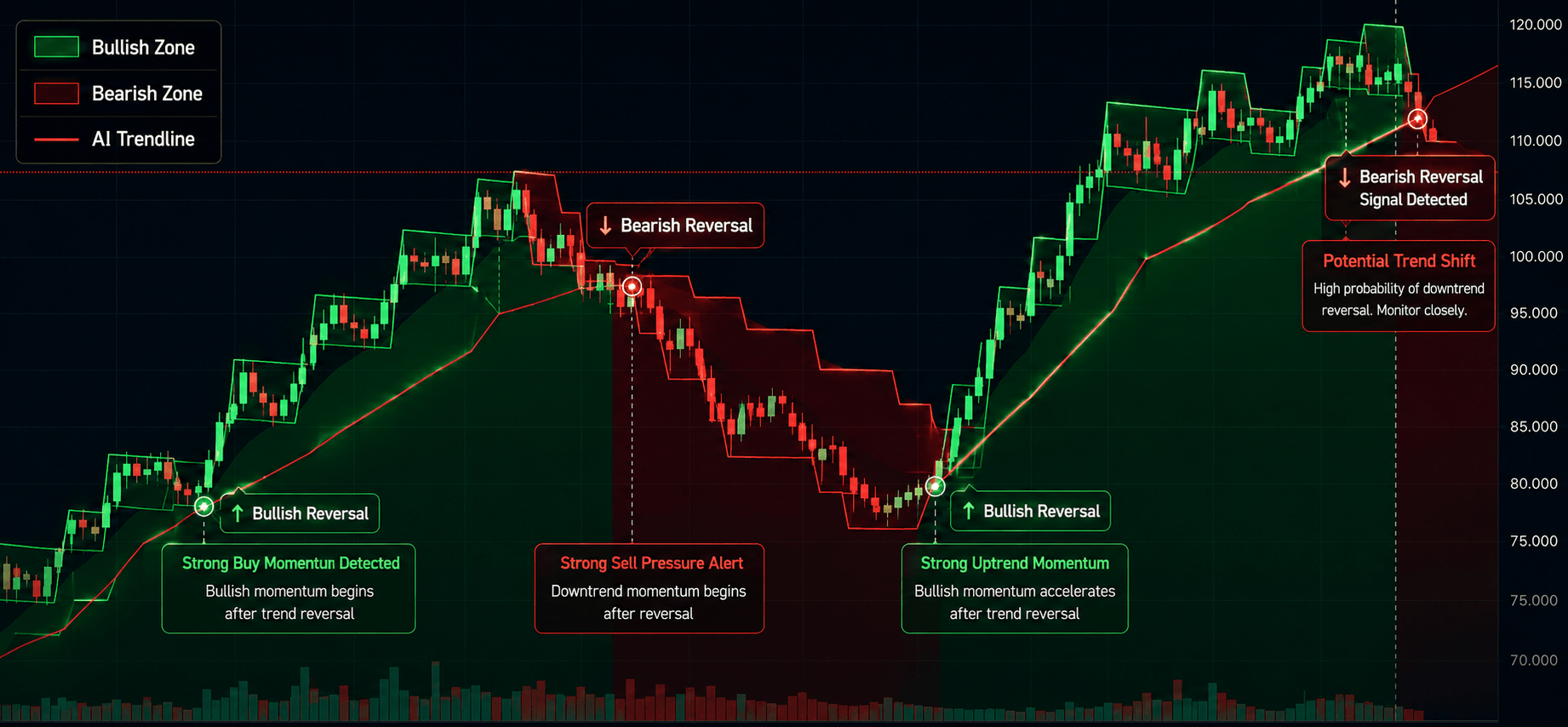
Bull Wave / Bear Wave Forecast Model
Engineered to help you read market direction and momentum faster than the crowd.
- Instantly separate bullish momentum from bearish pressure
- Pinpoint high-probability entry zones with confidence
- Chart signals clear enough for beginners, sharp enough for pros
Winning Pattern Detection
Instantly surfaces the high-probability setups that repeat across the charts — a trusted edge for timing your entries and exits.
- Spot momentum building in real time
- Catch trend-reversal points before they break
- Built for active traders who need results, not theory

AI Live Economic Dashboard
AI analyzes real-time market data — turning complex, global investment flows into clear insight in seconds.
- Track global stock markets in real time
- See exactly which assets are strong — and which are fading
- Watch how geopolitical events move the markets
About the Author