What Is a Margin Call?
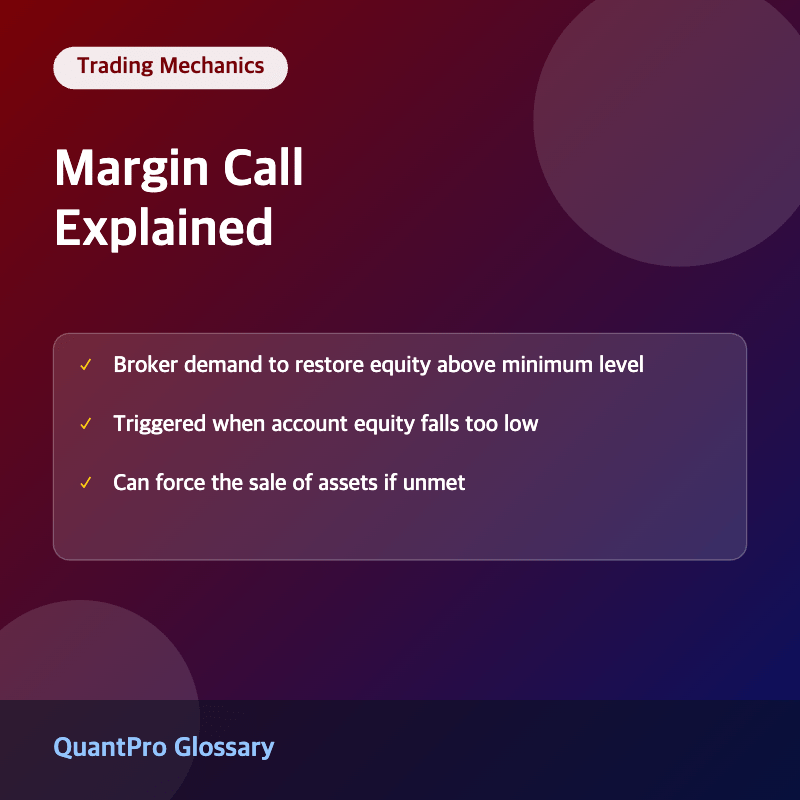
A margin call is a demand from a broker requiring an investor to deposit additional cash or securities into their margin account after the account’s equity has fallen below the required minimum level. It occurs when losses on a leveraged position erode the investor’s equity cushion to the point where it no longer satisfies the broker’s maintenance margin requirement.
Initial Margin vs Maintenance Margin
Initial margin is the minimum percentage of a position’s value that an investor must fund with their own cash when first opening a leveraged trade — commonly 50% under U.S. Regulation T. Maintenance margin is a separate, typically lower threshold (often 25% or higher, depending on the broker) that the investor’s equity must continue to satisfy for as long as the position remains open.
How Does a Margin Call Work?
A Worked Example
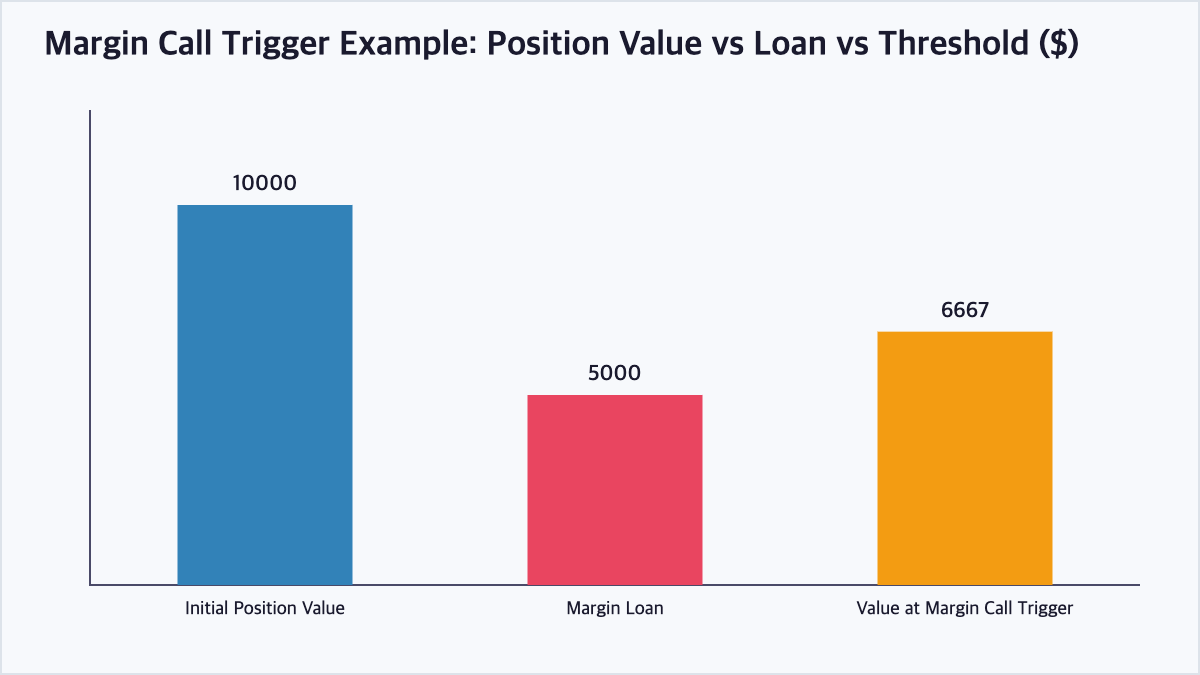
Suppose an investor buys $10,000 worth of stock, funding half with $5,000 of their own cash and borrowing the remaining $5,000 on margin (50% initial margin). Assume the broker’s maintenance margin requirement is 25% of the position’s current value. As the stock price falls, the loan amount stays fixed at $5,000 while the position’s value (and the investor’s equity) shrinks. Setting equity equal to 25% of position value — (Value − $5,000) ÷ Value = 25% — shows that a margin call is triggered once the position’s value drops to about $6,667, a decline of roughly one-third from the original $10,000.
Meeting a Margin Call
An investor who receives a margin call can typically meet it in one of three ways: depositing additional cash, depositing additional marginable securities, or selling some of the existing position to pay down the loan. If the investor fails to act within the broker’s deadline — sometimes just a day or two — the broker has the right to sell securities in the account without further notice to bring the account back into compliance.
Why Margin Calls Matter
Amplified Losses and Forced Selling
Because margin trading uses leverage, losses are amplified relative to an all-cash position, which is exactly why the equity cushion can vanish faster than the underlying price decline. Forced liquidation at depressed prices — often at the worst possible moment — can lock in losses that a cash investor holding the same asset would never have been forced to realize.
| Term | Typical Requirement | What It Means |
|---|---|---|
| Initial Margin | 50% (U.S. Regulation T) | Minimum equity required to open a leveraged position |
| Maintenance Margin | 25% or higher (broker-set minimum) | Minimum equity required to keep the position open |
| Margin Call | N/A | Broker demand to restore equity above the maintenance level |
Frequently Asked Questions
What happens if I don’t meet a margin call?
If the required funds or securities aren’t deposited by the broker’s deadline, the broker can sell assets in the account — without asking which ones — to bring the account’s equity back above the maintenance margin requirement.
Can a margin call happen without any warning?
Yes. Market conditions can move quickly, and some brokers reserve the right to liquidate positions immediately in fast-moving markets without waiting for the investor to respond to a margin call.
Is a margin call the same as forced liquidation?
No. A margin call is the broker’s demand for additional funds; forced liquidation is what happens if that demand isn’t met in time. The margin call itself is a warning, while liquidation is the broker’s remedy for an unmet call.
How can I reduce my risk of getting a margin call?
Using less leverage relative to the account’s equity, keeping extra cash as a buffer, diversifying positions, and monitoring account equity closely during periods of high volatility all reduce the likelihood of receiving a margin call.
Key Takeaways
A margin call occurs when losses on a leveraged position push an investor’s account equity below the broker’s maintenance margin requirement, and it must be met with additional funds, securities, or a reduction in the position — or the broker will liquidate assets on the investor’s behalf. Because leverage amplifies both gains and losses, understanding exactly where your margin call threshold sits is essential before trading on margin. This article is for informational purposes only and does not constitute investment advice.

QuantPro: AI Finds the Trade Before You Do
From AI-powered chart analysis to real-time market intelligence — everything a serious investor needs, in one platform.
- Automated AI chart analysis with precision trend timing
- Bull Radar: real-time visualization of geopolitical & economic shifts
- Live market-moving news and insights, curated for you
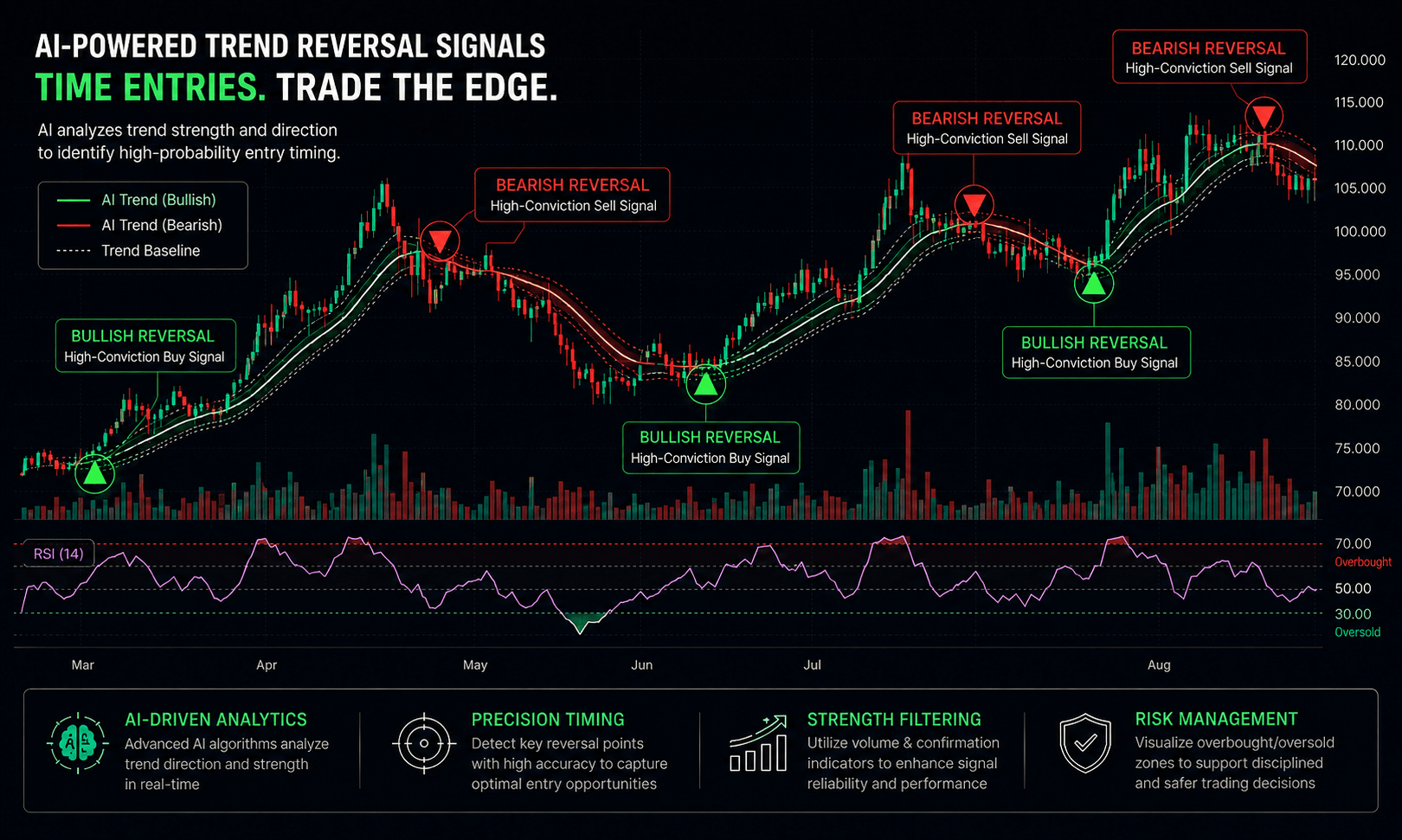
Bull Wave / Bear Wave Forecast Model
Engineered to help you read market direction and momentum faster than the crowd.
- Instantly separate bullish momentum from bearish pressure
- Pinpoint high-probability entry zones with confidence
- Chart signals clear enough for beginners, sharp enough for pros
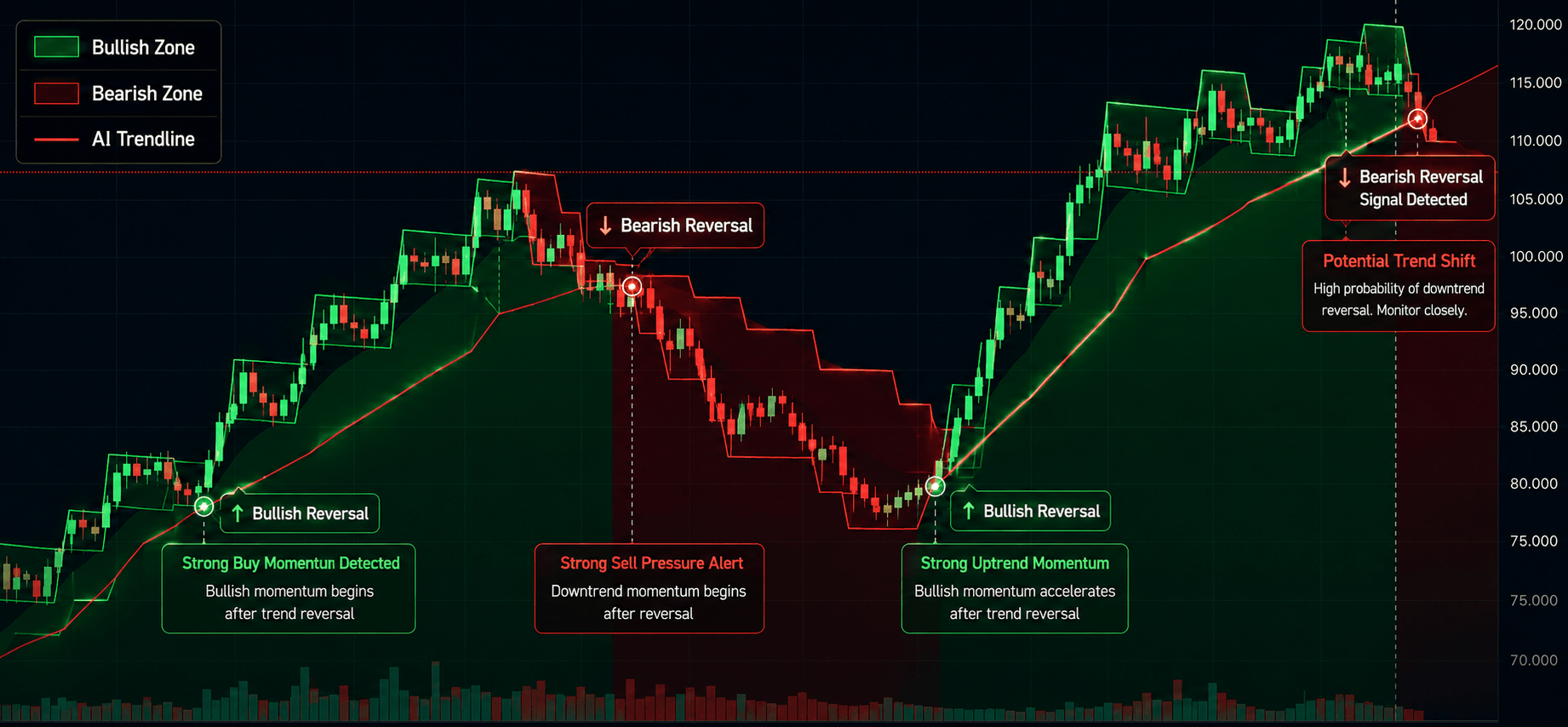
Winning Pattern Detection
Instantly surfaces the high-probability setups that repeat across the charts — a trusted edge for timing your entries and exits.
- Spot momentum building in real time
- Catch trend-reversal points before they break
- Built for active traders who need results, not theory
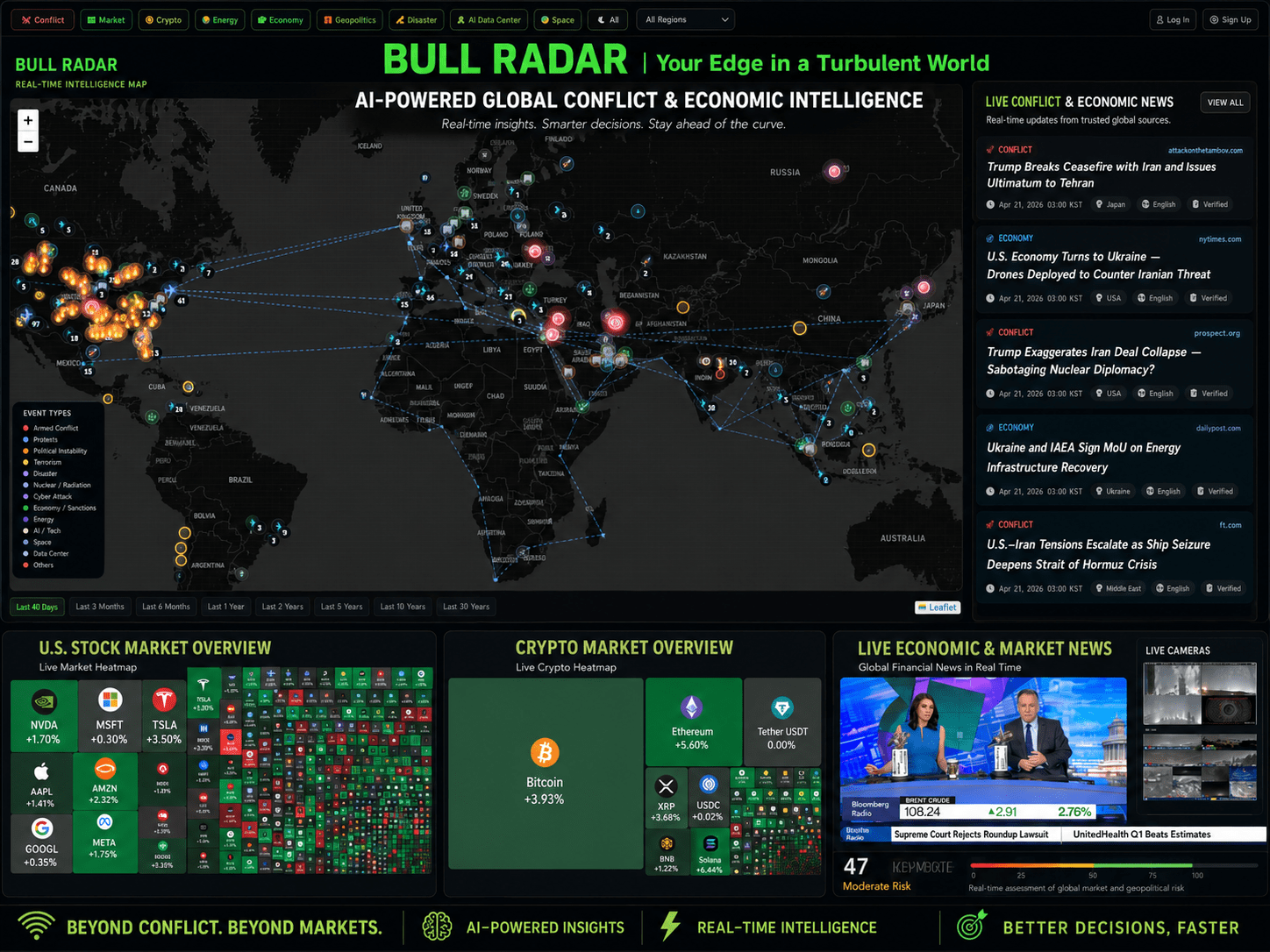
AI Live Economic Dashboard
AI analyzes real-time market data — turning complex, global investment flows into clear insight in seconds.
- Track global stock markets in real time
- See exactly which assets are strong — and which are fading
- Watch how geopolitical events move the markets
About the Author