What Is a Credit Default Swap?
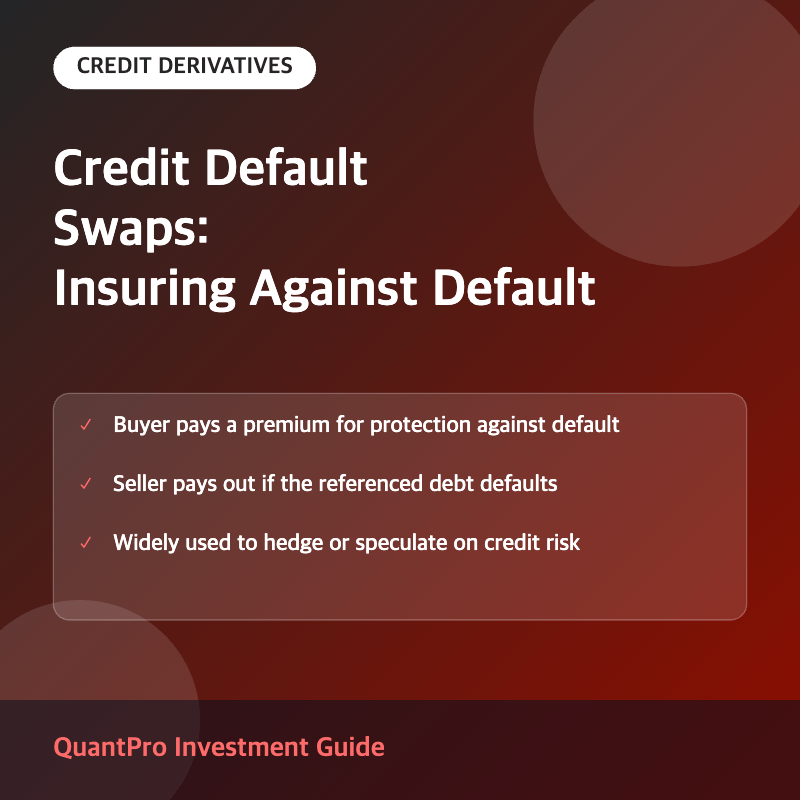
A credit default swap (CDS) is a financial derivative contract that allows an investor to transfer credit risk on a bond or loan to another party. The buyer of a CDS makes periodic premium payments to the seller in exchange for protection: if the referenced debt issuer defaults or experiences another defined “credit event,” the seller compensates the buyer for the loss.
CDS contracts function similarly to insurance policies, but unlike traditional insurance, the buyer of a CDS does not need to actually own the underlying bond, allowing investors to use CDS purely to speculate on the creditworthiness of a company or government without holding its debt.
How CDS Pricing Works
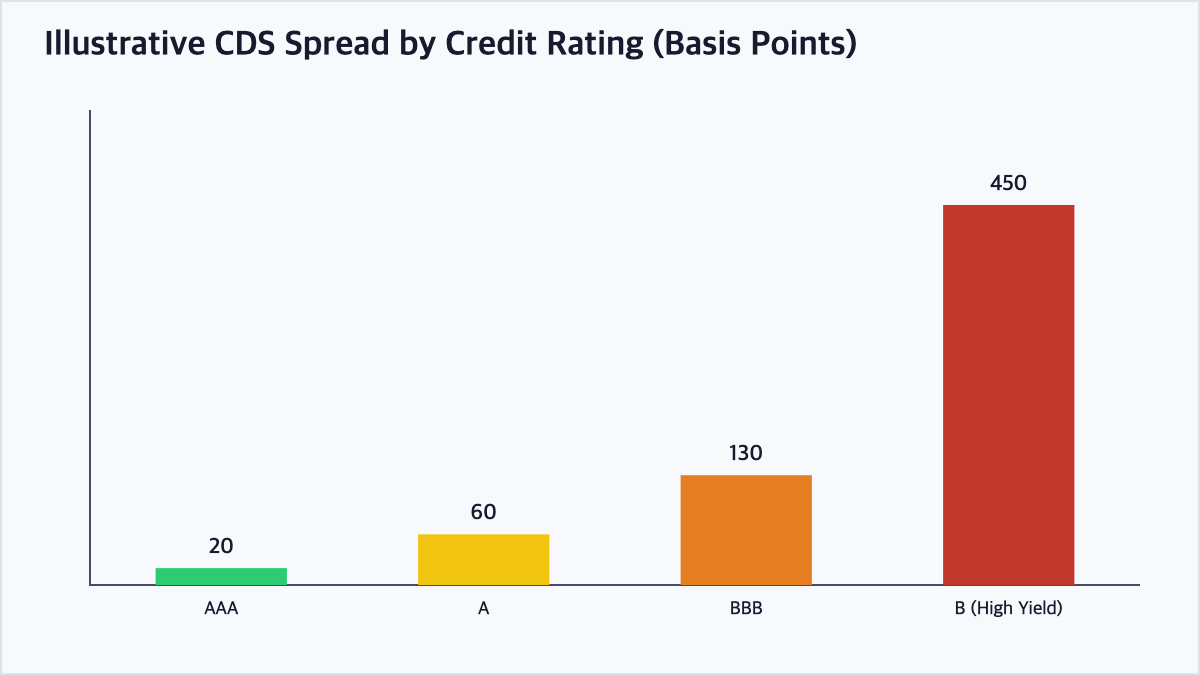
The cost of a CDS, known as the spread, is quoted in basis points and reflects the market’s perceived probability of default for the referenced entity. A wider spread indicates the market views the entity as riskier, while a narrower spread indicates lower perceived default risk, making CDS spreads a closely watched real-time gauge of credit risk sentiment.
Uses of Credit Default Swaps
Bondholders use CDS to hedge against the risk that a bond issuer defaults, effectively insuring their fixed-income holdings. Speculators use CDS to bet on the direction of a company’s or country’s creditworthiness without needing to buy or short the underlying bonds directly. Banks and financial institutions also use CDS to manage credit exposure across large loan portfolios.
Risks and Criticism of Credit Default Swaps
CDS contracts played a significant role in the 2008 global financial crisis, as widespread selling of CDS protection on mortgage-related securities without adequate capital reserves to cover potential payouts amplified systemic risk when defaults surged. This history has led to increased regulatory scrutiny of the CDS market.
Credit Default Swap Key Terms
| Term | Definition |
|---|---|
| CDS Buyer | Pays premiums for default protection |
| CDS Seller | Receives premiums, pays out on a credit event |
| CDS Spread | Annual cost of protection, in basis points |
| Reference Entity | The company or government whose debt is covered |
| Credit Event | A default, bankruptcy, or restructuring trigger |
Frequently Asked Questions
Do you need to own the underlying bond to buy a CDS?
No. A CDS can be purchased purely for speculative purposes without owning the referenced bond, a practice sometimes called a “naked” CDS position, which allows investors to bet on credit deterioration without any underlying bond exposure.
What triggers a payout on a credit default swap?
A payout is triggered by a defined “credit event,” which typically includes a bankruptcy filing, a missed debt payment, or a debt restructuring, as determined by industry bodies that officially rule on whether a credit event has occurred.
Are credit default swaps only used for corporate debt?
No. CDS contracts also exist on sovereign, or government, debt, allowing investors to hedge against or speculate on the possibility that a country might default on its bond obligations.
How do rising CDS spreads affect a company?
Rising CDS spreads signal deteriorating market confidence in a company’s creditworthiness, which can increase its borrowing costs, since new debt issued by the company would likely need to offer higher yields to compensate lenders for the elevated perceived risk.
Key Takeaways
Credit default swaps allow investors to transfer or take on credit risk related to a bond issuer’s potential default, functioning as insurance-like contracts used for hedging or speculation. Their central role in the 2008 financial crisis has led to increased regulatory oversight of the CDS market. This article is for informational purposes only and does not constitute investment advice.

QuantPro: AI Finds the Trade Before You Do
From AI-powered chart analysis to real-time market intelligence — everything a serious investor needs, in one platform.
- Automated AI chart analysis with precision trend timing
- Bull Radar: real-time visualization of geopolitical & economic shifts
- Live market-moving news and insights, curated for you
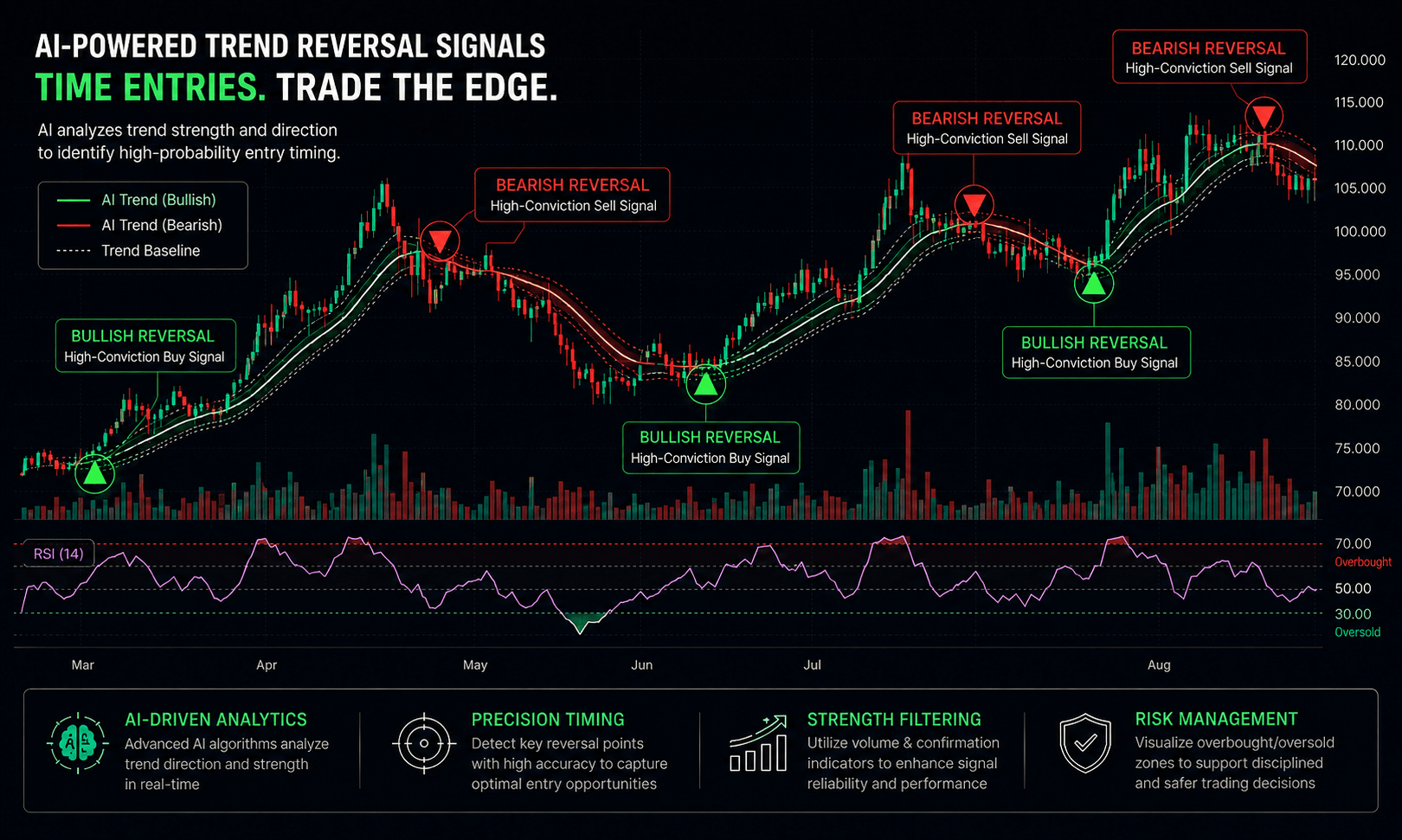
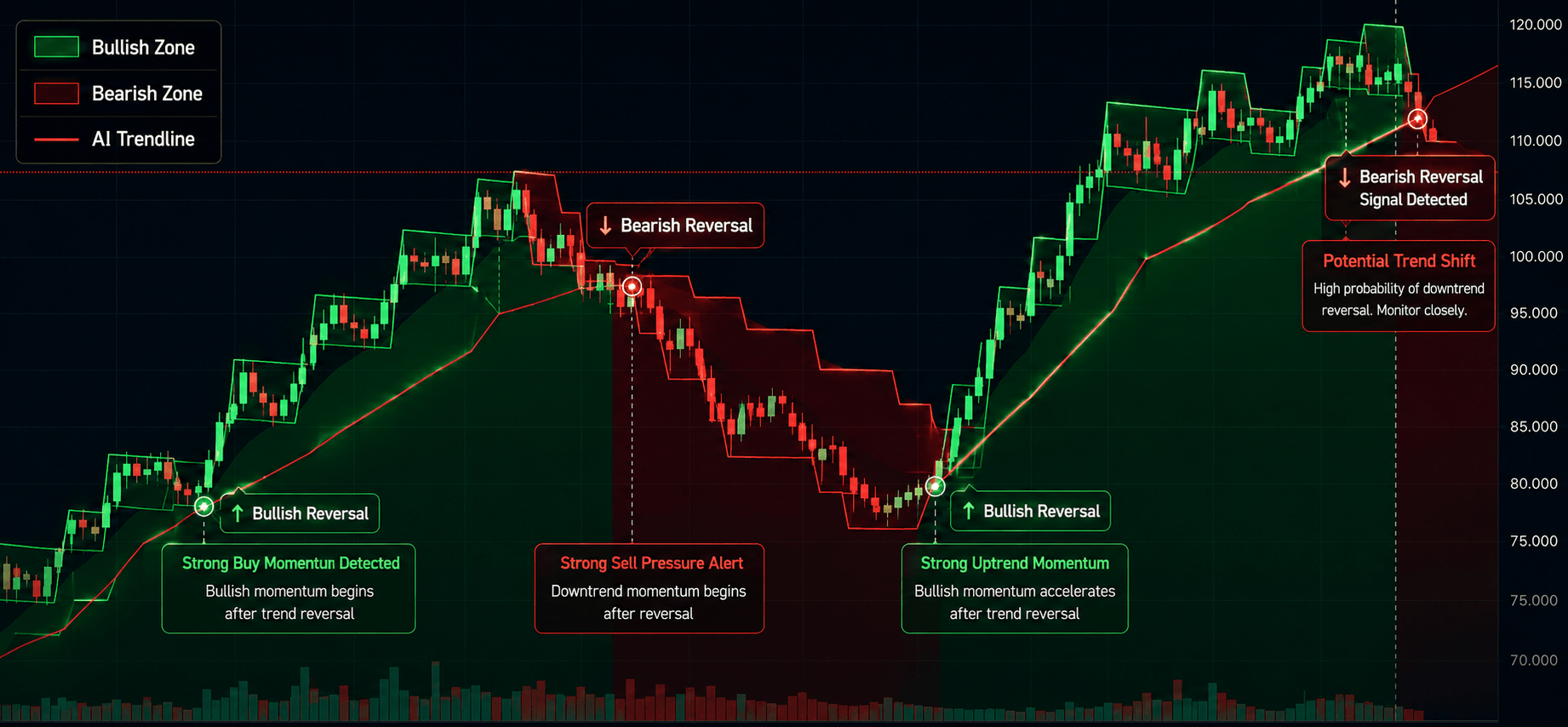
Bull Wave / Bear Wave Forecast Model
Engineered to help you read market direction and momentum faster than the crowd.
- Instantly separate bullish momentum from bearish pressure
- Pinpoint high-probability entry zones with confidence
- Chart signals clear enough for beginners, sharp enough for pros
Winning Pattern Detection
Instantly surfaces the high-probability setups that repeat across the charts — a trusted edge for timing your entries and exits.
- Spot momentum building in real time
- Catch trend-reversal points before they break
- Built for active traders who need results, not theory

AI Live Economic Dashboard
AI analyzes real-time market data — turning complex, global investment flows into clear insight in seconds.
- Track global stock markets in real time
- See exactly which assets are strong — and which are fading
- Watch how geopolitical events move the markets
About the Author