What Is a Robo-Advisor?
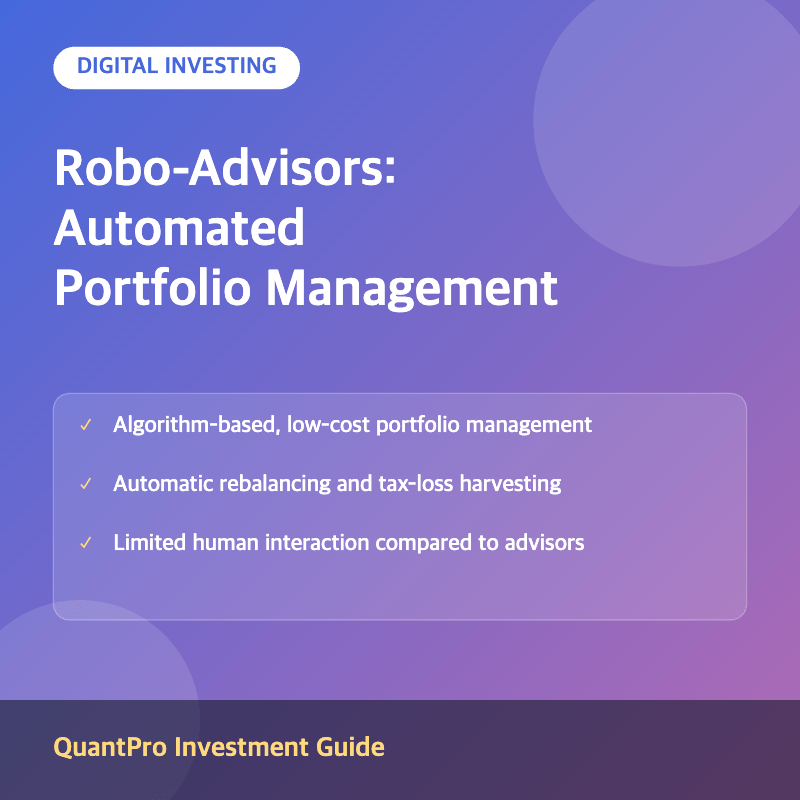
A robo-advisor is a digital platform that provides automated, algorithm-driven investment management with minimal human intervention. After an investor answers questions about their goals, risk tolerance, and time horizon, the platform builds and manages a diversified portfolio, typically using low-cost index funds or ETFs.
Robo-advisors emerged in the years following the 2008 financial crisis as a lower-cost alternative to traditional human financial advisors, using technology to automate tasks like portfolio construction, rebalancing, and tax optimization at a fraction of the cost of conventional wealth management services.
Core Features of Robo-Advisors
Most robo-advisors offer automatic portfolio rebalancing, which periodically adjusts holdings back to target allocations as markets shift, and many also offer automated tax-loss harvesting, which realizes losses to offset capital gains taxes. Account setup is typically fast and fully digital, often taking just minutes to complete.
Robo-Advisor Fees and Costs
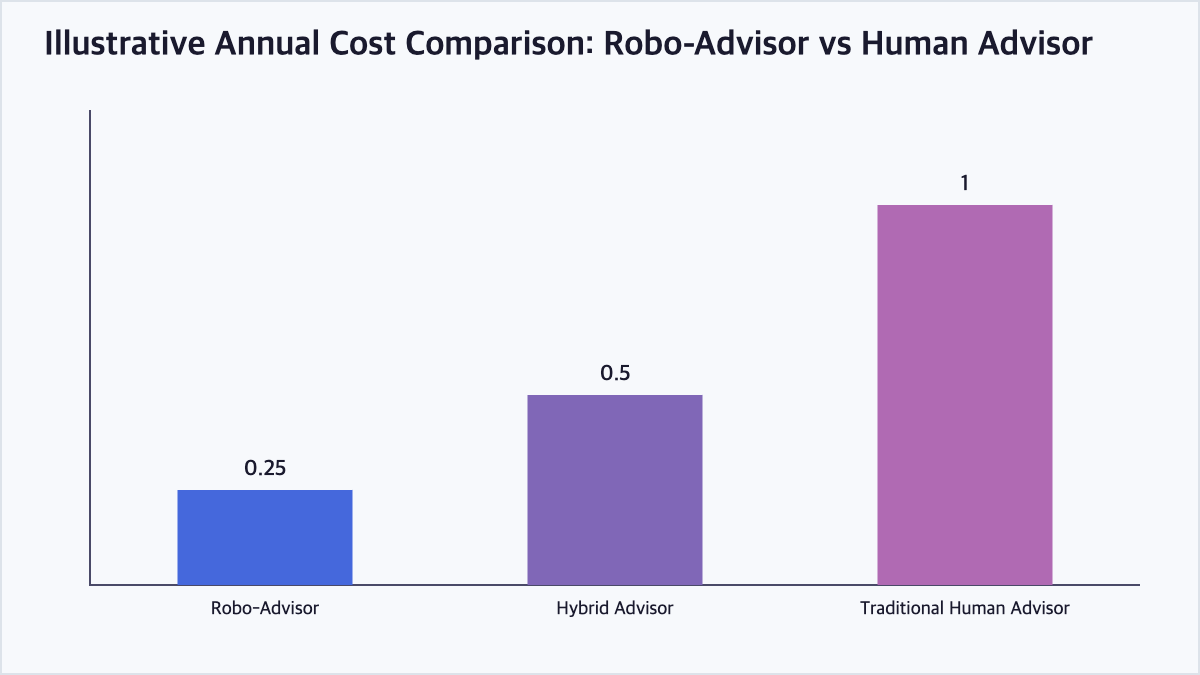
Robo-advisors typically charge an annual management fee based on a percentage of assets under management, often significantly lower than the fees charged by traditional human financial advisors. This cost advantage stems from the reduced need for human staff and the platform’s reliance on automated, algorithm-driven portfolio management.
Limitations of Robo-Advisors
Robo-advisors generally offer limited personalized guidance for complex financial situations, such as estate planning, business succession, or highly customized tax strategies, areas where a human advisor’s judgment and experience may add more value. Many providers now offer hybrid models that combine algorithmic management with access to human advisors for an additional fee.
Robo-Advisor vs Traditional Human Advisor
| Feature | Robo-Advisor | Traditional Human Advisor |
|---|---|---|
| Typical Annual Fee | Around 0.25% | Around 1.0% or more |
| Personalization | Algorithm-based, limited | Highly personalized |
| Minimum Investment | Often low or none | Often higher |
| Complex Planning | Limited support | Comprehensive support |
| Best Suited For | Straightforward, cost-conscious investing | Complex financial situations |
Frequently Asked Questions
Are robo-advisors safe to use?
Reputable robo-advisors are typically registered investment advisors regulated by financial authorities, and client assets are usually held at custodian institutions with standard investor protections, similar to those provided at traditional brokerages, though investors should verify a platform’s regulatory status before using it.
Can a robo-advisor replace a human financial advisor entirely?
For straightforward investment management, robo-advisors can serve as a complete solution for many investors, but those with complex needs, such as significant estate planning or business ownership considerations, may still benefit from working with a human advisor, either instead of or alongside a robo-advisor.
How does automatic rebalancing work with a robo-advisor?
The platform periodically checks the portfolio’s actual allocation against its target allocation and automatically buys or sells assets as needed to bring the portfolio back in line, without requiring the investor to manually monitor or execute trades.
Do robo-advisors work well for retirement accounts?
Yes. Many robo-advisors support tax-advantaged retirement accounts such as IRAs, making them a popular option for long-term retirement investing due to their low costs and automated, hands-off management approach.
Key Takeaways
Robo-advisors provide low-cost, automated portfolio management using algorithms for tasks like rebalancing and tax-loss harvesting, making them a popular option for straightforward, cost-conscious investing, though they offer more limited support for complex financial planning needs. This article is for informational purposes only and does not constitute investment advice.

QuantPro: AI Finds the Trade Before You Do
From AI-powered chart analysis to real-time market intelligence — everything a serious investor needs, in one platform.
- Automated AI chart analysis with precision trend timing
- Bull Radar: real-time visualization of geopolitical & economic shifts
- Live market-moving news and insights, curated for you
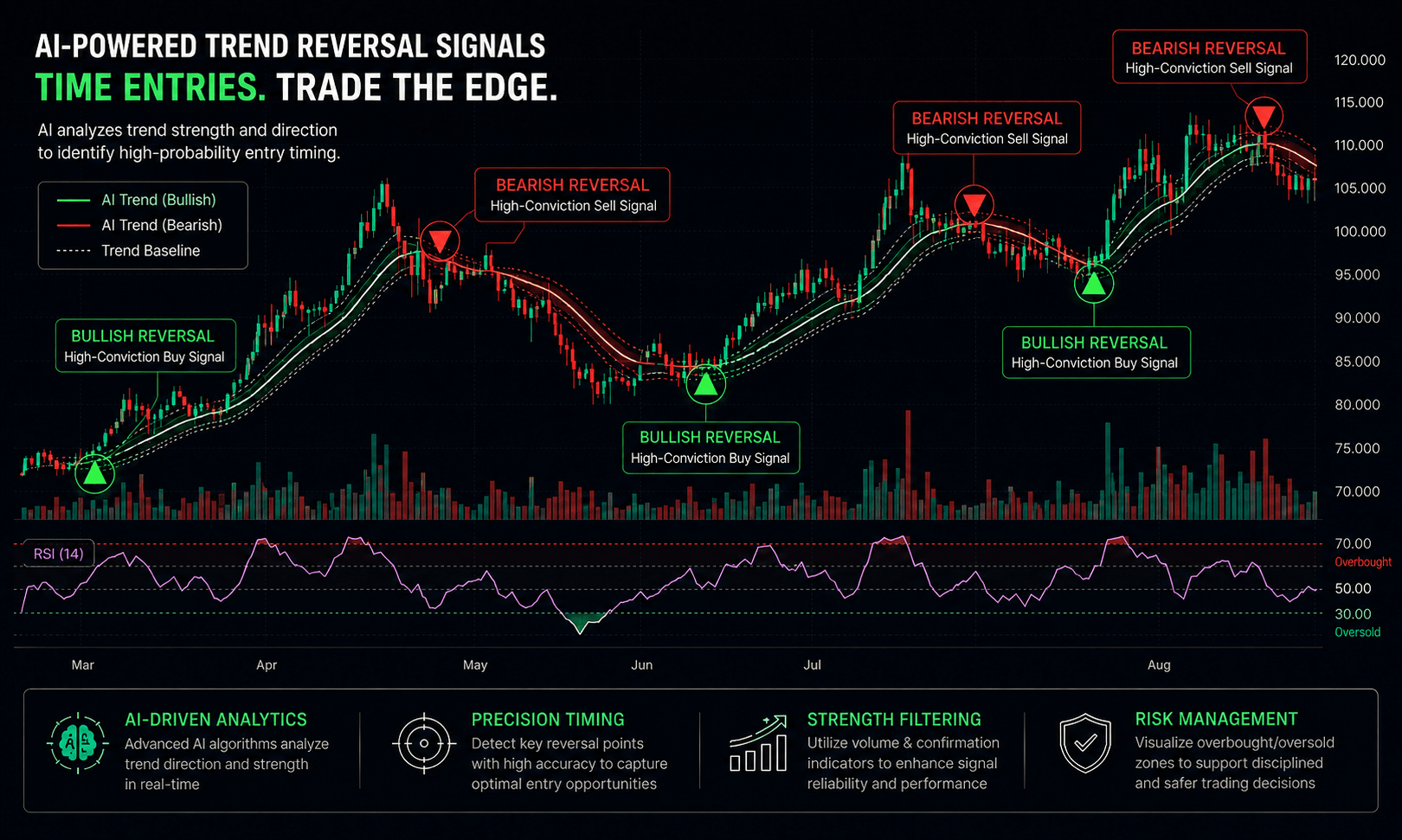
Bull Wave / Bear Wave Forecast Model
Engineered to help you read market direction and momentum faster than the crowd.
- Instantly separate bullish momentum from bearish pressure
- Pinpoint high-probability entry zones with confidence
- Chart signals clear enough for beginners, sharp enough for pros
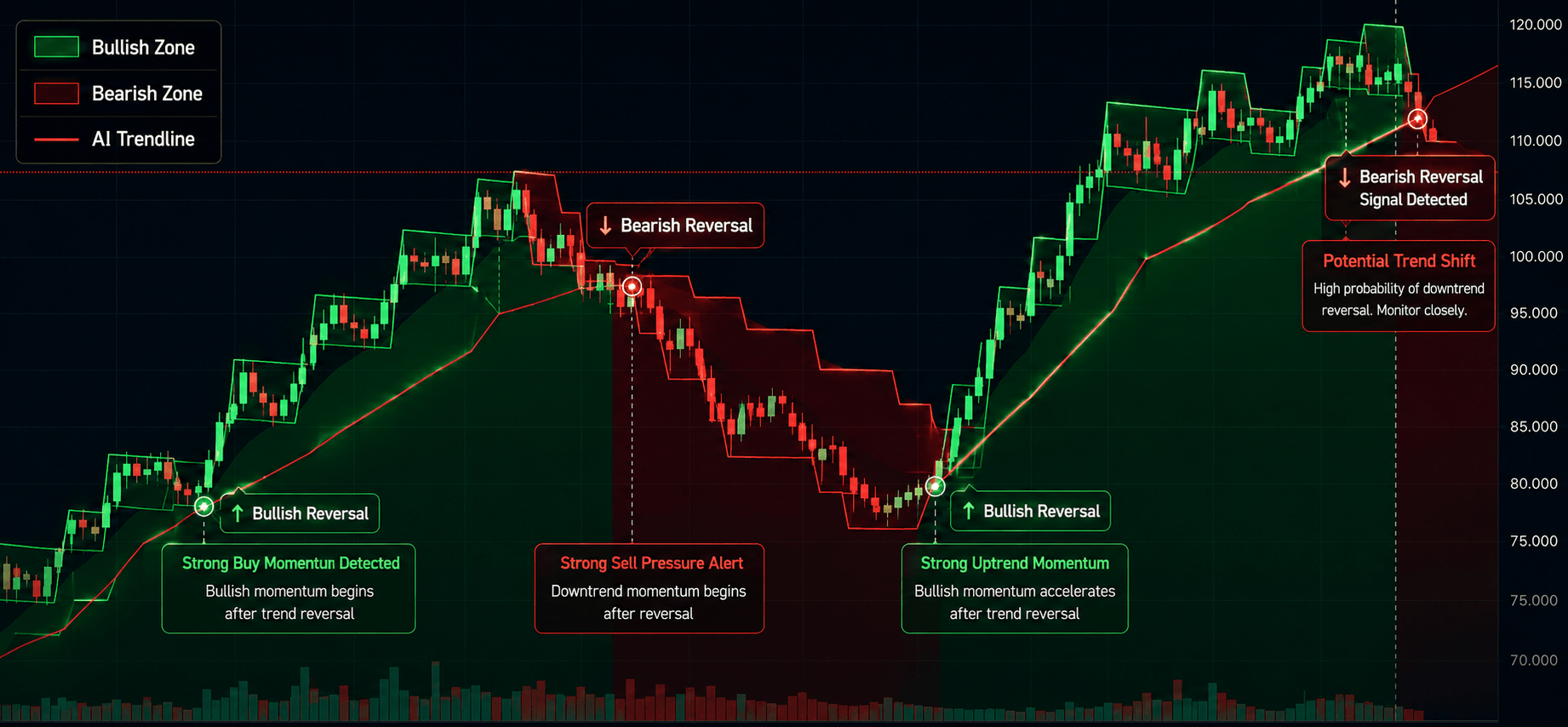
Winning Pattern Detection
Instantly surfaces the high-probability setups that repeat across the charts — a trusted edge for timing your entries and exits.
- Spot momentum building in real time
- Catch trend-reversal points before they break
- Built for active traders who need results, not theory
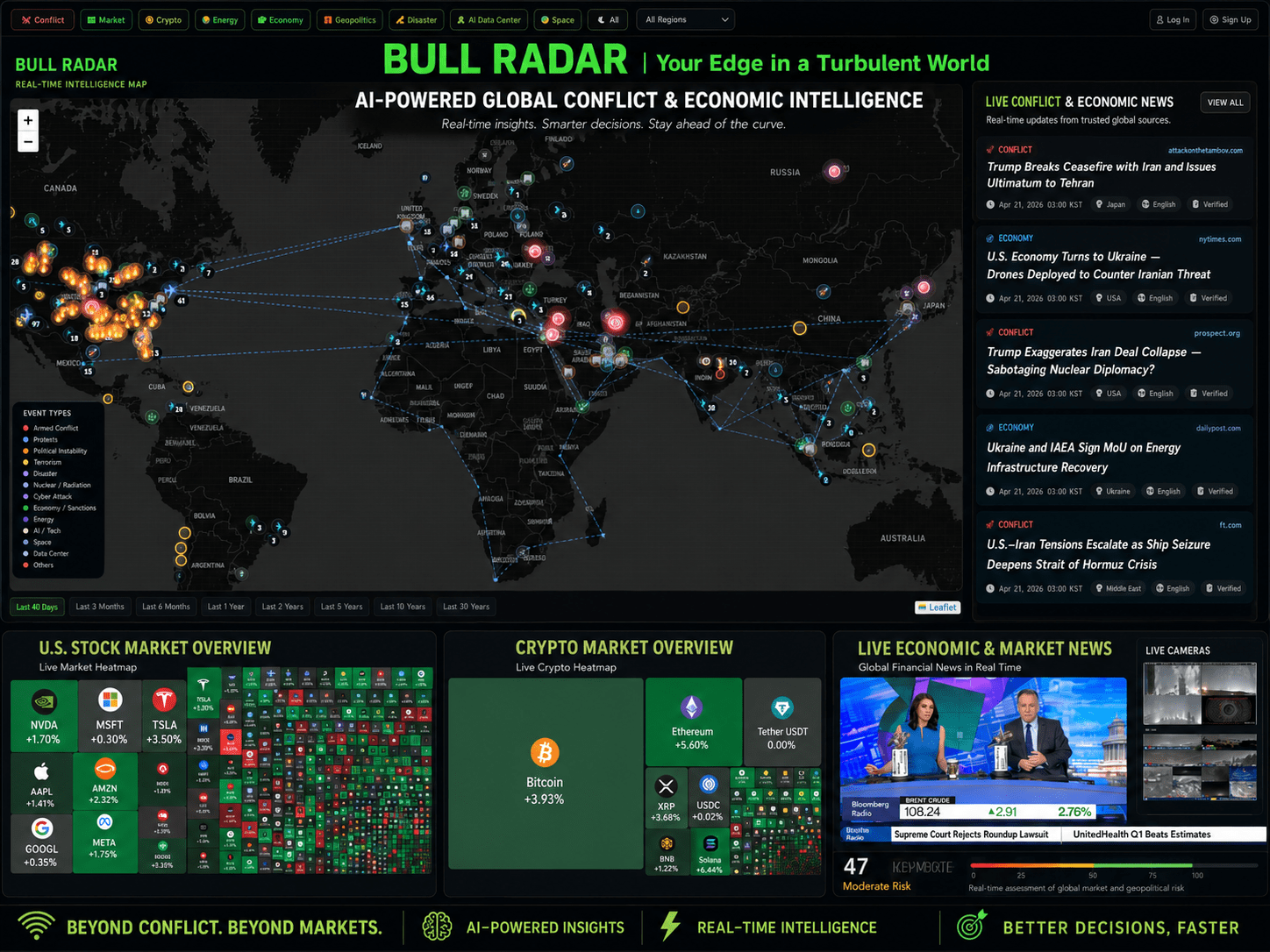
AI Live Economic Dashboard
AI analyzes real-time market data — turning complex, global investment flows into clear insight in seconds.
- Track global stock markets in real time
- See exactly which assets are strong — and which are fading
- Watch how geopolitical events move the markets
About the Author