What Is a Credit Spread
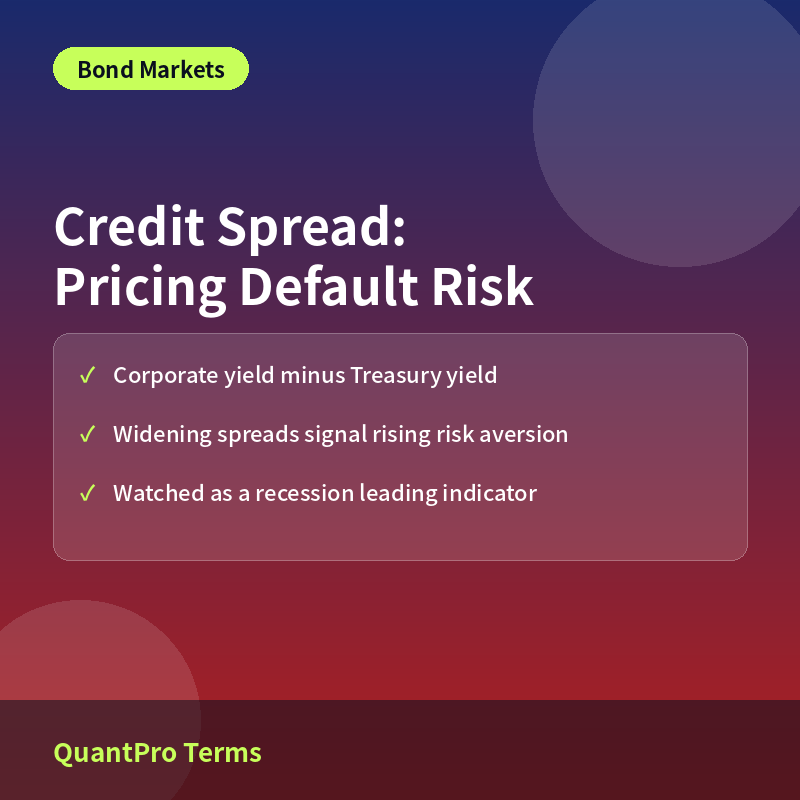
A credit spread is the difference in yield between a bond with credit risk — typically a corporate bond — and a government bond of the same maturity, which is treated as essentially risk-free. This gap represents the extra compensation investors demand for taking on the possibility of default.
If a 3-year Treasury note yields 3.2% and a 3-year AA-rated corporate bond yields 4.0%, the credit spread is 0.8 percentage points, or 80 basis points. The lower the credit rating, the wider the spread tends to be, reflecting a higher perceived chance of default.
Why Credit Spreads Move
When the economy is strong and confidence in corporate earnings is high, investors are willing to buy riskier corporate bonds, pushing spreads narrower. When growth concerns or financial stress rise, investors flee to the safety of government bonds and sell corporate debt, pushing spreads wider.
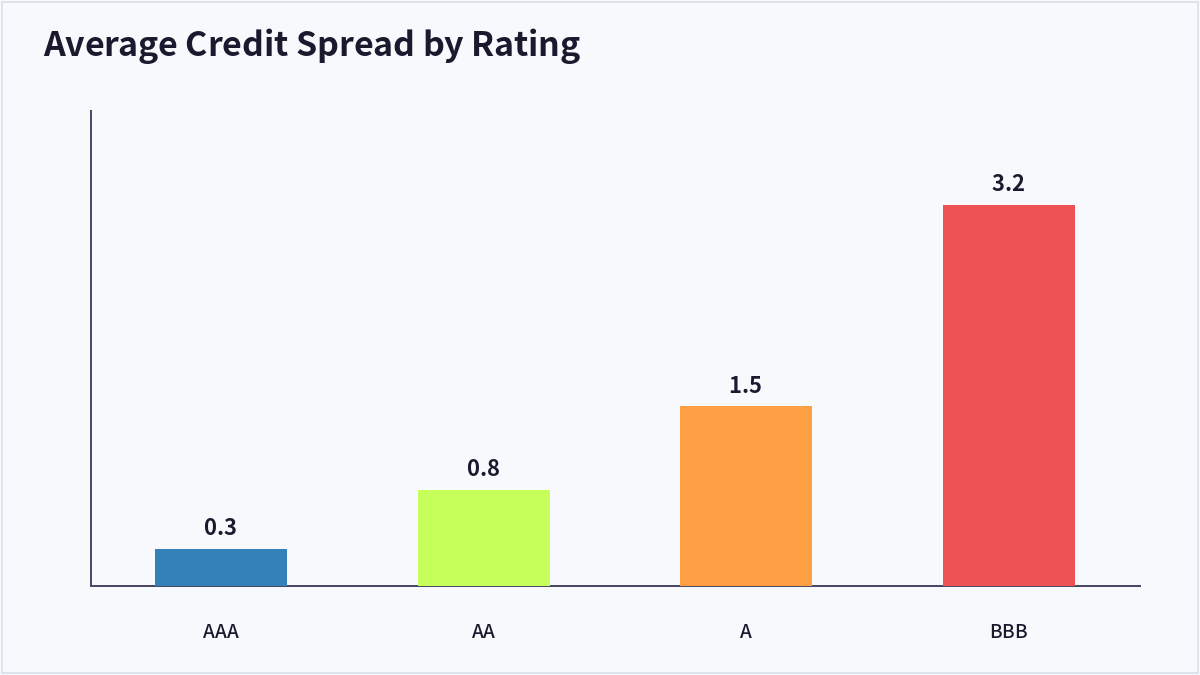
Comparing spreads by credit rating shows the pattern clearly: AAA-rated bonds trade around 0.3 percentage points over Treasuries, AA around 0.8, A around 1.5, and BBB — the lowest investment-grade tier — around 3.2 points. Spreads widen sharply as credit quality declines.
How Credit Spreads Are Used
Credit spreads are widely followed as a leading economic indicator. A sudden widening often signals that markets are pricing in a higher risk of slowdown or rising defaults, and historically, spread widening has tended to precede weaker economic data during past downturns.
For bond fund or high-yield investors, comparing current spread levels to their historical average helps gauge whether credit is relatively cheap or expensive at a given point in time.
| Rating | Typical Spread | Interpretation |
|---|---|---|
| AAA | ≈ 0.3 pts | Very low default risk |
| AA | ≈ 0.8 pts | Low default risk |
| A | ≈ 1.5 pts | Moderate default risk |
| BBB | ≈ 3.2 pts | Lowest investment-grade tier |
Frequently Asked Questions
Is a narrowing credit spread always good news?
It generally reflects optimism and risk appetite, but if spreads compress to unusually low levels, it can also signal that markets are underpricing risk. It’s worth comparing current levels to historical averages.
Is high-yield spread the same thing as credit spread?
High-yield spread is a specific type of credit spread that refers to the gap between speculative-grade (BB and below) bonds and Treasuries. Credit spread is the broader term covering all rating tiers.
Where can investors track credit spreads?
In the U.S., the FRED database from the St. Louis Fed publishes widely used high-yield spread indices, while corporate bond data is also available through major financial data providers.
Should equity investors pay attention to credit spreads too?
Yes — even without direct bond exposure, widening credit spreads are often an early warning sign of economic slowdown or financial stress that can also affect equity markets.
Key Takeaways
Credit spreads capture the yield gap between corporate and government bonds, reflecting both default risk and broader market sentiment about the economy. Watching spread levels by rating tier and their trend over time offers a useful gauge of risk across financial markets. This article is for informational purposes only and does not constitute investment advice.

QuantPro: AI Finds the Trade Before You Do
From AI-powered chart analysis to real-time market intelligence — everything a serious investor needs, in one platform.
- Automated AI chart analysis with precision trend timing
- Bull Radar: real-time visualization of geopolitical & economic shifts
- Live market-moving news and insights, curated for you
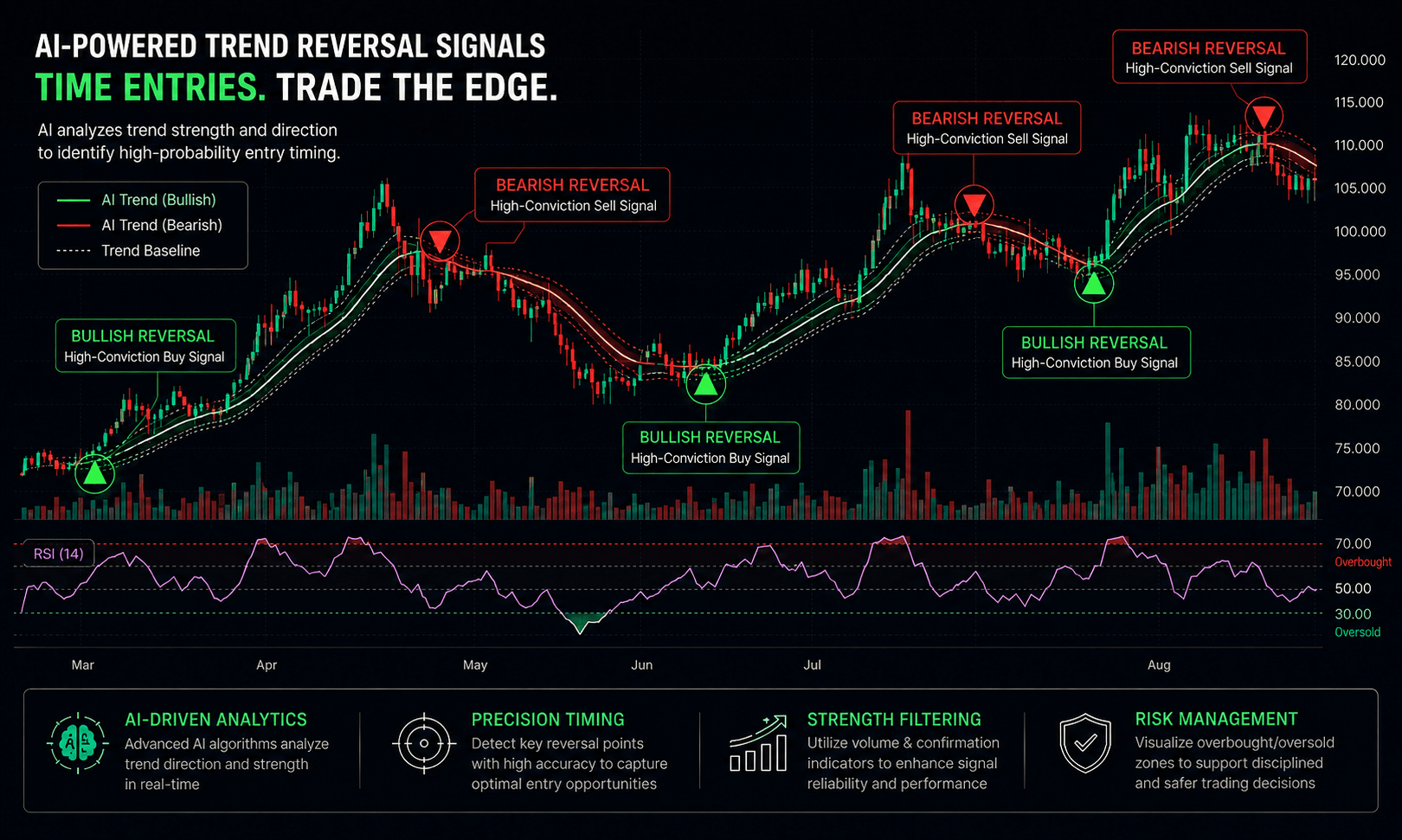
Bull Wave / Bear Wave Forecast Model
Engineered to help you read market direction and momentum faster than the crowd.
- Instantly separate bullish momentum from bearish pressure
- Pinpoint high-probability entry zones with confidence
- Chart signals clear enough for beginners, sharp enough for pros
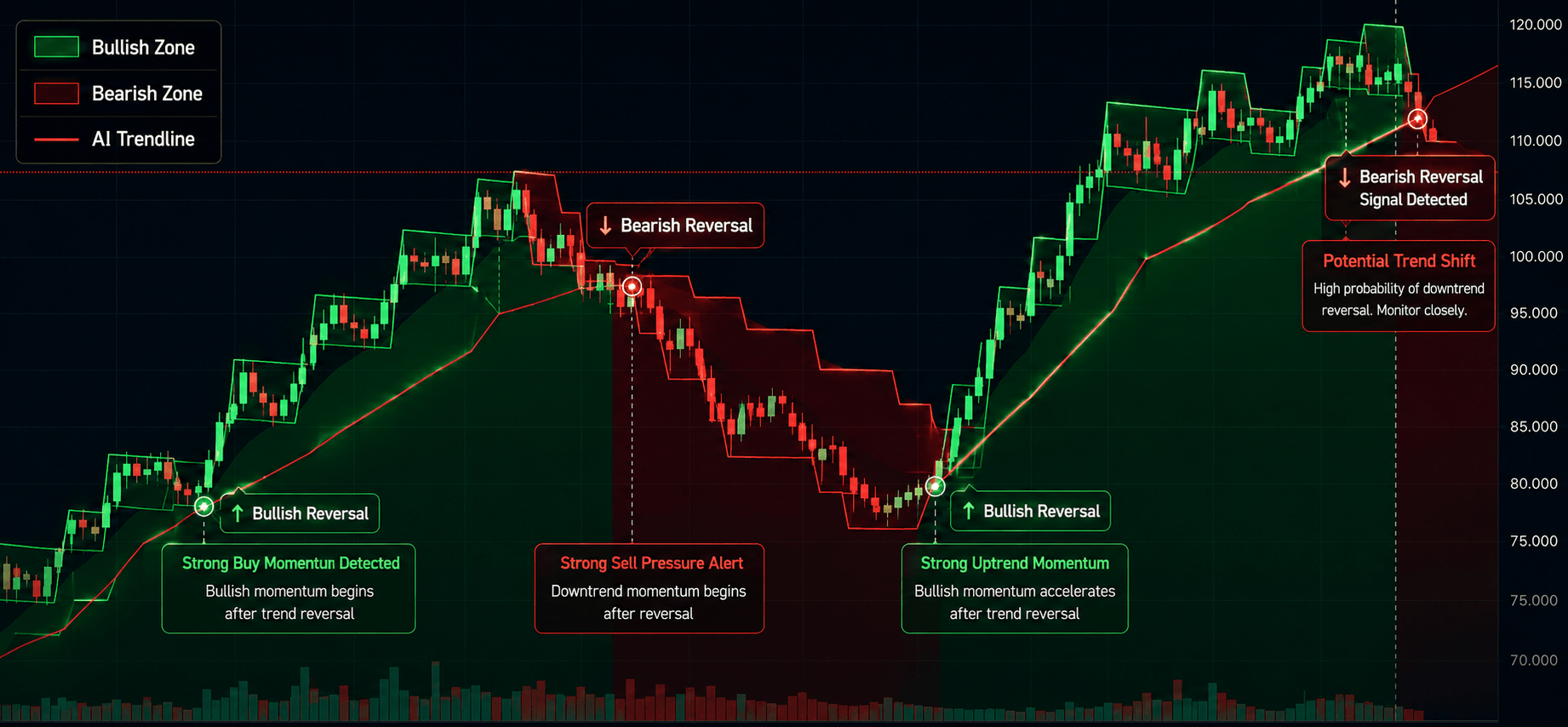
Winning Pattern Detection
Instantly surfaces the high-probability setups that repeat across the charts — a trusted edge for timing your entries and exits.
- Spot momentum building in real time
- Catch trend-reversal points before they break
- Built for active traders who need results, not theory

AI Live Economic Dashboard
AI analyzes real-time market data — turning complex, global investment flows into clear insight in seconds.
- Track global stock markets in real time
- See exactly which assets are strong — and which are fading
- Watch how geopolitical events move the markets
About the Author