What Is the Crowding-Out Effect?
The crowding-out effect describes how increased government borrowing can reduce, or “crowd out,” private sector investment. The core mechanism runs through interest rates: when a government finances a budget deficit by issuing more bonds, it increases the demand for loanable funds in credit markets. If the supply of savings does not expand to match, this added demand pushes interest rates higher, which raises the cost of borrowing for businesses and households, and some private investment projects that would have been profitable at the old, lower rate are no longer worthwhile at the new, higher one.
Economists distinguish this financial crowding-out, working through interest rates and credit markets, from resource crowding-out, where government spending directly competes with the private sector for scarce real resources, such as labor or materials, particularly when the economy is already operating near full capacity.
The Mechanism, Step by Step
The classic financial crowding-out sequence runs: (1) the government increases spending or cuts taxes without a matching increase in revenue, widening the budget deficit; (2) the government borrows more to finance that deficit, increasing bond issuance; (3) higher bond supply, all else equal, pushes interest rates up in the market for loanable funds; (4) higher interest rates raise the cost of capital for private borrowers; and (5) some private investment projects become unprofitable at the new rate and are cancelled or scaled back, reducing private investment.
Illustrative Example
Consider a simplified illustration of a loanable funds market. Suppose government borrowing rises from $200 billion to $500 billion, a $300 billion increase, in a market where private investment had been running at $800 billion. If this added borrowing pushes the equilibrium interest rate higher, and private investment responds by falling from $800 billion to $650 billion, a $150 billion decline, that $150 billion represents investment crowded out by the government’s additional borrowing in this simplified scenario, roughly half of the increase in government borrowing.

Note that in this illustration, private investment fell by less than government borrowing rose ($150 billion versus $300 billion), which is an example of partial crowding-out rather than full crowding-out, where private investment would fall by the entire amount of the increase in government borrowing.
When Crowding-Out Is Weaker or Absent
The size of the crowding-out effect is a long-debated empirical question, and several conditions can weaken or offset it. When an economy has significant spare capacity, such as during a deep recession, additional government spending can raise output and income enough that private saving rises too, limiting upward pressure on interest rates; this is sometimes called “crowding-in” when higher government demand actually stimulates additional private activity through higher overall economic activity. Central bank policy also matters a great deal: if a central bank is holding interest rates low, for example through large-scale asset purchases, increased government borrowing may not push market rates up as much as basic theory would predict, muting the crowding-out channel. Some economists also point to Ricardian equivalence, the theory that rational households anticipate future tax increases to repay government debt and increase their own saving in response, which would offset the impact on national saving and interest rates, though the empirical evidence for strong Ricardian effects is mixed.
| Scenario | Interest Rate Response | Private Investment Impact | Net Effect on Output |
|---|---|---|---|
| Full crowding-out | Rises enough to fully offset new borrowing | Falls by roughly the same amount as the increase in government borrowing | Little to no net stimulus |
| Partial crowding-out | Rises moderately | Falls, but by less than the increase in government borrowing | Some net stimulus remains |
| Little or no crowding-out (slack economy / accommodative policy) | Little to no rise | Largely unaffected, or may even rise with stronger demand | Close to the full intended stimulus effect |
Frequently Asked Questions
Does crowding-out always happen when government debt increases?
No. The strength of the effect depends heavily on the state of the economy, the central bank’s policy stance, and how investors and savers respond. In economies with significant unused capacity or with a central bank actively suppressing interest rates, the crowding-out effect can be small, while in economies already near full capacity with tight monetary policy, it can be much more pronounced.
What is the difference between crowding-out and crowding-in?
Crowding-out refers to government borrowing reducing private investment, typically via higher interest rates. Crowding-in describes the opposite dynamic: government spending stimulating enough additional economic activity and income, particularly in a weak economy, that private investment actually increases rather than decreases.
How does monetary policy affect the crowding-out effect?
If a central bank keeps interest rates anchored, for example through asset purchases or explicit rate targets, increased government borrowing may not translate into materially higher market interest rates, which limits the classic financial crowding-out channel even as government borrowing rises substantially.
Is crowding-out only about interest rates?
No. Beyond financial crowding-out through interest rates, there is also resource crowding-out, where government spending competes directly with the private sector for finite real resources such as skilled labor, raw materials, or industrial capacity, which is most relevant when the economy is already operating close to full employment and capacity.
Key Takeaways
The crowding-out effect describes how increased government borrowing can raise interest rates and reduce private investment, working through the credit market’s supply and demand for loanable funds. The effect is rarely all-or-nothing: it ranges from full crowding-out to partial crowding-out to little or no crowding-out, depending on the economy’s spare capacity, the central bank’s policy stance, and how savers and investors respond, which is why economists continue to debate its size in any given episode rather than treating it as a fixed rule. This article is for informational purposes only and does not constitute investment advice.

QuantPro: AI Finds the Trade Before You Do
From AI-powered chart analysis to real-time market intelligence — everything a serious investor needs, in one platform.
- Automated AI chart analysis with precision trend timing
- Bull Radar: real-time visualization of geopolitical & economic shifts
- Live market-moving news and insights, curated for you
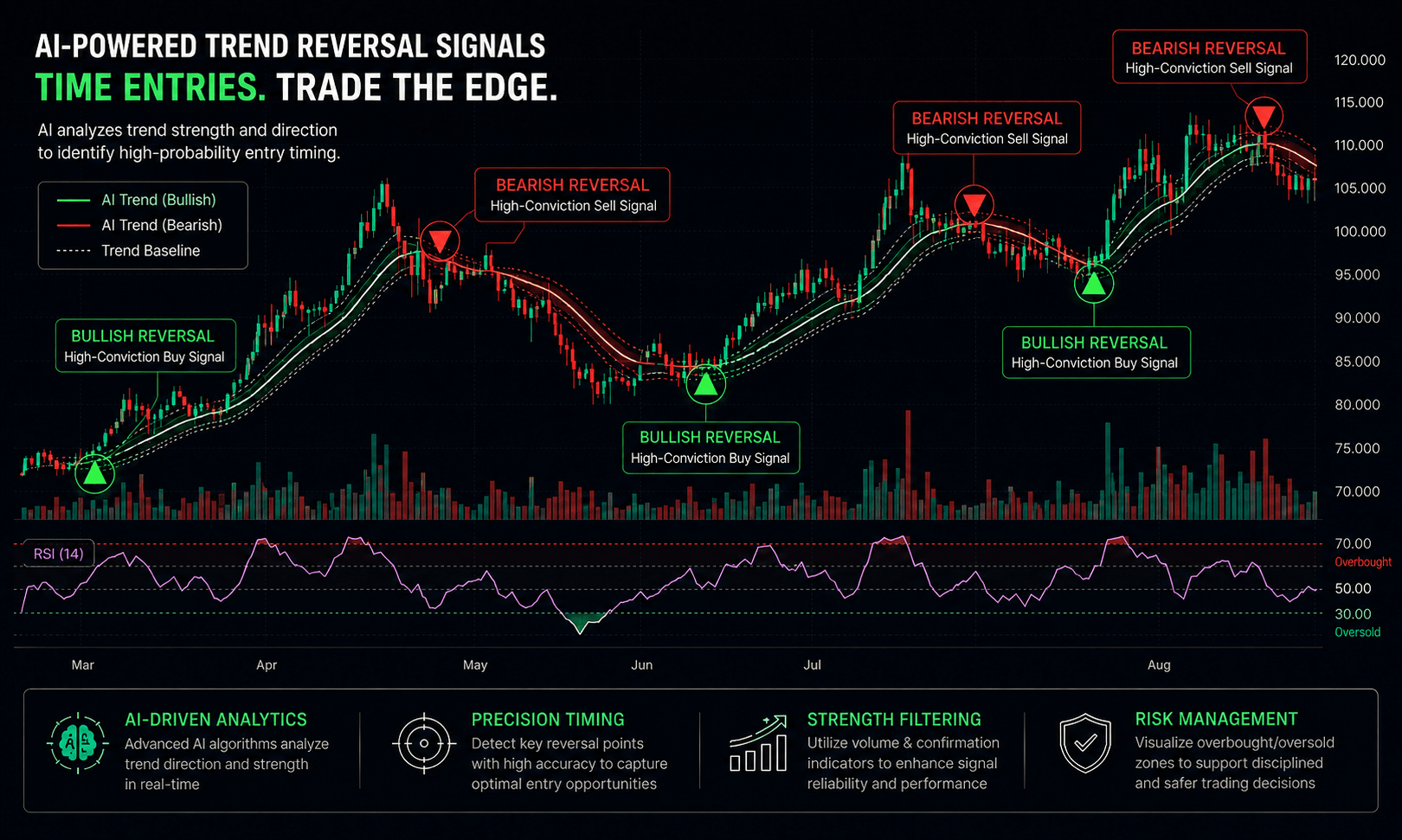
Bull Wave / Bear Wave Forecast Model
Engineered to help you read market direction and momentum faster than the crowd.
- Instantly separate bullish momentum from bearish pressure
- Pinpoint high-probability entry zones with confidence
- Chart signals clear enough for beginners, sharp enough for pros
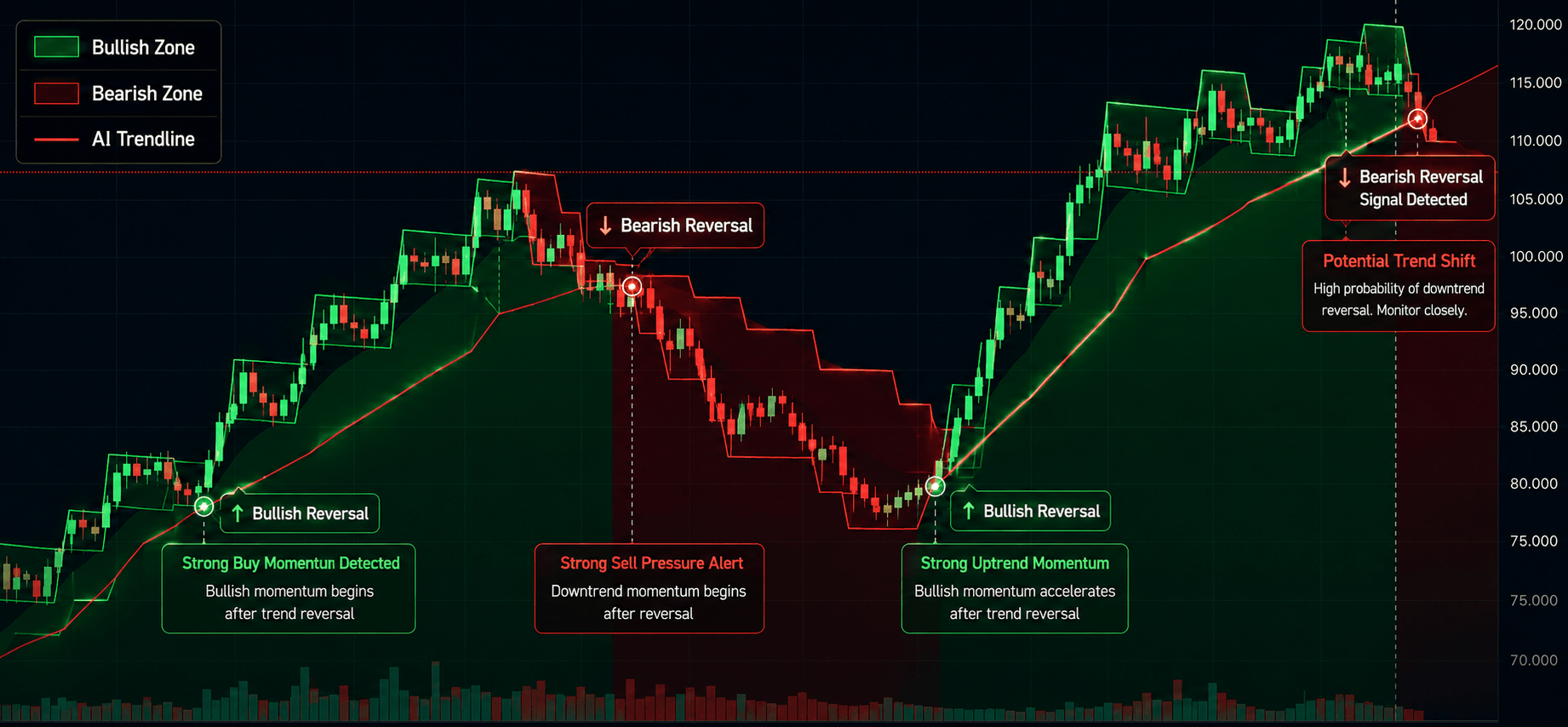
Winning Pattern Detection
Instantly surfaces the high-probability setups that repeat across the charts — a trusted edge for timing your entries and exits.
- Spot momentum building in real time
- Catch trend-reversal points before they break
- Built for active traders who need results, not theory

AI Live Economic Dashboard
AI analyzes real-time market data — turning complex, global investment flows into clear insight in seconds.
- Track global stock markets in real time
- See exactly which assets are strong — and which are fading
- Watch how geopolitical events move the markets
About the Author