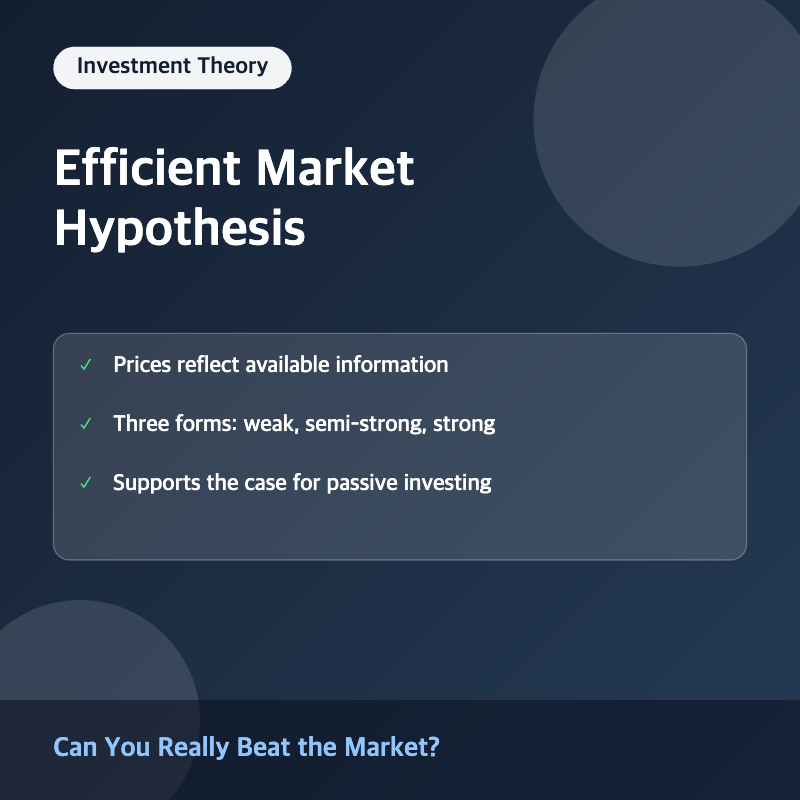
What Is the Efficient Market Hypothesis?
The Efficient Market Hypothesis (EMH), developed primarily by economist Eugene Fama in the 1960s and 1970s, holds that asset prices fully reflect all available information at any given time. Under this theory, it is essentially impossible to consistently “beat the market” through stock picking or market timing, because any new information is instantly incorporated into prices by rational, competing investors.
The Three Forms of Market Efficiency
Weak Form Efficiency
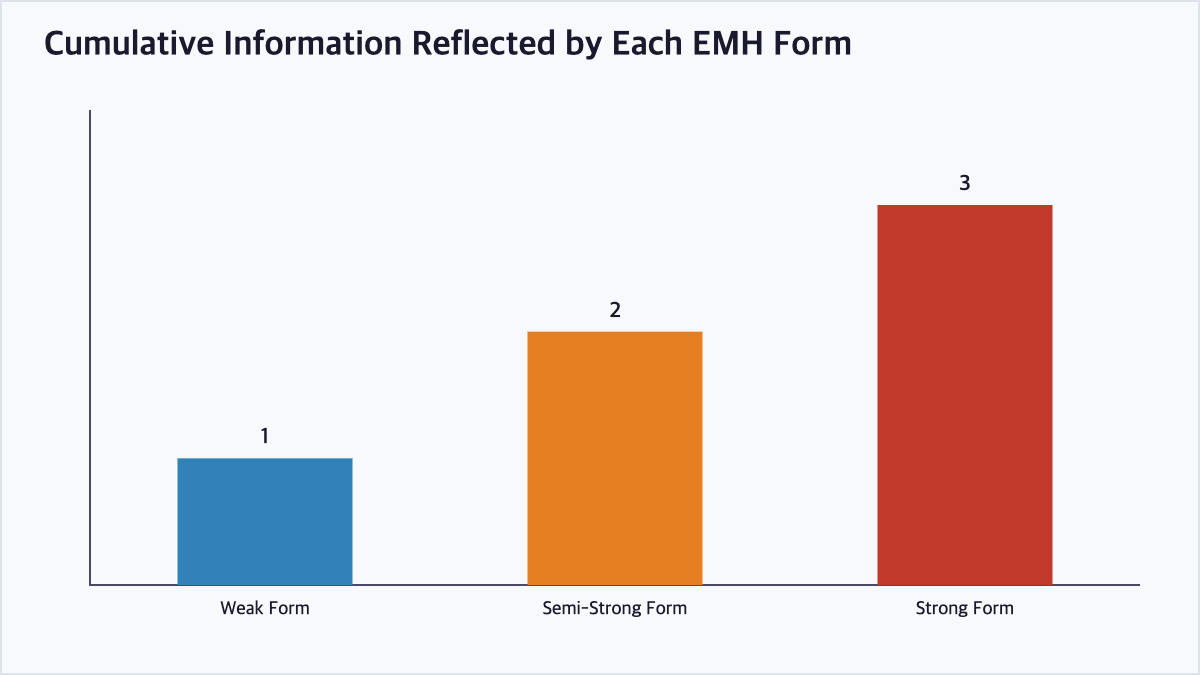
Weak form efficiency asserts that current prices already reflect all past price and volume information. Under this form, technical analysis, which relies on historical price patterns to predict future movements, would not be able to generate consistent excess returns.
Semi-Strong Form Efficiency
Semi-strong form efficiency states that prices reflect all publicly available information, including financial statements, news, and economic data, in addition to historical prices. Under this form, neither technical analysis nor fundamental analysis based on public information could consistently produce excess returns.
Strong Form Efficiency
Strong form efficiency goes further, asserting that prices reflect all information, including private or insider information. Under this most extreme form, even insider trading would not generate consistent excess returns, a claim that is widely considered unrealistic given documented cases of profitable insider trading.
For example, if a company unexpectedly announces earnings that beat analyst expectations by 20%, semi-strong form efficiency predicts that the stock price would adjust to the new information almost immediately, leaving little to no opportunity for investors to profit by trading on that public news after it is released.
Implications for Investors
If markets are truly efficient, actively managed strategies that attempt to identify mispriced securities would rarely outperform low-cost index funds after accounting for fees, a view that has helped drive the growth of passive investing over recent decades. Proponents argue that most investors are better served by broadly diversified, low-cost index funds rather than attempting to time the market or pick individual winners.
Criticisms of the Efficient Market Hypothesis
Critics point to well-documented market anomalies, such as bubbles, crashes, and momentum effects, as evidence that markets are not always perfectly efficient. Behavioral finance research has also shown that psychological biases among investors, such as overconfidence and herding behavior, can cause prices to deviate from fundamental value for extended periods.
EMH Forms Comparison
| Form | Information Reflected | Implication |
|---|---|---|
| Weak Form | Past prices and trading volume | Technical analysis cannot beat the market |
| Semi-Strong Form | All publicly available information | Fundamental analysis on public data cannot beat the market |
| Strong Form | All information, including private/insider data | Even insider trading cannot consistently beat the market |
Frequently Asked Questions
Does the Efficient Market Hypothesis mean stock prices are always “correct”?
EMH does not claim prices are always correct in an absolute sense, but rather that they reflect the best available estimate given current information, and that any pricing errors are quickly arbitraged away by rational investors. Critics argue this process does not always work as smoothly as the theory suggests, particularly during periods of extreme market stress.
How does EMH relate to passive investing?
If markets are largely efficient, then it becomes very difficult for active managers to consistently outperform the market after fees, which supports the case for low-cost, broadly diversified passive index investing as a rational default strategy for many investors.
What are some famous examples that challenge EMH?
Historical episodes such as the dot-com bubble of the late 1990s and the 2008 financial crisis are often cited as evidence that markets can become significantly mispriced for extended periods, challenging the idea of consistently efficient pricing.
Can EMH and behavioral finance both be partially true?
Many researchers today take a middle-ground view, acknowledging that markets are generally efficient most of the time but can experience temporary inefficiencies driven by investor psychology, liquidity constraints, or structural market frictions. This nuanced view has become increasingly common in academic and practitioner circles.
Key Takeaways
The Efficient Market Hypothesis holds that asset prices reflect all available information, with three distinct forms (weak, semi-strong, and strong) differing in the scope of information considered. While EMH has strongly influenced the rise of passive investing, documented market anomalies and behavioral finance research suggest that markets may not always be perfectly efficient in practice. This article is for informational purposes only and does not constitute investment advice.

QuantPro: AI Finds the Trade Before You Do
From AI-powered chart analysis to real-time market intelligence — everything a serious investor needs, in one platform.
- Automated AI chart analysis with precision trend timing
- Bull Radar: real-time visualization of geopolitical & economic shifts
- Live market-moving news and insights, curated for you
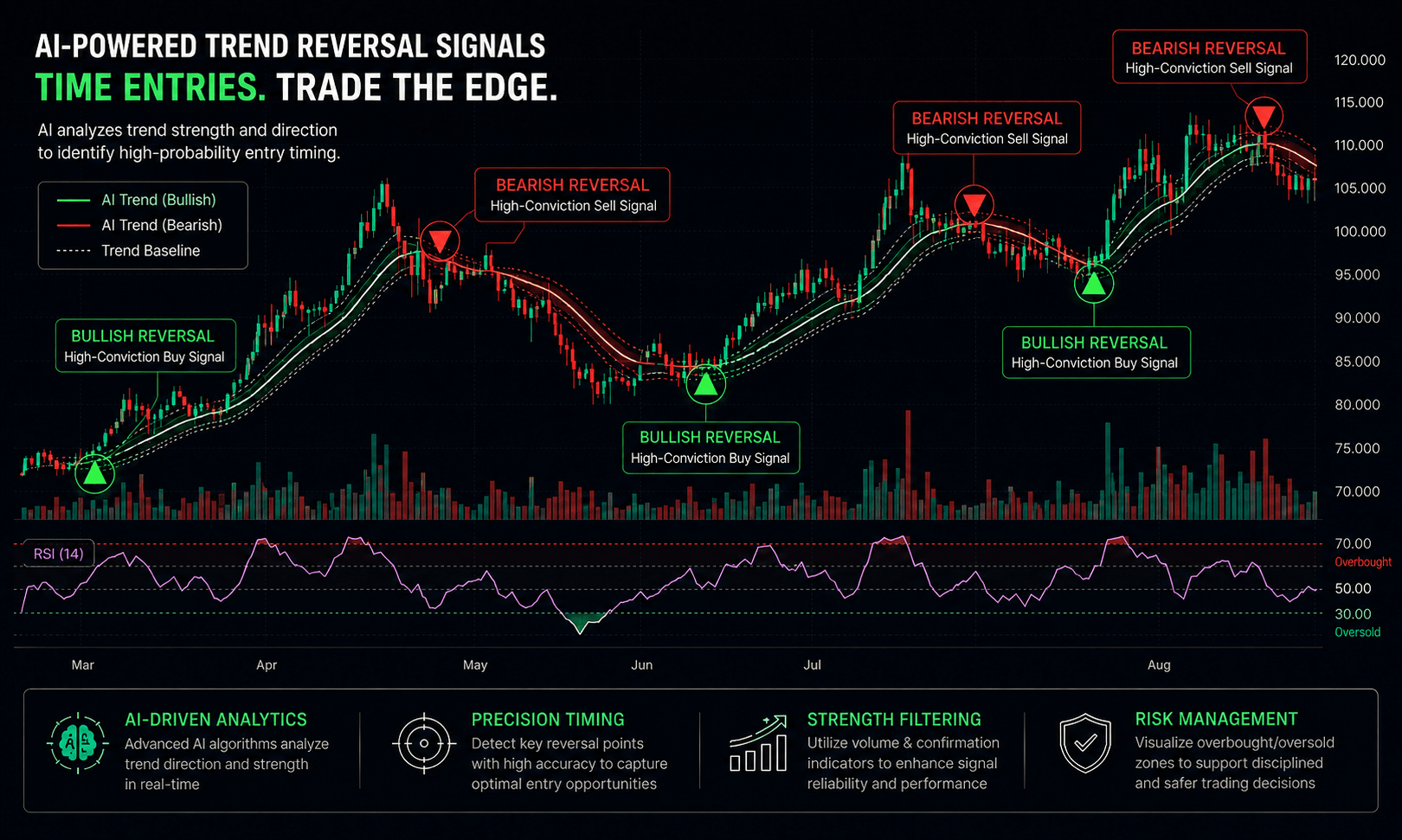
Bull Wave / Bear Wave Forecast Model
Engineered to help you read market direction and momentum faster than the crowd.
- Instantly separate bullish momentum from bearish pressure
- Pinpoint high-probability entry zones with confidence
- Chart signals clear enough for beginners, sharp enough for pros
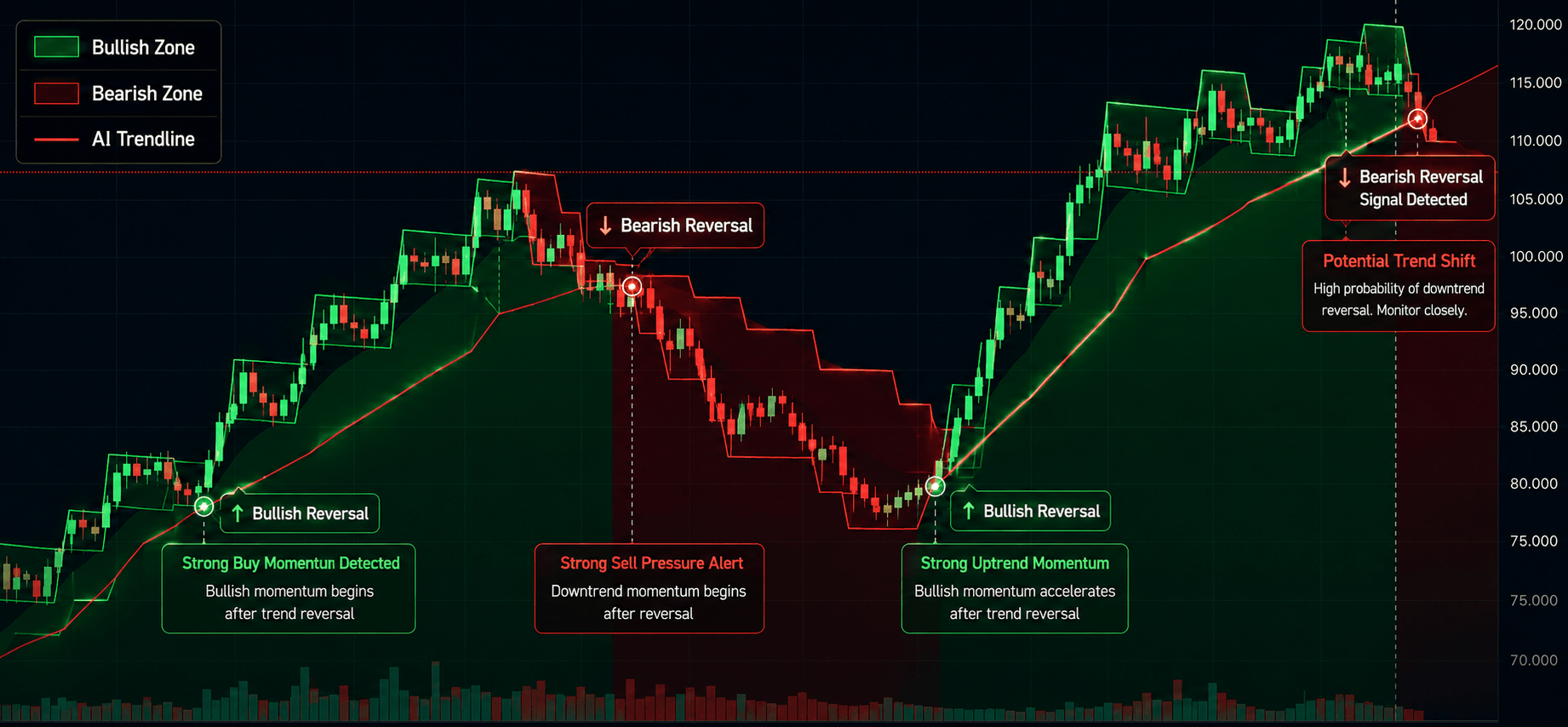
Winning Pattern Detection
Instantly surfaces the high-probability setups that repeat across the charts — a trusted edge for timing your entries and exits.
- Spot momentum building in real time
- Catch trend-reversal points before they break
- Built for active traders who need results, not theory

AI Live Economic Dashboard
AI analyzes real-time market data — turning complex, global investment flows into clear insight in seconds.
- Track global stock markets in real time
- See exactly which assets are strong — and which are fading
- Watch how geopolitical events move the markets
About the Author