What Are Stock Buybacks?
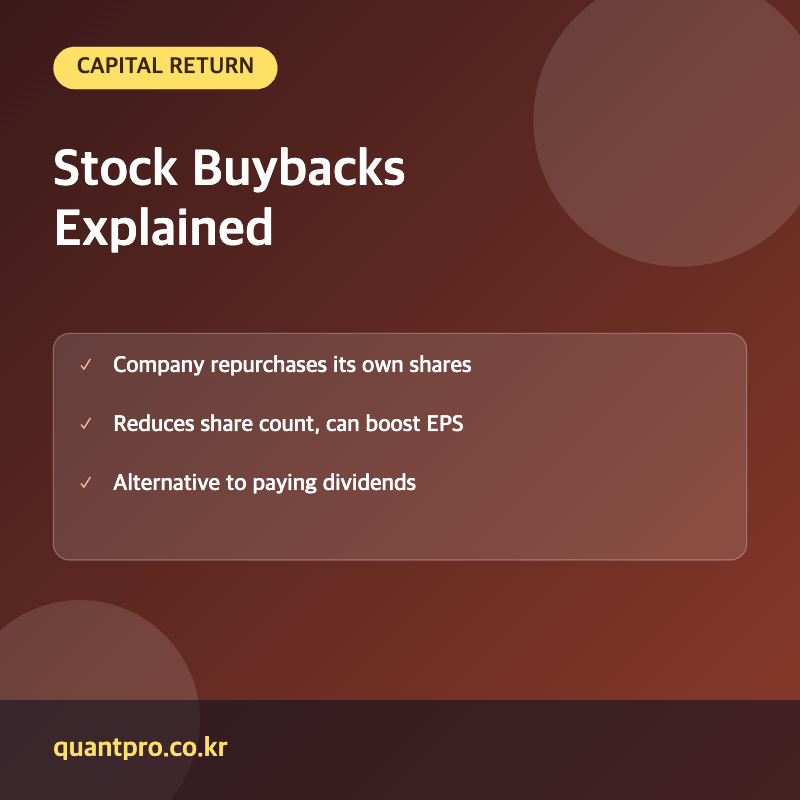
A stock buyback, also called a share repurchase, occurs when a company uses its own cash to purchase shares of its own stock from the open market, reducing the total number of shares outstanding. By shrinking the share count, buybacks increase each remaining shareholder’s proportional ownership stake in the company without requiring any additional investment.
Companies typically fund buybacks from excess cash flow or cash reserves, and the repurchased shares are either retired permanently or held as treasury stock, which can later be reissued for purposes like employee compensation.
How Buybacks Affect Earnings Per Share
Because earnings per share (EPS) is calculated by dividing net income by shares outstanding, reducing the share count through a buyback can mechanically increase EPS even if the company’s total net income stays exactly the same. This is one reason buybacks can make a company’s per-share metrics look stronger without any actual improvement in underlying business performance.
Buybacks vs. Dividends as Capital Return
Both buybacks and dividends return capital to shareholders, but they work differently — dividends provide a direct cash payment to all shareholders, while buybacks return value indirectly by increasing each remaining shareholder’s ownership percentage and, ideally, supporting the stock price. Buybacks also offer more flexibility than dividends, since companies can pause or resume them more easily without the negative signal that cutting a dividend typically sends.
| Capital Return Method | How Shareholders Benefit | Key Consideration |
|---|---|---|
| Dividends | Direct cash payment to all shareholders | Cutting dividends often sends a strong negative signal |
| Stock Buybacks | Reduced share count, higher ownership percentage | Value depends on buying back shares below intrinsic value |
| Reinvestment in the Business | Indirect, through future growth and earnings | Best when reinvestment opportunities offer strong returns |
Frequently Asked Questions
Are stock buybacks always good for shareholders?
Not necessarily — buybacks only create genuine value when a company repurchases shares below their intrinsic value; buying back overvalued shares can waste cash that could have been better used for reinvestment, debt reduction, or dividends.
How can I tell if a company’s EPS growth is coming from buybacks rather than real earnings growth?
Comparing the growth rate of total net income to the growth rate of EPS can reveal this — if EPS is growing significantly faster than total net income, share count reduction from buybacks is likely playing a meaningful role.
Why might a company prefer buybacks over dividends?
Buybacks offer more flexibility since they can be scaled up, paused, or stopped without the strong negative market reaction that typically follows a dividend cut, making them attractive for companies with variable cash flows.
Do stock buybacks affect a company’s cash position?
Yes, buybacks use up company cash reserves or free cash flow, which reduces the cash available for other purposes like acquisitions, debt repayment, or capital investment, so investors should assess whether the buyback pace is sustainable.
Key Takeaways
Stock buybacks reduce a company’s share count, increasing remaining shareholders’ ownership percentage and often boosting earnings per share, but they only create genuine value when shares are repurchased below their intrinsic worth. This article is for informational purposes only and does not constitute investment advice.

QuantPro: AI Finds the Trade Before You Do
From AI-powered chart analysis to real-time market intelligence — everything a serious investor needs, in one platform.
- Automated AI chart analysis with precision trend timing
- Bull Radar: real-time visualization of geopolitical & economic shifts
- Live market-moving news and insights, curated for you
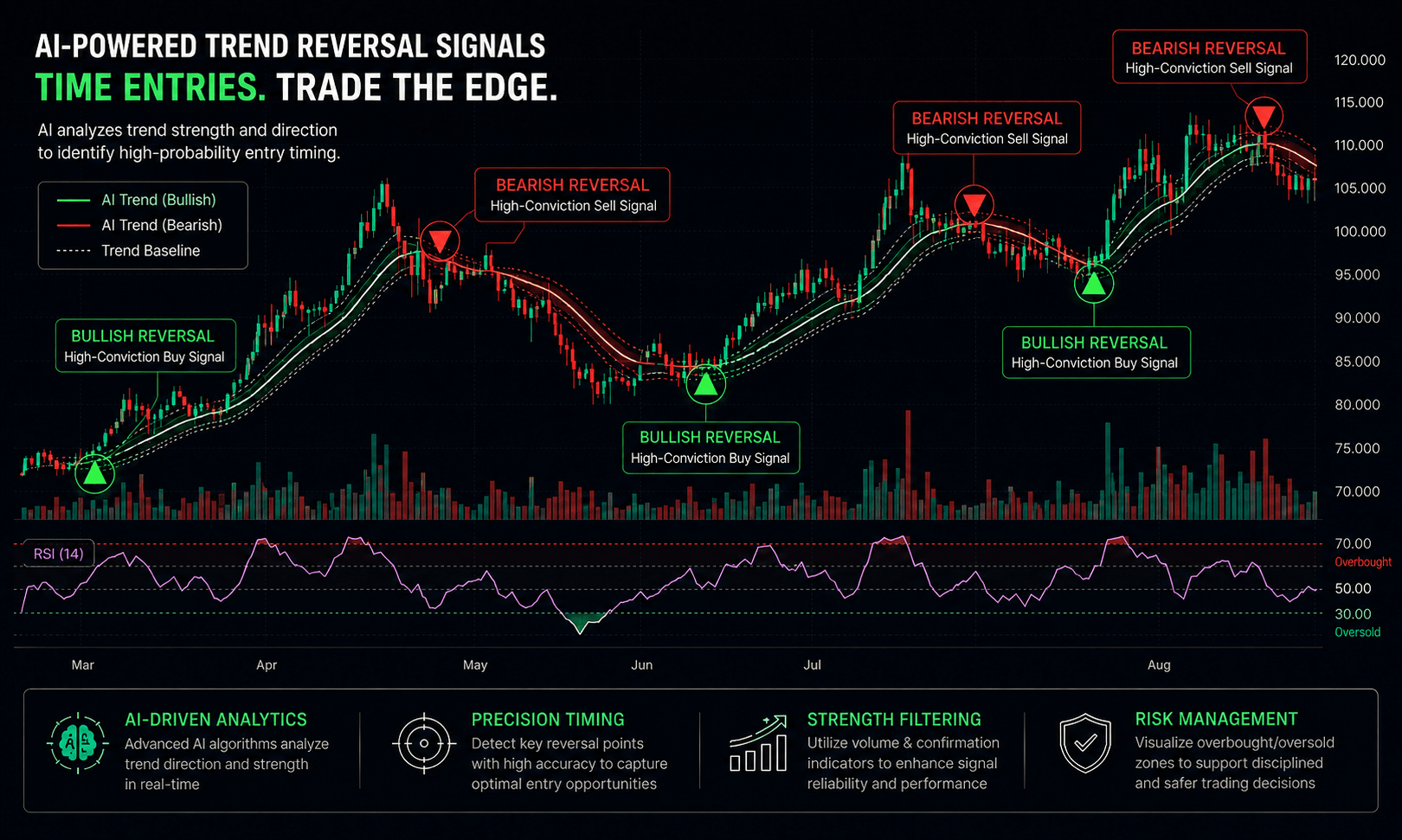
Bull Wave / Bear Wave Forecast Model
Engineered to help you read market direction and momentum faster than the crowd.
- Instantly separate bullish momentum from bearish pressure
- Pinpoint high-probability entry zones with confidence
- Chart signals clear enough for beginners, sharp enough for pros
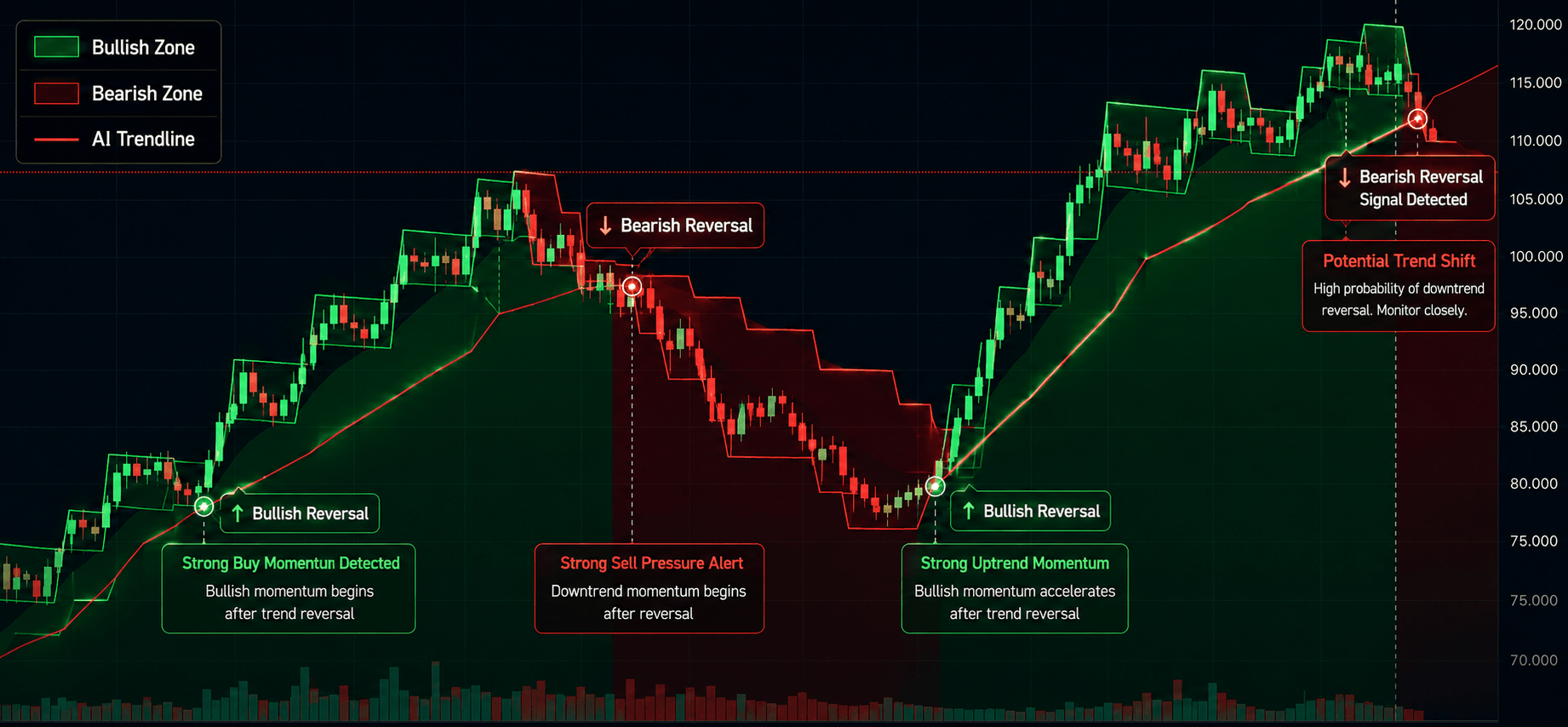
Winning Pattern Detection
Instantly surfaces the high-probability setups that repeat across the charts — a trusted edge for timing your entries and exits.
- Spot momentum building in real time
- Catch trend-reversal points before they break
- Built for active traders who need results, not theory

AI Live Economic Dashboard
AI analyzes real-time market data — turning complex, global investment flows into clear insight in seconds.
- Track global stock markets in real time
- See exactly which assets are strong — and which are fading
- Watch how geopolitical events move the markets
About the Author