What Is Return on Assets (ROA)?
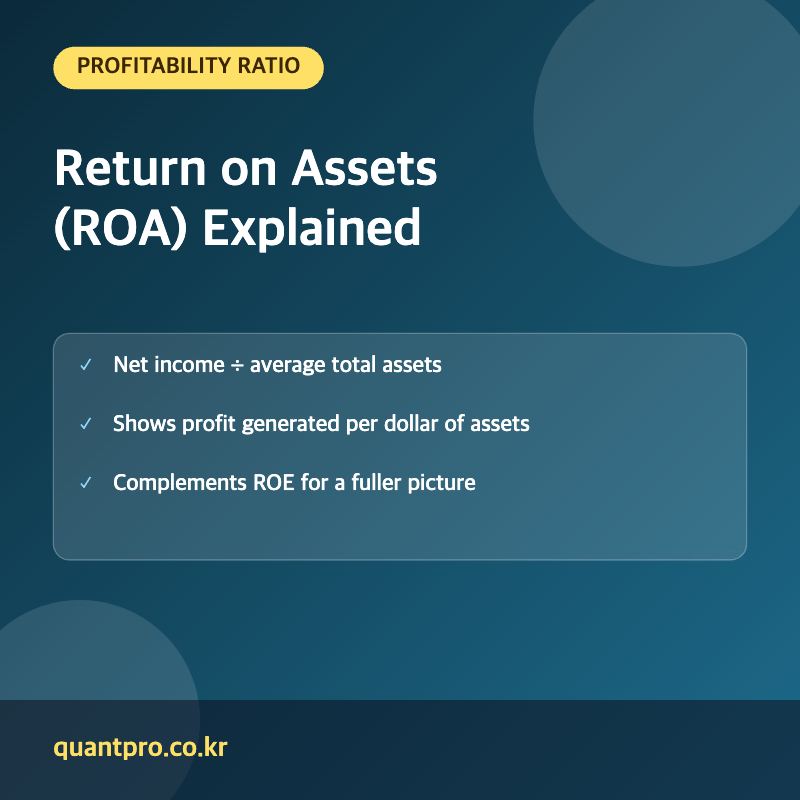
Return on Assets (ROA) measures how efficiently a company generates profit from its total assets. The formula is Net Income ÷ Average Total Assets × 100, and a higher ROA indicates a company earns more profit per dollar of assets it owns, regardless of how those assets were financed.
Unlike Return on Equity (ROE), which only considers shareholder equity, ROA accounts for all assets funded by both debt and equity, making it a useful gauge of how well management deploys the entire asset base to generate earnings.
ROA vs. ROE
ROE can be artificially inflated by high financial leverage, since a smaller equity base amplifies returns even without improved operational performance. ROA strips out this leverage effect by using total assets in the denominator, offering a cleaner view of core operating efficiency.
Why ROA Matters to Investors
A company with a high ROA is generating strong profits without needing an excessive asset base, which often signals efficient management and a scalable business model. Comparing ROA across companies in the same industry helps identify which firms are using their resources most productively.
| Metric | Denominator | Key Insight |
|---|---|---|
| ROA | Total assets (debt + equity funded) | Efficiency of the entire asset base |
| ROE | Shareholder equity only | Return amplified by financial leverage |
| ROIC | Invested capital (debt + equity, operating) | Return on capital actually deployed in operations |
Frequently Asked Questions
What is considered a good ROA?
This varies significantly by industry — asset-light businesses like software companies often post ROA above 10%, while capital-intensive industries like utilities typically show much lower ROA, so peer comparison is essential.
Why would ROA and ROE diverge significantly?
A large gap between ROA and ROE usually points to high financial leverage — a company using significant debt can post a much higher ROE than ROA because equity, not total assets, forms the smaller base.
Is a higher ROA always better?
Generally yes, but ROA should be compared within the same industry since asset intensity varies widely — comparing a software company’s ROA to a manufacturer’s would be misleading.
Where can I find the data to calculate ROA?
Net income is reported on the income statement, and total assets appear on the balance sheet — both are needed to calculate ROA directly, or the ratio is often available through financial data platforms.
Key Takeaways
Return on Assets measures how efficiently a company converts its total asset base into profit, offering a leverage-neutral complement to ROE, and should be compared against industry peers for meaningful analysis. This article is for informational purposes only and does not constitute investment advice.

QuantPro: AI Finds the Trade Before You Do
From AI-powered chart analysis to real-time market intelligence — everything a serious investor needs, in one platform.
- Automated AI chart analysis with precision trend timing
- Bull Radar: real-time visualization of geopolitical & economic shifts
- Live market-moving news and insights, curated for you
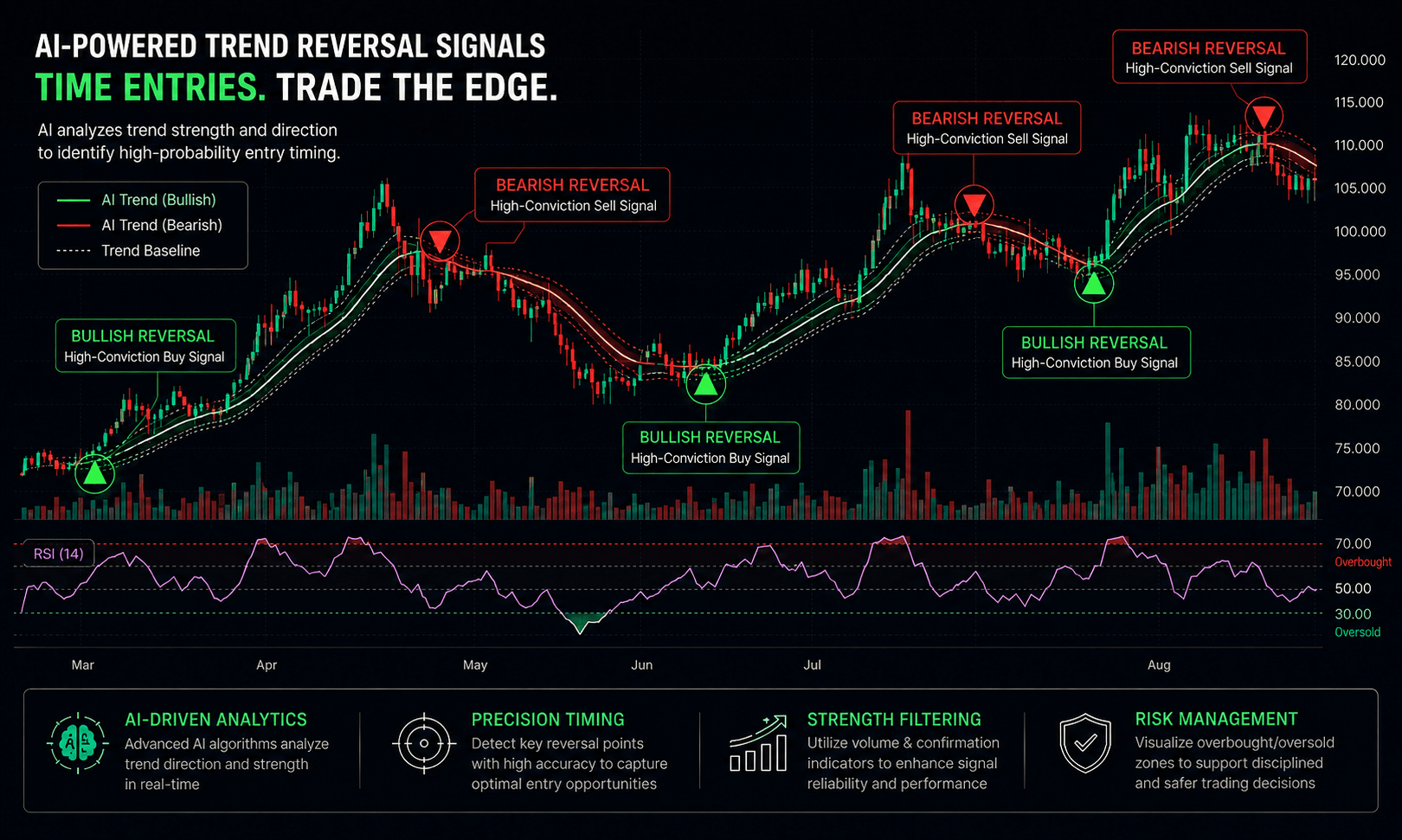
Bull Wave / Bear Wave Forecast Model
Engineered to help you read market direction and momentum faster than the crowd.
- Instantly separate bullish momentum from bearish pressure
- Pinpoint high-probability entry zones with confidence
- Chart signals clear enough for beginners, sharp enough for pros
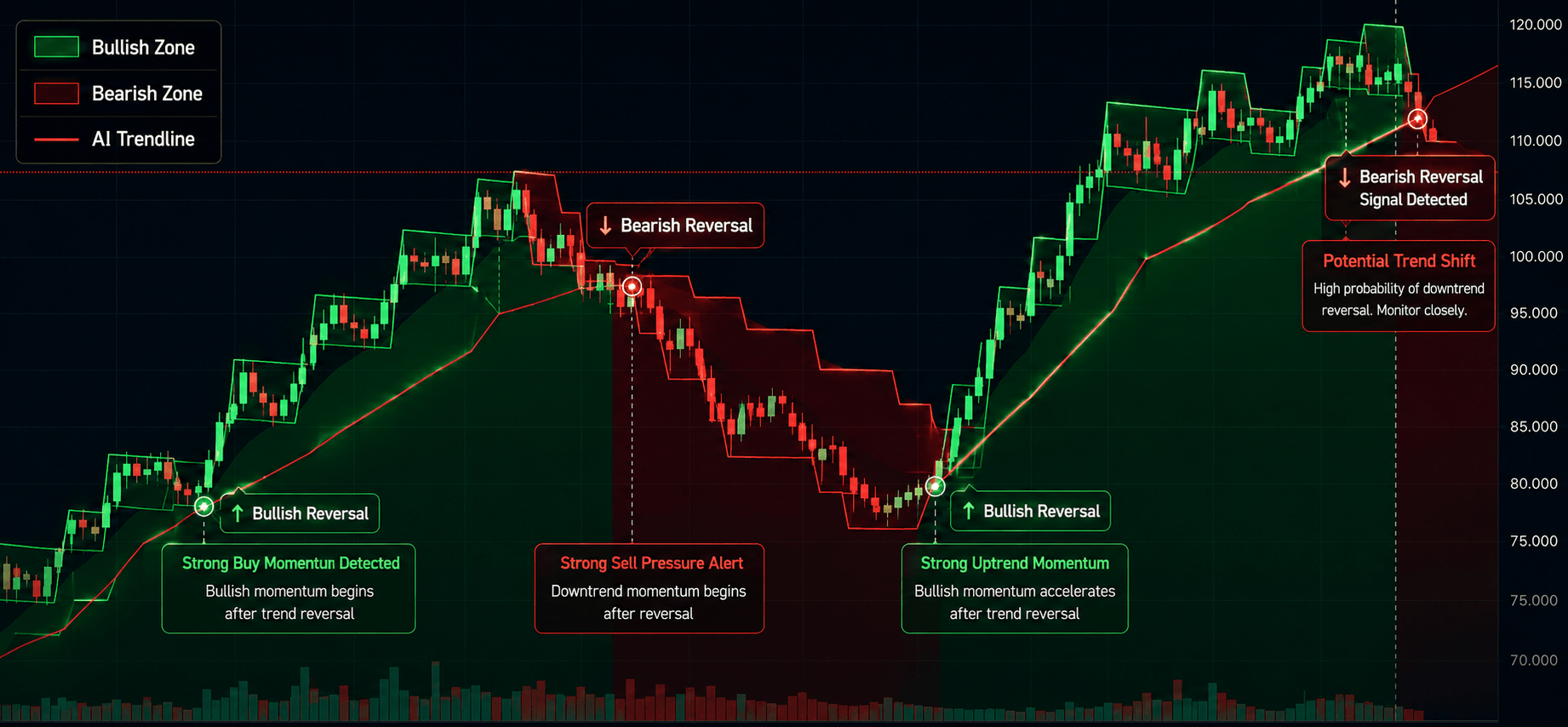
Winning Pattern Detection
Instantly surfaces the high-probability setups that repeat across the charts — a trusted edge for timing your entries and exits.
- Spot momentum building in real time
- Catch trend-reversal points before they break
- Built for active traders who need results, not theory

AI Live Economic Dashboard
AI analyzes real-time market data — turning complex, global investment flows into clear insight in seconds.
- Track global stock markets in real time
- See exactly which assets are strong — and which are fading
- Watch how geopolitical events move the markets
About the Author