What Is Beta in Investing?
Beta (β) is a statistical measure of how sensitive a stock or portfolio’s returns are relative to the overall market, typically benchmarked against an index like the S&P 500. A beta of 1 means a stock tends to move in line with the market, while values above or below 1 indicate greater or lesser volatility relative to the broader market.
How Beta Is Calculated
Beta is calculated as the covariance between a stock’s returns and the market’s returns, divided by the variance of the market’s returns. Statistically, it represents the slope of a regression line measuring how a stock’s returns respond to changes in the overall market’s returns.
Interpreting Beta Values
A stock with a beta of 1.5 theoretically moves about 15% when the market moves 10%, in the same direction — amplifying both gains and losses. A stock with a beta of 0.5 would theoretically move only about half as much as the broader market in either direction.
Beta Value Classification Table
| Beta Range | Classification | Characteristics | Typical Sector Examples |
|---|---|---|---|
| Above 1.0 | High-beta (aggressive) | More volatile than the market | Technology, growth, cyclicals |
| 1.0 | Market average | Moves in line with the market | Broad index-tracking stocks |
| 0 to 1.0 | Low-beta (defensive) | Less volatile than the market | Utilities, staples, telecom |
| Below 0 | Negative beta | Moves opposite the market | Some gold-related assets, inverse funds |
How Investors Use Beta
Adjusting Portfolio Risk
Investors can calculate the overall beta of a portfolio to understand its risk exposure relative to the market, and adjust the mix of high-beta and low-beta holdings to align the portfolio’s risk profile with their investment goals and risk tolerance.
Beta’s Role in the Capital Asset Pricing Model (CAPM)
Beta is a core input in the Capital Asset Pricing Model, used to estimate a stock’s expected return via the formula: Expected Return = Risk-Free Rate + Beta × (Market Return − Risk-Free Rate), helping determine an appropriate required return for a given level of systematic risk.
Limitations of Beta
Based on Historical Data
Beta is calculated using historical price data over a specific period, so it may not accurately predict future volatility if a company’s business model or market conditions change significantly going forward.
Doesn’t Capture Company-Specific Risk
Beta measures only systematic risk tied to overall market movements and does not account for unsystematic risk, such as company-specific management issues or industry-specific challenges, so it should be considered alongside other financial metrics.
Frequently Asked Questions
Is a high-beta stock always riskier?
A high beta means greater price sensitivity to market moves, which can amplify both gains in rising markets and losses in falling markets — whether that’s “riskier” depends on an investor’s goals and risk tolerance, not just the number itself.
Where can I find a stock’s beta value?
Most brokerage platforms and financial data websites display beta figures directly for individual stocks, and it can also be calculated independently using historical price data for the stock and its benchmark index.
Can an asset have a negative beta?
Yes, though it’s uncommon. Assets like gold or certain inverse ETFs that tend to move opposite the broader market can exhibit negative beta, which is sometimes used deliberately for portfolio diversification.
Can a stock have a beta of zero?
Theoretically, an asset with no correlation to overall market movements would have a beta near zero — cash equivalents and certain risk-free assets tend to fall into this category.
Key Takeaways
Beta measures how sensitive a stock’s price is to overall market movements, making it a widely used tool for managing portfolio risk and estimating expected returns through models like CAPM. Because beta is based on historical data and doesn’t capture company-specific risk, it works best when combined with other financial metrics rather than used in isolation. This article is for informational purposes only and does not constitute investment advice.

QuantPro: AI Finds the Trade Before You Do
From AI-powered chart analysis to real-time market intelligence — everything a serious investor needs, in one platform.
- Automated AI chart analysis with precision trend timing
- Bull Radar: real-time visualization of geopolitical & economic shifts
- Live market-moving news and insights, curated for you
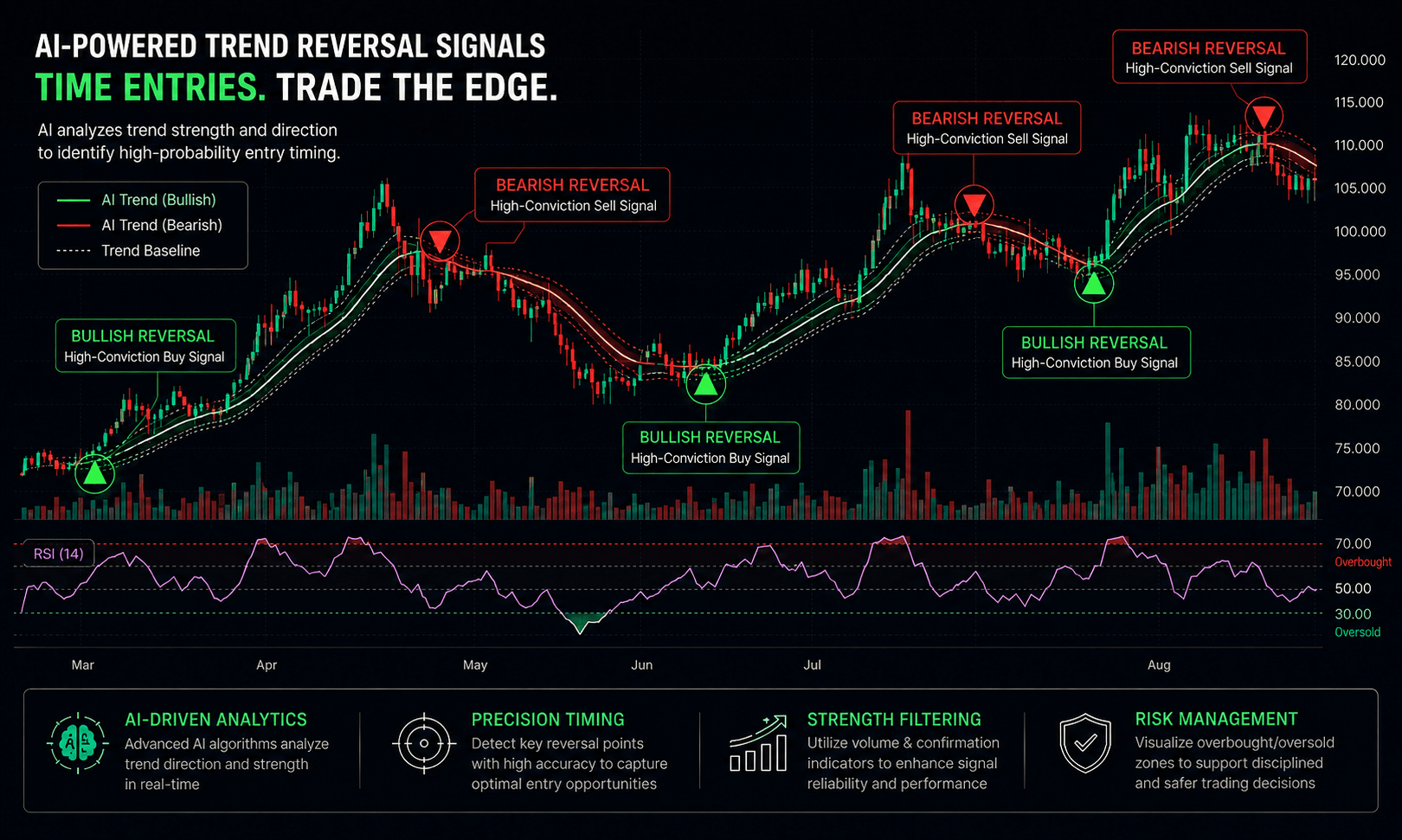
Bull Wave / Bear Wave Forecast Model
Engineered to help you read market direction and momentum faster than the crowd.
- Instantly separate bullish momentum from bearish pressure
- Pinpoint high-probability entry zones with confidence
- Chart signals clear enough for beginners, sharp enough for pros
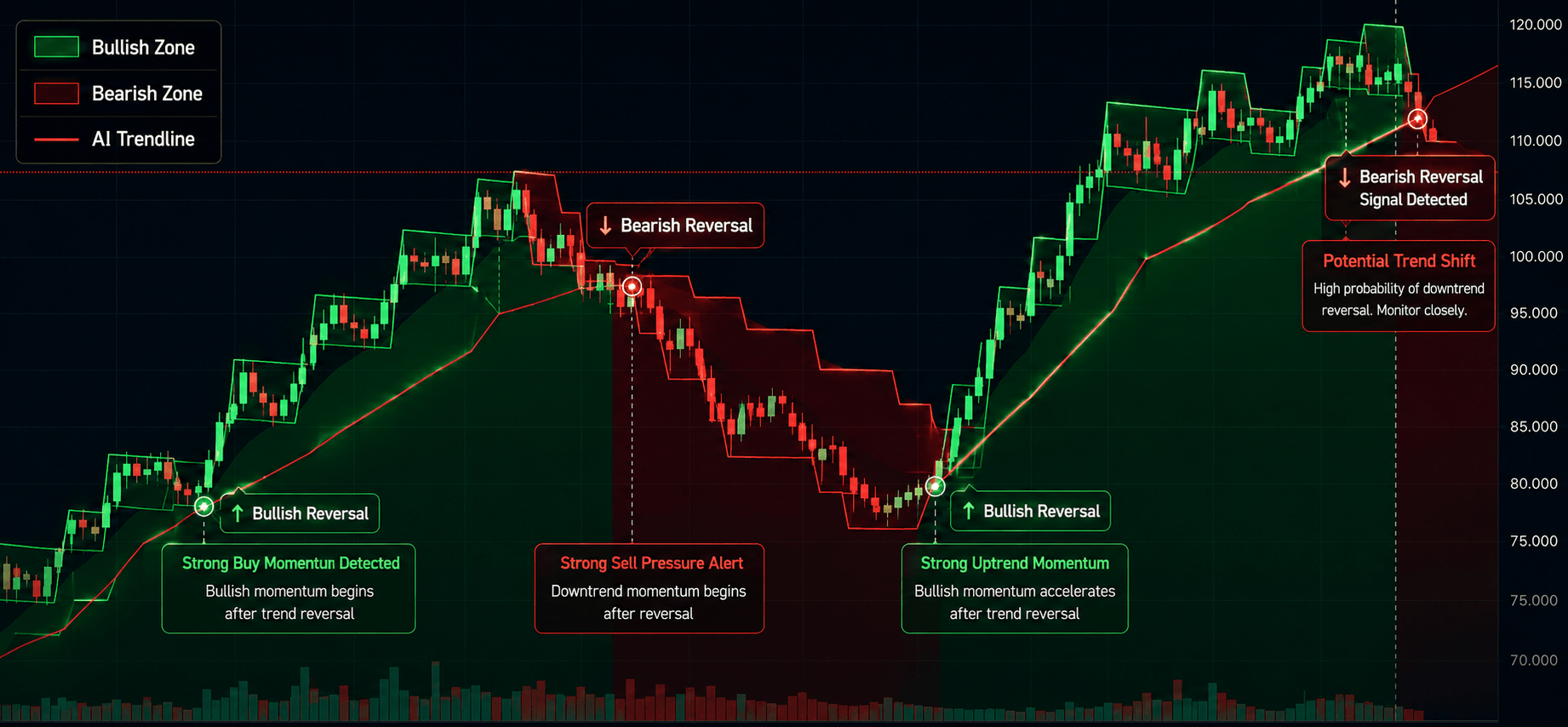
Winning Pattern Detection
Instantly surfaces the high-probability setups that repeat across the charts — a trusted edge for timing your entries and exits.
- Spot momentum building in real time
- Catch trend-reversal points before they break
- Built for active traders who need results, not theory

AI Live Economic Dashboard
AI analyzes real-time market data — turning complex, global investment flows into clear insight in seconds.
- Track global stock markets in real time
- See exactly which assets are strong — and which are fading
- Watch how geopolitical events move the markets
About the Author