What Is Dividend Growth Investing?
Dividend growth investing is a strategy focused on companies that consistently increase their per-share dividend payments year after year, rather than simply targeting stocks with the highest current dividend yield. The emphasis is on the trajectory and sustainability of dividend increases over time, not just the payout at any single point.
Dividend Growth vs High Current Yield
High-yield stocks offer a large payout relative to price today but sometimes carry elevated risk of a future dividend cut due to stagnant earnings or business challenges. Dividend growth stocks may offer a more modest current yield but have demonstrated an ability to raise payouts steadily, often signaling stronger underlying business fundamentals.
Consecutive Years of Dividend Increases
One of the most important criteria in evaluating dividend growth stocks is the number of consecutive years a company has raised its dividend without a cut, since a long streak reflects consistent free cash flow generation and financial discipline through varying economic conditions.
Dividend Growth vs High Yield vs Dividend Aristocrats
| Feature | Dividend Growth Stock | High-Yield Stock | Dividend Aristocrat |
|---|---|---|---|
| Current yield | Relatively moderate | High | Moderate to high |
| Dividend trend | Consistently increasing | Can be volatile | 25+ consecutive years of increases |
| Dividend cut risk | Lower | Relatively higher | Very low |
| Capital appreciation potential | Generally solid | Often limited | Steady, moderate growth |
| Investment style | Growth + income combined | Short-term income focus | Ultra-long-term income focus |
Why Investors Choose Dividend Growth Strategies
The Power of Compounding and Yield on Cost
As dividends increase each year while reinvested, the effective yield on the original purchase price (known as yield on cost) rises over time, meaning a long-term holder can eventually earn a substantially higher percentage return relative to their initial investment than the current market yield would suggest.
A Signal of Financial Strength
Companies that maintain or grow dividends through economic downturns typically demonstrate durable cash flow and a resilient business model, making consistent dividend growth a useful signal — though not a guarantee — of underlying financial health.
Evaluating Dividend Growth Candidates
Checking the Payout Ratio
A payout ratio that is too high relative to earnings can limit a company’s ability to continue raising dividends, so investors should look for companies maintaining a sustainable payout ratio with room to keep growing distributions over time.
Free Cash Flow and Debt Levels
Since dividends are paid in cash rather than accounting earnings, it’s important to confirm a company generates stable free cash flow and isn’t relying on excessive debt to sustain its dividend, both signals of long-term dividend sustainability.
Frequently Asked Questions
Are dividend growth stocks safe investments?
Dividend growth companies often have relatively stable financial profiles, but their share prices still fluctuate with the broader market and carry the risk of loss like any equity investment — they are not guaranteed or risk-free.
What is the difference between dividend growth stocks and Dividend Aristocrats?
Dividend Aristocrats are a specific, narrower category of S&P 500 companies that have raised dividends for at least 25 consecutive years, representing an elite subset within the broader dividend growth investing universe.
How can I find dividend growth stocks?
Investors can screen for stocks based on consecutive years of dividend increases, payout ratio, and free cash flow using brokerage research tools, or gain diversified exposure through dividend growth-focused index funds and ETFs.
What time horizon works best for dividend growth investing?
Because the compounding benefits of rising dividends and reinvestment build meaningfully over time, dividend growth investing is generally considered most effective as a long-term strategy, typically held over a period of five years or more.
Key Takeaways
Dividend growth investing prioritizes companies with a consistent history of raising dividends over those simply offering the highest current yield, often reflecting stronger underlying financial health and providing a compounding income benefit over time. Evaluating payout ratios and free cash flow helps identify companies likely to sustain their growth streak going forward. This article is for informational purposes only and does not constitute investment advice.

QuantPro: AI Finds the Trade Before You Do
From AI-powered chart analysis to real-time market intelligence — everything a serious investor needs, in one platform.
- Automated AI chart analysis with precision trend timing
- Bull Radar: real-time visualization of geopolitical & economic shifts
- Live market-moving news and insights, curated for you
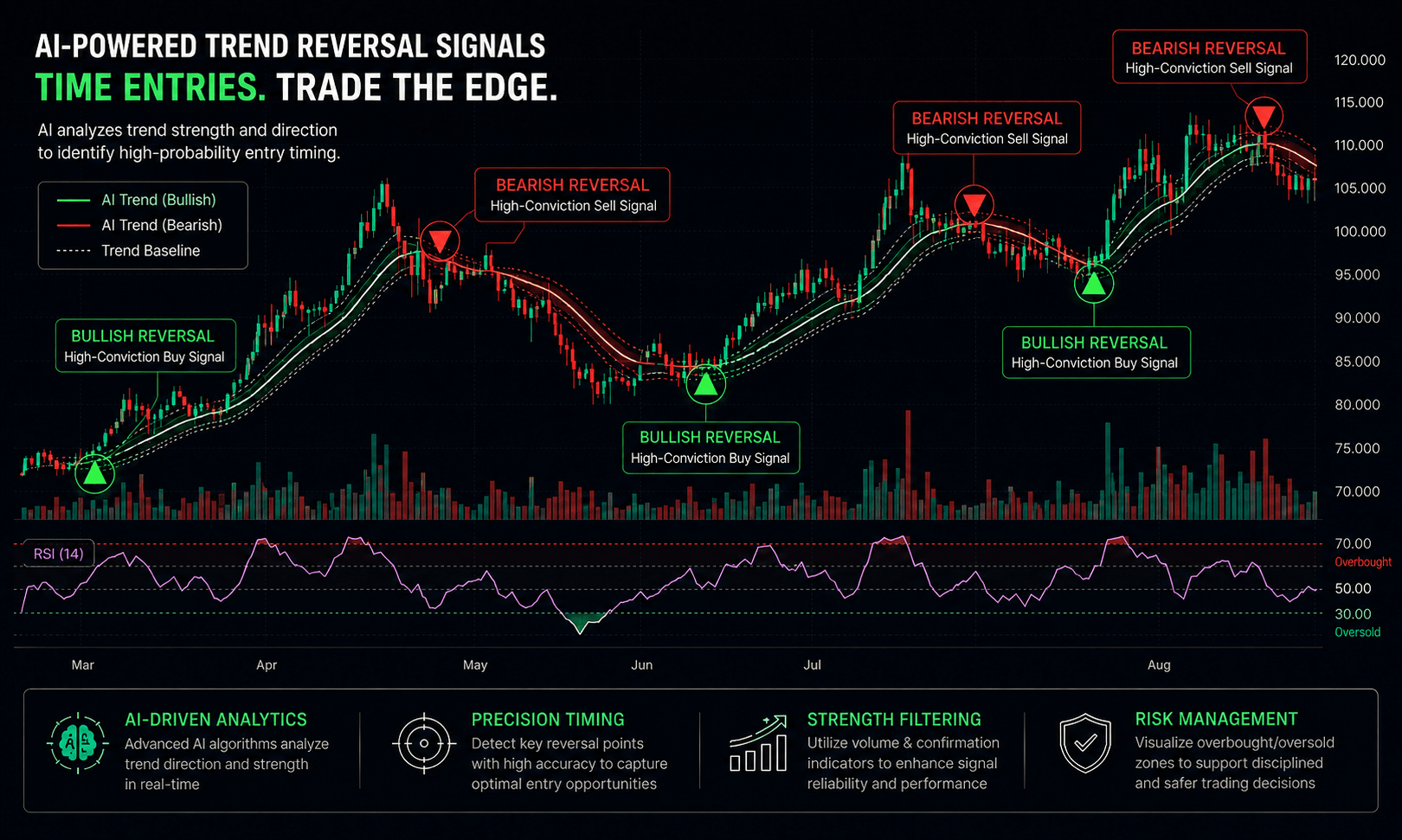
Bull Wave / Bear Wave Forecast Model
Engineered to help you read market direction and momentum faster than the crowd.
- Instantly separate bullish momentum from bearish pressure
- Pinpoint high-probability entry zones with confidence
- Chart signals clear enough for beginners, sharp enough for pros
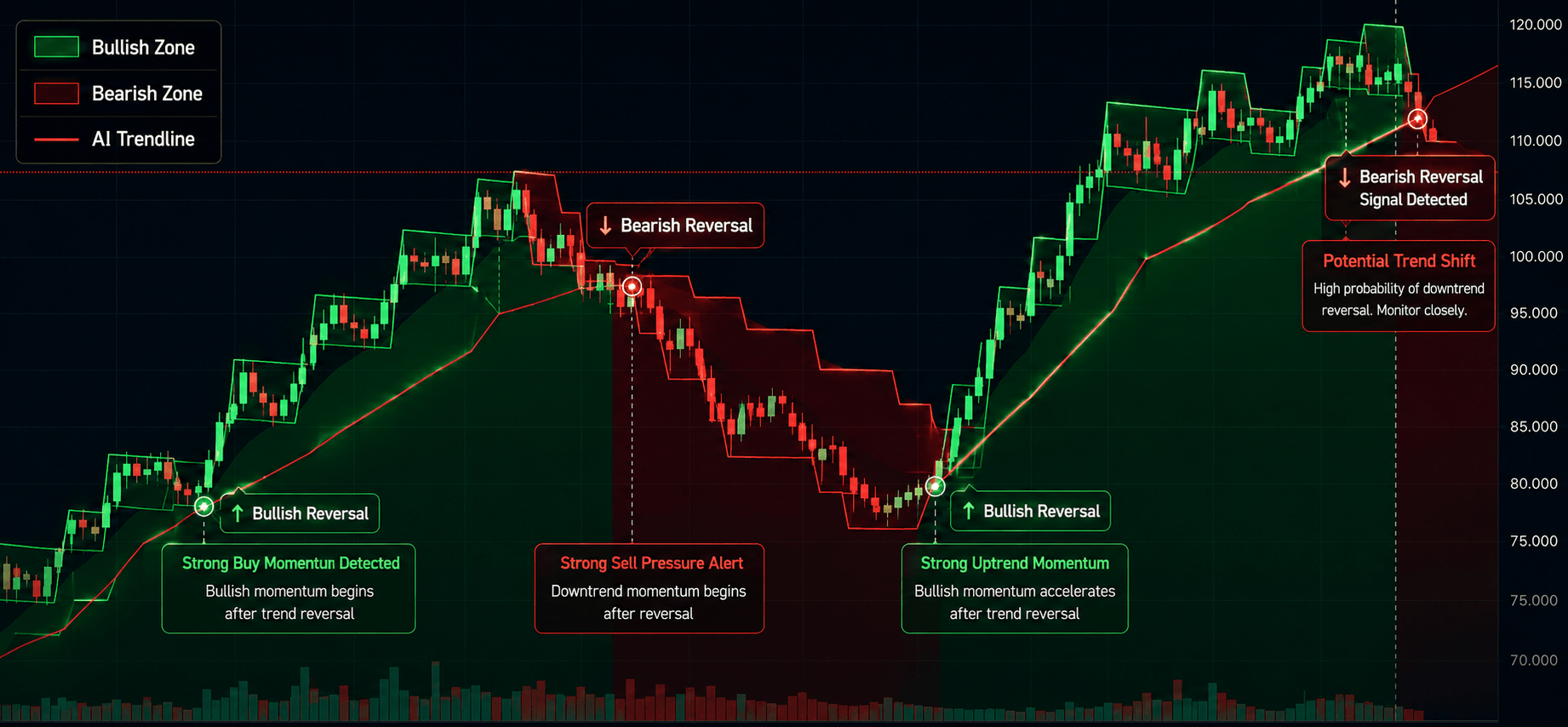
Winning Pattern Detection
Instantly surfaces the high-probability setups that repeat across the charts — a trusted edge for timing your entries and exits.
- Spot momentum building in real time
- Catch trend-reversal points before they break
- Built for active traders who need results, not theory

AI Live Economic Dashboard
AI analyzes real-time market data — turning complex, global investment flows into clear insight in seconds.
- Track global stock markets in real time
- See exactly which assets are strong — and which are fading
- Watch how geopolitical events move the markets
About the Author