What Is Bond Duration?
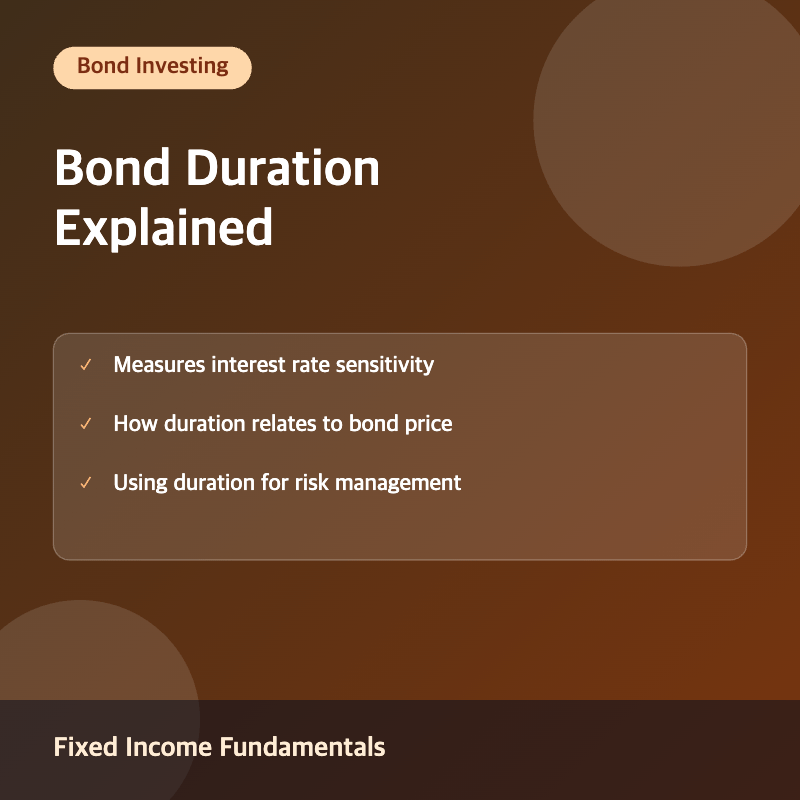
Duration is a measure of a bond’s sensitivity to changes in interest rates, expressed in years, and can also be understood as the weighted-average time it takes to recover the bond’s cash flows. The longer a bond’s duration, the more its price will fluctuate in response to a given change in interest rates.
Duration vs Maturity
Maturity refers simply to the length of time until a bond’s principal is repaid, while duration incorporates the timing of all cash flows, including coupon payments, and is always shorter than maturity for a coupon-paying bond. A zero-coupon bond, having no interim payments, has a duration equal to its maturity.
The Inverse Relationship Between Rates and Bond Prices
Bond prices and interest rates move inversely — when rates rise, existing bonds with lower fixed coupons become less attractive and their prices fall; when rates fall, existing bonds become more attractive and their prices rise. Duration measures the magnitude of this price sensitivity.
Duration and Interest Rate Sensitivity
| Duration | Estimated Price Change per 1% Rate Rise | Characteristics |
|---|---|---|
| 2 years | About -2% | Short-term bond, low rate sensitivity |
| 5 years | About -5% | Intermediate bond, moderate sensitivity |
| 10 years | About -10% | Long-term bond, high rate sensitivity |
| 20+ years | About -20% or more | Very long-term bond, very high sensitivity |
Modified Duration and Practical Use
Modified Duration Explained
Modified duration adjusts Macaulay duration for yield-to-maturity and is used in the formula: Estimated % Price Change ≈ −Modified Duration × Change in Yield, providing a quick approximation of how much a bond’s price will move for a given change in interest rates.
Managing Portfolio Duration
Bond investors calculate the weighted-average duration of their entire portfolio and adjust it based on rate expectations — shortening duration when rates are expected to rise, and lengthening duration when rates are expected to fall — as a key interest rate risk management strategy.
Limitations of Duration
Duration and Convexity
Duration provides only a linear approximation of rate sensitivity, while the actual relationship between bond prices and yields is curved (convex), meaning duration alone becomes less accurate for large interest rate movements — convexity should be considered alongside it for a fuller picture.
Duration Doesn’t Capture Credit Risk
Duration measures only interest rate risk and does not account for credit risk, such as the possibility of a bond issuer defaulting, so it should be evaluated alongside credit ratings and credit spreads rather than in isolation.
Frequently Asked Questions
Is a longer duration always a bad thing?
Not necessarily. In a falling rate environment, longer-duration bonds can see larger price gains, making them potentially advantageous, while in a rising rate environment, shorter-duration bonds tend to be relatively more resilient.
How can I find the duration of a bond fund?
Most bond funds and bond ETFs disclose their portfolio’s average duration in fact sheets or prospectuses, making it straightforward to check before investing.
Does duration apply to stocks too?
While duration is traditionally a bond concept, the term is sometimes used metaphorically for stocks — particularly growth stocks with cash flows concentrated far in the future — to describe their heightened sensitivity to interest rate changes.
Can a bond have zero duration?
In practice, very short-term instruments or cash equivalents have duration close to zero, meaning they are minimally affected by interest rate changes.
Key Takeaways
Duration measures how sensitive a bond’s price is to interest rate changes, with longer duration meaning greater price volatility for a given rate movement. Adjusting portfolio duration based on rate expectations is a core fixed-income risk management strategy, though convexity and credit risk should also be considered for a complete assessment. This article is for informational purposes only and does not constitute investment advice.
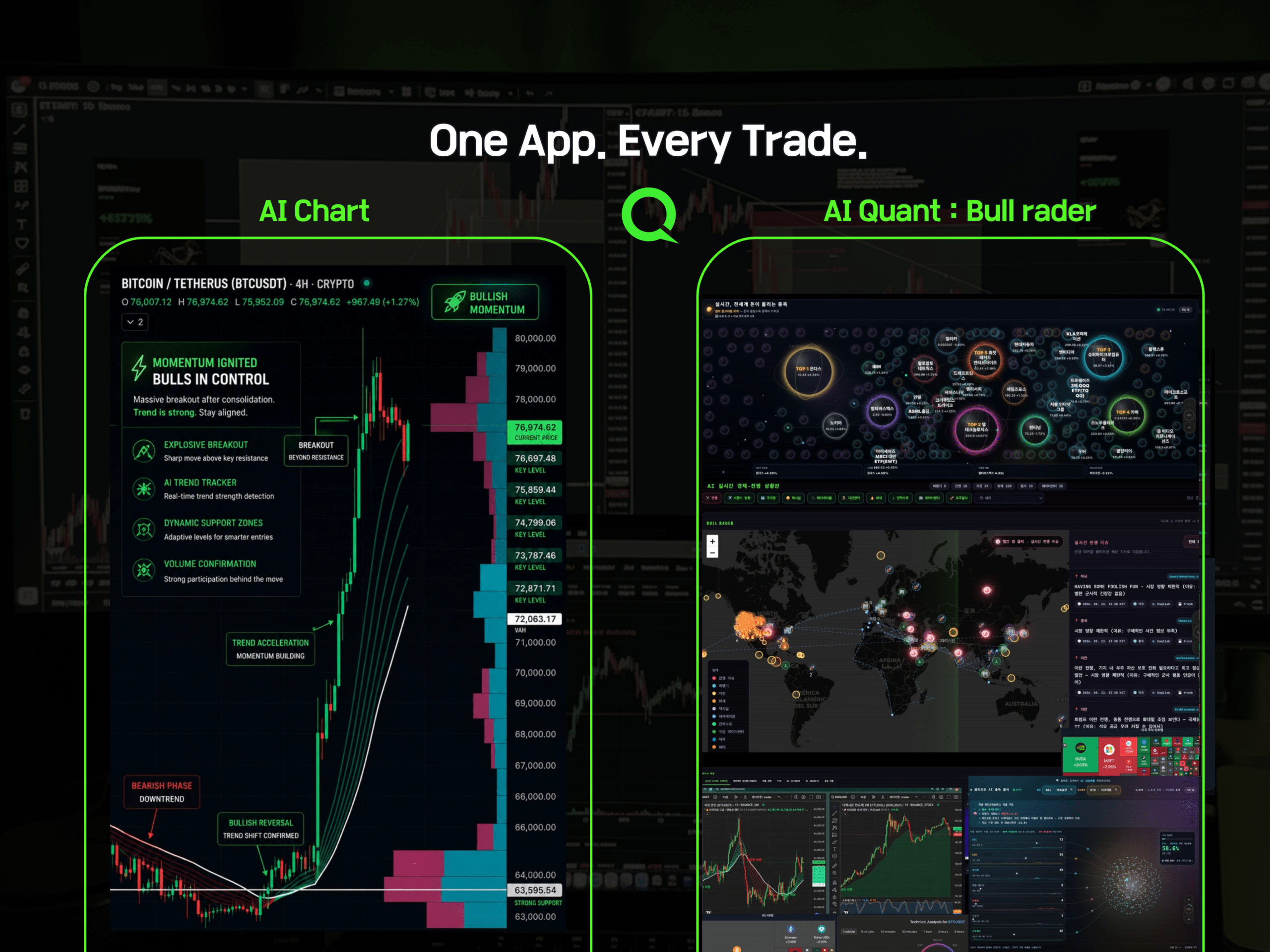
QuantPro: AI Finds the Trade Before You Do
From AI-powered chart analysis to real-time market intelligence — everything a serious investor needs, in one platform.
- Automated AI chart analysis with precision trend timing
- Bull Radar: real-time visualization of geopolitical & economic shifts
- Live market-moving news and insights, curated for you
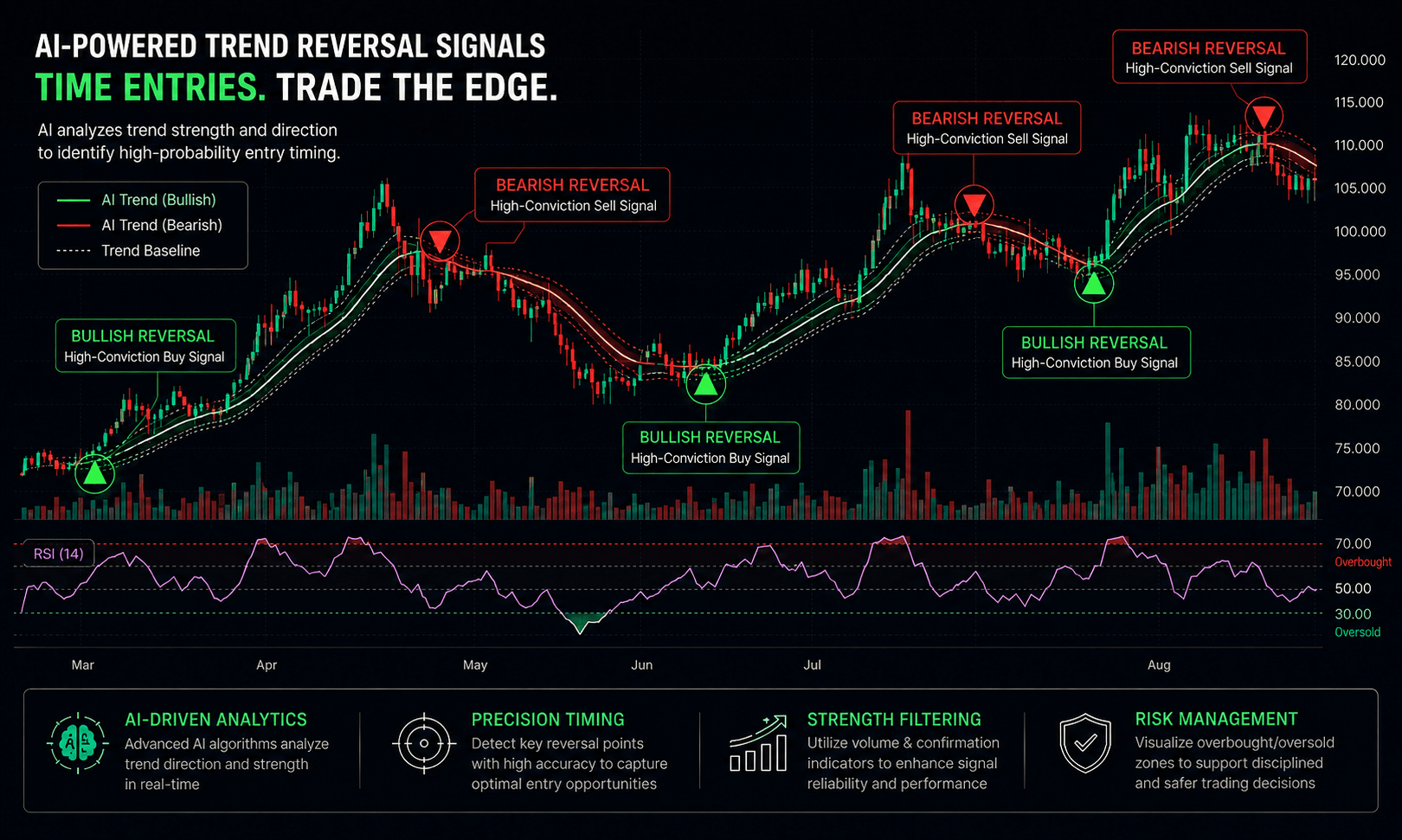
Bull Wave / Bear Wave Forecast Model
Engineered to help you read market direction and momentum faster than the crowd.
- Instantly separate bullish momentum from bearish pressure
- Pinpoint high-probability entry zones with confidence
- Chart signals clear enough for beginners, sharp enough for pros
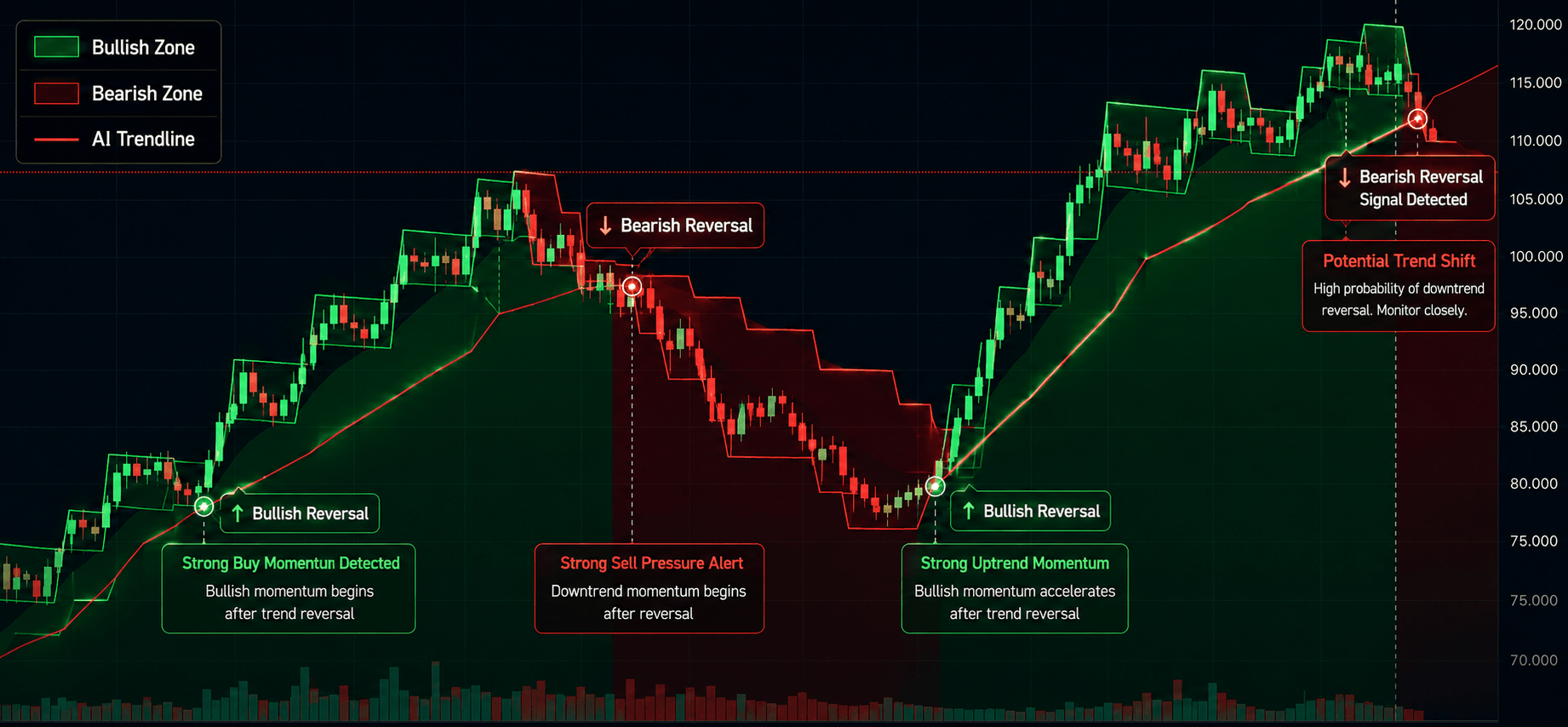
Winning Pattern Detection
Instantly surfaces the high-probability setups that repeat across the charts — a trusted edge for timing your entries and exits.
- Spot momentum building in real time
- Catch trend-reversal points before they break
- Built for active traders who need results, not theory
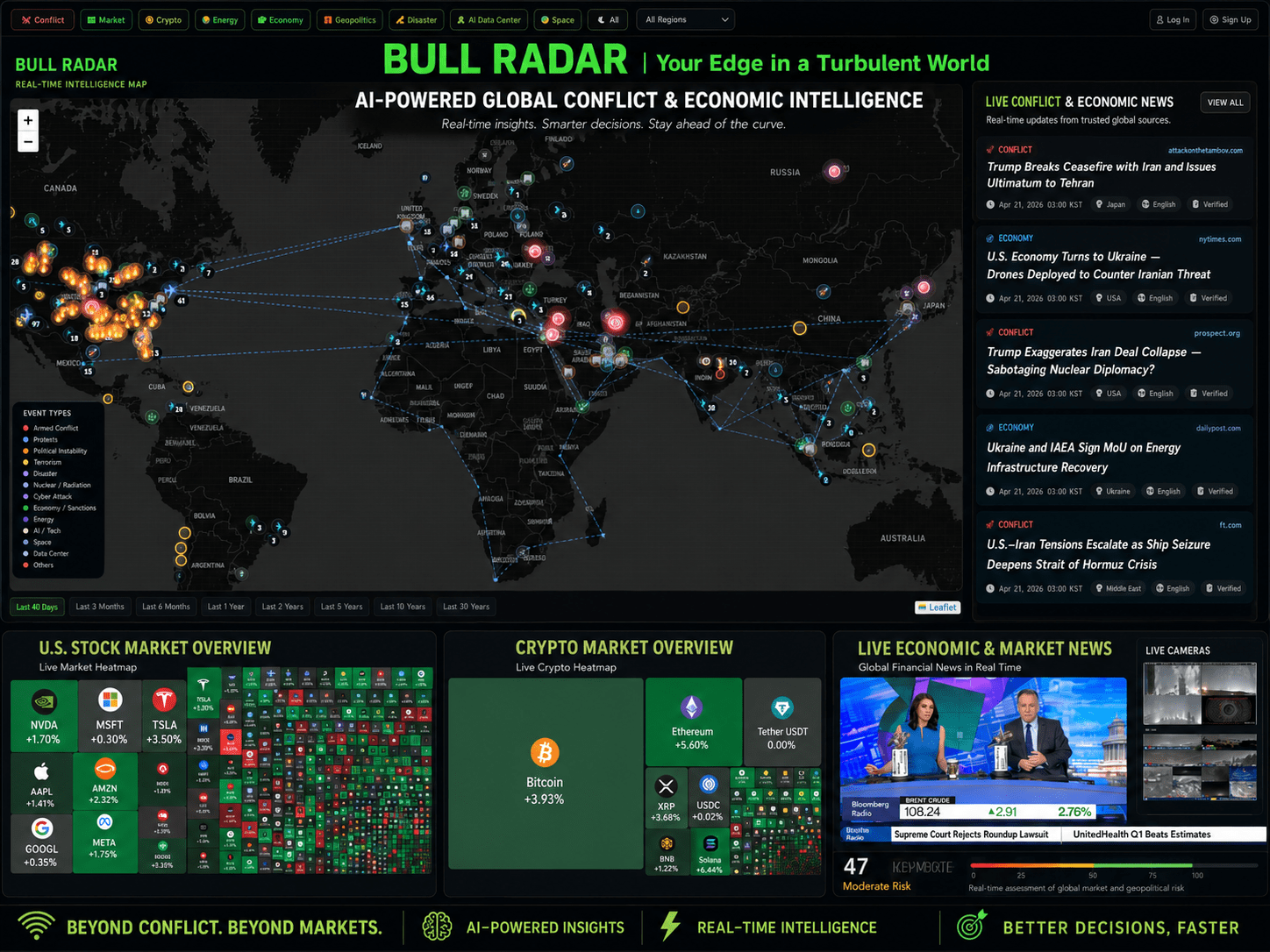
AI Live Economic Dashboard
AI analyzes real-time market data — turning complex, global investment flows into clear insight in seconds.
- Track global stock markets in real time
- See exactly which assets are strong — and which are fading
- Watch how geopolitical events move the markets
About the Author