What Is the Current Ratio?
The current ratio measures a company’s ability to cover its short-term (current) liabilities using its current assets — those expected to be converted to cash within one year. A higher current ratio generally indicates stronger short-term financial health.
How to Calculate the Current Ratio
The formula is: Current Ratio = Current Assets ÷ Current Liabilities × 100. A company with $300 million in current assets and $200 million in current liabilities has a current ratio of 150% ($300M ÷ $200M × 100), meaning it holds 1.5 times its short-term obligations in current assets.
What Counts as Current Assets and Liabilities
Current assets include cash and cash equivalents, short-term investments, accounts receivable, and inventory — all expected to convert to cash within a year. Current liabilities include accounts payable and short-term borrowings due within the same period.
Current Ratio vs Quick Ratio
| Feature | Current Ratio | Quick Ratio |
|---|---|---|
| Formula | Current Assets ÷ Current Liabilities | (Current Assets − Inventory) ÷ Current Liabilities |
| Includes inventory | Yes | No |
| Conservatism level | Relatively more lenient | More strict and conservative |
| Typical benchmark | Often 100%–200% or higher | Often 100% or higher |
| Limitation | May overstate liquidity of slow-moving inventory | Can be overly strict for certain industries |
Interpreting the Current Ratio Correctly
The Liquidity Problem with Inventory
Because the current ratio includes inventory as a current asset, it may overestimate a company’s true short-term liquidity if that inventory takes time to sell or requires discounting to move — companies with heavy inventory levels warrant a closer look.
Ideal Levels Vary by Industry
Retail and businesses with fast inventory turnover can remain stable with a relatively lower current ratio, while manufacturing or construction companies with slower inventory cycles typically require a higher current ratio to remain financially sound.
Practical Applications of the Current Ratio
The Pitfall of an Excessively High Ratio
An unusually high current ratio can actually indicate a company is holding too much cash or short-term assets inefficiently rather than deploying capital productively, so higher isn’t automatically better.
Pairing with the Cash Flow Statement
Since the current ratio is a snapshot from a single balance sheet date, reviewing it alongside the cash flow statement gives a clearer picture of a company’s actual short-term liquidity and cash generation ability.
Frequently Asked Questions
Is a current ratio below 100% always dangerous?
A current ratio below 100% can raise concerns about short-term liquidity, but it isn’t automatically dangerous — it depends on the industry and the company’s actual cash flow situation, so it should be evaluated alongside other metrics.
Which is more important, the current ratio or the quick ratio?
Both are complementary. For companies with significant inventory, checking the quick ratio alongside the current ratio provides a more conservative view of liquidity that excludes potentially hard-to-sell inventory.
Where can I find a company’s current ratio?
Current assets and current liabilities appear directly on a company’s balance sheet, and the current ratio is also commonly displayed on brokerage platforms and financial data websites.
What does a declining current ratio trend indicate?
A steadily declining current ratio can be a warning sign of worsening short-term financial conditions, making it worth examining accounts receivable collection and inventory buildup for underlying causes.
Key Takeaways
The current ratio measures how well a company can cover short-term liabilities with current assets, with a level of roughly 100% to 200% generally considered financially stable. Given inventory’s actual liquidity and industry-specific norms, it’s best analyzed alongside the quick ratio and cash flow statement rather than in isolation. This article is for informational purposes only and does not constitute investment advice.

QuantPro: AI Finds the Trade Before You Do
From AI-powered chart analysis to real-time market intelligence — everything a serious investor needs, in one platform.
- Automated AI chart analysis with precision trend timing
- Bull Radar: real-time visualization of geopolitical & economic shifts
- Live market-moving news and insights, curated for you
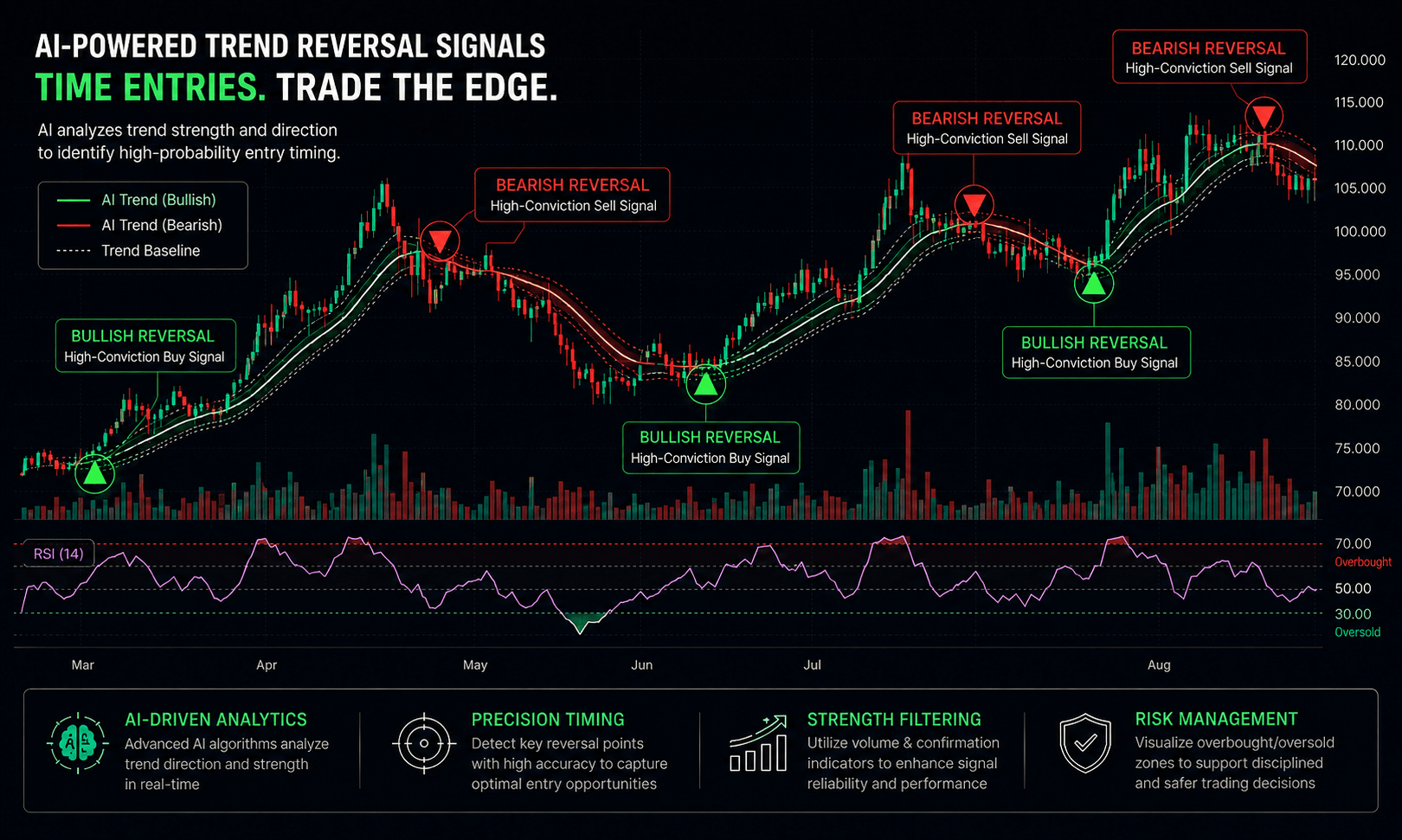
Bull Wave / Bear Wave Forecast Model
Engineered to help you read market direction and momentum faster than the crowd.
- Instantly separate bullish momentum from bearish pressure
- Pinpoint high-probability entry zones with confidence
- Chart signals clear enough for beginners, sharp enough for pros
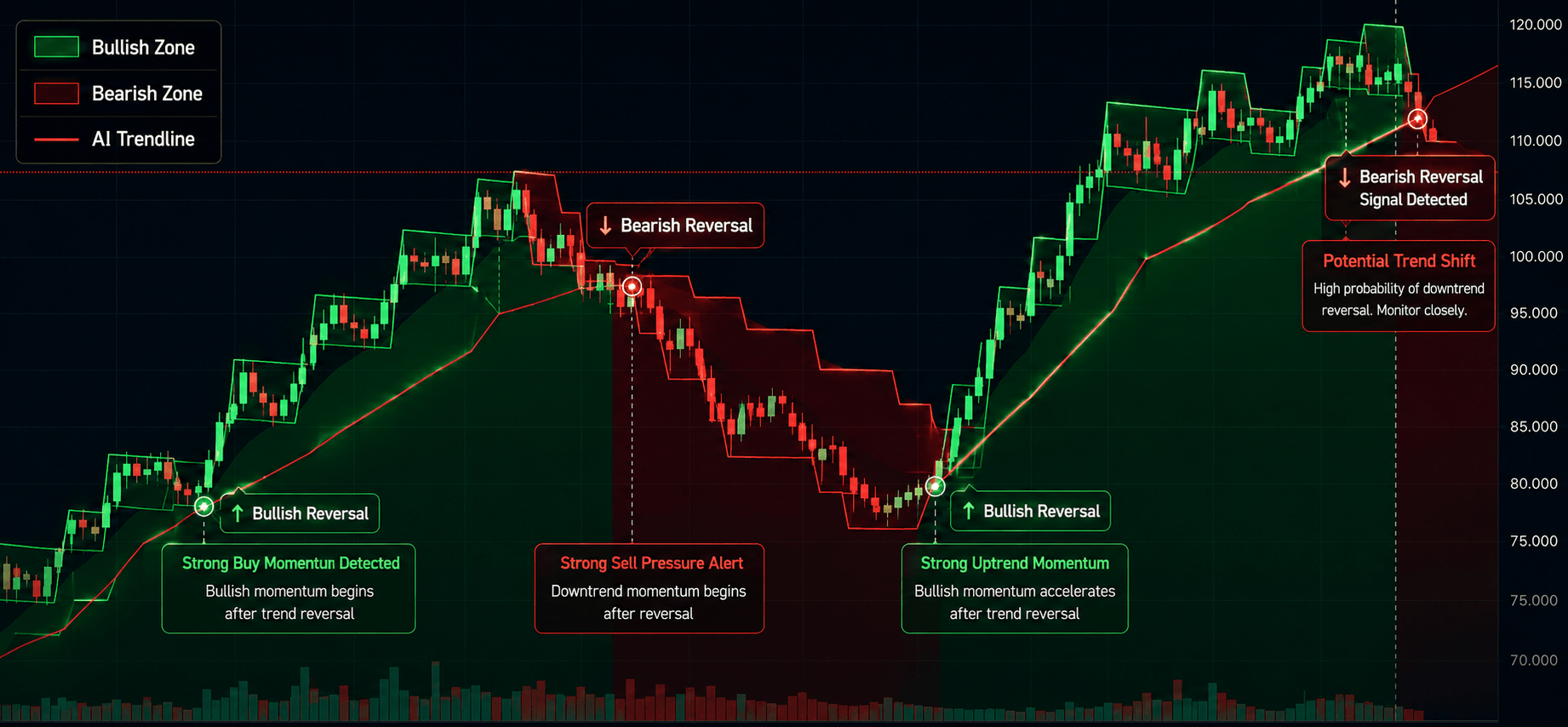
Winning Pattern Detection
Instantly surfaces the high-probability setups that repeat across the charts — a trusted edge for timing your entries and exits.
- Spot momentum building in real time
- Catch trend-reversal points before they break
- Built for active traders who need results, not theory

AI Live Economic Dashboard
AI analyzes real-time market data — turning complex, global investment flows into clear insight in seconds.
- Track global stock markets in real time
- See exactly which assets are strong — and which are fading
- Watch how geopolitical events move the markets
About the Author