What Is a Stock Warrant?
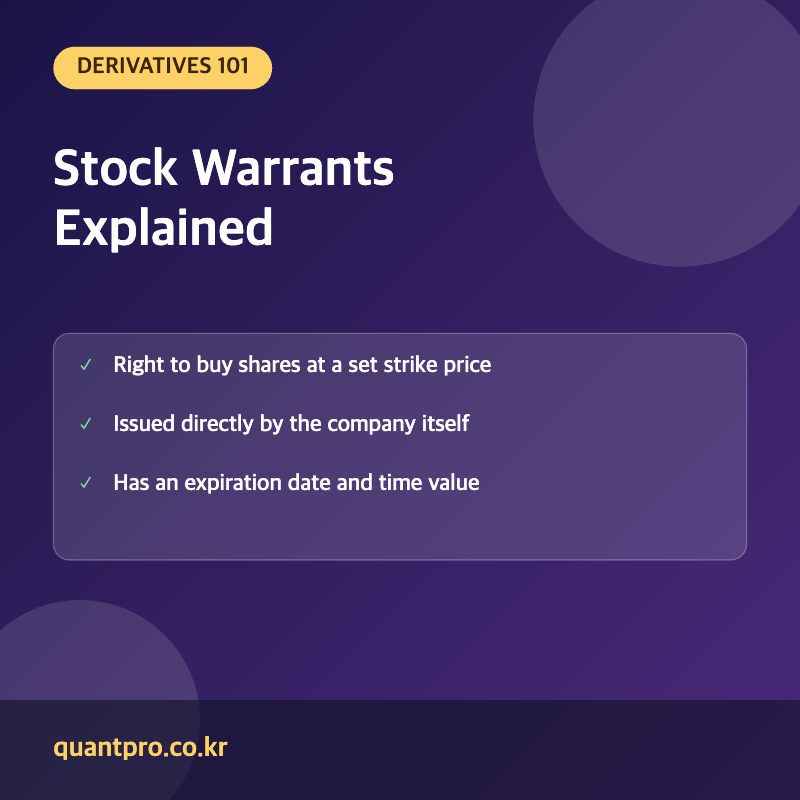
A stock warrant is a financial instrument issued directly by a company that gives the holder the right, but not the obligation, to buy a specified number of shares at a fixed strike price before a set expiration date. Unlike options, warrants are issued by the company itself rather than traded exchanges, and exercising one creates new shares rather than transferring existing ones.
Warrants are commonly attached to bonds or preferred stock as a “sweetener” to make the offering more attractive to investors, and they are also frequently used in SPAC (special purpose acquisition company) deals to compensate early investors and sponsors.
How Stock Warrants Work
When an investor exercises a warrant, they pay the strike price to the issuing company and receive newly issued shares in return. This process is called dilutive because it increases the total share count outstanding, which can reduce the ownership percentage and earnings per share attributable to existing shareholders.
Warrants vs. Stock Options vs. Convertible Bonds
Warrants share similarities with both stock options and convertible bonds, but each instrument differs in who issues it, its typical duration, and its effect on share count.
| Instrument | Issued By | Effect on Share Count |
|---|---|---|
| Stock Warrant | The company | Dilutive — creates new shares |
| Stock Option | Exchanges or employers | Employee options dilutive; exchange options are not |
| Convertible Bond | The company | Dilutive only if converted to equity |
Why Companies Issue Warrants
Companies issue warrants to raise capital more cheaply or to make a bond or stock offering more attractive without paying higher interest or offering a lower issue price outright. By attaching warrants, the company defers potential dilution to a future date when the stock price may have risen, benefiting both the company and warrant holders.
Risks of Investing in Stock Warrants
Warrants can expire worthless if the underlying stock price never rises above the strike price before the expiration date, resulting in a complete loss of the premium paid. Warrants can also be more volatile than the underlying stock itself, since their value is highly sensitive to changes in the stock price, time remaining, and market volatility.
Frequently Asked Questions
What happens to a warrant if the stock price never reaches the strike price?
If the stock price stays below the strike price through the expiration date, the warrant expires worthless and the holder loses whatever premium they paid to acquire it.
Are stock warrants the same as stock options?
No. Warrants are issued directly by the company and create new shares when exercised, while exchange-traded options are contracts between investors that do not directly involve the company and are not dilutive.
Can warrants be traded before expiration?
Yes, many warrants are listed and can be bought or sold on exchanges like ordinary securities before their expiration date, allowing holders to realize value without exercising them.
Why do warrants cause dilution?
Exercising a warrant requires the company to issue brand-new shares to the holder, which increases the total shares outstanding and can reduce the ownership percentage and per-share earnings of existing shareholders.
Key Takeaways
Stock warrants give investors the right to buy new shares at a fixed price before expiration, offering leveraged upside potential but carrying the risk of expiring worthless and the possibility of diluting existing shareholders. This article is for informational purposes only and does not constitute investment advice.

QuantPro: AI Finds the Trade Before You Do
From AI-powered chart analysis to real-time market intelligence — everything a serious investor needs, in one platform.
- Automated AI chart analysis with precision trend timing
- Bull Radar: real-time visualization of geopolitical & economic shifts
- Live market-moving news and insights, curated for you
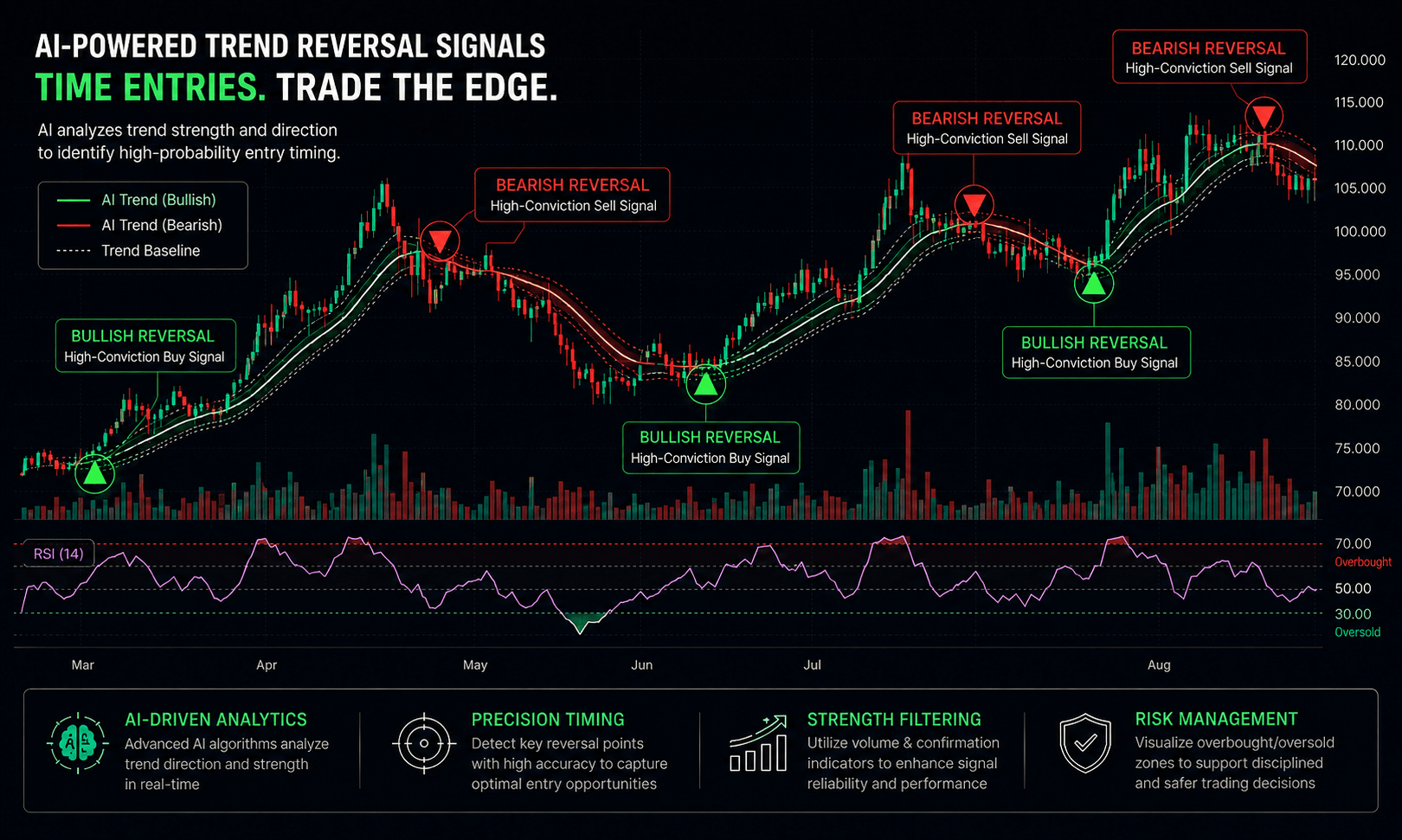
Bull Wave / Bear Wave Forecast Model
Engineered to help you read market direction and momentum faster than the crowd.
- Instantly separate bullish momentum from bearish pressure
- Pinpoint high-probability entry zones with confidence
- Chart signals clear enough for beginners, sharp enough for pros
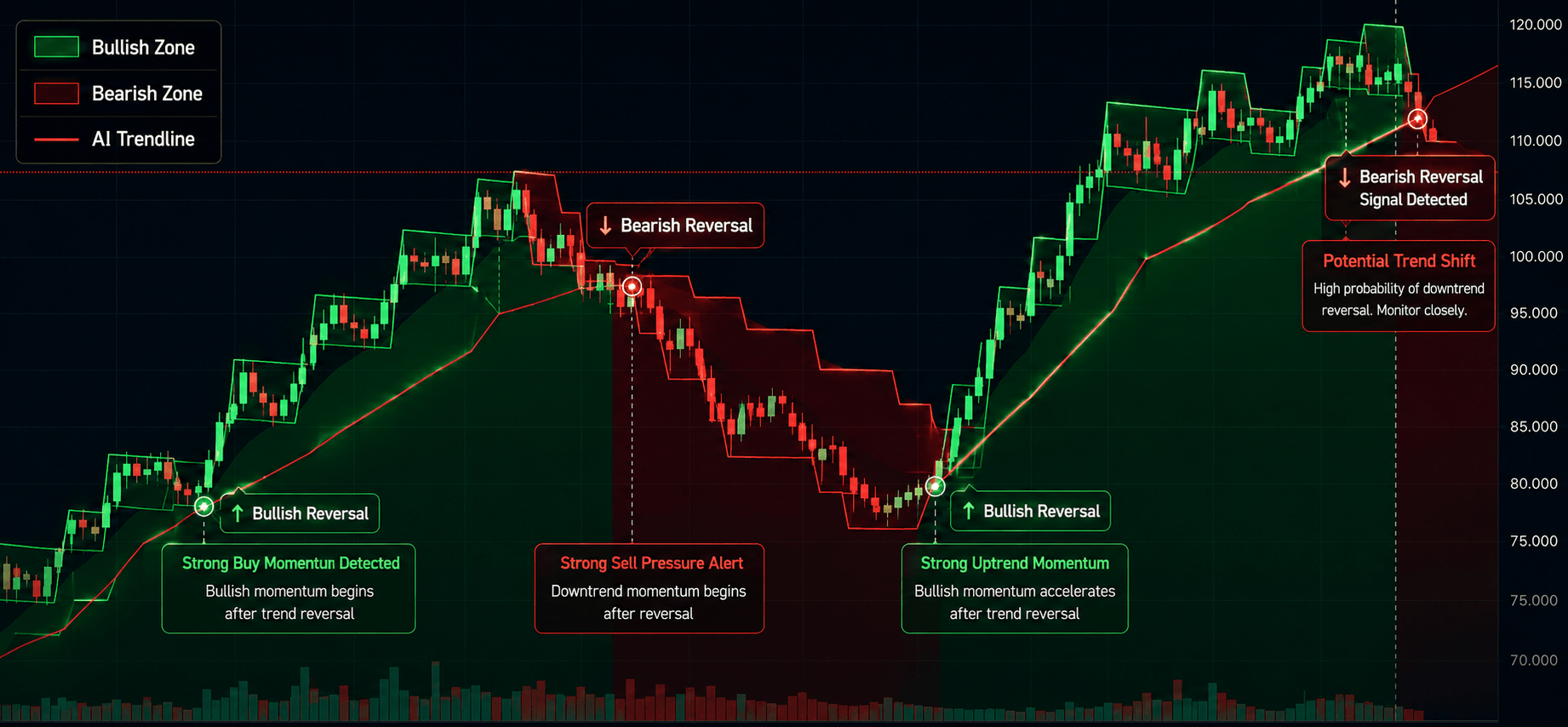
Winning Pattern Detection
Instantly surfaces the high-probability setups that repeat across the charts — a trusted edge for timing your entries and exits.
- Spot momentum building in real time
- Catch trend-reversal points before they break
- Built for active traders who need results, not theory
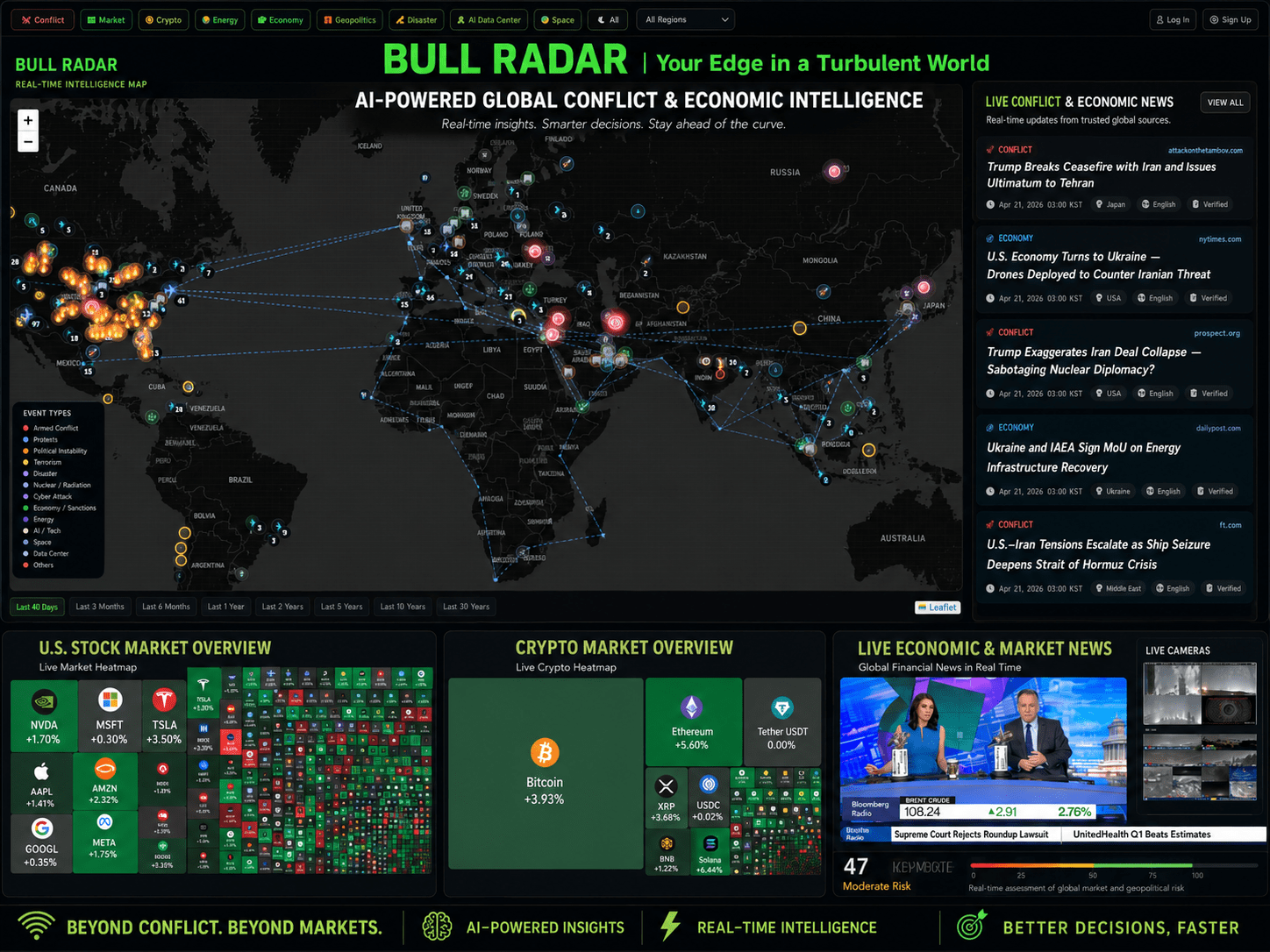
AI Live Economic Dashboard
AI analyzes real-time market data — turning complex, global investment flows into clear insight in seconds.
- Track global stock markets in real time
- See exactly which assets are strong — and which are fading
- Watch how geopolitical events move the markets
About the Author