What Is the Ex-Dividend Date?
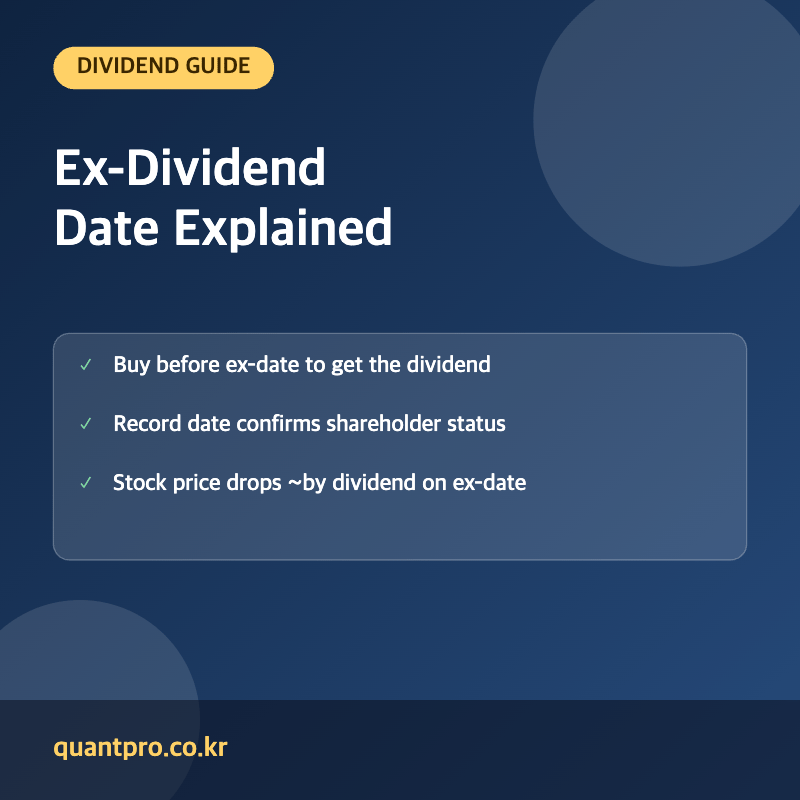
The ex-dividend date is the first trading day on which a stock trades without the value of its next dividend payment. Investors who purchase shares on or after this date are not entitled to the upcoming dividend; only those who owned the stock before the ex-dividend date will receive it.
This date is set based on the record date and the standard T+1 settlement cycle used in U.S. equity markets. Because ownership must be settled by the record date to qualify, the ex-dividend date is typically one business day before the record date.
Why the Stock Price Drops on the Ex-Dividend Date
On the ex-dividend date, a stock’s price typically drops by approximately the amount of the dividend. This happens because the company’s cash balance decreases once the dividend obligation is set, so the market adjusts the share price to reflect that the new buyer will not receive the payout.
Ex-Dividend Date vs. Record Date vs. Payment Date
These three dates are often confused but serve distinct purposes in the dividend distribution process, each marking a different stage from eligibility determination to actual cash receipt.
| Date Type | Purpose | Investor Action Needed |
|---|---|---|
| Ex-Dividend Date | First day shares trade without dividend rights | Must own shares before this date |
| Record Date | Company checks its official shareholder list | No action; automatic if owned before ex-date |
| Payment Date | Date dividend cash is actually paid out | None; payment is automatic |
How This Affects Trading Strategy
Some investors attempt a “dividend capture” strategy, buying shares just before the ex-dividend date and selling shortly after to collect the payout. However, because the price typically falls by roughly the dividend amount on the ex-date, this strategy often produces little net benefit once taxes and transaction costs are considered.
What Happens If You Sell on the Ex-Dividend Date
If you sell your shares on or after the ex-dividend date but you owned them before that date, you still receive the declared dividend. Dividend eligibility is locked in based on ownership at market close the day before the ex-dividend date, regardless of when you sell afterward.
Frequently Asked Questions
Do I need to hold the stock until the payment date to get the dividend?
No. You only need to own the shares before the ex-dividend date. You can sell them anytime after that and still receive the dividend on the payment date.
Why does the stock price fall on the ex-dividend date?
The price typically falls by about the dividend amount because the company’s value decreases once it commits to paying out cash, and new buyers are no longer entitled to that payment.
Is the ex-dividend date the same for every stock exchange?
No. The exact timing relative to the record date depends on each market’s settlement cycle, so investors should always check the specific ex-dividend date announced by the company or exchange.
Can the ex-dividend date change after it is announced?
It is rare, but a company can adjust its dividend schedule due to corporate actions like stock splits or special dividends, which may shift related dates. Investors should monitor official company announcements for updates.
Key Takeaways
The ex-dividend date determines whether you are entitled to a company’s next dividend payment, and understanding its relationship to the record date and payment date helps investors plan purchases and sales around dividend income more effectively. This article is for informational purposes only and does not constitute investment advice.

QuantPro: AI Finds the Trade Before You Do
From AI-powered chart analysis to real-time market intelligence — everything a serious investor needs, in one platform.
- Automated AI chart analysis with precision trend timing
- Bull Radar: real-time visualization of geopolitical & economic shifts
- Live market-moving news and insights, curated for you
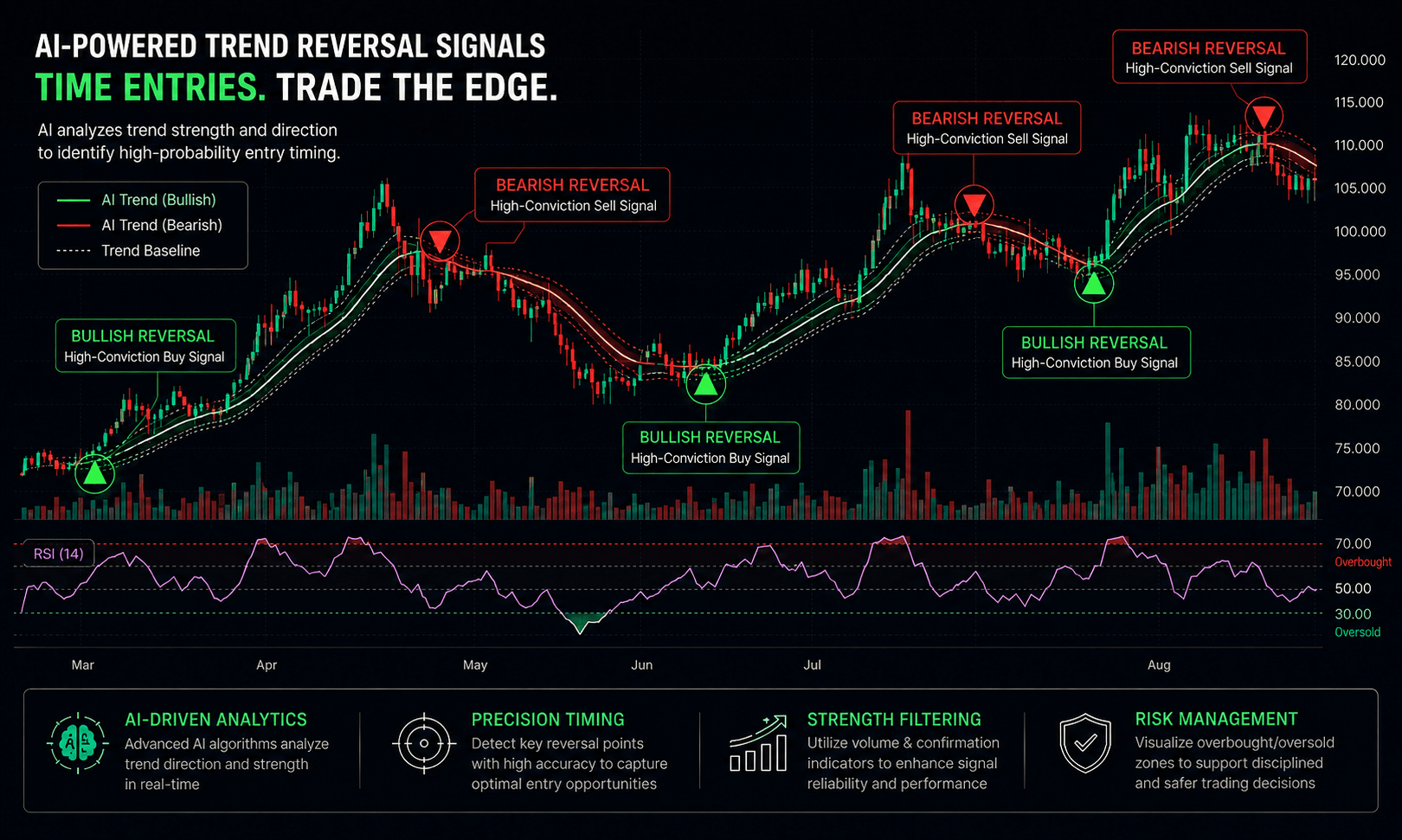
Bull Wave / Bear Wave Forecast Model
Engineered to help you read market direction and momentum faster than the crowd.
- Instantly separate bullish momentum from bearish pressure
- Pinpoint high-probability entry zones with confidence
- Chart signals clear enough for beginners, sharp enough for pros
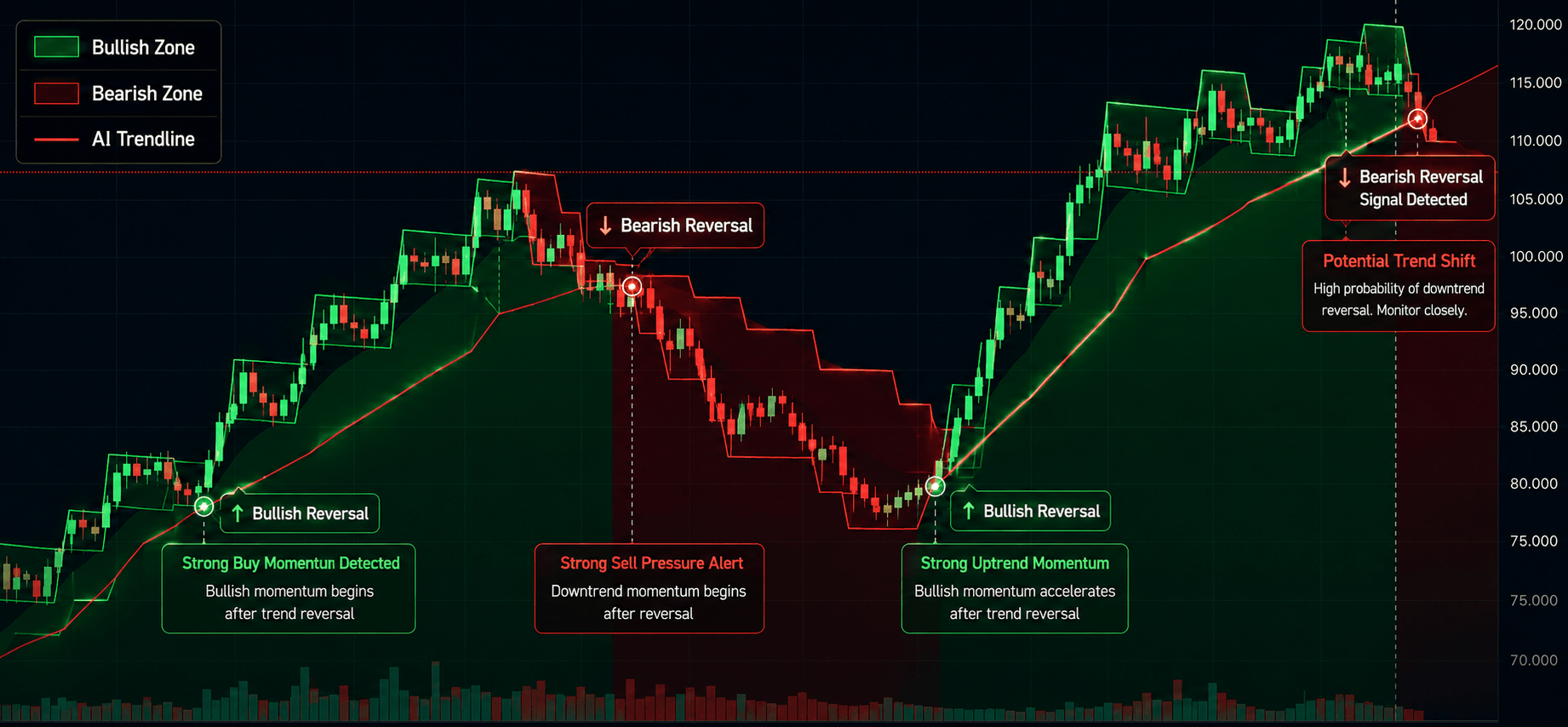
Winning Pattern Detection
Instantly surfaces the high-probability setups that repeat across the charts — a trusted edge for timing your entries and exits.
- Spot momentum building in real time
- Catch trend-reversal points before they break
- Built for active traders who need results, not theory

AI Live Economic Dashboard
AI analyzes real-time market data — turning complex, global investment flows into clear insight in seconds.
- Track global stock markets in real time
- See exactly which assets are strong — and which are fading
- Watch how geopolitical events move the markets
About the Author