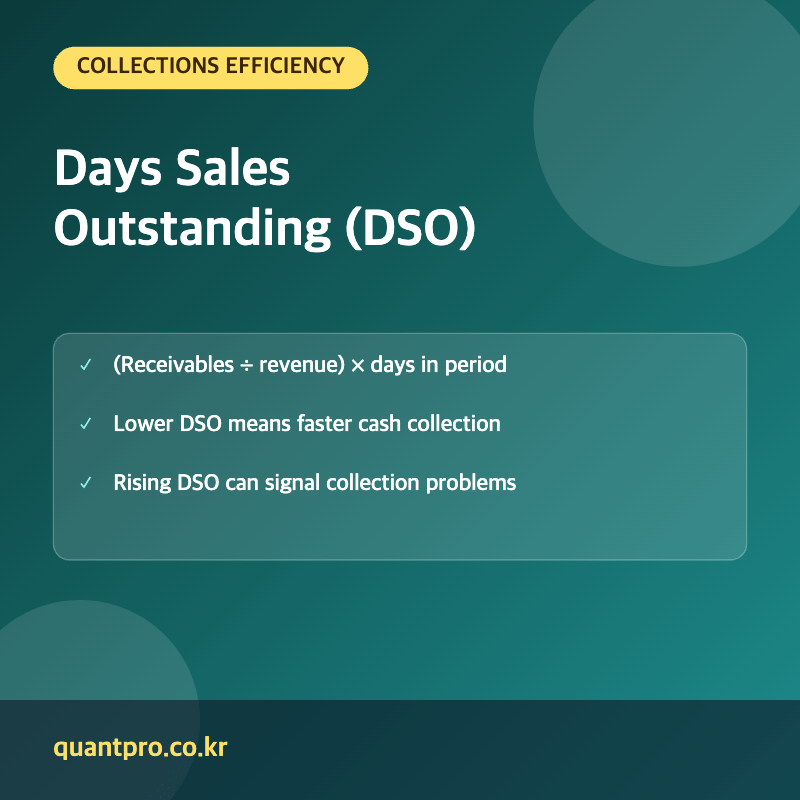
What Is Days Sales Outstanding (DSO)?
Days Sales Outstanding (DSO) measures the average number of days it takes a company to collect payment after a sale has been made on credit. The formula is (Accounts Receivable ÷ Total Credit Sales) × Number of Days in the Period, and a lower DSO indicates a company collects cash from customers more quickly.
DSO is a key indicator of how effectively a company manages its credit and collections processes, directly affecting cash flow and working capital availability for day-to-day operations.
Why DSO Matters
A rising DSO over time can signal that customers are taking longer to pay, credit policies have loosened, or collection efforts have weakened — all of which tie up more cash in accounts receivable and can strain a company’s liquidity. A falling DSO generally reflects improving collections efficiency or tighter credit terms.
DSO as Part of the Cash Conversion Cycle
DSO is one of the three components of the cash conversion cycle, alongside days inventory outstanding and days payable outstanding. Reducing DSO directly shortens the cash conversion cycle, freeing up cash more quickly for reinvestment or other uses.
| DSO Trend | General Interpretation | Potential Concern |
|---|---|---|
| Declining DSO | Faster collections, improving cash flow | Could reflect overly strict credit terms limiting sales |
| Stable DSO | Consistent collections process | Generally viewed as healthy if in line with industry norms |
| Rising DSO | Slower collections, cash tied up longer | May signal weakening customer credit quality or lax collections |
Frequently Asked Questions
What causes DSO to increase?
A loosening of credit policies to boost sales, weaker collections processes, or customers experiencing their own financial difficulties can all cause DSO to rise over time.
Is a very low DSO always good?
Not necessarily — an extremely low DSO paired with declining sales growth might indicate overly strict credit terms that are limiting the customer base or discouraging otherwise creditworthy buyers.
How does DSO differ across industries?
Industries with standard net-30 or net-60 payment terms, like manufacturing and wholesale distribution, typically show higher DSO than cash-heavy businesses like retail, so comparisons are most meaningful within the same industry.
Where can I find the data to calculate DSO?
Accounts receivable is found on the balance sheet, and credit sales (or total revenue as an approximation) is found on the income statement — both needed to calculate DSO directly, or the metric may be available via financial research platforms.
Key Takeaways
Days Sales Outstanding measures how quickly a company collects cash from credit sales, with a rising trend often signaling collections or credit-quality issues, and it forms a key component of the broader cash conversion cycle. This article is for informational purposes only and does not constitute investment advice.

QuantPro: AI Finds the Trade Before You Do
From AI-powered chart analysis to real-time market intelligence — everything a serious investor needs, in one platform.
- Automated AI chart analysis with precision trend timing
- Bull Radar: real-time visualization of geopolitical & economic shifts
- Live market-moving news and insights, curated for you
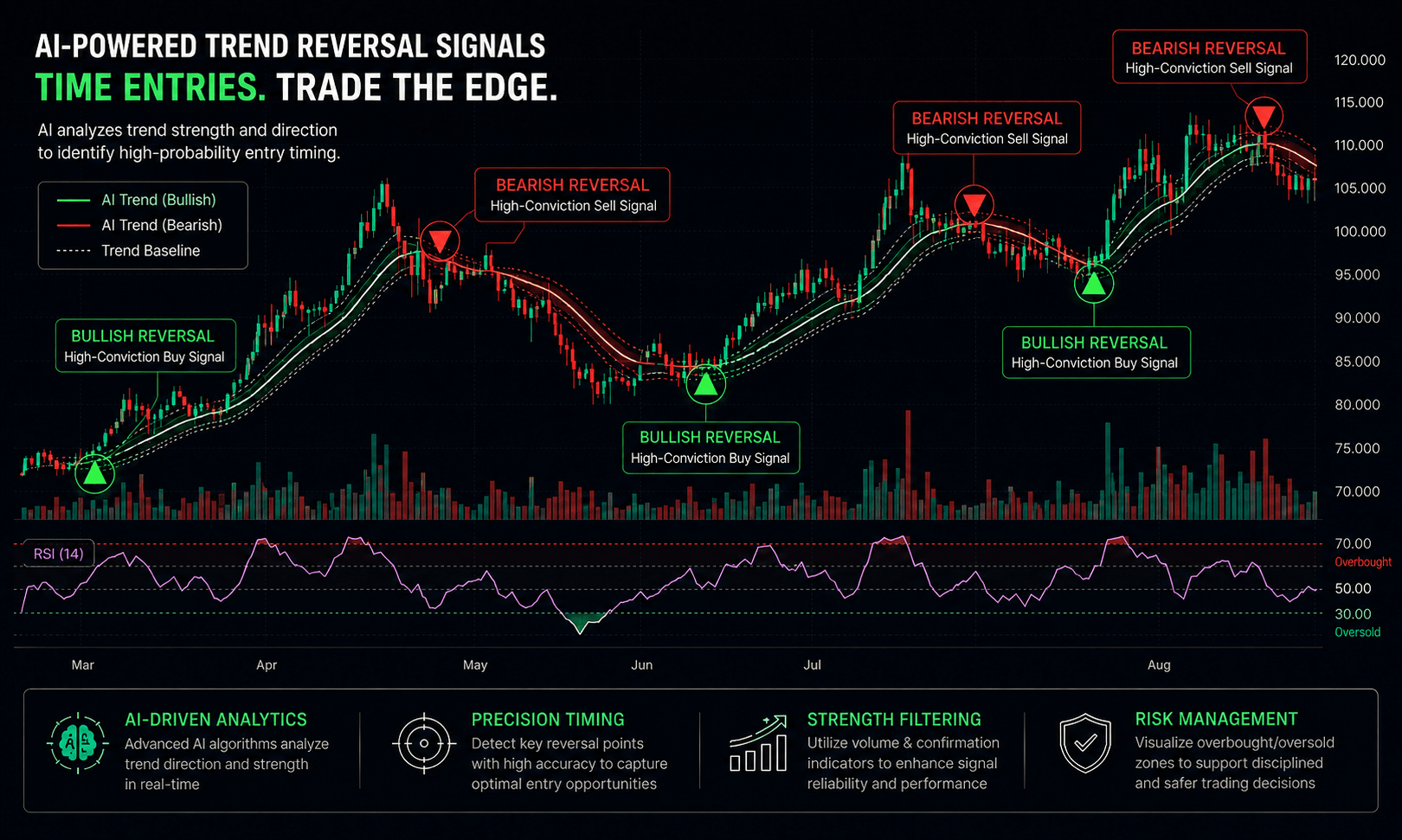
Bull Wave / Bear Wave Forecast Model
Engineered to help you read market direction and momentum faster than the crowd.
- Instantly separate bullish momentum from bearish pressure
- Pinpoint high-probability entry zones with confidence
- Chart signals clear enough for beginners, sharp enough for pros
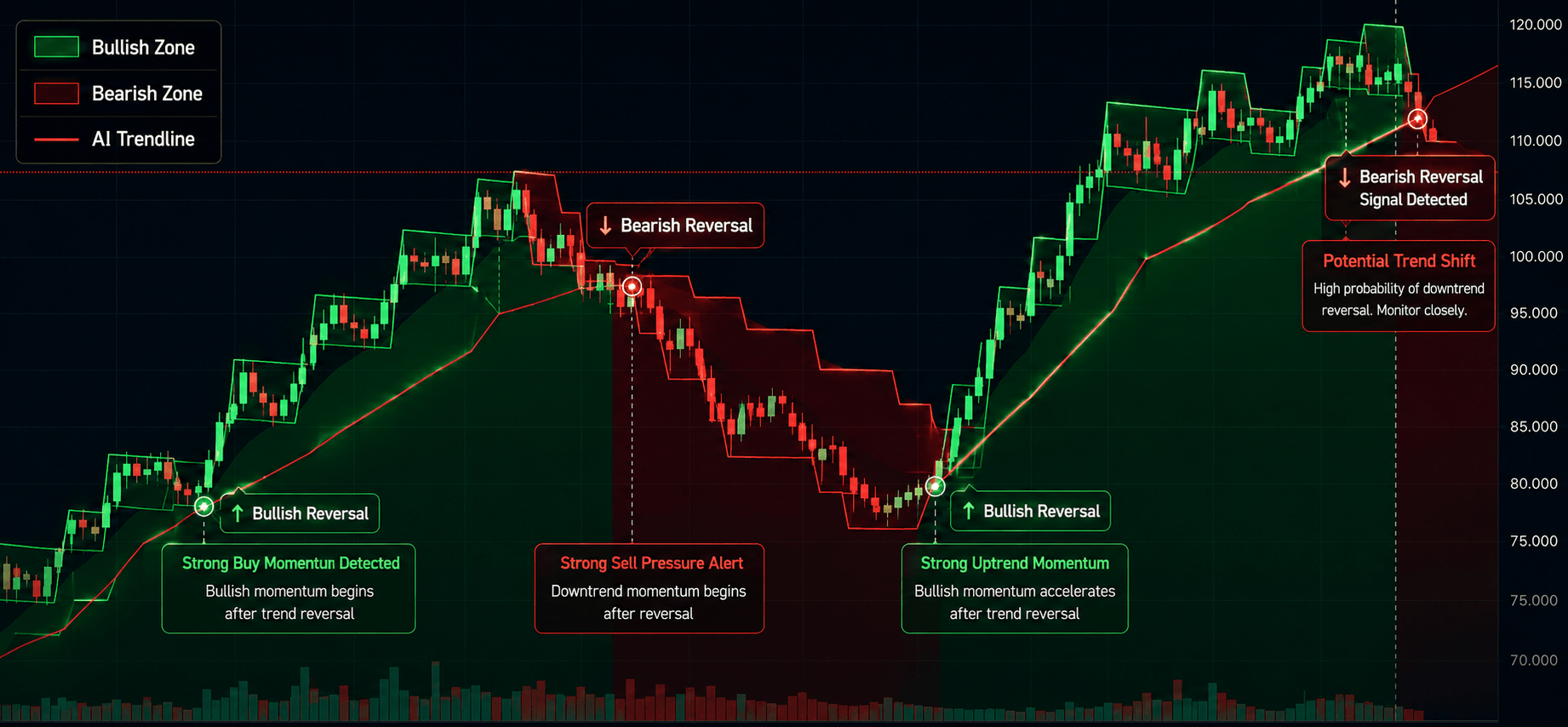
Winning Pattern Detection
Instantly surfaces the high-probability setups that repeat across the charts — a trusted edge for timing your entries and exits.
- Spot momentum building in real time
- Catch trend-reversal points before they break
- Built for active traders who need results, not theory

AI Live Economic Dashboard
AI analyzes real-time market data — turning complex, global investment flows into clear insight in seconds.
- Track global stock markets in real time
- See exactly which assets are strong — and which are fading
- Watch how geopolitical events move the markets
About the Author