What Is the Equity Multiplier?
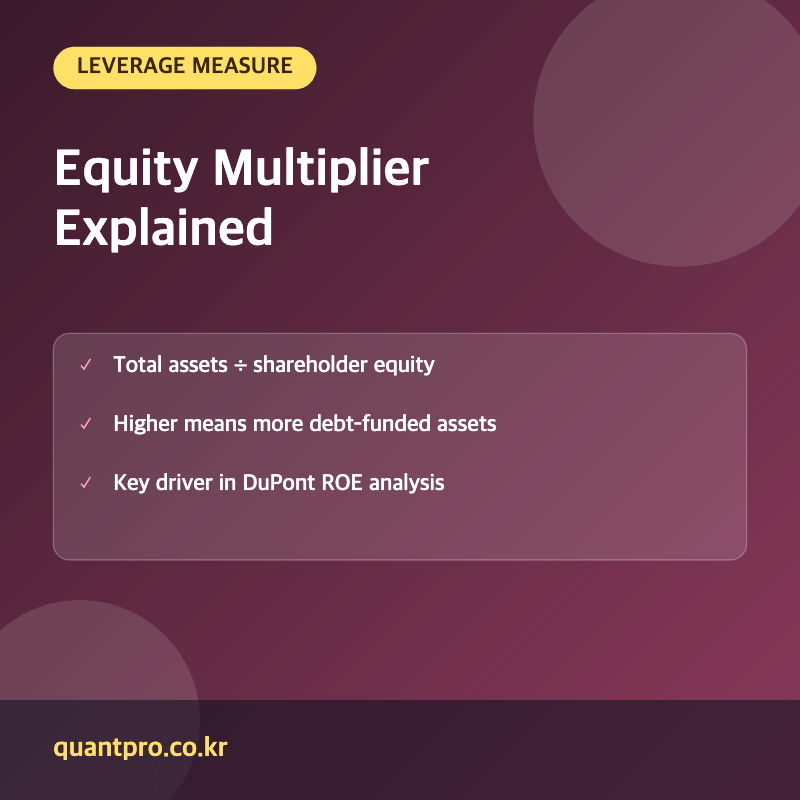
The equity multiplier is a financial leverage ratio that measures how much of a company’s total assets are financed by shareholder equity versus debt. The formula is Total Assets ÷ Total Shareholder Equity, and a higher multiplier indicates a company relies more heavily on debt financing relative to equity.
For example, an equity multiplier of 2.5 means a company’s total assets are 2.5 times its shareholder equity, implying that debt and other liabilities fund the remaining 1.5 times of the asset base beyond what equity alone covers.
Role in DuPont Analysis
The equity multiplier is one of the three components in DuPont analysis, where ROE is decomposed into net profit margin × asset turnover × equity multiplier. This breakdown helps investors see whether a high ROE stems from genuine operational efficiency or simply from aggressive use of financial leverage.
Why the Equity Multiplier Matters
A rising equity multiplier can boost ROE without any improvement in actual business performance, since more debt financing amplifies returns to equity holders — but it also increases financial risk, as higher leverage means greater exposure to fixed interest obligations and financial distress during downturns.
| Equity Multiplier Level | General Interpretation | Key Risk Consideration |
|---|---|---|
| Low (near 1.0–1.5) | Conservative capital structure, low debt reliance | Lower financial risk, potentially lower ROE |
| Moderate (1.5–3.0) | Balanced use of debt and equity financing | Typical for many established companies |
| High (above 3.0) | Heavy reliance on debt financing | Higher financial risk, ROE sensitive to leverage |
Frequently Asked Questions
Is a high equity multiplier always risky?
Not necessarily on its own, but a high equity multiplier combined with weak or volatile cash flows increases financial risk significantly, so it should be evaluated alongside interest coverage and cash flow stability.
How does the equity multiplier relate to the debt-to-equity ratio?
Both measure financial leverage, but the equity multiplier compares total assets to equity, while the debt-to-equity ratio compares total debt directly to equity — the two are mathematically related and often move in the same direction.
Can two companies have the same ROE but different equity multipliers?
Yes, this is common — one company might achieve high ROE through strong profit margins and asset efficiency, while another achieves a similar ROE mainly through heavier use of financial leverage, which DuPont analysis helps distinguish.
What is considered a normal equity multiplier?
This varies significantly by industry — banks and financial institutions typically operate with very high equity multipliers as part of their business model, while many non-financial companies maintain more moderate levels.
Key Takeaways
The equity multiplier measures how much of a company’s assets are financed by debt versus equity, serves as a key component of DuPont ROE analysis, and should be interpreted alongside profitability and cash flow metrics to assess true financial health. This article is for informational purposes only and does not constitute investment advice.

QuantPro: AI Finds the Trade Before You Do
From AI-powered chart analysis to real-time market intelligence — everything a serious investor needs, in one platform.
- Automated AI chart analysis with precision trend timing
- Bull Radar: real-time visualization of geopolitical & economic shifts
- Live market-moving news and insights, curated for you
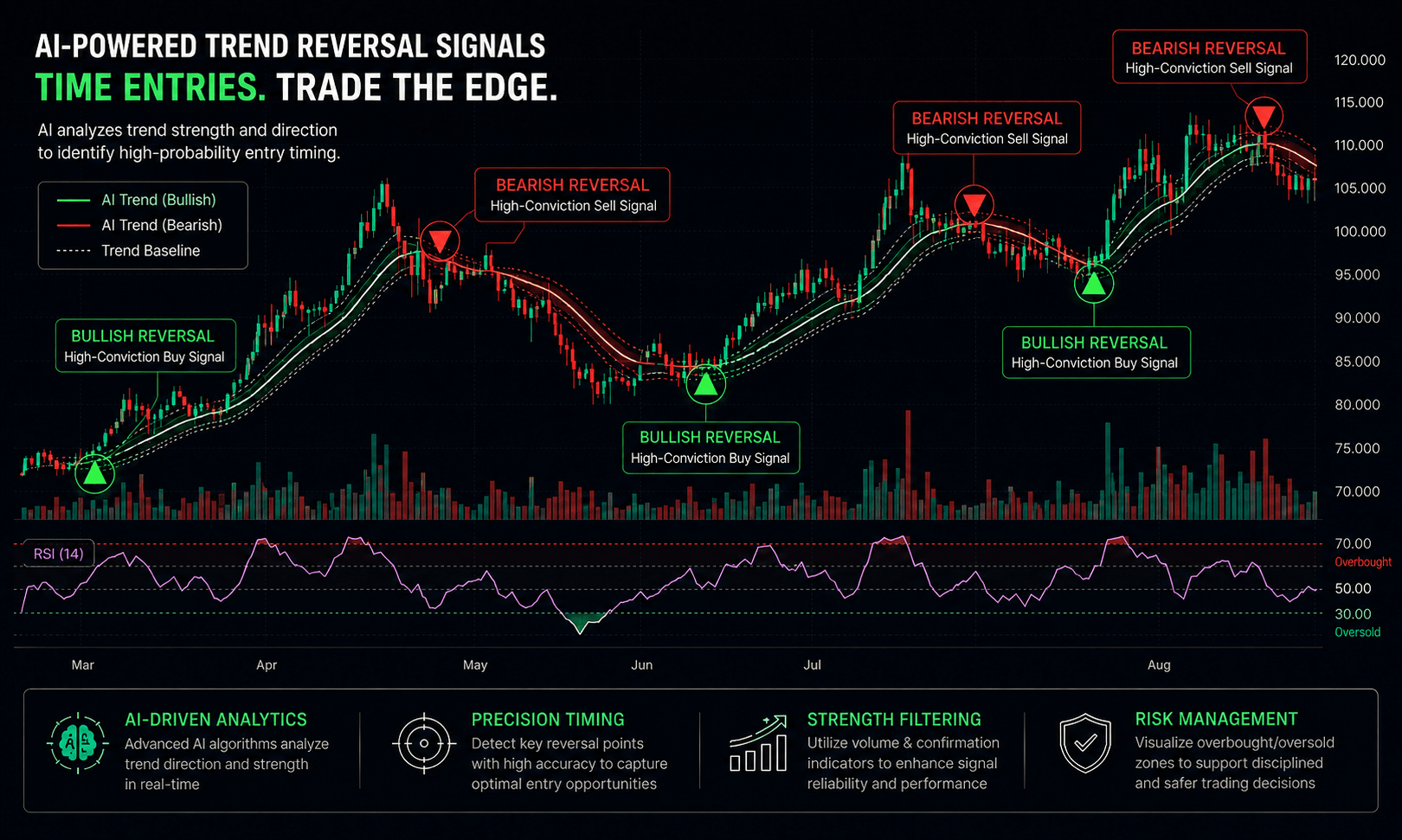
Bull Wave / Bear Wave Forecast Model
Engineered to help you read market direction and momentum faster than the crowd.
- Instantly separate bullish momentum from bearish pressure
- Pinpoint high-probability entry zones with confidence
- Chart signals clear enough for beginners, sharp enough for pros
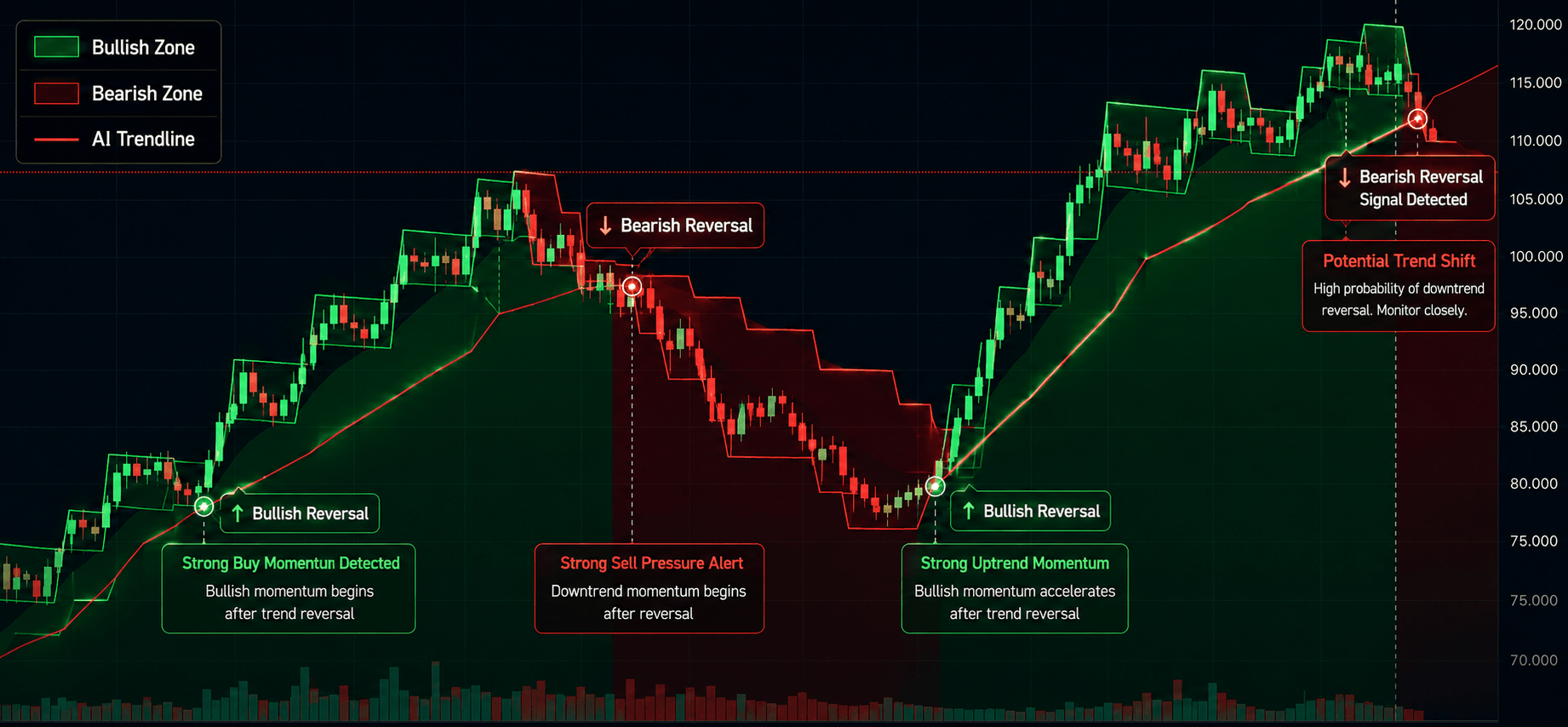
Winning Pattern Detection
Instantly surfaces the high-probability setups that repeat across the charts — a trusted edge for timing your entries and exits.
- Spot momentum building in real time
- Catch trend-reversal points before they break
- Built for active traders who need results, not theory

AI Live Economic Dashboard
AI analyzes real-time market data — turning complex, global investment flows into clear insight in seconds.
- Track global stock markets in real time
- See exactly which assets are strong — and which are fading
- Watch how geopolitical events move the markets
About the Author