What Is Operating Leverage?
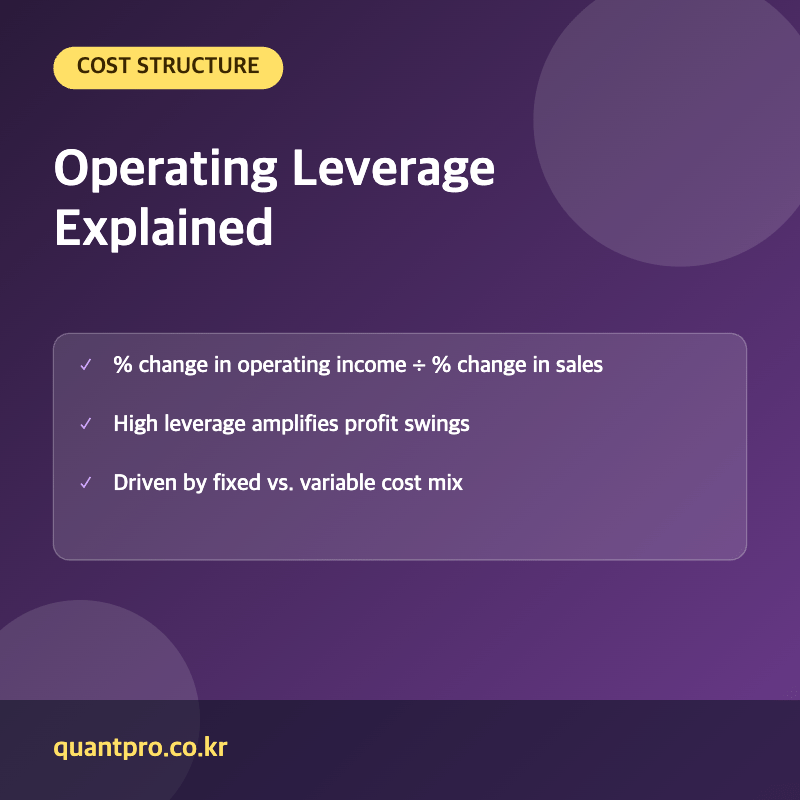
Operating leverage measures how sensitive a company’s operating income is to changes in sales, driven by the proportion of fixed costs versus variable costs in its cost structure. The degree of operating leverage (DOL) is calculated as the percentage change in operating income divided by the percentage change in sales.
Companies with a high proportion of fixed costs — such as heavy manufacturers or airlines — tend to have high operating leverage, meaning small changes in sales can produce disproportionately large swings in operating income, in both directions.
High vs. Low Operating Leverage
A company with high operating leverage benefits significantly from rising sales, since fixed costs are spread over a larger revenue base, boosting profit margins rapidly. However, the same structure works against the company during a downturn, as fixed costs remain regardless of falling sales, causing operating income to decline sharply.
Operating Leverage and Business Risk
High operating leverage generally increases a company’s business risk, since earnings become more volatile and sensitive to economic cycles. Companies with low operating leverage, relying more on variable costs, tend to have steadier profit margins across different sales levels, trading off some upside potential for greater stability.
| Cost Structure | Operating Leverage Level | Earnings Behavior |
|---|---|---|
| High fixed costs (e.g., airlines, heavy manufacturing) | High | Profit swings sharply with sales changes |
| Balanced fixed/variable costs | Moderate | Moderate earnings sensitivity to sales |
| High variable costs (e.g., staffing agencies, retail) | Low | More stable profit margins across sales levels |
Frequently Asked Questions
Is high operating leverage always risky?
High operating leverage amplifies both gains during sales growth and losses during downturns, so whether it is risky depends on the predictability of a company’s sales — stable, growing sales make high leverage advantageous, while volatile sales make it dangerous.
How can a company reduce its operating leverage?
Shifting from fixed costs to variable costs — for example, outsourcing production or using flexible staffing instead of large fixed payrolls — can reduce operating leverage and smooth out earnings volatility.
How does operating leverage relate to financial leverage?
Operating leverage stems from a company’s cost structure (fixed vs. variable costs), while financial leverage stems from its use of debt financing — together, the two combine to determine how much a company’s earnings per share fluctuates relative to changes in sales.
What industries typically have high operating leverage?
Capital-intensive industries with large upfront fixed investments, such as airlines, semiconductor manufacturing, and telecommunications, typically exhibit high operating leverage due to their heavy fixed-cost bases.
Key Takeaways
Operating leverage measures how sensitive a company’s operating income is to changes in sales based on its fixed versus variable cost structure, amplifying both gains during growth and losses during downturns. This article is for informational purposes only and does not constitute investment advice.

QuantPro: AI Finds the Trade Before You Do
From AI-powered chart analysis to real-time market intelligence — everything a serious investor needs, in one platform.
- Automated AI chart analysis with precision trend timing
- Bull Radar: real-time visualization of geopolitical & economic shifts
- Live market-moving news and insights, curated for you
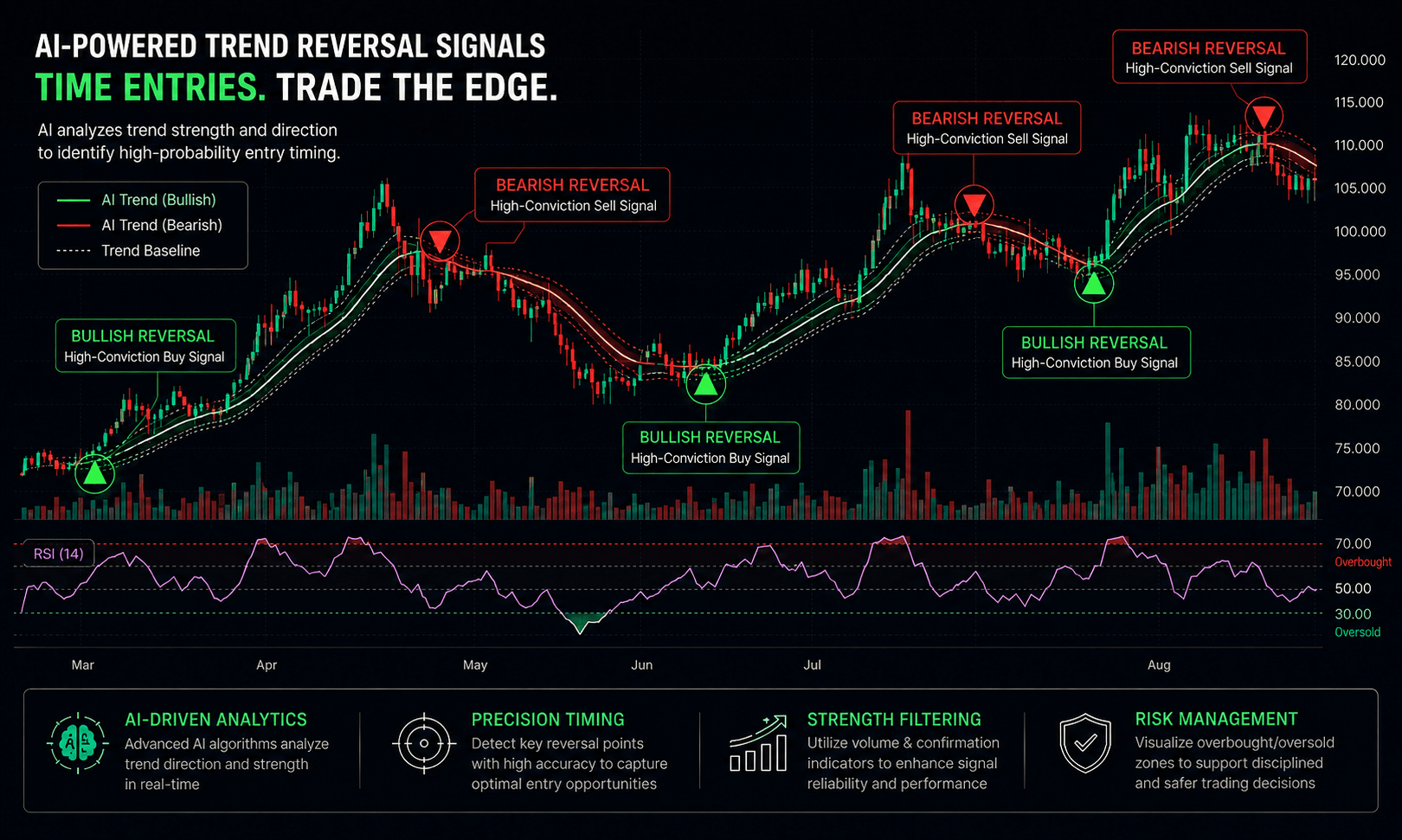
Bull Wave / Bear Wave Forecast Model
Engineered to help you read market direction and momentum faster than the crowd.
- Instantly separate bullish momentum from bearish pressure
- Pinpoint high-probability entry zones with confidence
- Chart signals clear enough for beginners, sharp enough for pros
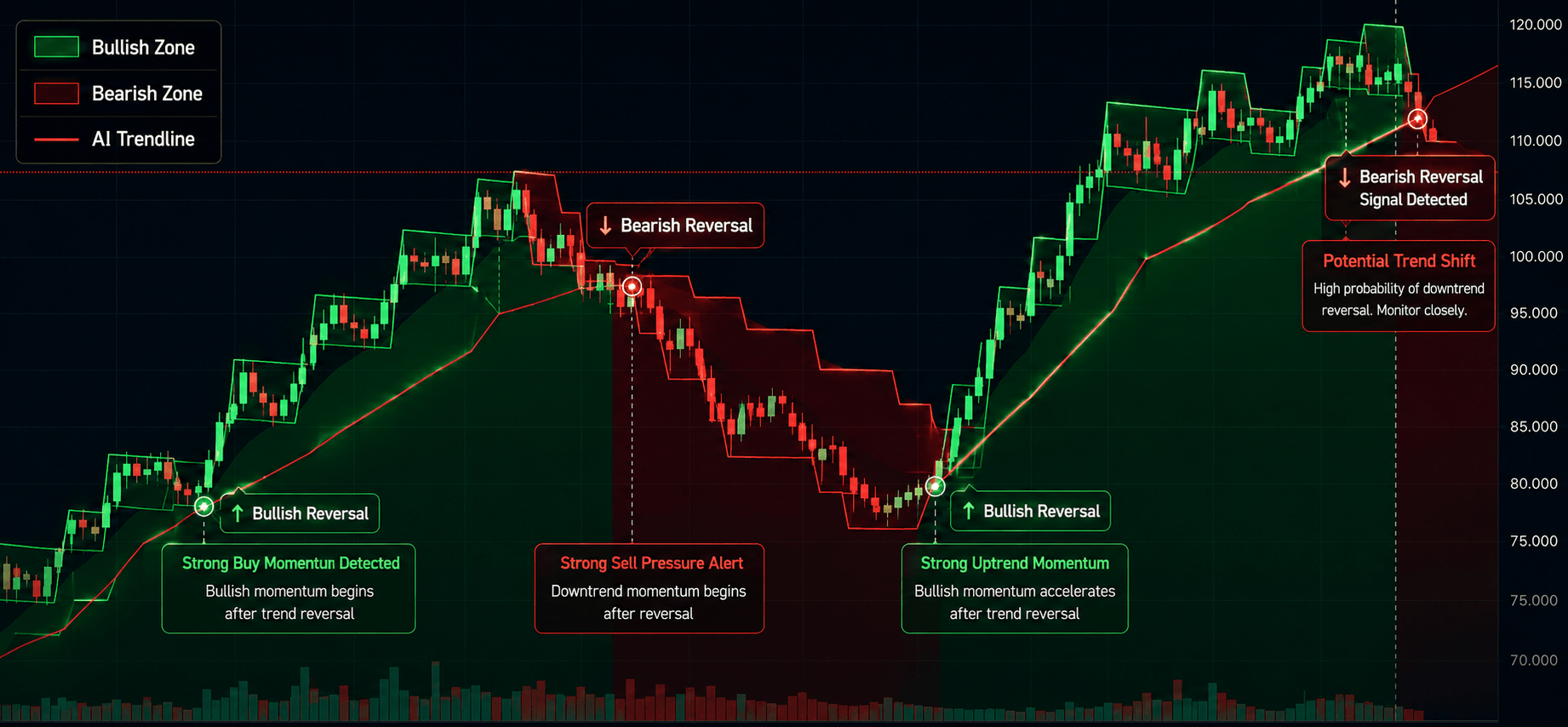
Winning Pattern Detection
Instantly surfaces the high-probability setups that repeat across the charts — a trusted edge for timing your entries and exits.
- Spot momentum building in real time
- Catch trend-reversal points before they break
- Built for active traders who need results, not theory

AI Live Economic Dashboard
AI analyzes real-time market data — turning complex, global investment flows into clear insight in seconds.
- Track global stock markets in real time
- See exactly which assets are strong — and which are fading
- Watch how geopolitical events move the markets
About the Author