What Is Dividend Yield?
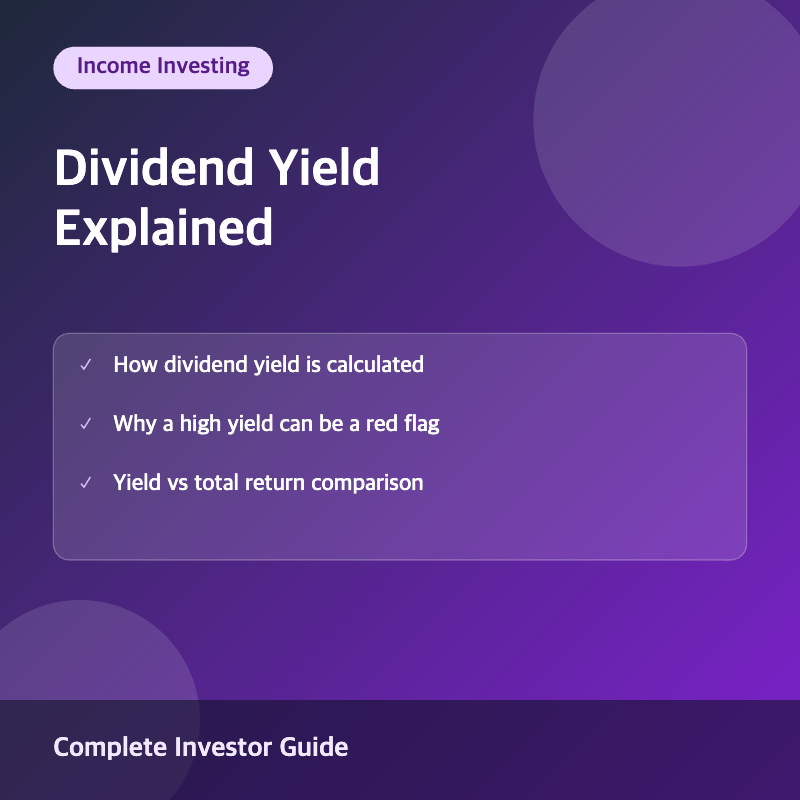
Dividend yield is a financial ratio that shows how much a company pays out in dividends each year relative to its share price, expressed as a percentage. It is a key metric for income-focused investors evaluating how much cash return they can expect from a stock investment relative to its cost.
How Dividend Yield Is Calculated
The formula for dividend yield is: Annual Dividends Per Share ÷ Current Share Price × 100. For example, a stock trading at $50 per share that pays $2 in annual dividends has a dividend yield of 4% ($2 ÷ $50 × 100).
Forward vs Trailing Dividend Yield
Trailing dividend yield is calculated using the dividends actually paid over the past 12 months, while forward dividend yield uses the company’s most recently announced dividend rate annualized going forward, which can differ if a dividend increase or cut is expected.
Dividend Yield Example Comparison
| Company | Share Price | Annual Dividend | Dividend Yield |
|---|---|---|---|
| Company A | $100 | $2.00 | 2.0% |
| Company B | $50 | $3.00 | 6.0% |
| Company C | $200 | $1.00 | 0.5% |
| Company D | $25 | $2.50 | 10.0% |
Why a High Dividend Yield Isn’t Always Good
The Yield Trap
A dividend yield can rise sharply if a stock’s price falls significantly rather than because the company increased its dividend, creating what is known as a “yield trap” — an unusually high yield that signals financial distress and potential dividend cuts rather than an attractive opportunity.
Assessing Dividend Sustainability
Investors should examine a company’s payout ratio (dividends paid as a percentage of earnings) alongside dividend yield, since a payout ratio consistently above 100% suggests the company may be paying out more than it earns, raising sustainability concerns.
Dividend Yield vs Total Return
Understanding the Bigger Picture
Dividend yield only captures cash income and ignores share price appreciation or depreciation, so a stock with a low dividend yield but strong capital gains could still outperform a high-yield stock with a declining share price on a total return basis.
Balancing Yield and Growth
Some investors prefer dividend growth stocks — companies that consistently increase their dividend over time even if the current yield is modest — over high current-yield stocks, betting on rising future income and the possibility of stronger long-term total returns.
Frequently Asked Questions
What is considered a good dividend yield?
There is no universal benchmark, but yields in the broader market have often ranged between roughly 1.5% and 4% for established large-cap companies, with figures well above that range warranting closer scrutiny of the company’s financial health.
Can dividend yield change without a dividend cut?
Yes. Because dividend yield is calculated relative to share price, it fluctuates daily even if the dividend payment itself stays exactly the same, simply because the stock price moves up or down.
Do all stocks pay dividends?
No. Many companies, particularly younger growth-oriented businesses, choose to reinvest all profits back into the business rather than pay dividends, meaning their dividend yield is effectively 0%.
How often are dividends typically paid?
In the United States, most dividend-paying companies distribute dividends quarterly, though some pay monthly, semi-annually, or annually, and international companies often follow different regional conventions such as semi-annual payments.
Key Takeaways
Dividend yield measures a stock’s annual dividend payment relative to its share price, providing a useful snapshot of income potential, but an unusually high yield can signal financial trouble rather than opportunity. Investors should evaluate dividend sustainability through the payout ratio and consider total return, not yield alone, when comparing dividend-paying investments. This article is for informational purposes only and does not constitute investment advice.

QuantPro: AI Finds the Trade Before You Do
From AI-powered chart analysis to real-time market intelligence — everything a serious investor needs, in one platform.
- Automated AI chart analysis with precision trend timing
- Bull Radar: real-time visualization of geopolitical & economic shifts
- Live market-moving news and insights, curated for you
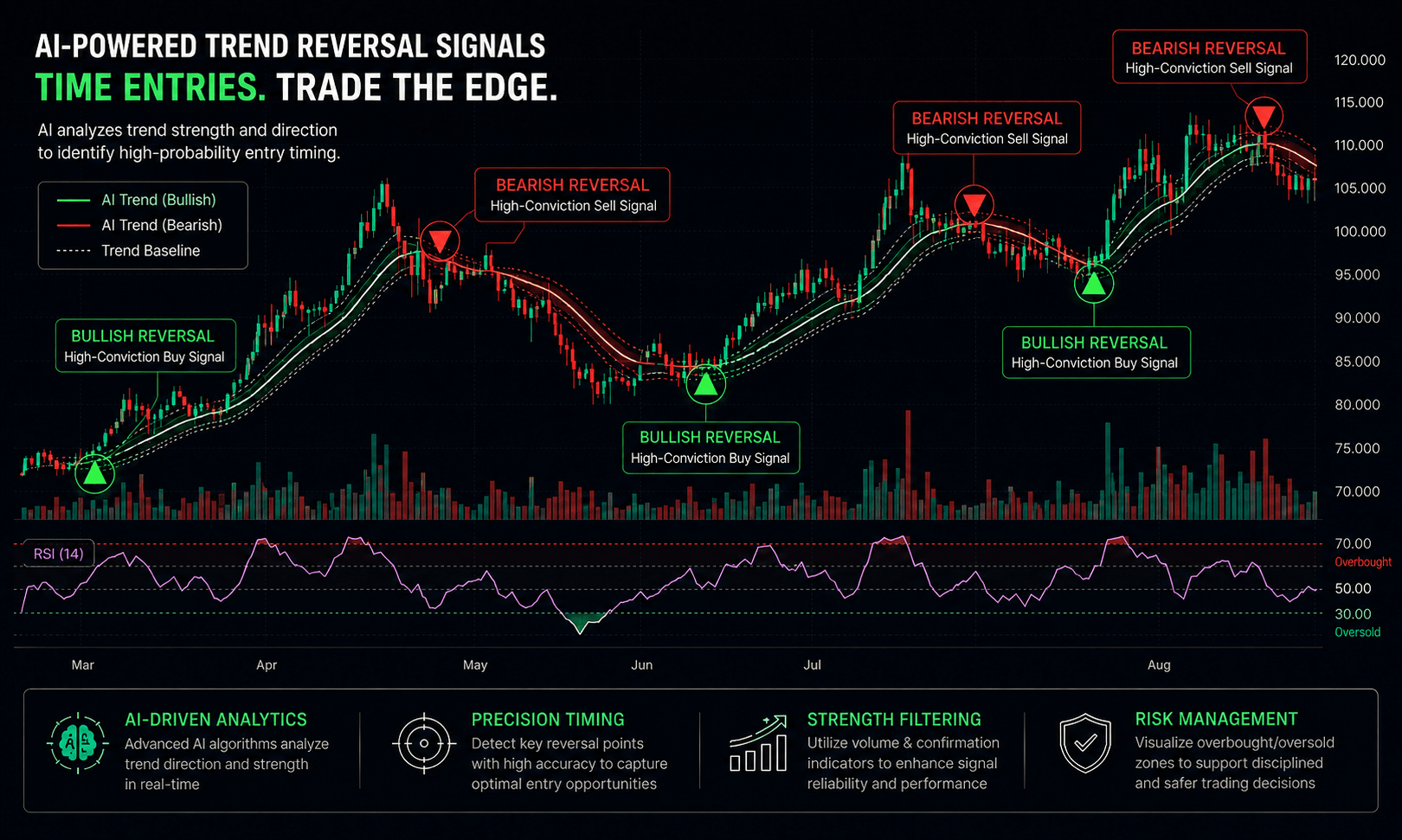
Bull Wave / Bear Wave Forecast Model
Engineered to help you read market direction and momentum faster than the crowd.
- Instantly separate bullish momentum from bearish pressure
- Pinpoint high-probability entry zones with confidence
- Chart signals clear enough for beginners, sharp enough for pros
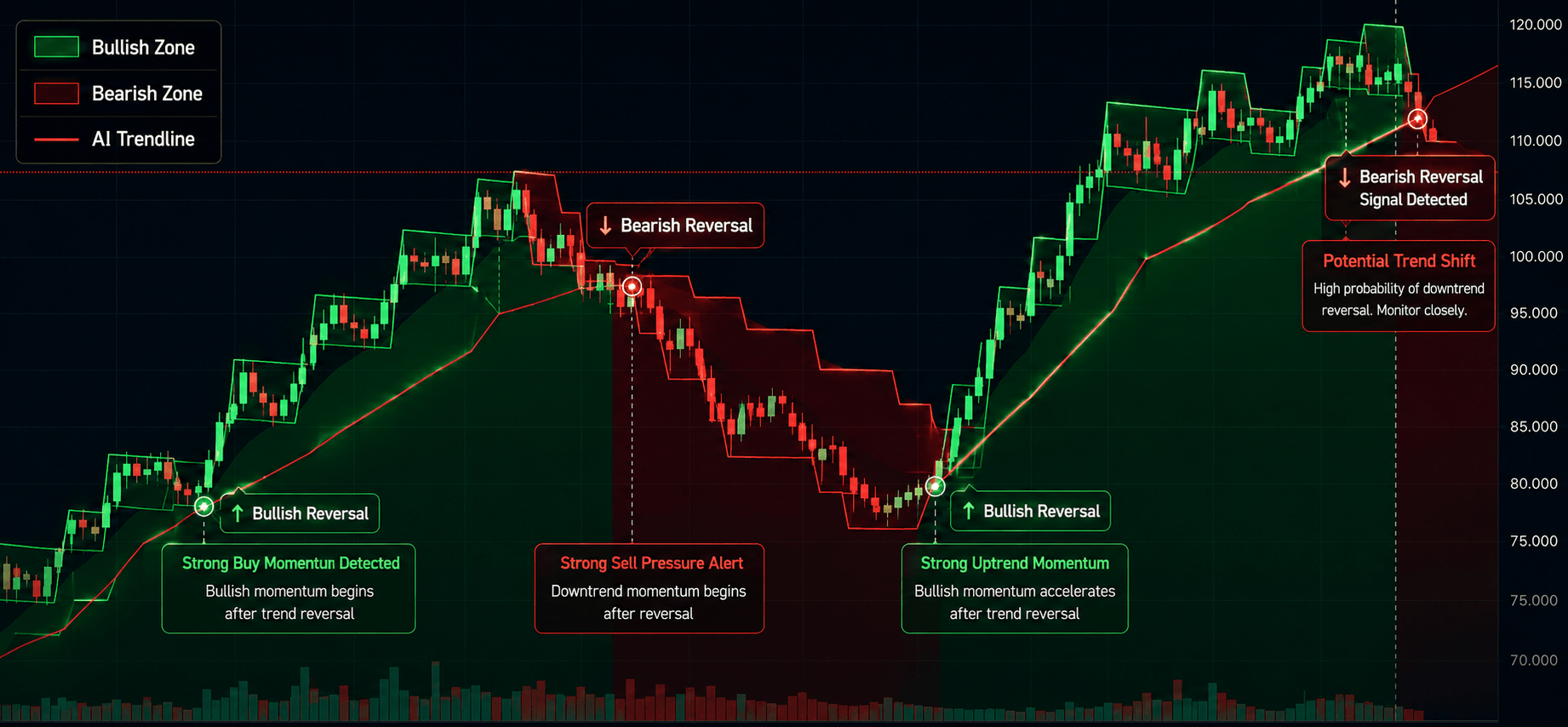
Winning Pattern Detection
Instantly surfaces the high-probability setups that repeat across the charts — a trusted edge for timing your entries and exits.
- Spot momentum building in real time
- Catch trend-reversal points before they break
- Built for active traders who need results, not theory
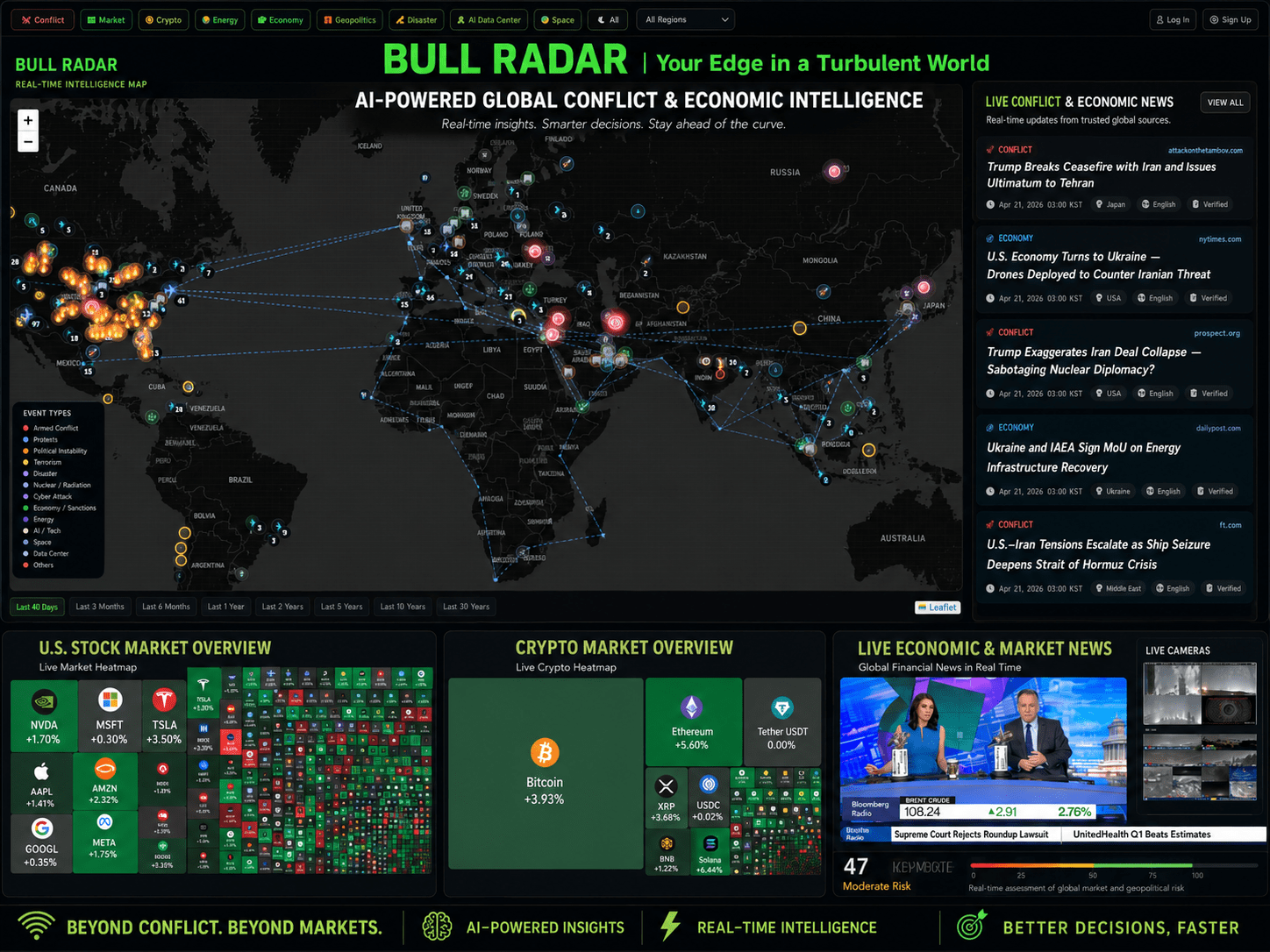
AI Live Economic Dashboard
AI analyzes real-time market data — turning complex, global investment flows into clear insight in seconds.
- Track global stock markets in real time
- See exactly which assets are strong — and which are fading
- Watch how geopolitical events move the markets
About the Author