What Is an Index Fund?
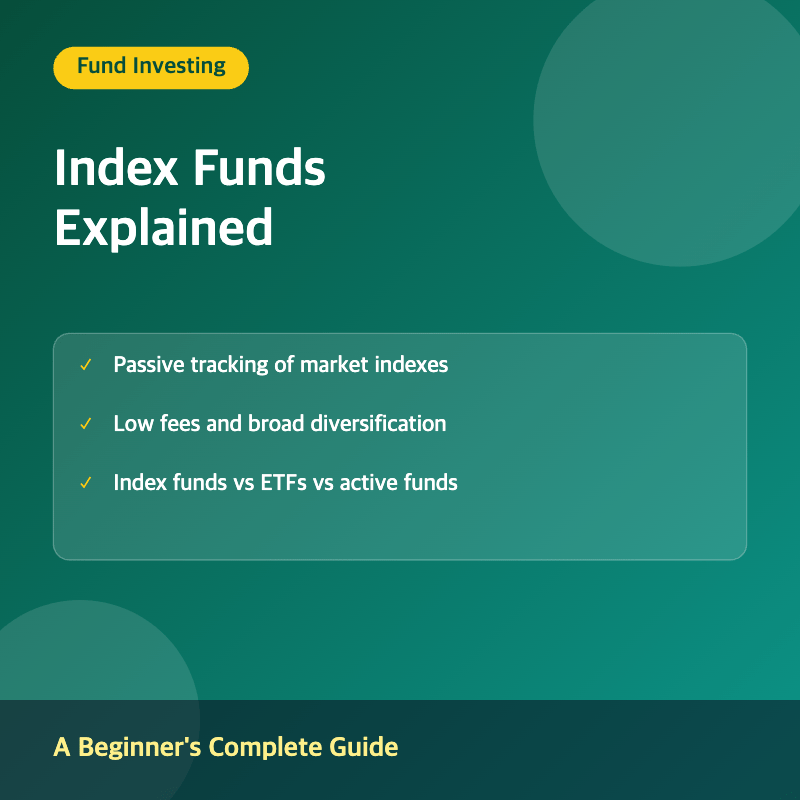
An index fund is a type of mutual fund or exchange-traded fund designed to track the performance of a specific market index, such as the S&P 500, by holding the same securities in the same proportions as that index. Rather than trying to beat the market, an index fund aims to match its return through passive management.
How Index Funds Are Constructed
Most index funds use full replication, holding every security in the target index at matching weights, or a sampling approach that holds a representative subset of securities to approximate the index’s performance while reducing trading costs. An S&P 500 index fund, for example, holds shares of all 500 companies in the index proportional to their market weight.
Index Funds vs Actively Managed Funds
Actively managed funds employ portfolio managers who select securities aiming to outperform a benchmark, while index funds simply replicate that benchmark. Decades of research show that the majority of actively managed funds fail to beat their benchmark index over long time horizons after fees, which has fueled the growth of index investing.
Index Funds vs Active Funds vs ETFs Comparison
| Feature | Index Fund | Active Fund | ETF |
|---|---|---|---|
| Management style | Passive, tracks index | Active, seeks to beat index | Usually passive, tracks index |
| Expense ratio | Low (often 0.03%–0.20%) | High (often 0.5%–1.5%+) | Very low (often 0.03%–0.20%) |
| Trading | Once per day at NAV | Once per day at NAV | Real-time on an exchange |
| Diversification | High | Varies by fund | High |
| Tax efficiency | Generally good | Can trigger more capital gains | Generally excellent |
Advantages and Disadvantages of Index Funds
Key Advantages
Index funds offer broad diversification across an entire market or sector in a single investment, low management fees that compound favorably over long holding periods, and reduced manager-specific risk since there is no individual stock-picking decision to go wrong.
Key Disadvantages
Because index funds mirror their benchmark, they also fully participate in market downturns without any active attempt to limit losses, and investors cannot outperform the market since the fund is designed only to match it, not beat it.
How to Start Investing in Index Funds
Choosing a Broker and Fund
Most brokerage platforms and retirement accounts, such as employer-sponsored plans and IRAs, offer access to a wide range of index funds tracking domestic, international, bond, and sector-specific indexes, allowing investors to build a diversified portfolio suited to their goals.
Dollar-Cost Averaging Into Index Funds
Investing a fixed amount into an index fund on a regular schedule, known as dollar-cost averaging, smooths out the effect of market volatility over time and is a common long-term strategy for building wealth through consistent, disciplined contributions.
Frequently Asked Questions
Are index funds safe investments?
Index funds are diversified but not risk-free — they still fluctuate with the broader market and can lose value, especially over short time horizons. They are not insured like bank deposits, and investors should be prepared for market volatility.
What is tracking error in an index fund?
Tracking error measures the difference between an index fund’s actual returns and the returns of its target benchmark index, caused by fees, trading costs, and minor timing differences. Lower tracking error indicates the fund is replicating its index more precisely.
How much money do I need to start investing in index funds?
Many brokers now offer index funds and ETFs with no minimum investment or fractional share purchasing, making it possible to start investing in index funds with very small amounts of money.
Should beginners choose index funds or individual stocks?
Index funds are often recommended for beginners because they provide instant diversification and remove the need for individual stock analysis, reducing the risk associated with concentrated positions in a small number of companies.
Key Takeaways
Index funds passively track a market benchmark, offering broad diversification and low fees that make them a core building block for long-term investors. While they cannot outperform their underlying index, their consistent, low-cost approach has made them one of the most widely recommended investment vehicles for both beginner and experienced investors. This article is for informational purposes only and does not constitute investment advice.

QuantPro: AI Finds the Trade Before You Do
From AI-powered chart analysis to real-time market intelligence — everything a serious investor needs, in one platform.
- Automated AI chart analysis with precision trend timing
- Bull Radar: real-time visualization of geopolitical & economic shifts
- Live market-moving news and insights, curated for you
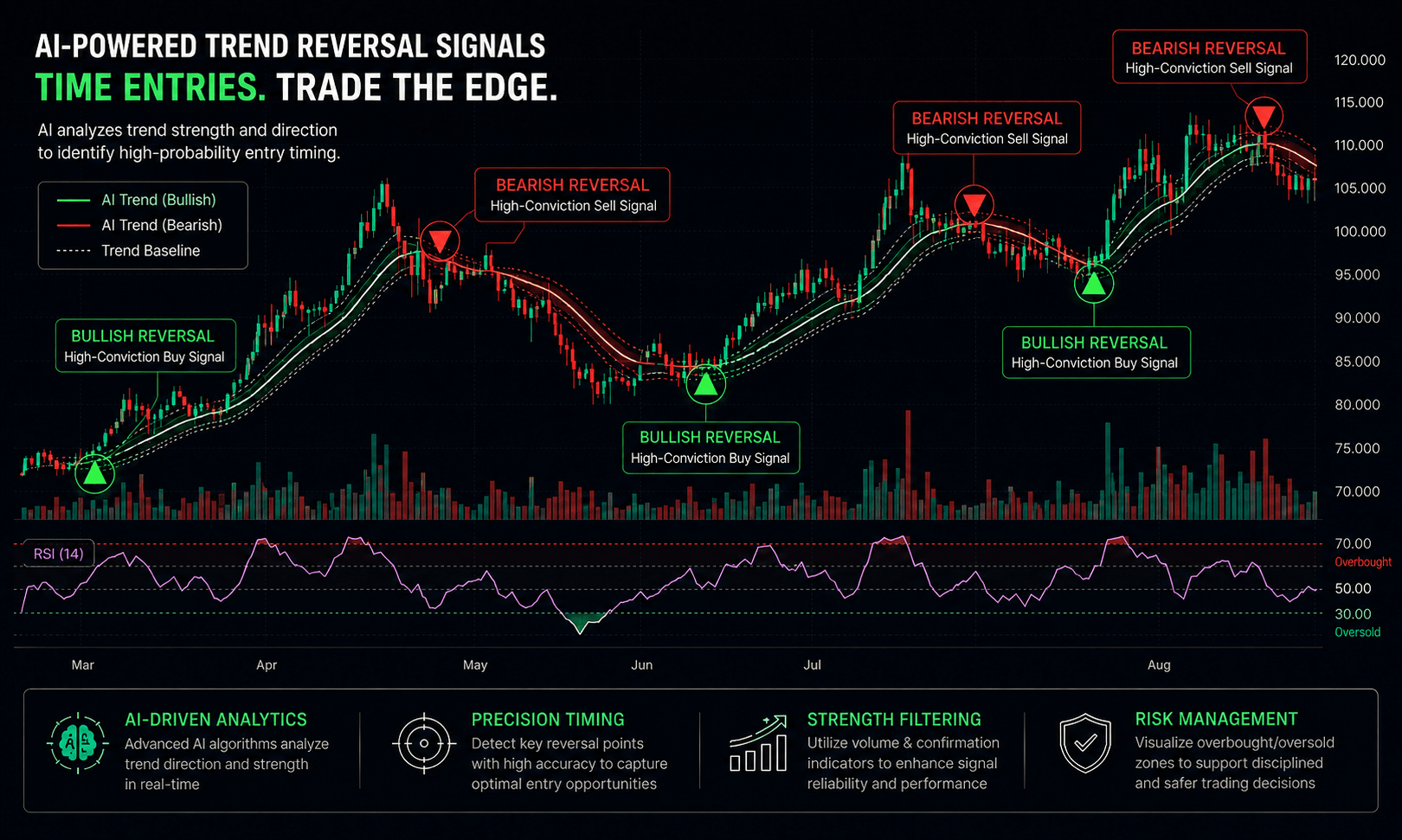
Bull Wave / Bear Wave Forecast Model
Engineered to help you read market direction and momentum faster than the crowd.
- Instantly separate bullish momentum from bearish pressure
- Pinpoint high-probability entry zones with confidence
- Chart signals clear enough for beginners, sharp enough for pros
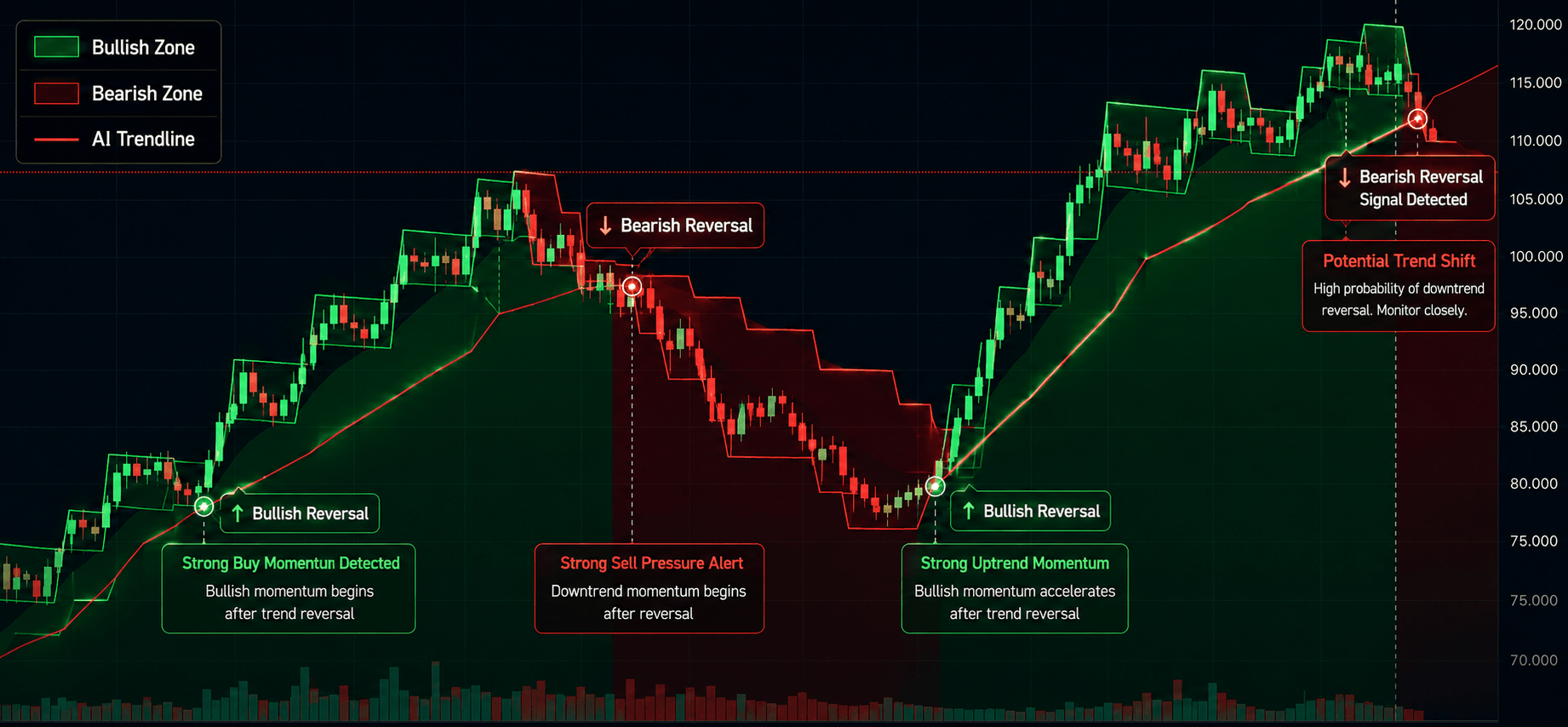
Winning Pattern Detection
Instantly surfaces the high-probability setups that repeat across the charts — a trusted edge for timing your entries and exits.
- Spot momentum building in real time
- Catch trend-reversal points before they break
- Built for active traders who need results, not theory
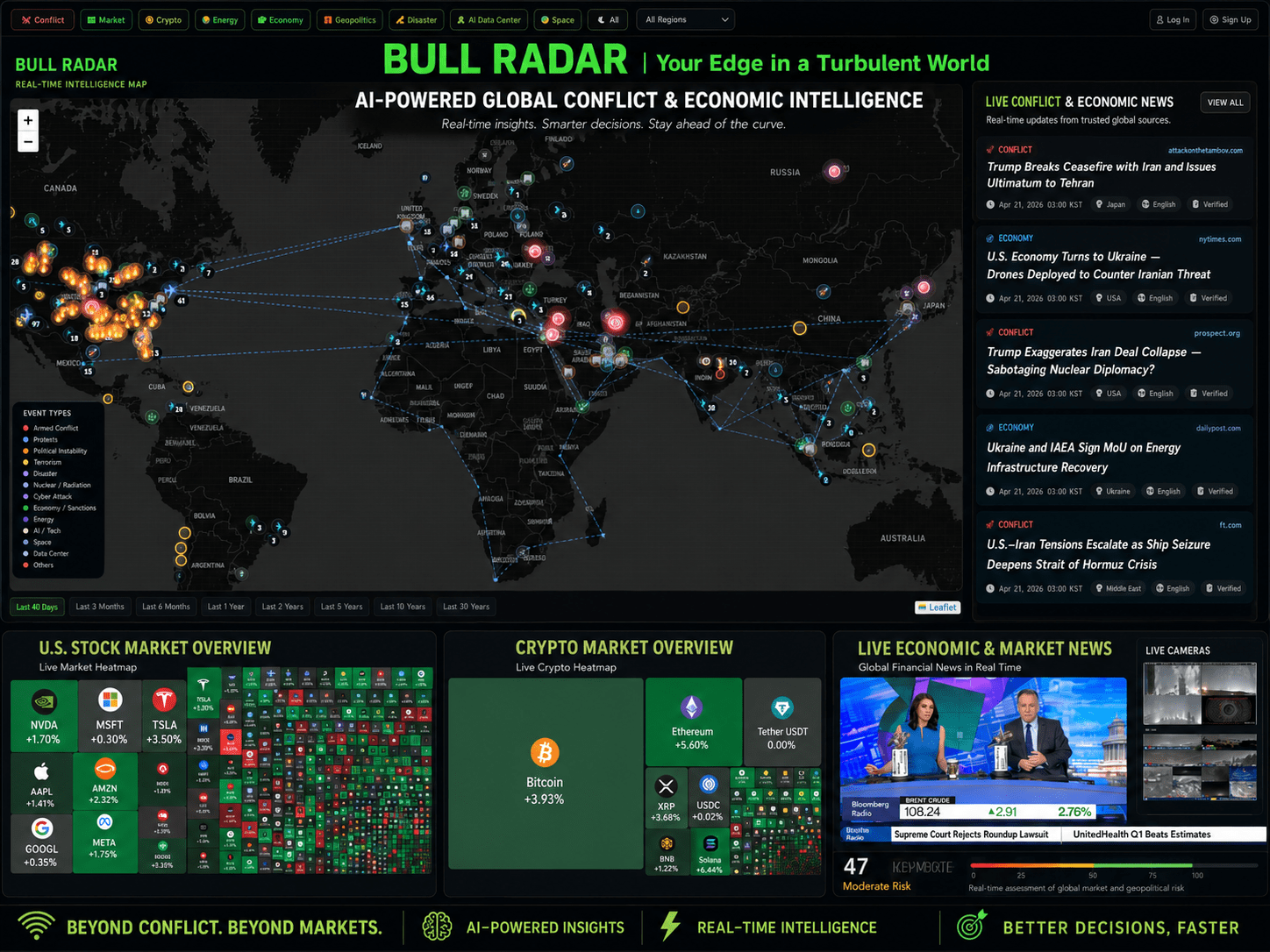
AI Live Economic Dashboard
AI analyzes real-time market data — turning complex, global investment flows into clear insight in seconds.
- Track global stock markets in real time
- See exactly which assets are strong — and which are fading
- Watch how geopolitical events move the markets
About the Author