What Is Book Value Per Share?
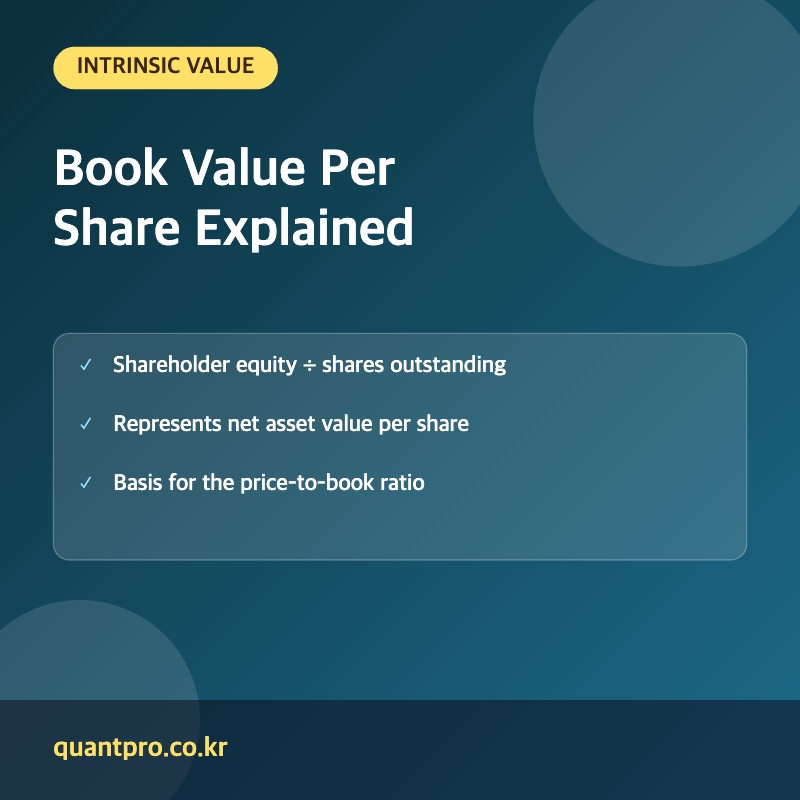
Book Value Per Share (BVPS) represents the net asset value of a company attributable to each outstanding common share. The formula is Total Shareholder Equity ÷ Shares Outstanding, and it reflects what shareholders would theoretically receive per share if the company liquidated all its assets and paid off all its liabilities.
BVPS is calculated using accounting book values from the balance sheet rather than current market prices, which means it can differ significantly from a stock’s market price depending on investor expectations about future growth and profitability.
Book Value vs. Market Value
A stock trading well above its book value per share often reflects investor confidence in future earnings growth, brand value, or intangible assets not fully captured on the balance sheet. A stock trading below book value may signal that the market expects declining profitability, or it could indicate the stock is undervalued relative to its underlying assets.
Role in the Price-to-Book Ratio
BVPS forms the denominator of the price-to-book (P/B) ratio, which divides the current share price by BVPS to assess how a stock is priced relative to its net asset value. This ratio is especially useful for valuing asset-heavy businesses like banks, insurers, and real estate companies.
| Scenario | Price vs. BVPS | Common Interpretation |
|---|---|---|
| P/B ratio well above 1 | Price far exceeds book value | Market expects strong future growth or intangible value |
| P/B ratio near 1 | Price close to book value | Stock priced near its net asset value |
| P/B ratio below 1 | Price below book value | Potential undervaluation, or expected declining assets |
Frequently Asked Questions
Does a stock trading below book value mean it is a good buy?
Not necessarily. A low price relative to book value can signal undervaluation, but it can also reflect real concerns about asset quality, declining earnings, or structural business problems, so further analysis is needed.
Why can BVPS differ so much from market price?
BVPS is based on historical accounting values, while market price reflects investor expectations about future cash flows, growth, and intangible assets like brand value or intellectual property that may not appear fully on the balance sheet.
Is BVPS useful for all industries?
BVPS and the price-to-book ratio are most useful for asset-heavy industries such as banking and real estate, but less meaningful for asset-light businesses like software companies, where intangible assets and growth potential are not well reflected in book value.
How can a company increase its book value per share?
Retaining earnings instead of distributing them as dividends, or repurchasing shares below book value, can both increase book value per share over time by growing equity or reducing the share count.
Key Takeaways
Book value per share shows the net asset value attributable to each share based on accounting figures, serves as the foundation for the price-to-book ratio, and is most meaningful when applied to asset-heavy industries. This article is for informational purposes only and does not constitute investment advice.

QuantPro: AI Finds the Trade Before You Do
From AI-powered chart analysis to real-time market intelligence — everything a serious investor needs, in one platform.
- Automated AI chart analysis with precision trend timing
- Bull Radar: real-time visualization of geopolitical & economic shifts
- Live market-moving news and insights, curated for you
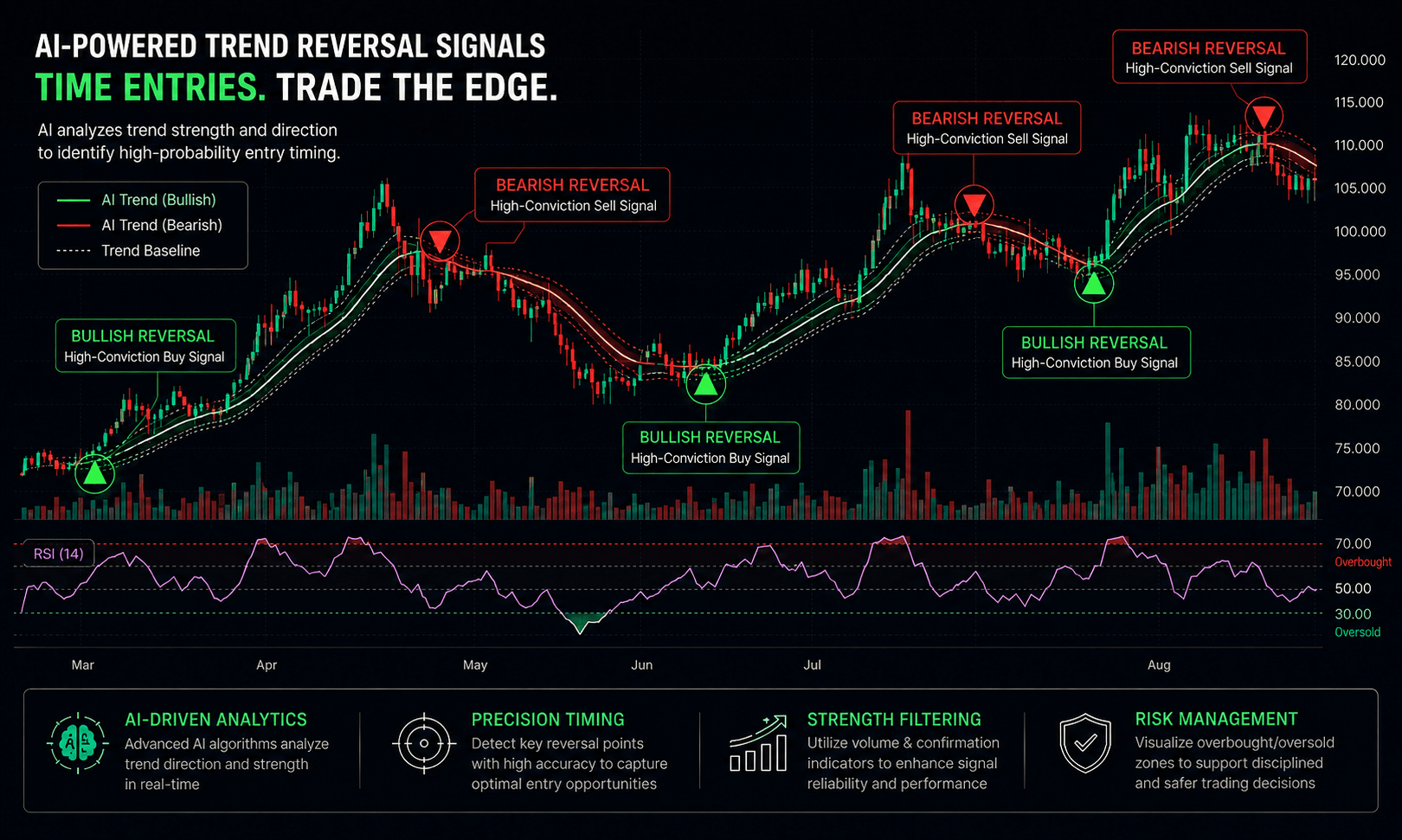
Bull Wave / Bear Wave Forecast Model
Engineered to help you read market direction and momentum faster than the crowd.
- Instantly separate bullish momentum from bearish pressure
- Pinpoint high-probability entry zones with confidence
- Chart signals clear enough for beginners, sharp enough for pros
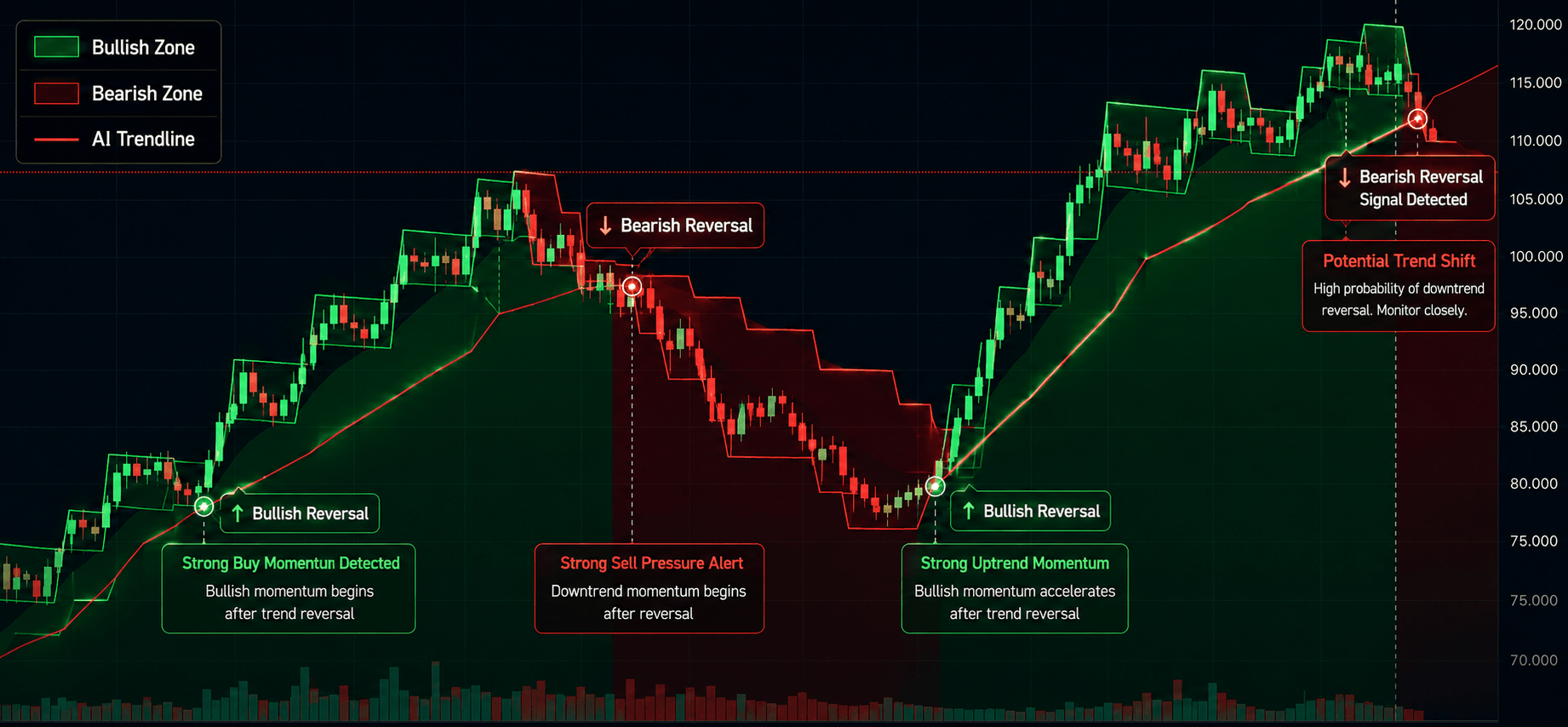
Winning Pattern Detection
Instantly surfaces the high-probability setups that repeat across the charts — a trusted edge for timing your entries and exits.
- Spot momentum building in real time
- Catch trend-reversal points before they break
- Built for active traders who need results, not theory

AI Live Economic Dashboard
AI analyzes real-time market data — turning complex, global investment flows into clear insight in seconds.
- Track global stock markets in real time
- See exactly which assets are strong — and which are fading
- Watch how geopolitical events move the markets
About the Author