What Is Forex Trading?
Forex trading, short for foreign exchange trading, is the buying and selling of currencies against one another with the goal of profiting from changes in their relative value. The forex market is the largest and most liquid financial market in the world, operating nearly 24 hours a day across major global financial centers.
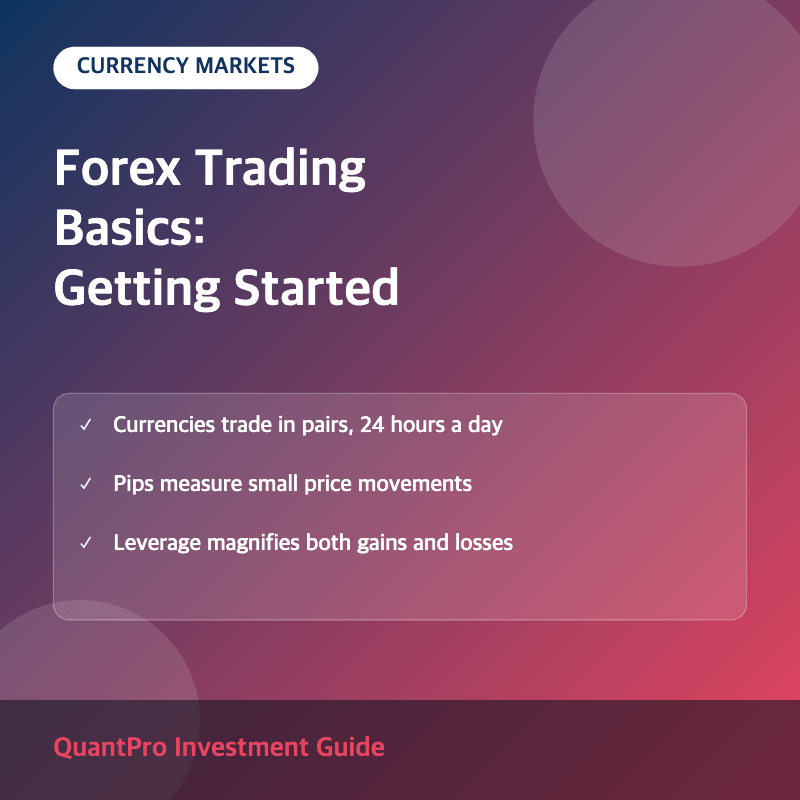
Currencies are always traded in pairs, such as EUR/USD or USD/JPY, because a trade simultaneously buys one currency while selling another. The first currency listed is the “base” currency, and the second is the “quote” currency, with the price representing how much of the quote currency is needed to buy one unit of the base currency.
Major, Minor, and Exotic Pairs
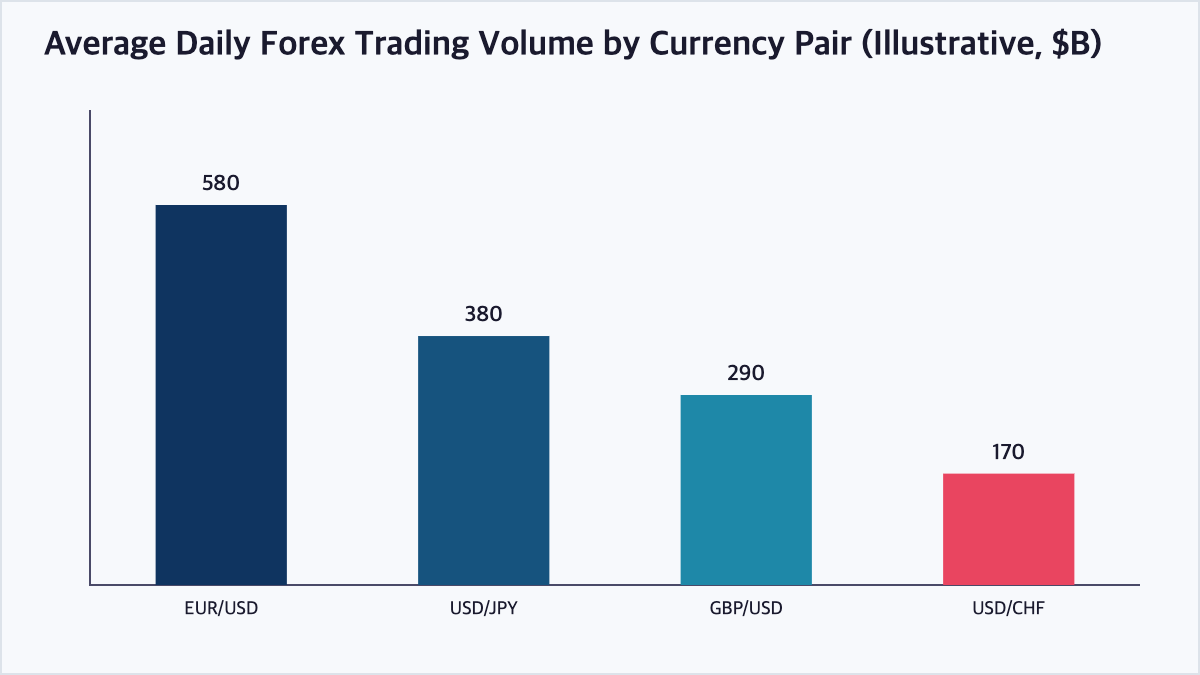
Major currency pairs involve the U.S. dollar paired with another heavily traded currency, such as EUR/USD or GBP/USD, and typically have the tightest spreads and highest liquidity. Minor pairs exclude the U.S. dollar but involve other major currencies, while exotic pairs combine a major currency with one from a smaller or emerging economy, usually carrying wider spreads and higher volatility.
Understanding Pips and Leverage
A pip, short for “percentage in point,” is the smallest standardized price movement in most currency pairs, typically the fourth decimal place. Pip values are used to calculate profit and loss on forex positions and form the basic unit of price measurement in the market.
Forex brokers commonly offer high leverage, allowing traders to control a large position with a relatively small amount of capital. While leverage can amplify profits, it equally amplifies losses, and highly leveraged forex trading carries substantial risk of losing more than the initial deposit.
What Moves Currency Prices
Currency values are influenced by factors including interest rate decisions from central banks, inflation data, economic growth indicators, geopolitical events, and overall risk sentiment, making macroeconomic awareness essential for forex traders.
Forex Trading vs Stock Trading
| Feature | Forex Trading | Stock Trading |
|---|---|---|
| Market Hours | Nearly 24 hours, 5 days a week | Limited exchange hours |
| Typical Leverage | Often very high | Lower, regulated margin limits |
| What’s Traded | Currency pairs | Company shares |
| Key Drivers | Interest rates, macro data | Earnings, company fundamentals |
| Liquidity | Extremely high (major pairs) | Varies by stock |
Frequently Asked Questions
Is forex trading suitable for beginners?
Forex trading carries significant risk, especially due to high leverage, and beginners are generally advised to start with a demo account, use small position sizes, and thoroughly understand risk management before trading with real capital.
What is a spread in forex trading?
The spread is the difference between the bid (sell) price and the ask (buy) price of a currency pair, representing a transaction cost that is typically narrower for major pairs with high liquidity and wider for exotic pairs.
Can forex trading be done around the clock?
Yes. The forex market operates nearly 24 hours a day on weekdays because trading sessions overlap across major financial centers in Asia, Europe, and North America, closing only over the weekend.
How does leverage affect forex trading risk?
Leverage allows traders to control positions much larger than their deposited capital, which magnifies both potential profits and potential losses; a small adverse currency move can result in a loss that significantly exceeds the initial margin deposited.
Key Takeaways
Forex trading involves buying and selling currency pairs in the world’s largest and most liquid financial market, with leverage and pip-based pricing central to how positions are sized and measured. The high leverage commonly used in forex trading makes careful risk management essential. This article is for informational purposes only and does not constitute investment advice.

QuantPro: AI Finds the Trade Before You Do
From AI-powered chart analysis to real-time market intelligence — everything a serious investor needs, in one platform.
- Automated AI chart analysis with precision trend timing
- Bull Radar: real-time visualization of geopolitical & economic shifts
- Live market-moving news and insights, curated for you
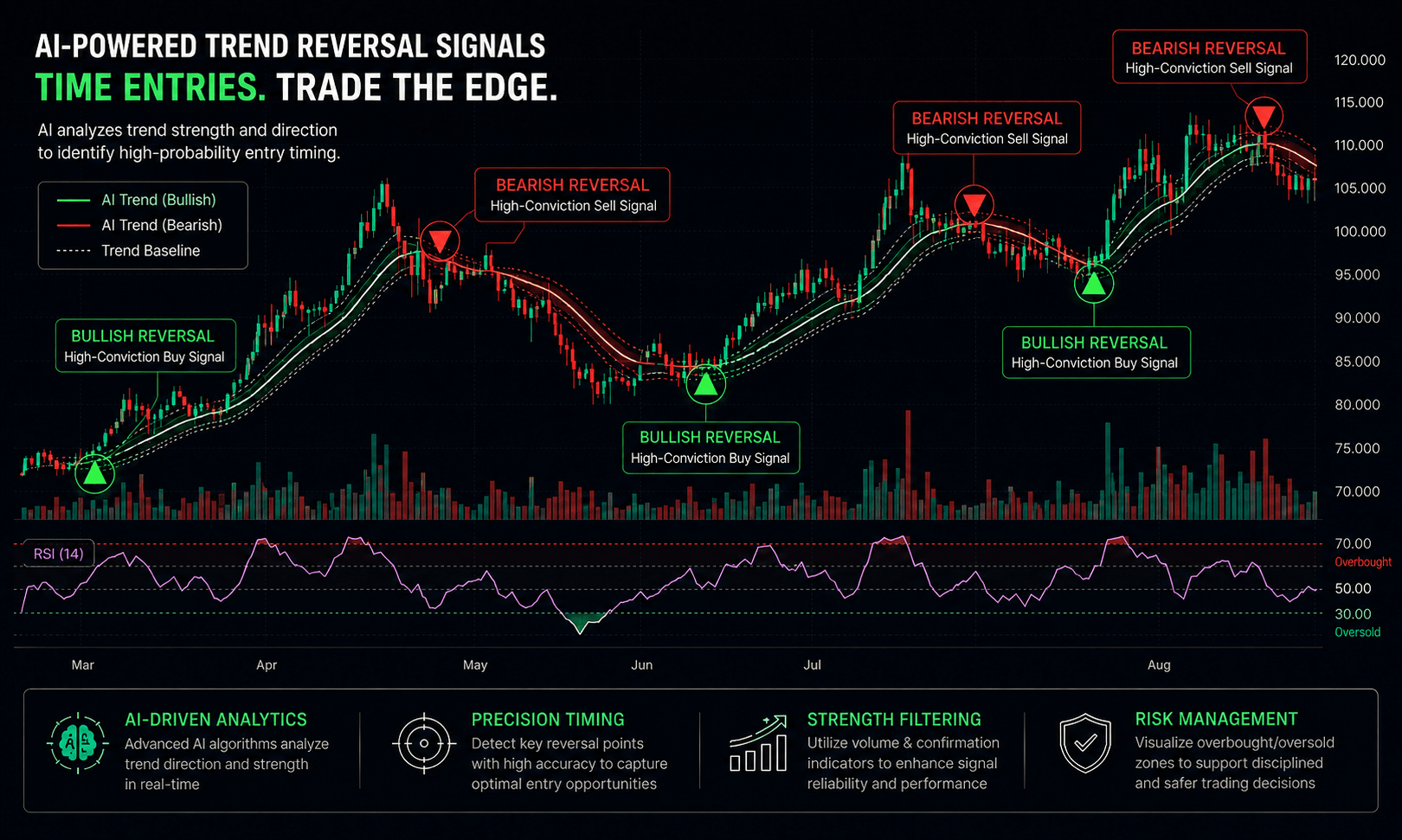
Bull Wave / Bear Wave Forecast Model
Engineered to help you read market direction and momentum faster than the crowd.
- Instantly separate bullish momentum from bearish pressure
- Pinpoint high-probability entry zones with confidence
- Chart signals clear enough for beginners, sharp enough for pros
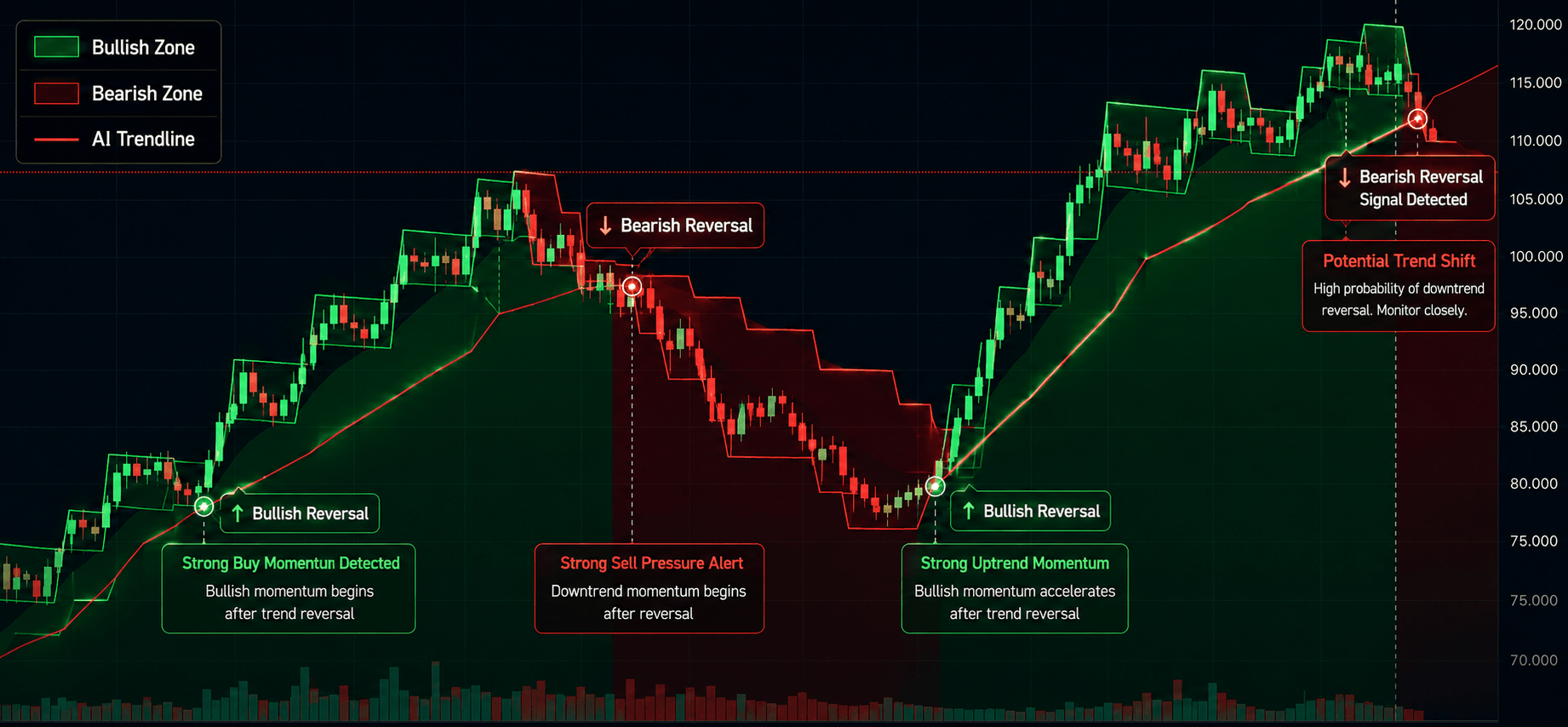
Winning Pattern Detection
Instantly surfaces the high-probability setups that repeat across the charts — a trusted edge for timing your entries and exits.
- Spot momentum building in real time
- Catch trend-reversal points before they break
- Built for active traders who need results, not theory
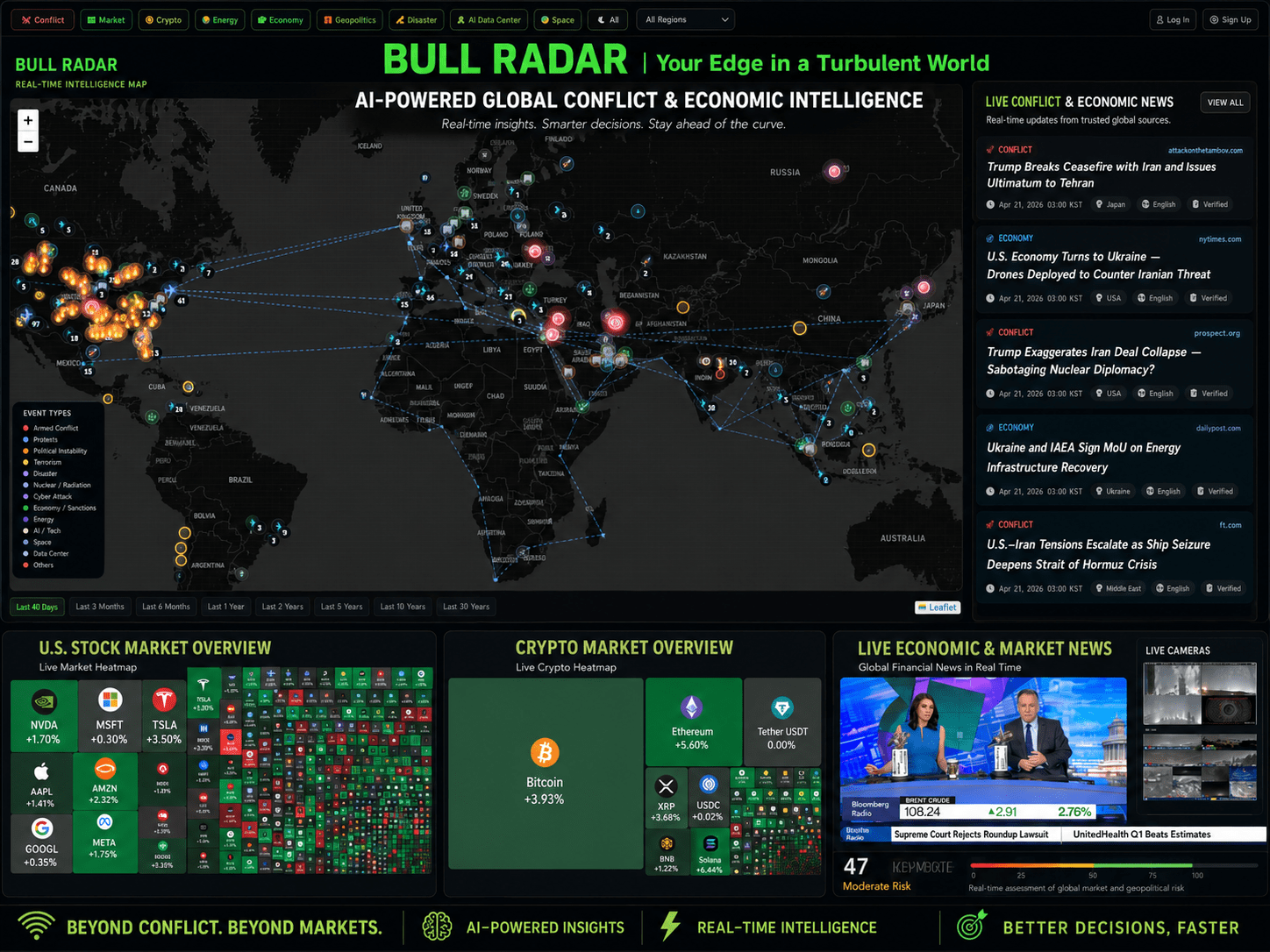
AI Live Economic Dashboard
AI analyzes real-time market data — turning complex, global investment flows into clear insight in seconds.
- Track global stock markets in real time
- See exactly which assets are strong — and which are fading
- Watch how geopolitical events move the markets
About the Author