What Is Free Cash Flow (FCF)?
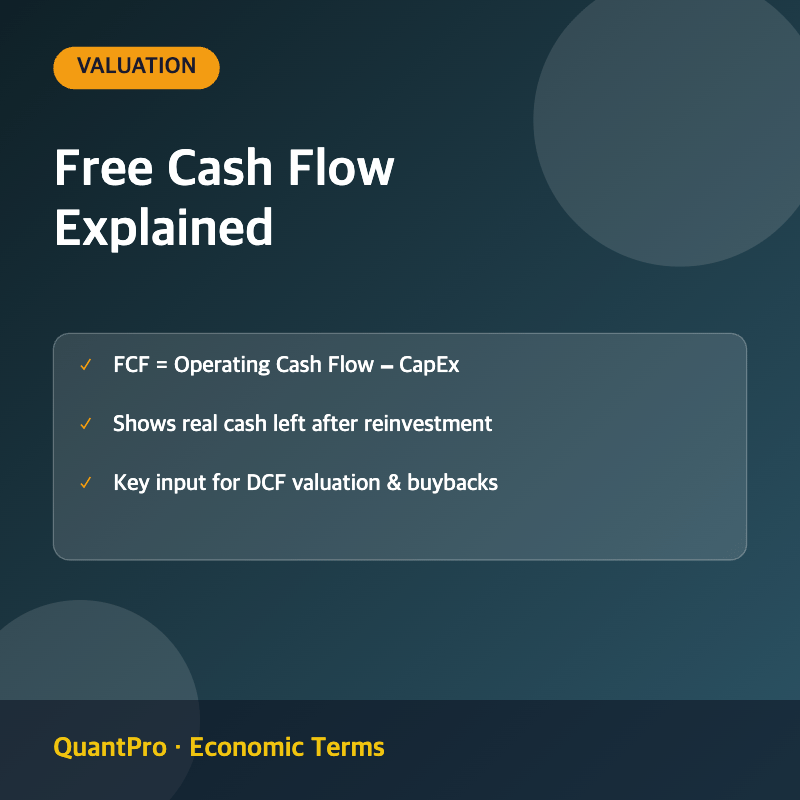
Free cash flow (FCF) is the cash a company generates from its core operations after subtracting the capital expenditures needed to maintain or expand its asset base. It represents the actual cash available to pay dividends, buy back shares, pay down debt, or reinvest in growth, making it one of the most trusted measures of a company’s financial health.
The Free Cash Flow Formula
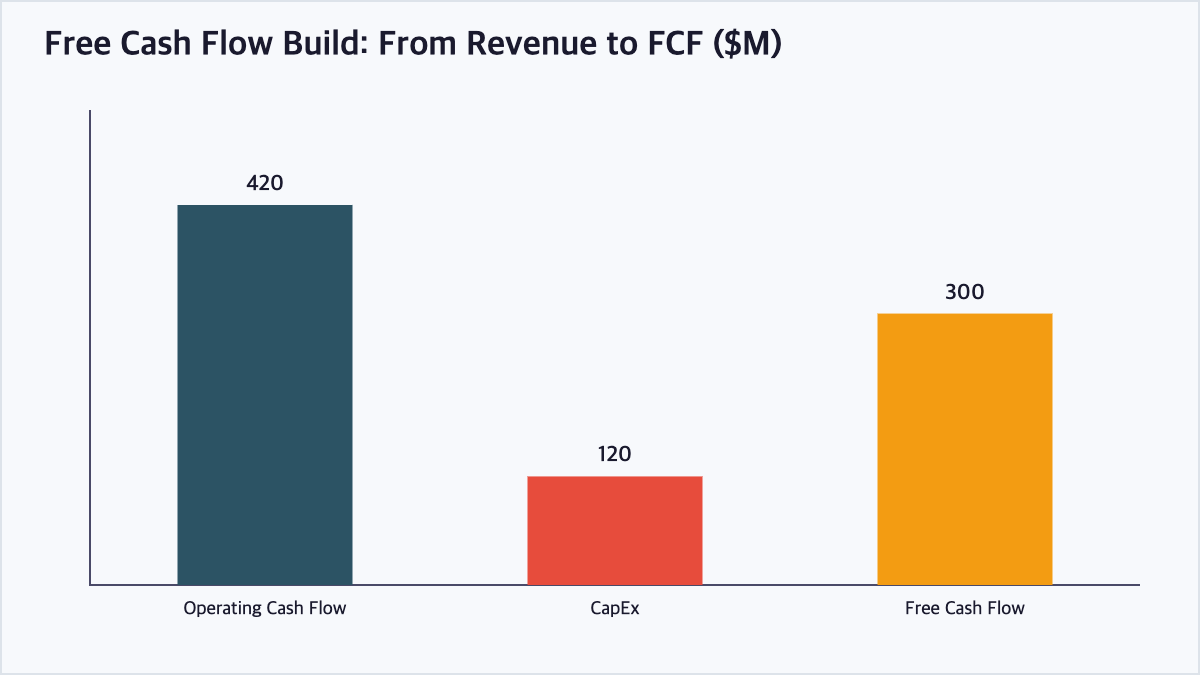
The standard formula is: Free Cash Flow = Operating Cash Flow − Capital Expenditures (CapEx). Operating cash flow comes directly from the cash flow statement, while CapEx reflects spending on property, plant, equipment, and other long-term assets. Some analysts use a variant called levered free cash flow, which further subtracts mandatory debt payments.
Why Free Cash Flow Matters to Investors
Unlike net income, which includes non-cash accounting items such as depreciation and amortization, free cash flow reflects money that has actually moved. A company can report strong earnings while burning cash, which is why investors often treat FCF as a truer signal of financial strength. Consistent, growing free cash flow supports sustainable dividends, opportunistic buybacks, and lower reliance on external financing.
Free Cash Flow vs. Net Income vs. EBITDA
Net income can be distorted by non-cash charges and one-time items. EBITDA excludes interest, taxes, depreciation, and amortization but ignores capital spending entirely, which can overstate a capital-intensive company’s real cash generation. Free cash flow captures both operating performance and the reinvestment burden, offering a more complete picture of cash economics.
Free Cash Flow in Valuation
Free cash flow is the core input for discounted cash flow (DCF) valuation models, where projected future FCF is discounted back to present value to estimate intrinsic share value. Metrics like free cash flow yield (FCF divided by market capitalization) also help investors compare how cheaply a stock trades relative to the cash it generates.
FCF, Net Income, and EBITDA Compared
| Metric | Includes CapEx? | Non-Cash Items? | Best Use |
|---|---|---|---|
| Free Cash Flow | Yes (subtracted) | Excluded | Valuation, dividend sustainability |
| Net Income | No | Included (D&A, etc.) | Accounting profitability |
| EBITDA | No | Excluded (D&A added back) | Operating performance comparison |
Frequently Asked Questions
Is a negative free cash flow always a bad sign?
Not necessarily. Young, high-growth companies often post negative free cash flow because they are investing heavily in capital expenditures to expand. What matters is whether that spending is generating strong future returns and whether the company has enough liquidity or financing to sustain it.
How is free cash flow yield calculated?
Free cash flow yield equals free cash flow divided by market capitalization, expressed as a percentage. A higher yield suggests a stock may be generating more cash relative to its price, which some investors use as a value screening tool similar to earnings yield.
Where do I find free cash flow in financial statements?
Free cash flow is not a standard line item, so it must be calculated from the cash flow statement: take cash flow from operating activities and subtract capital expenditures, which is typically listed under cash flow from investing activities.
What is unlevered free cash flow?
Unlevered free cash flow is the cash available before interest payments to debt holders, making it useful for valuing the entire enterprise regardless of capital structure. It is commonly used in DCF models to calculate enterprise value rather than equity value alone.
Key Takeaways
Free cash flow measures the actual cash a company generates after funding the capital expenditures needed to sustain its business, making it a cornerstone metric for valuation, dividend analysis, and financial health assessment. Comparing FCF alongside net income and EBITDA gives investors a fuller view of how efficiently a company converts operations into usable cash. This article is for informational purposes only and does not constitute investment advice.

QuantPro: AI Finds the Trade Before You Do
From AI-powered chart analysis to real-time market intelligence — everything a serious investor needs, in one platform.
- Automated AI chart analysis with precision trend timing
- Bull Radar: real-time visualization of geopolitical & economic shifts
- Live market-moving news and insights, curated for you
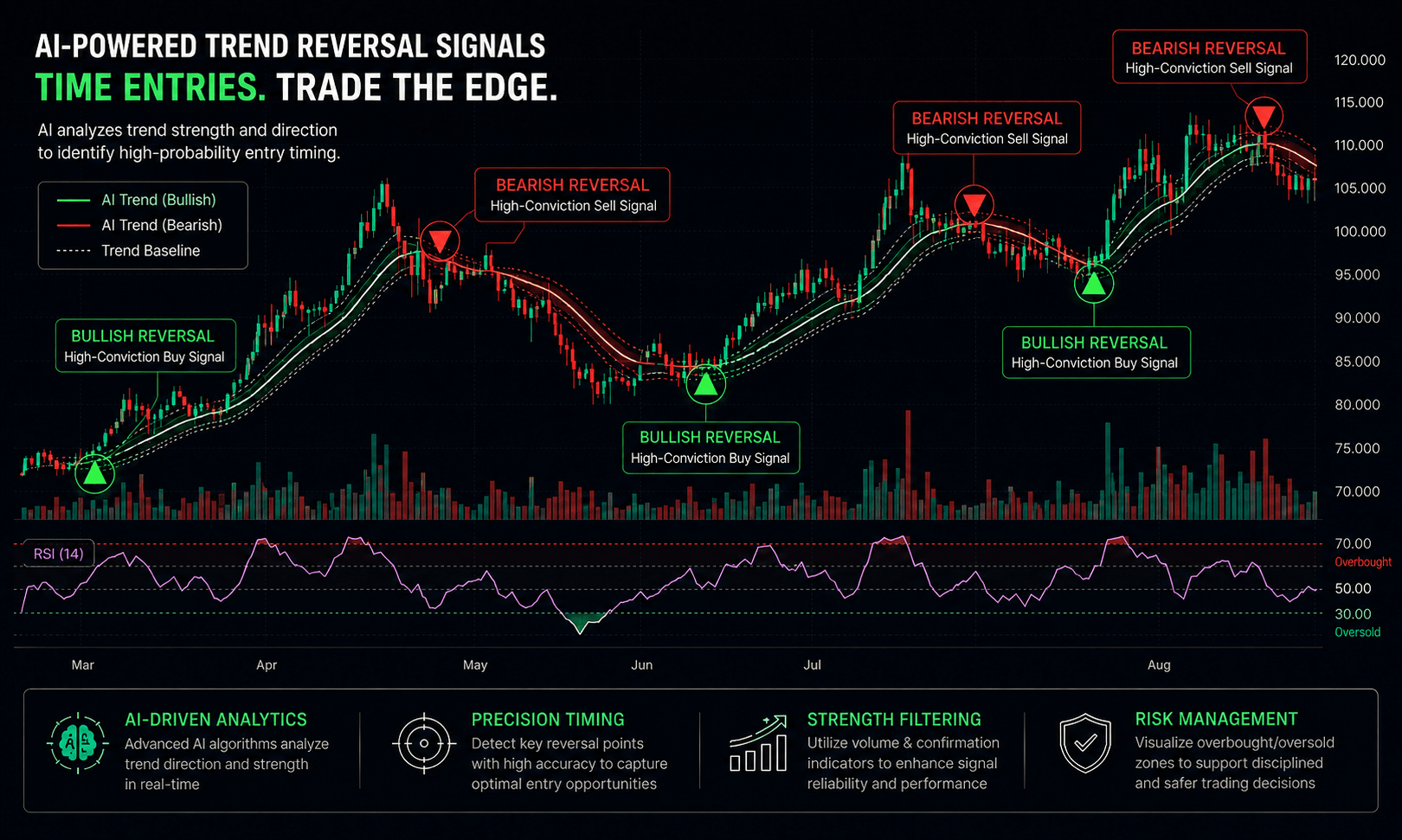
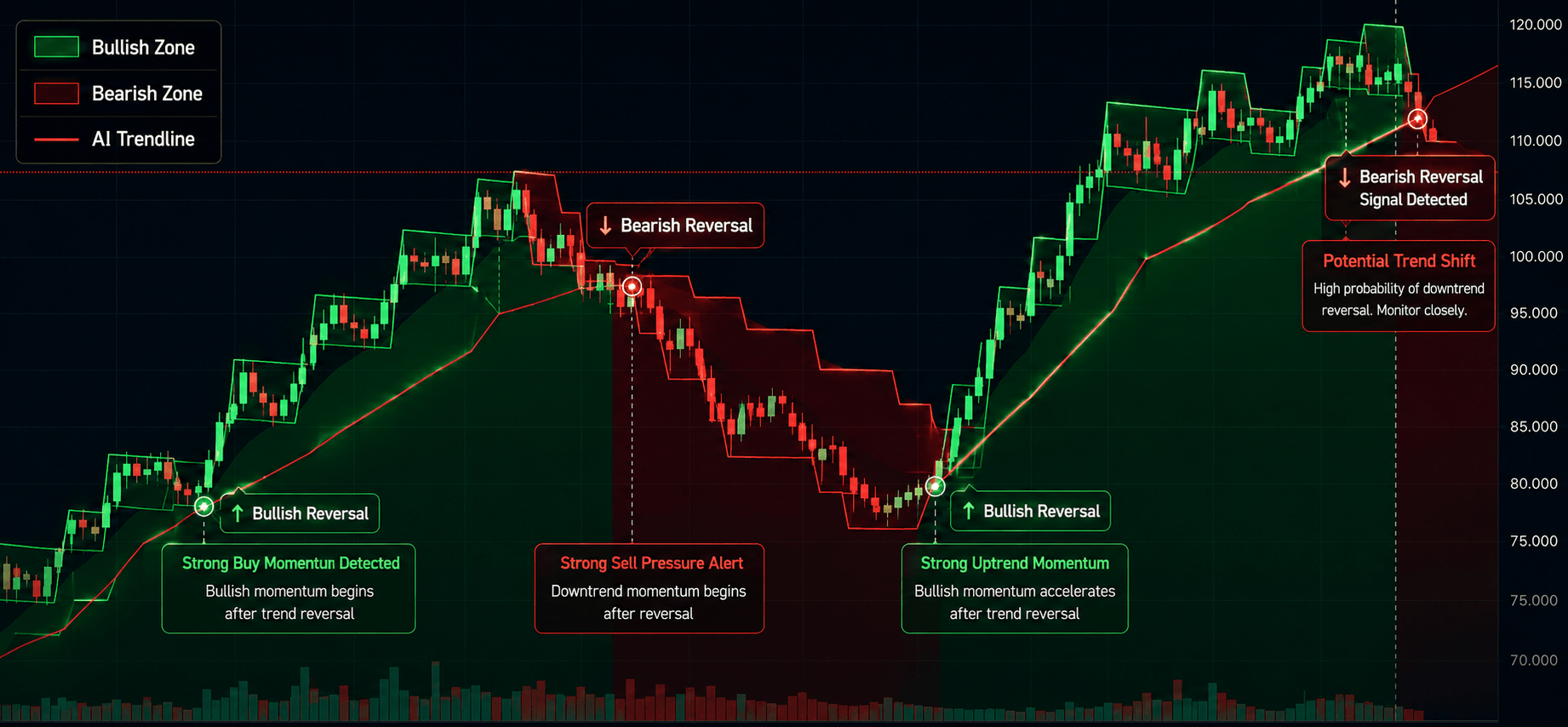
Bull Wave / Bear Wave Forecast Model
Engineered to help you read market direction and momentum faster than the crowd.
- Instantly separate bullish momentum from bearish pressure
- Pinpoint high-probability entry zones with confidence
- Chart signals clear enough for beginners, sharp enough for pros
Winning Pattern Detection
Instantly surfaces the high-probability setups that repeat across the charts — a trusted edge for timing your entries and exits.
- Spot momentum building in real time
- Catch trend-reversal points before they break
- Built for active traders who need results, not theory

AI Live Economic Dashboard
AI analyzes real-time market data — turning complex, global investment flows into clear insight in seconds.
- Track global stock markets in real time
- See exactly which assets are strong — and which are fading
- Watch how geopolitical events move the markets
About the Author