What Are Leveraged and Inverse ETFs?
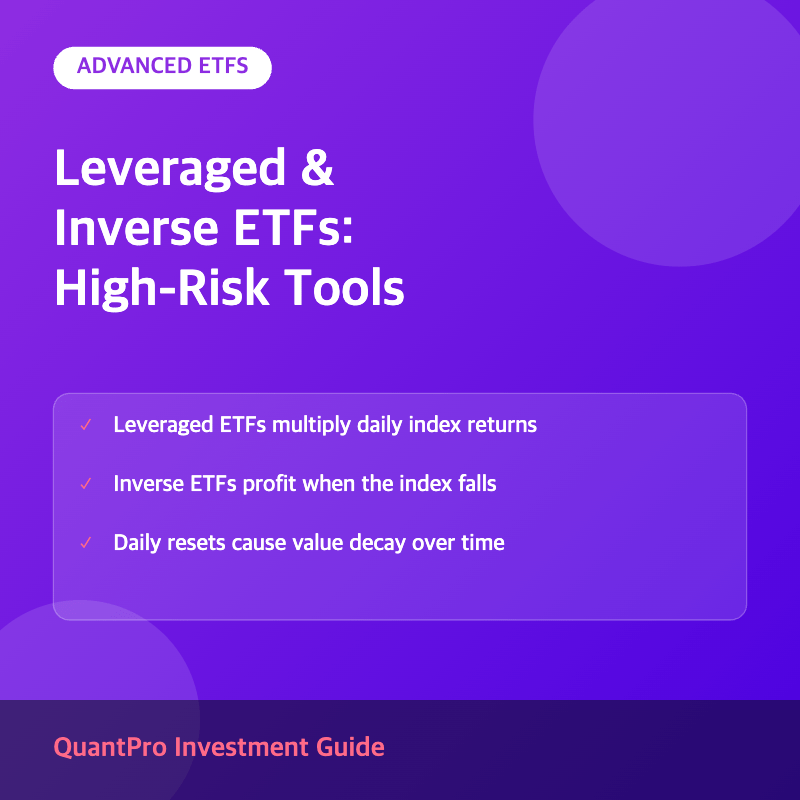
Leveraged ETFs are exchange-traded funds designed to deliver a multiple, such as 2x or 3x, of the daily return of an underlying index, using financial derivatives like swaps and futures to achieve this amplified exposure. Inverse ETFs are designed to deliver the opposite of the daily return of an underlying index, allowing investors to profit when the index declines without directly short selling.
Both leveraged and inverse ETFs are typically reset daily, meaning they are engineered to achieve their stated multiple only over a single trading day, not over longer holding periods, which is a critical distinction many investors overlook.
Why Daily Resets Matter
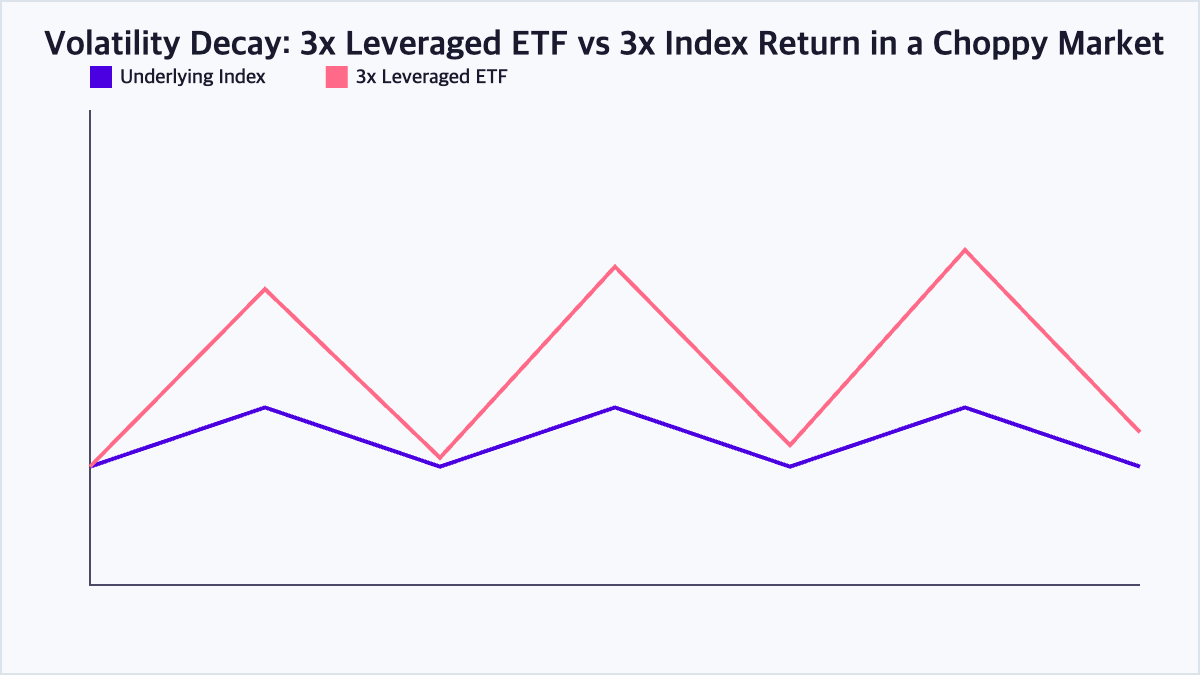
Because these funds rebalance their exposure daily, their returns compound differently than the underlying index over multiple days. In a volatile or sideways-moving market, this daily compounding can cause a leveraged or inverse ETF to lose value even if the underlying index ends up roughly flat over the same period, a phenomenon known as volatility decay or “beta slippage.”
Who Uses Leveraged and Inverse ETFs
These products are generally designed for sophisticated, active traders seeking short-term tactical exposure or hedging, rather than long-term buy-and-hold investors, due to the compounding effects that can erode returns over extended holding periods, especially in choppy markets.
Risks Beyond Volatility Decay
In addition to volatility decay, leveraged and inverse ETFs typically carry higher expense ratios than standard index funds due to the cost of the derivatives used to achieve their exposure, and they can experience larger and faster losses than traditional funds if the market moves against the position.
Leveraged/Inverse ETFs vs Standard Index ETFs
| Feature | Leveraged/Inverse ETF | Standard Index ETF |
|---|---|---|
| Objective | Multiple of daily index return | Track the index 1:1 |
| Rebalancing | Daily reset | Continuous, no daily reset |
| Ideal Holding Period | Short-term (often single day) | Long-term buy and hold |
| Expense Ratio | Typically higher | Typically lower |
| Risk Level | High, amplified losses possible | Matches underlying index risk |
Frequently Asked Questions
Can a leveraged ETF lose money even if the index goes up over time?
Yes. Due to daily compounding, especially in volatile or sideways markets, a leveraged ETF can underperform its stated multiple of the index’s return over longer holding periods, and in some cases it can even lose value while the underlying index is flat or modestly higher.
Are leveraged and inverse ETFs suitable for retirement accounts?
Most financial professionals caution against using these products for long-term retirement savings due to their short-term design, higher costs, and volatility decay risk, generally recommending they be reserved for short-term, actively managed tactical positions if used at all.
How often should leveraged ETF positions be monitored?
Because these products are designed to achieve their stated multiple only on a daily basis, traders using them typically monitor positions very closely, often planning to hold for very short periods, sometimes just a single trading day.
What happens during extreme market moves with leveraged ETFs?
During extreme single-day market moves, leveraged ETFs can experience outsized losses proportional to their leverage multiple, and in rare cases of severe volatility, fund providers have adjusted or even closed certain leveraged products due to the operational risk involved.
Key Takeaways
Leveraged and inverse ETFs offer amplified daily exposure to an index but are designed for short-term trading rather than long-term holding, since daily compounding and volatility decay can cause significant divergence from the expected multiple over time. This article is for informational purposes only and does not constitute investment advice.

QuantPro: AI Finds the Trade Before You Do
From AI-powered chart analysis to real-time market intelligence — everything a serious investor needs, in one platform.
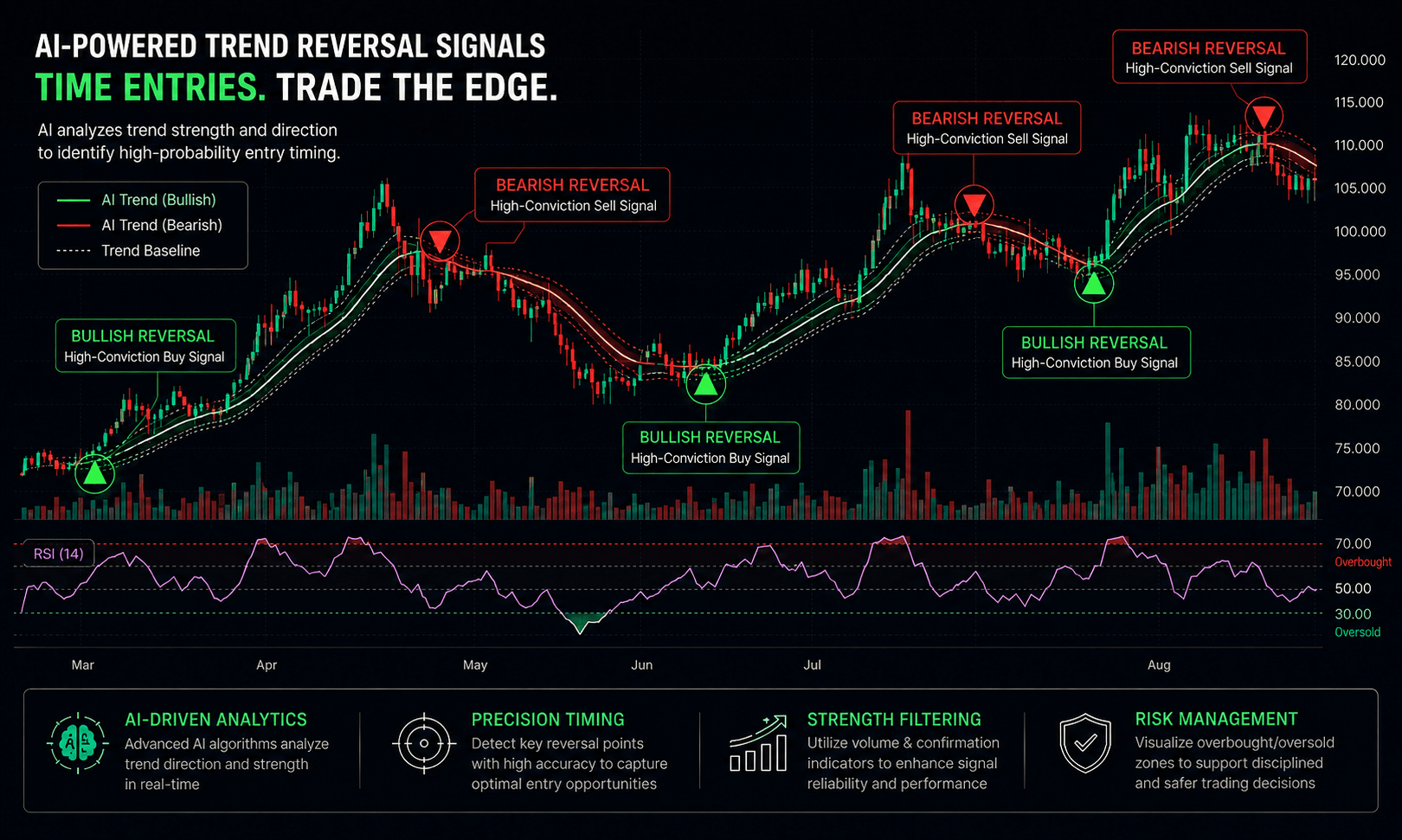
- Automated AI chart analysis with precision trend timing
- Bull Radar: real-time visualization of geopolitical & economic shifts
- Live market-moving news and insights, curated for you
Bull Wave / Bear Wave Forecast Model
Engineered to help you read market direction and momentum faster than the crowd.
- Instantly separate bullish momentum from bearish pressure
- Pinpoint high-probability entry zones with confidence
- Chart signals clear enough for beginners, sharp enough for pros
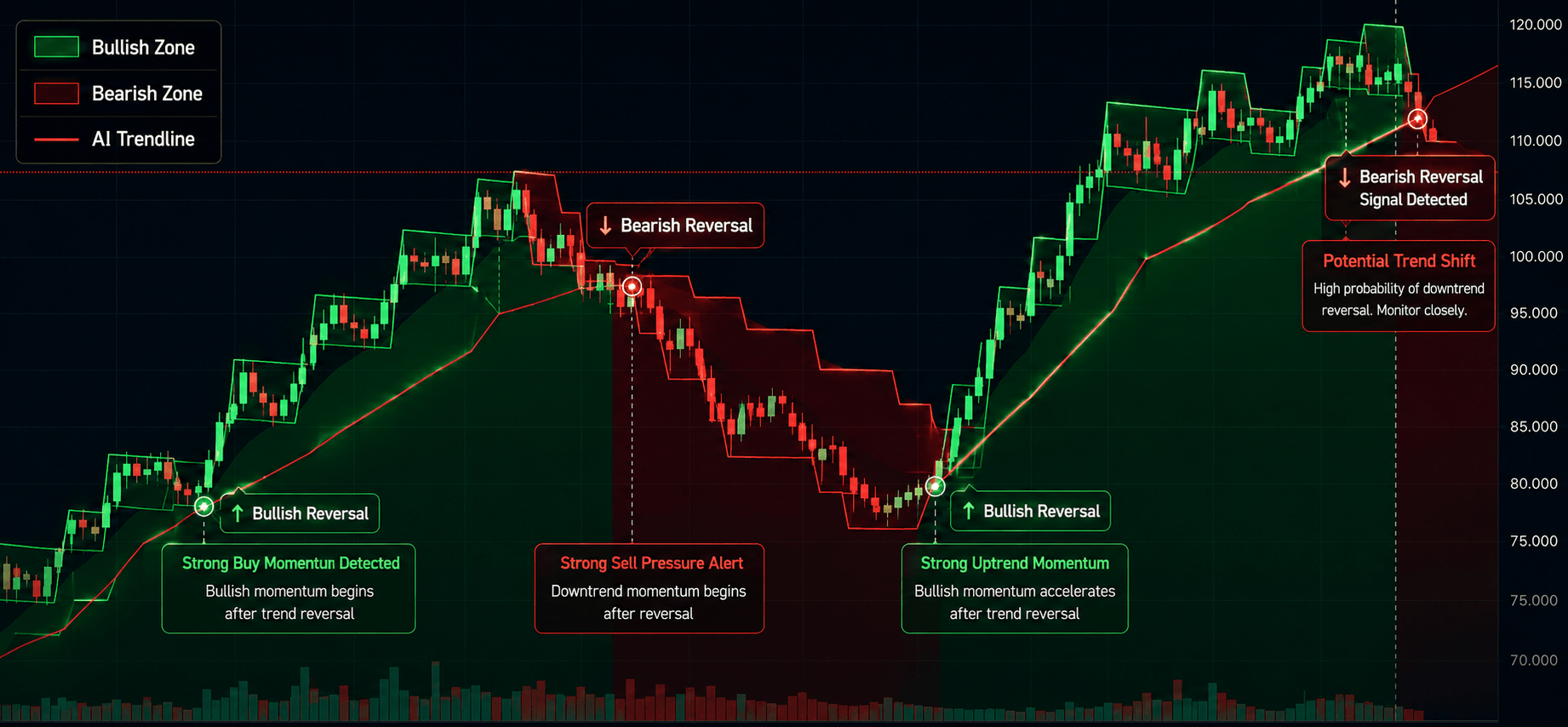
Winning Pattern Detection
Instantly surfaces the high-probability setups that repeat across the charts — a trusted edge for timing your entries and exits.
- Spot momentum building in real time
- Catch trend-reversal points before they break
- Built for active traders who need results, not theory
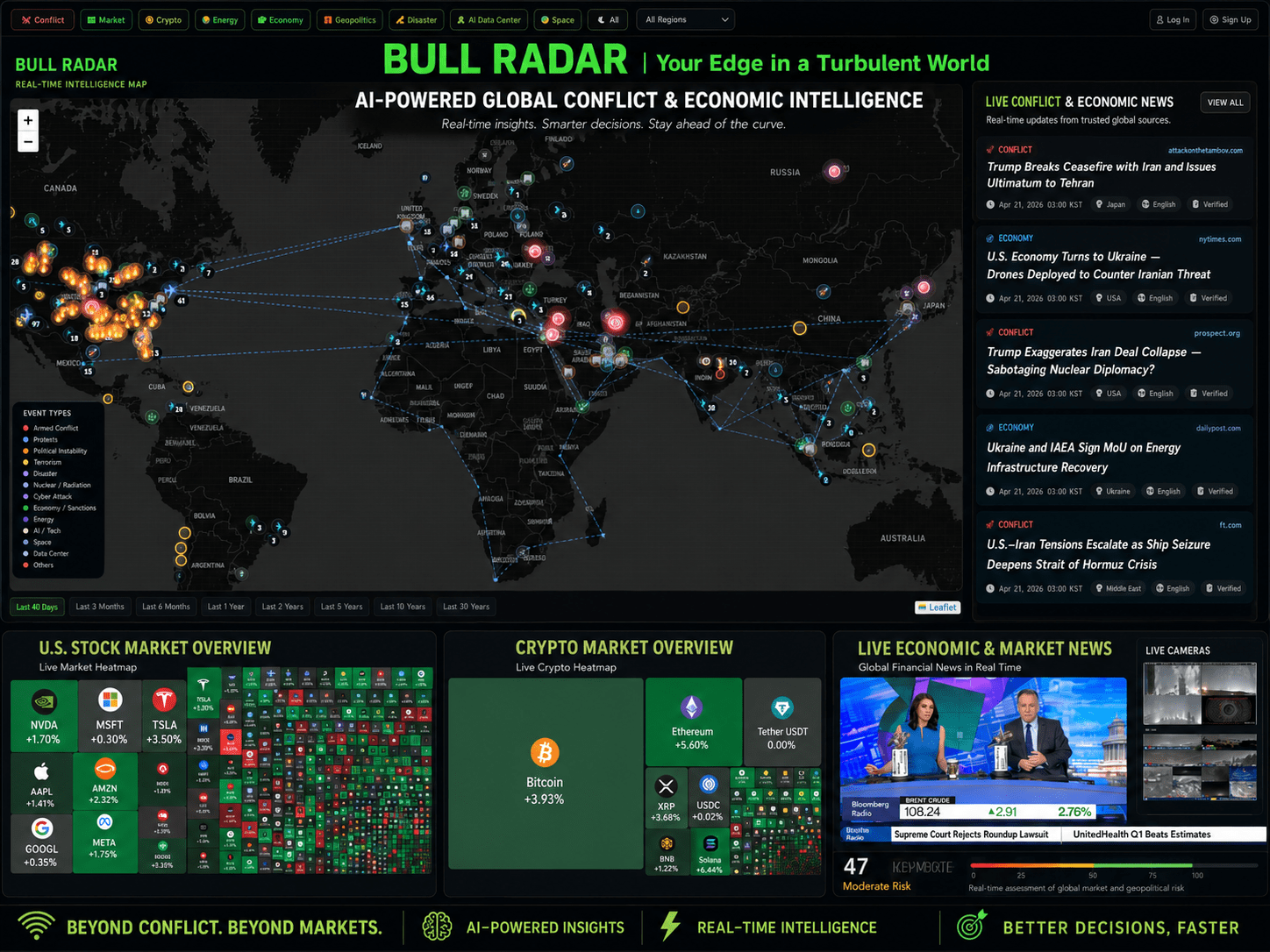
AI Live Economic Dashboard
AI analyzes real-time market data — turning complex, global investment flows into clear insight in seconds.
- Track global stock markets in real time
- See exactly which assets are strong — and which are fading
- Watch how geopolitical events move the markets
About the Author