What Is a Stock Split?
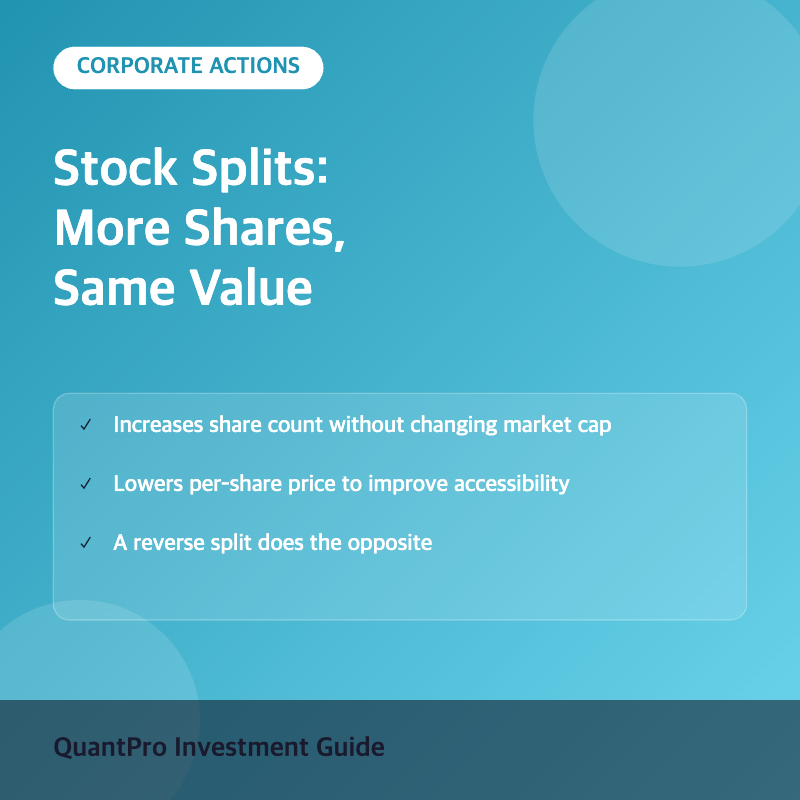
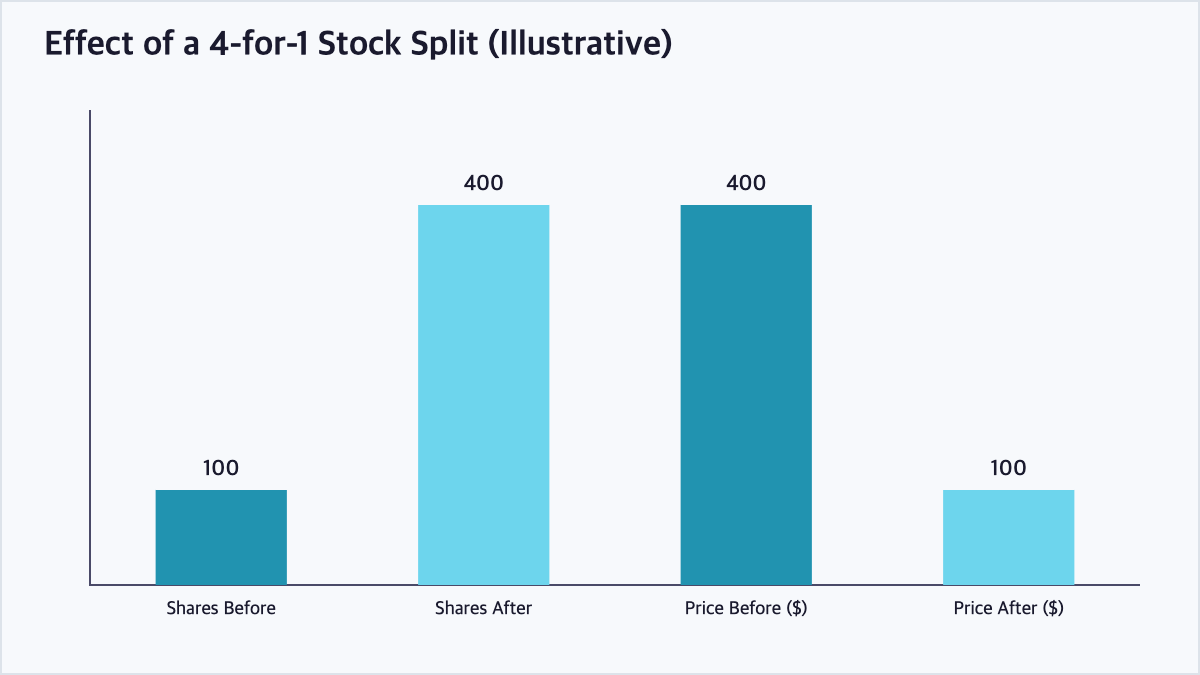
A stock split is a corporate action in which a company increases its number of outstanding shares by issuing additional shares to existing shareholders, proportionally reducing the price per share while leaving the company’s total market capitalization unchanged. A common example is a 2-for-1 split, where each shareholder receives one additional share for every share owned, and the stock price is cut in half.
Because a stock split does not change the underlying value of the company or an individual shareholder’s total investment value, it is often described as a purely cosmetic change: a shareholder who owned 10 shares at $100 each, worth $1,000 total, would own 20 shares at $50 each after a 2-for-1 split, still worth $1,000 total.
Why Companies Conduct Stock Splits
Companies often split their stock after a substantial price increase, aiming to make individual shares more affordable and accessible to a broader range of retail investors. A lower per-share price can also improve trading liquidity by narrowing bid-ask spreads and encouraging more active trading.
What Is a Reverse Stock Split?
A reverse stock split does the opposite of a standard split: it reduces the number of shares outstanding while proportionally increasing the price per share. For example, in a 1-for-10 reverse split, a shareholder with 100 shares at $2 each would end up with 10 shares at $20 each, again leaving total value unchanged.
Why Companies Conduct Reverse Splits
Reverse splits are often used by companies whose stock price has fallen significantly, sometimes to avoid delisting from a stock exchange that requires a minimum share price, or to improve the stock’s perceived image among institutional investors who may avoid very low-priced shares.
Stock Split vs Reverse Stock Split
| Feature | Stock Split | Reverse Stock Split |
|---|---|---|
| Effect on Shares | Increases shares outstanding | Decreases shares outstanding |
| Effect on Price | Lowers price per share | Raises price per share |
| Common Trigger | Strong price appreciation | Prolonged price decline |
| Typical Goal | Improve accessibility, liquidity | Avoid delisting, improve perception |
Frequently Asked Questions
Does a stock split change the value of my investment?
No. A stock split changes the number of shares and the price per share proportionally, but the total value of an existing shareholder’s position remains exactly the same immediately after the split takes effect.
Does a stock split affect a company’s fundamentals?
No. A stock split does not change a company’s revenue, earnings, assets, or overall business performance; it is purely a change in how the company’s existing equity value is divided among a different number of shares.
Why do some investors view stock splits positively?
While a split itself doesn’t change fundamental value, it is sometimes viewed as a positive signal since companies typically split their stock after a period of strong price appreciation, which some investors interpret as an indirect sign of business success, though this is not guaranteed to continue.
Are stock splits taxable events?
Generally, a stock split itself is not a taxable event in the United States, since the shareholder’s total investment value and cost basis are simply adjusted proportionally across the new number of shares, without triggering a sale or gain.
Key Takeaways
A stock split increases the number of shares outstanding while proportionally lowering the price per share, aiming to improve accessibility and liquidity without changing the company’s underlying value. A reverse split accomplishes the opposite, often used to avoid delisting or improve perception after a price decline. This article is for informational purposes only and does not constitute investment advice.

QuantPro: AI Finds the Trade Before You Do
From AI-powered chart analysis to real-time market intelligence — everything a serious investor needs, in one platform.
- Automated AI chart analysis with precision trend timing
- Bull Radar: real-time visualization of geopolitical & economic shifts
- Live market-moving news and insights, curated for you
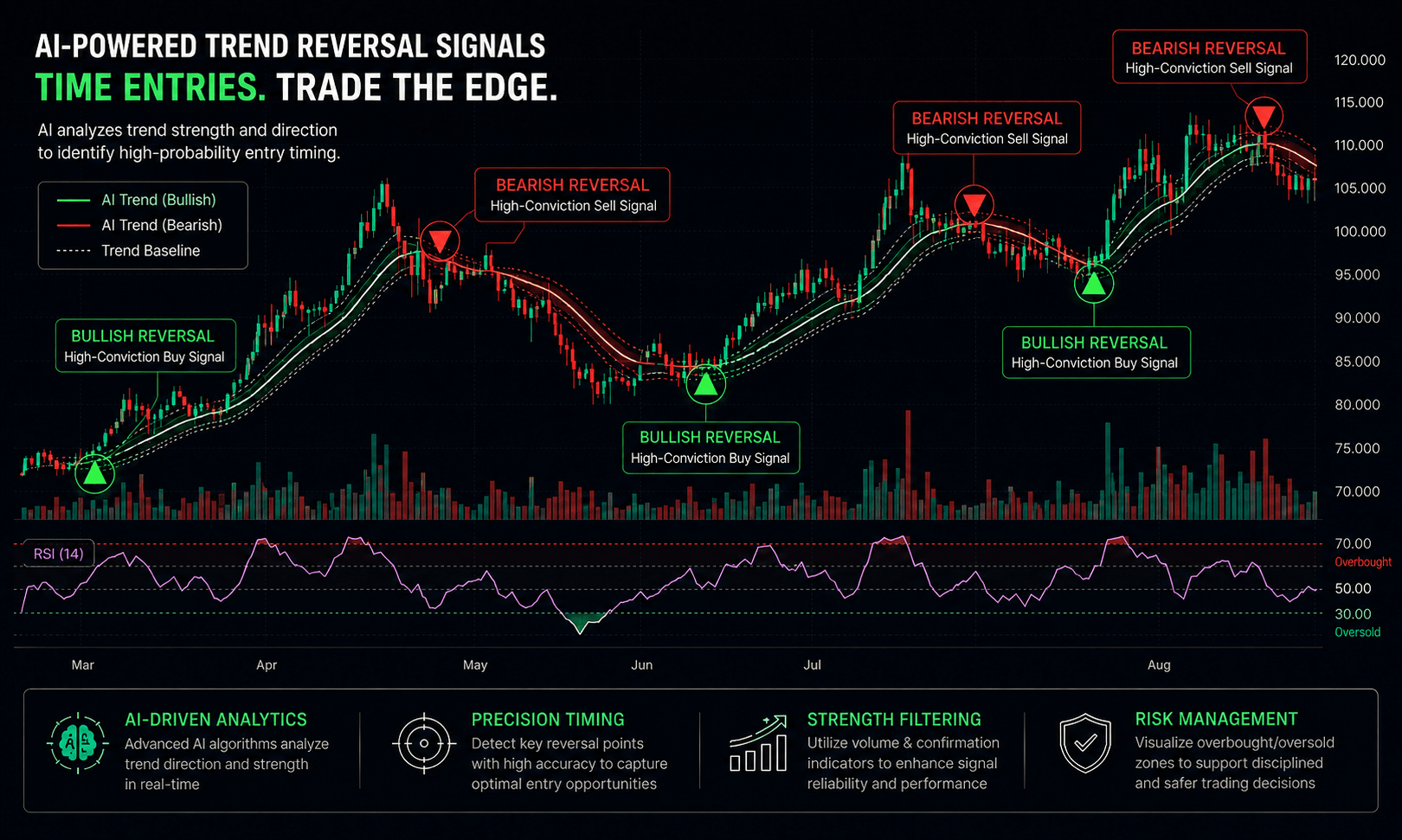
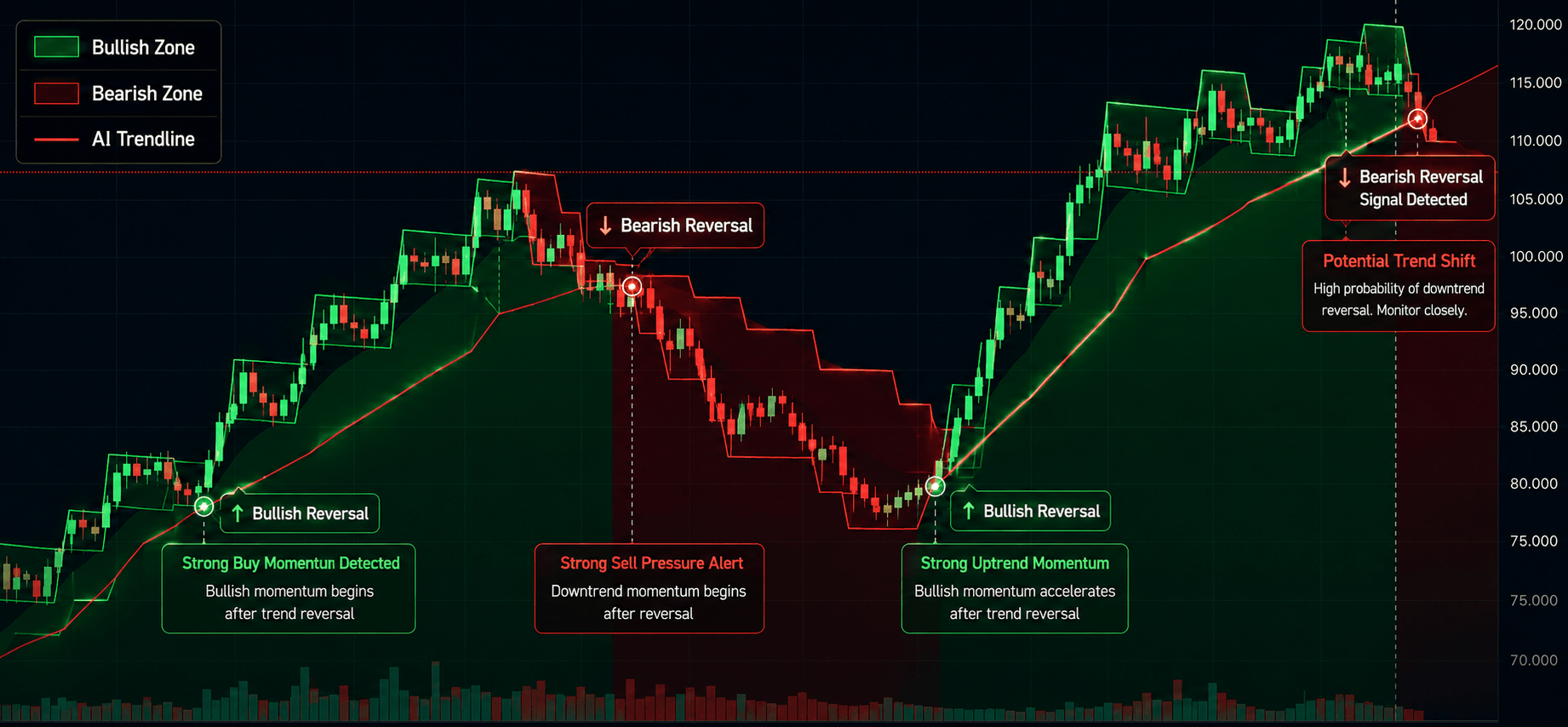
Bull Wave / Bear Wave Forecast Model
Engineered to help you read market direction and momentum faster than the crowd.
- Instantly separate bullish momentum from bearish pressure
- Pinpoint high-probability entry zones with confidence
- Chart signals clear enough for beginners, sharp enough for pros
Winning Pattern Detection
Instantly surfaces the high-probability setups that repeat across the charts — a trusted edge for timing your entries and exits.
- Spot momentum building in real time
- Catch trend-reversal points before they break
- Built for active traders who need results, not theory

AI Live Economic Dashboard
AI analyzes real-time market data — turning complex, global investment flows into clear insight in seconds.
- Track global stock markets in real time
- See exactly which assets are strong — and which are fading
- Watch how geopolitical events move the markets
About the Author