What Is Okun’s Law?
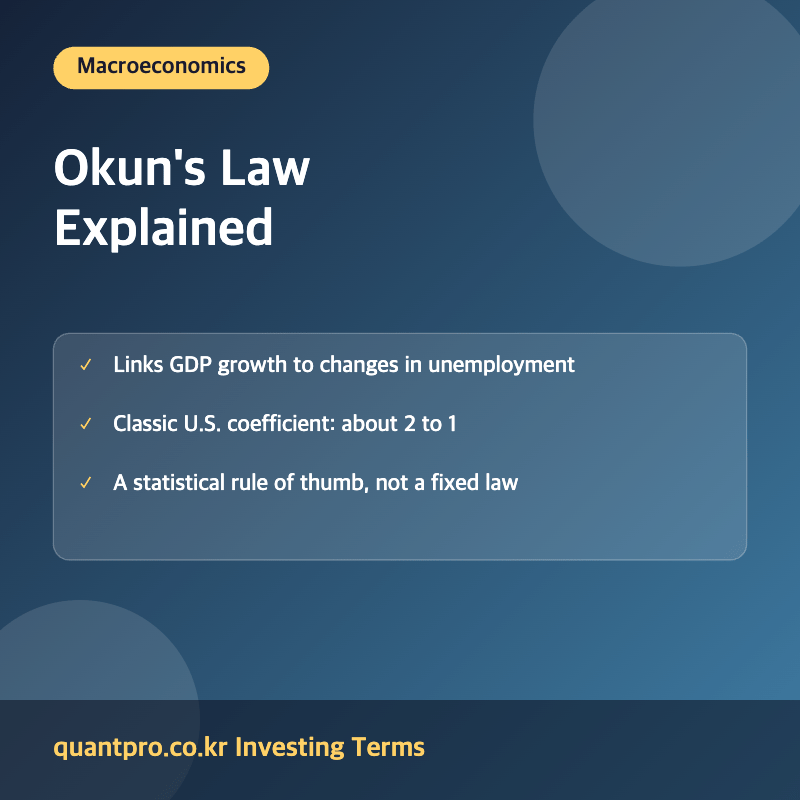
Okun’s Law is an empirically observed relationship, first described by economist Arthur Okun in 1962, between a country’s unemployment rate and its rate of economic growth. In broad terms, it says that when GDP grows faster than its long-run potential rate, unemployment tends to fall, and when growth slows below that potential, unemployment tends to rise.
How Okun’s Law Is Expressed
The Traditional Coefficient
Okun’s original research on U.S. data suggested that for every 1 percentage point that the unemployment rate rises above its natural level, GDP tends to fall roughly 2 percentage points short of its potential output — a ratio often referred to as “Okun’s coefficient.”
A Worked Example
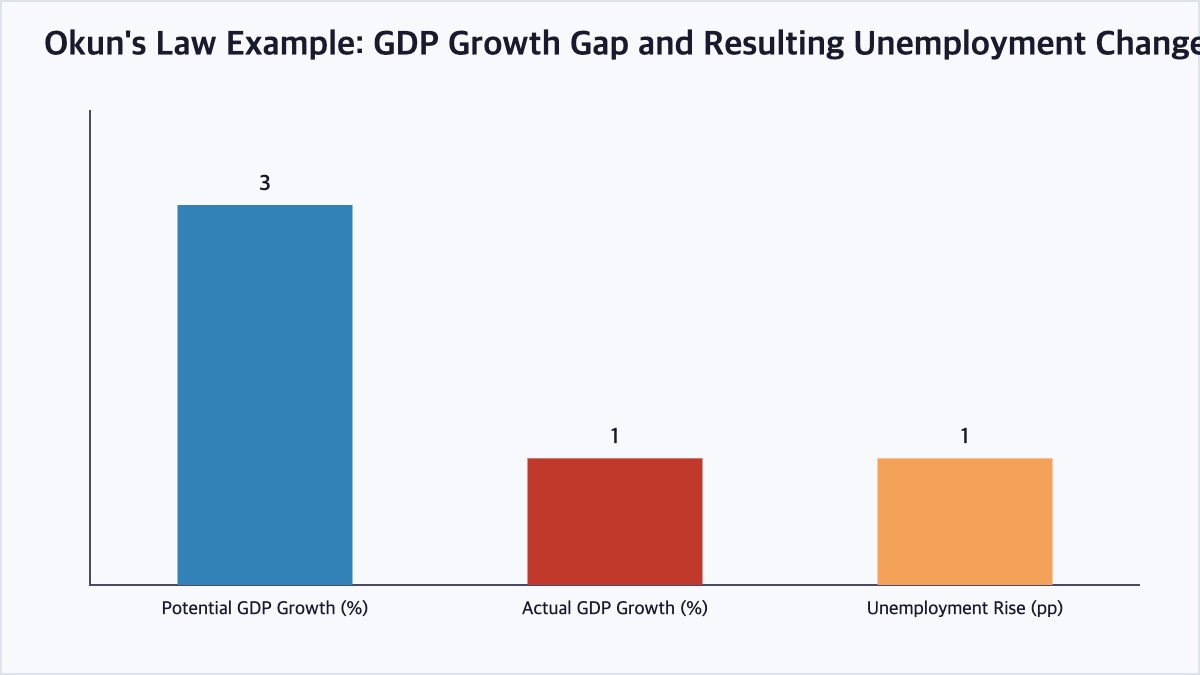
Suppose an economy’s potential GDP growth rate is 3% per year, but actual GDP growth comes in at just 1% — a 2 percentage point shortfall. Applying a rough Okun’s coefficient of 2, this shortfall would be expected to raise the unemployment rate by about 2÷2=1 percentage point relative to where it would otherwise be.
Two Common Versions of Okun’s Law
Economists generally express Okun’s Law in one of two related forms.
| Aspect | Difference (Growth Rate) Version | Gap (Output Gap) Version |
|---|---|---|
| What it compares | Change in unemployment rate to GDP growth rate | Output gap to unemployment gap from natural rate |
| Typical coefficient | ≈2 (for the U.S., historically) | ≈2 (Okun’s original estimate) |
| Best used for | Short-term quarterly or annual forecasts | Assessing how far the economy is from full employment |
| Key limitation | Coefficient varies by country and era | Requires estimating potential GDP and natural unemployment rate |
Why Okun’s Law Matters for Economic Policy
Because Okun’s Law offers a quick way to translate GDP forecasts into rough unemployment estimates (and vice versa), it is frequently referenced by policymakers, central banks, and economists trying to gauge how much economic growth is needed to meaningfully reduce unemployment, or how much a growth slowdown might raise joblessness.
Limitations of Okun’s Law
The relationship described by Okun’s Law is a statistical average based on historical data, not a fixed mathematical law, and the actual coefficient has varied over time and differs from country to country. Changes in labor force participation, productivity growth, and demographics can all cause the real-world relationship between GDP and unemployment to deviate from the traditional rule of thumb.
Frequently Asked Questions
What is the basic idea behind Okun’s Law?
Okun’s Law describes an empirical relationship suggesting that when an economy grows faster than its long-run potential rate, unemployment tends to fall, and when growth slows below potential, unemployment tends to rise — with a roughly consistent ratio between the two.
What is the traditional Okun’s Law coefficient?
Arthur Okun’s original estimate for the United States suggested that a 1 percentage point increase in the unemployment rate corresponded to about a 2 percentage point shortfall in GDP relative to its potential, though more recent studies have found the ratio varies over time and across countries.
Is Okun’s Law considered a precise economic formula?
No, Okun’s Law is best understood as an empirical rule of thumb based on historical statistical relationships rather than a strict economic law, and the exact coefficient can shift depending on the time period, country, and how productivity and labor force participation are behaving.
Why is Okun’s Law useful for policymakers?
Okun’s Law gives policymakers and economists a quick, intuitive way to estimate how a given change in GDP growth might translate into changes in the unemployment rate, which can inform fiscal and monetary policy decisions aimed at supporting employment.
Key Takeaways
Okun’s Law captures the empirical relationship between GDP growth and unemployment, offering a rough rule of thumb for estimating how changes in economic growth translate into changes in the jobless rate. While useful as a quick approximation, the relationship is not a fixed law and its coefficient can shift meaningfully across different economies and time periods. This article is for informational purposes only and does not constitute investment advice.

QuantPro: AI Finds the Trade Before You Do
From AI-powered chart analysis to real-time market intelligence — everything a serious investor needs, in one platform.
- Automated AI chart analysis with precision trend timing
- Bull Radar: real-time visualization of geopolitical & economic shifts
- Live market-moving news and insights, curated for you
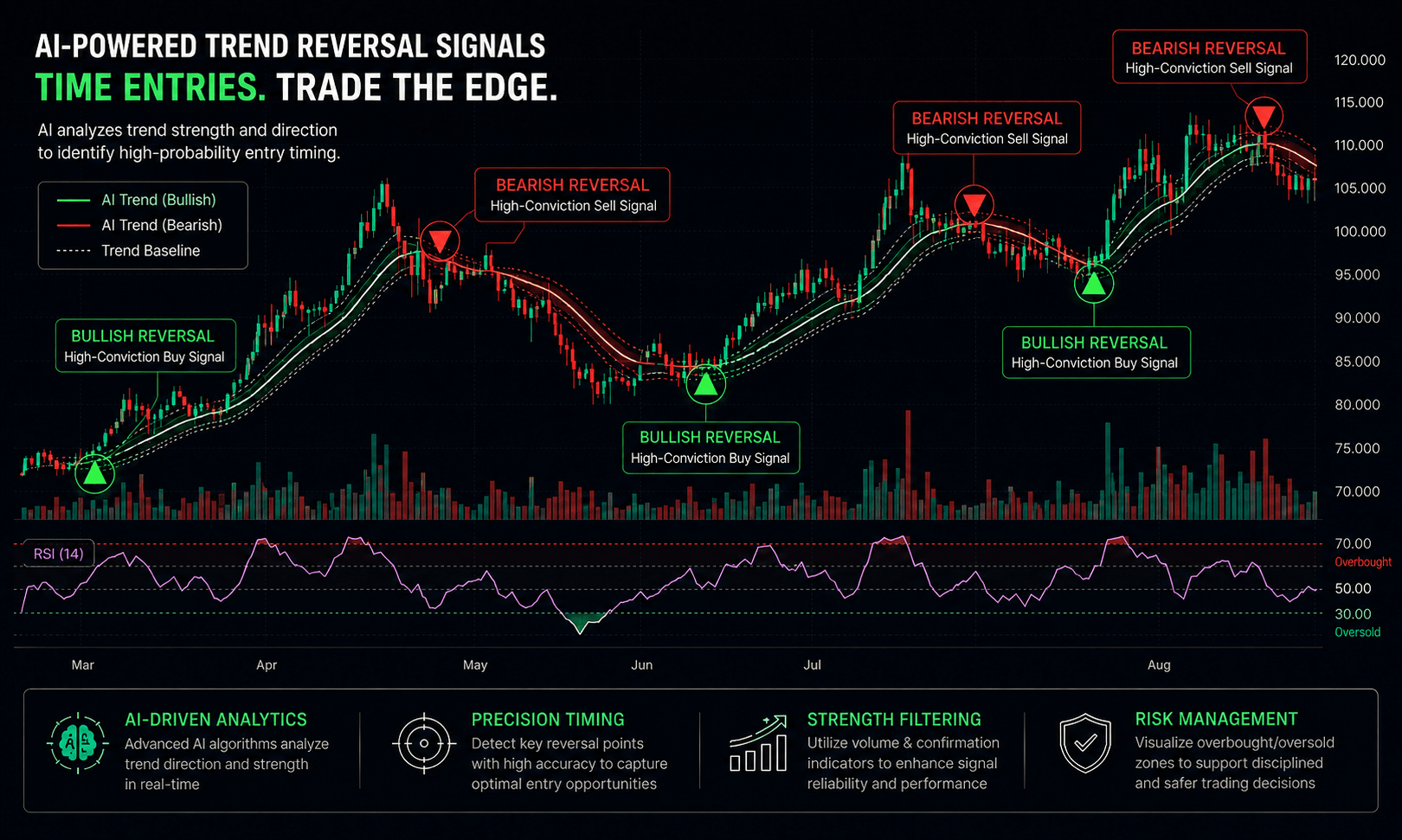
Bull Wave / Bear Wave Forecast Model
Engineered to help you read market direction and momentum faster than the crowd.
- Instantly separate bullish momentum from bearish pressure
- Pinpoint high-probability entry zones with confidence
- Chart signals clear enough for beginners, sharp enough for pros
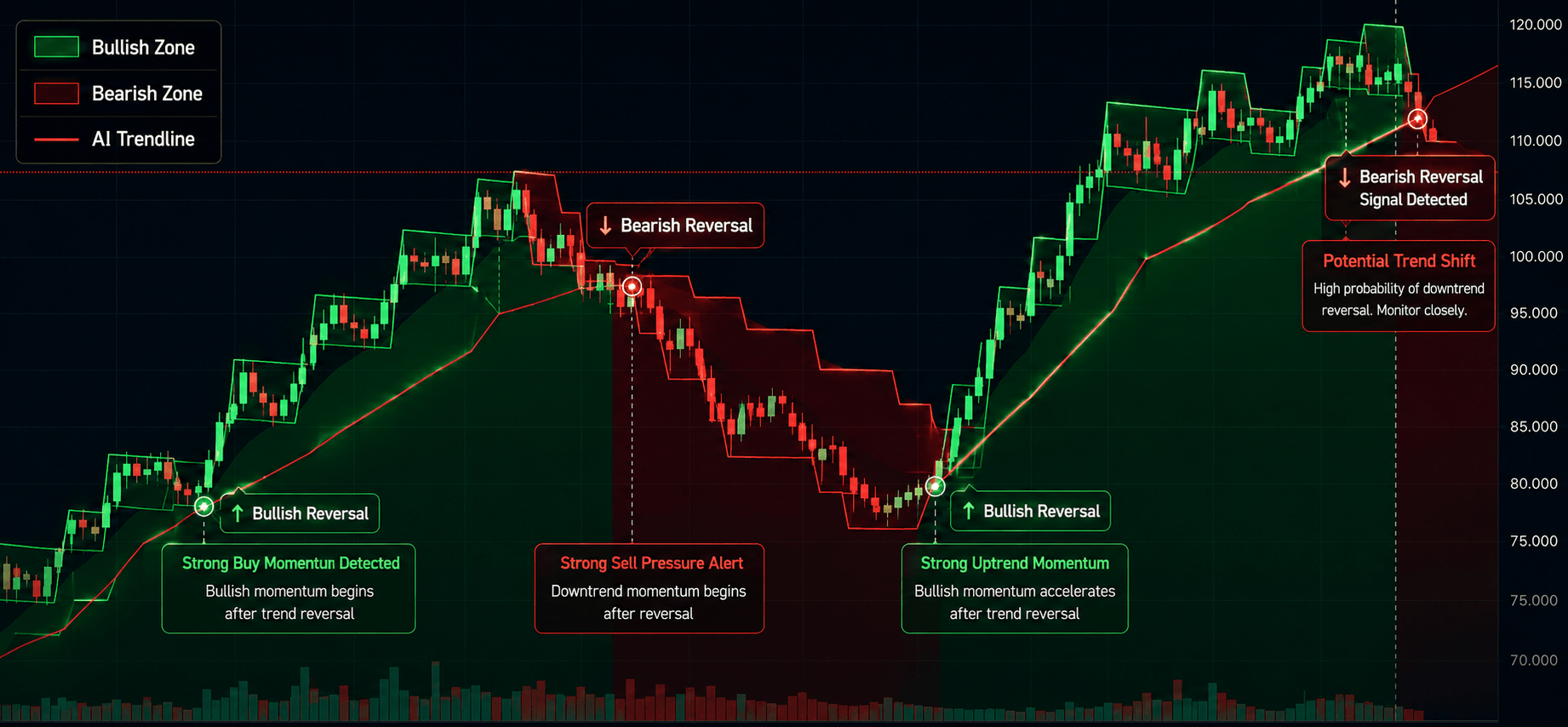
Winning Pattern Detection
Instantly surfaces the high-probability setups that repeat across the charts — a trusted edge for timing your entries and exits.
- Spot momentum building in real time
- Catch trend-reversal points before they break
- Built for active traders who need results, not theory

AI Live Economic Dashboard
AI analyzes real-time market data — turning complex, global investment flows into clear insight in seconds.
- Track global stock markets in real time
- See exactly which assets are strong — and which are fading
- Watch how geopolitical events move the markets
About the Author